

India’s Crude Basket Shifts: Increased Middle East Imports and Reduced Russian Oil Shipments Post-Trump Sanctions

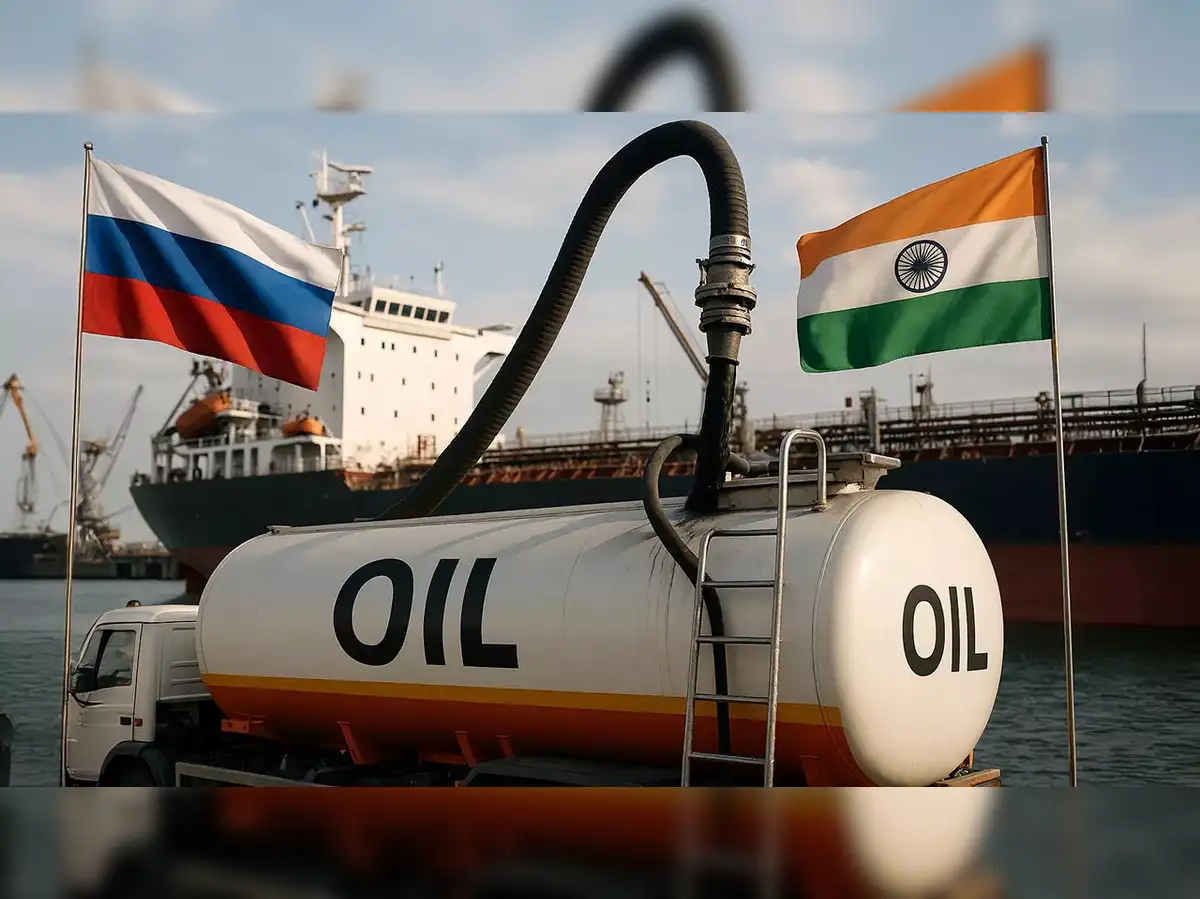
India is undergoing a significant shift in its crude oil sourcing strategy, moving away from Russian supplies while increasing imports from the Middle East. Recent data indicates that in January 2026, India’s imports of Russian crude fell to approximately 1.1 million barrels per day (bpd), a decrease from December’s average of 1.21 million bpd and a stark contrast to the over 2 million bpd seen in mid-2025. This change reflects a growing preference for more reliable and lower-risk oil sources amid rising compliance pressures associated with Russian crude.
India’s Shift Towards Middle Eastern Suppliers
India, which relies on imports for nearly 90% of its crude oil needs, is increasingly turning to its traditional suppliers in the Middle East. Recent figures reveal that Iraq’s crude exports to India have surged, matching Russian supply levels, with an increase from an average of 904,000 bpd in December 2025. Additionally, Saudi Arabia has ramped up its exports to India, reaching 924,000 bpd this month, a notable rise from 710,000 bpd in December and significantly higher than the low of 539,000 bpd recorded in April 2025. Analysts attribute this trend to intensified sanctions and compliance pressures surrounding Russian crude, prompting Indian refiners to seek more stable and predictable supply chains. This strategic pivot not only ensures smoother deliveries but also mitigates operational challenges at refineries, thereby enhancing overall stability in India’s energy sector.
The Rise and Decline of Russian Crude in India
In 2022, Russia emerged as India’s leading crude supplier, largely due to the availability of discounted oil following the invasion of Ukraine. At its peak, Russian crude constituted nearly 40% of India’s total imports, a dramatic increase from less than 1% prior to this period. However, the imposition of U.S. sanctions on Russian suppliers has significantly impacted these imports. Following the enforcement of sanctions on major Russian oil companies like Rosneft and Lukoil in November 2023, several Indian refiners, including Reliance Industries and Hindustan Petroleum Corporation Ltd, temporarily halted their purchases of Russian crude. This shift underscores the complexities and risks associated with sourcing oil from Russia, leading to a reevaluation of supply strategies among Indian refiners.
Future Prospects for Russian Oil Imports
Despite the recent decline in Russian crude imports, experts suggest that Russian oil will continue to play a role in India’s energy landscape. Analysts predict that while imports may decrease, they will not vanish entirely. The anticipated average for Russian crude imports in January 2026 is around 1.2 million bpd, with projections for the January-March quarter ranging between 1.3 and 1.5 million bpd. Companies like Nayara Energy, backed by Rosneft, remain heavily reliant on Russian oil, especially as EU sanctions limit alternative supply options. Furthermore, Indian Oil Corporation and Bharat Petroleum Corporation are sourcing Russian oil from non-sanctioned entities, indicating a potential resumption of purchases by other refiners as compliance risks are managed. The pricing of Russian crude, particularly Urals, remains attractive, trading at a discount compared to other grades, which continues to support refinery margins and influence purchasing decisions in the Indian market.
Observer Voice is the one stop site for National, International news, Sports, Editor’s Choice, Art/culture contents, Quotes and much more. We also cover historical contents. Historical contents includes World History, Indian History, and what happened today. The website also covers Entertainment across the India and World.

