

Impact of GSP Suspension on India-EU Trade: Tariffs Increase on 87% of Exports, Insights from GTRI Report

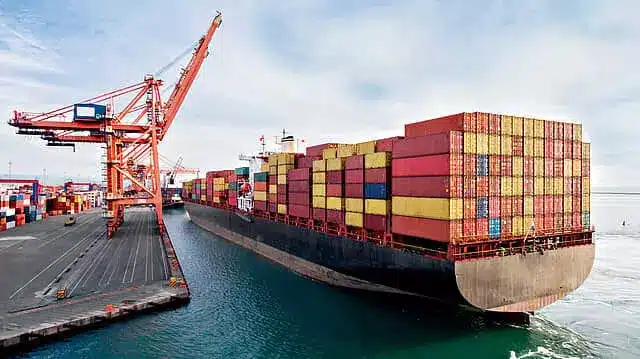
India’s exports to the European Union are set to face significant challenges starting January 1, 2026, as the EU has decided to suspend the Generalised Scheme of Preferences (GSP) benefits for 87% of Indian goods. This decision, reported by the Global Trade Research Initiative (GTRI), means that a vast majority of Indian exports will now incur full Most Favoured Nation (MFN) tariffs, effectively ending years of preferential access. The implications of this policy shift are expected to be profound, particularly for sectors reliant on competitive pricing.
What Changes with GSP Withdrawal
The withdrawal of GSP benefits marks a critical change for Indian exporters who previously enjoyed a margin of preference (MoP) that reduced MFN tariffs by an average of 20% on various products, including textiles and industrial goods. With the suspension in place, these exporters will no longer benefit from reduced tariffs. For instance, an apparel item that previously faced a 12% MFN tariff but only paid 9.6% under GSP will now be subject to the full 12% duty. This increase directly impacts profit margins for exporters, particularly in price-sensitive sectors like garments. GTRI emphasizes that even minor tariff hikes can significantly influence sourcing decisions, potentially pushing EU buyers toward duty-free alternatives from countries such as Bangladesh and Vietnam.
Impact Across Core Industrial Sectors
The suspension of GSP benefits affects nearly all major industrial categories that are vital to India’s export economy. Key sectors impacted include minerals, chemicals, plastics, textiles, and machinery, among others. While a limited selection of products, such as agricultural goods and handicrafts, will still qualify for GSP preferences, these categories represent less than 13% of India’s total exports to the EU. The loss of preferential treatment for the majority of exports poses a significant challenge for Indian manufacturers, who must now contend with higher tariffs that could hinder their competitiveness in the European market.
FTA Optimism Tempered by Timing
Negotiations for a Free Trade Agreement (FTA) between India and the EU are nearing completion; however, the agreement is not expected to be implemented for at least another year. Until the FTA comes into effect, Indian exporters will have to navigate the complexities of full MFN tariffs, which will increase operational costs and squeeze profit margins. This timing is particularly challenging as exporters are already grappling with fragile global trade conditions, making it imperative for them to adapt quickly to the new tariff landscape.
CBAM Adds Another Layer of Cost
The GSP withdrawal coincides with the introduction of the EU’s Carbon Border Adjustment Mechanism (CBAM), which will also take effect on January 1, 2026. Indian exporters of steel and aluminum will face heightened carbon reporting and compliance requirements, along with the risk of incurring default emissions values. GTRI describes the combined impact of increased tariffs and CBAM compliance as a dual burden on exporters, further complicating their ability to compete in the EU market. The year 2026 is poised to be particularly challenging for Indian exports, as businesses must navigate both tariff increases and climate-related trade measures while awaiting the benefits of the forthcoming FTA.
Observer Voice is the one stop site for National, International news, Sports, Editor’s Choice, Art/culture contents, Quotes and much more. We also cover historical contents. Historical contents includes World History, Indian History, and what happened today. The website also covers Entertainment across the India and World.
Follow Us on Twitter, Instagram, Facebook, & LinkedIn

