

US Eases Sanctions on Lukoil Outlets Outside Russia, Exemption Valid Until April 2026

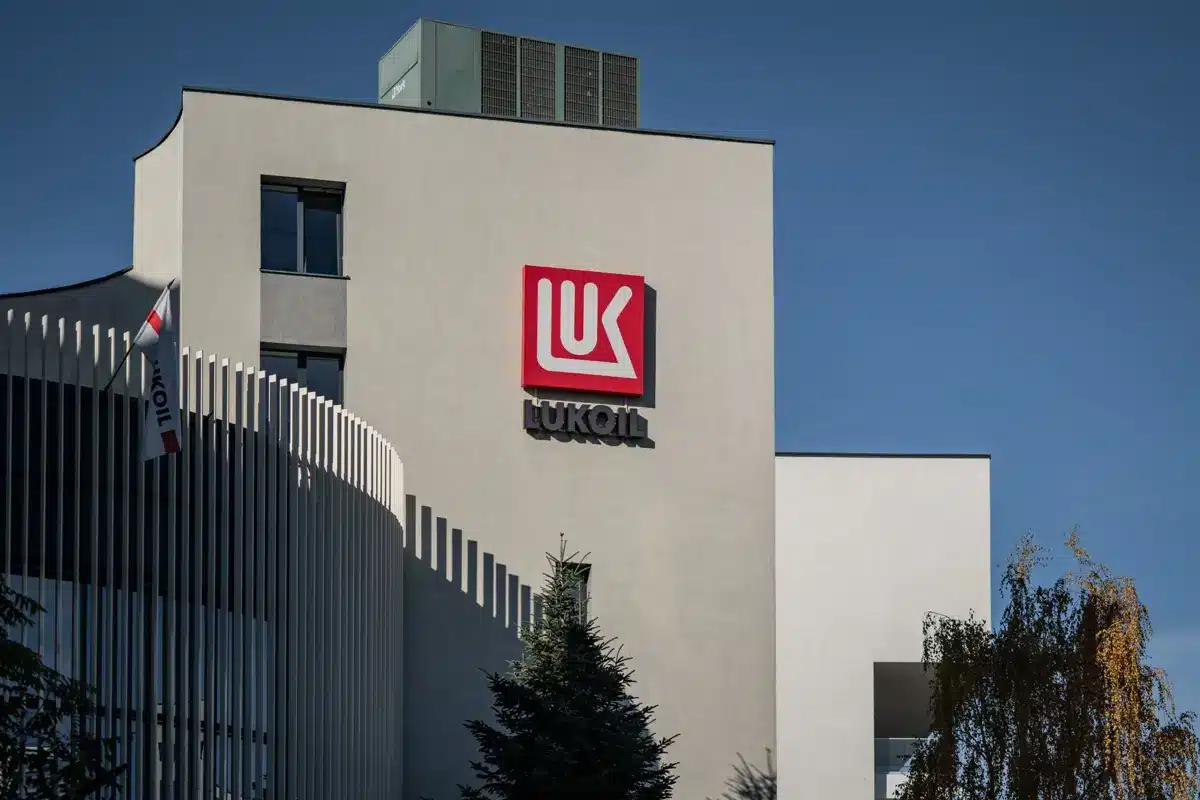
The United States has announced a temporary lifting of certain restrictions on Lukoil-branded fuel stations operating outside of Russia, allowing them to continue their operations despite existing sanctions against the parent company. This decision, confirmed by the Treasury Department, permits these stations, including those in the U.S., to serve customers without transferring revenue back to Russia, which remains under significant sanctions due to its actions in Ukraine. The exemption will remain in effect until April 29, 2026.
Details of the Exemption
The recent exemption represents a partial rollback of sanctions initially imposed by former President Donald Trump in October. The announcement coincides with diplomatic efforts, as U.S. officials recently met with Russian President Vladimir Putin in Moscow to discuss a Washington-supported plan aimed at resolving the ongoing conflict. Lukoil has a considerable presence outside Russia, operating around 200 fuel stations in states such as New Jersey, Pennsylvania, and New York. Additionally, its Finnish subsidiary, Teboil, which manages approximately 430 fuel stations, has begun to scale back operations due to dwindling supplies, with expectations that Lukoil may eventually divest from this chain.
Impact on Global Operations
Beyond the U.S., Lukoil remains a key player in the retail fuel market in several countries, including Moldova and Bulgaria, and oversees around 600 outlets in Turkey and over 300 in Romania. The decision to ease restrictions comes amid broader sanctions imposed by the U.S. on Russian energy companies. The U.S. government had previously frozen all American-based assets of Lukoil and Rosneft, banning U.S. firms from engaging with them. Both companies account for approximately 55% of Russia’s petroleum output and were placed on the Specially Designated Nationals (SDN) list, which imposes severe restrictions on their operations.
Consequences for Indian Energy Sector
The new sanctions have also affected India’s energy sector. Analysts have noted that the sanctions on Rosneft and Lukoil have classified their crude oil as a “sanctioned molecule.” Despite India importing an average of 1.7 million barrels per day of Russian crude this year, projections indicate a sharp decline to about 400,000 barrels per day in December and January. Several Indian refiners, including Reliance Industries and HPCL-Mittal Energy, have halted purchases of Russian crude, while only Nayara Energy, backed by Rosneft, continues to receive supplies due to its reliance on Russian oil.
Future Outlook
Experts have clarified that the restrictions specifically target designated companies and do not apply to all Russian crude. This distinction allows Indian buyers to legally procure oil from non-sanctioned producers like Gazprom Neft or Surgutneftegaz, provided that no blacklisted entities are involved in the shipping, banking, or trading processes. Reliance, which operates one of the world’s largest refining complexes, has already ceased using Russian crude in its export-oriented Special Economic Zone refinery to comply with forthcoming EU regulations. The evolving landscape of sanctions and exemptions continues to shape the global energy market, with significant implications for both U.S. and international operations.
Observer Voice is the one stop site for National, International news, Sports, Editor’s Choice, Art/culture contents, Quotes and much more. We also cover historical contents. Historical contents includes World History, Indian History, and what happened today. The website also covers Entertainment across the India and World.
Follow Us on Twitter, Instagram, Facebook, & LinkedIn

