

The Pros, Cons, and Challenges of AI

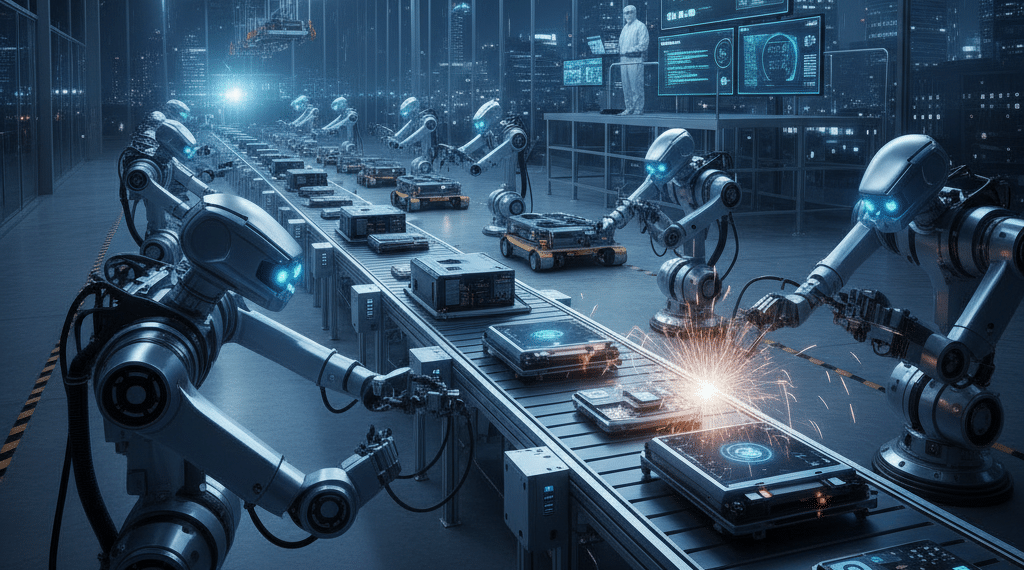
Artificial intelligence (AI) is poised to revolutionize various sectors, much like the advent of indoor plumbing and the popularity of avocado toast. However, the journey toward widespread AI adoption is not expected to be straightforward. This article explores the promising advancements, significant challenges, and potential pitfalls associated with AI technology, highlighting its impact on education, customer service, and the stock market.
AI’s Promising Capabilities
Artificial intelligence has demonstrated remarkable capabilities, particularly in educational assessments. For instance, ChatGPT has achieved a score in the 93rd percentile on SAT reading and writing tests, earning 710 out of 800, and a score of 700 in math. It has also shown proficiency in advanced placement tests and has successfully passed the Chartered Financial Analyst exam, the Uniform Bar Exam, and the U.S. Medical Licensing Examination with impressive accuracy. These achievements raise questions about the reliability of AI in professional fields. While AI can excel in standardized testing, concerns remain about its practical application in real-world scenarios.
The educational landscape is shifting as AI tools become integral to learning. Traditional methods, such as rote memorization and lectures, are being replaced by self-paced and project-based learning, where AI can assist in evaluating student progress. This new approach encourages students to engage in complex projects, such as designing a virtual manned rocket to Mars, integrating various subjects like calculus, physics, and economics. Furthermore, businesses are increasingly adopting AI for customer service, with virtual agents capable of handling a significant portion of inquiries, thereby reducing operational costs.
The Challenges of AI Implementation
Despite its advantages, AI is not without its flaws. One major issue is the phenomenon known as “hallucinations,” where AI generates incorrect or nonsensical information. This inconsistency poses risks, especially in customer service, where errors can damage a brand’s reputation. Companies are cautious about relying solely on AI for customer interactions, as mistakes can lead to significant liability concerns.
In the realm of software development, AI tools are being utilized to assist programmers, but many developers remain skeptical about their reliability. While AI can enhance productivity, it often produces code riddled with bugs, necessitating further testing and correction by human engineers. The current AI models rely on extensive computational resources, raising concerns about energy consumption and the sustainability of such practices. As demand for AI continues to grow, the industry faces challenges related to memory prices and energy efficiency.
The Stock Market’s Response to AI
The stock market has shown a strong enthusiasm for AI investments, but there are concerns about whether the current pace of data-center expansion aligns with actual revenue generation. Analysts warn that the projected $1 trillion in planned capacity by 2028 may exceed immediate market demand. Historical trends indicate that overbuilding often occurs in technology cycles, leading to volatility in stock prices.
Investors are currently pricing AI stocks based on long-term expectations, which may not reflect short-term realities. As the market adjusts, there is potential for rapid changes in stock valuations, similar to past cycles where companies faced significant price corrections despite meeting forecasts. The focus on innovation and new supply could lead to a decrease in AI pricing, impacting both the technology and stock markets.
Looking Ahead: The Future of AI
While the current landscape presents challenges, there is optimism for the future of AI. As technology evolves, more efficient methods are being developed, which could reduce the demand for extensive data centers. Companies like Thinking Machines Labs are exploring ways to train AI models for specialized tasks, potentially enhancing their effectiveness and reducing energy consumption.
In the long term, lower prices for AI technology could stimulate new applications and opportunities, similar to past technological advancements. As the market continues to adapt, the potential for AI to transform industries remains significant, albeit with the understanding that the journey will be marked by fluctuations and adjustments. The evolution of AI is a complex process, and stakeholders must remain vigilant as they navigate its promising yet unpredictable future.
Observer Voice is the one stop site for National, International news, Sports, Editor’s Choice, Art/culture contents, Quotes and much more. We also cover historical contents. Historical contents includes World History, Indian History, and what happened today. The website also covers Entertainment across the India and World.
Follow Us on Twitter, Instagram, Facebook, & LinkedIn

