

Snakebite Envenoming: The Neglected Crisis Killing 138,000 People Annually

Key Facts
- Snakebite envenoming causes an estimated 81,000 to 138,000 deaths annually worldwide, according to WHO data
- Between 400,000 and 500,000 people suffer permanent disabilities such as amputations and chronic psychological sequelae from snakebite each year
- An estimated 5.4 million people are bitten by snakes annually, with up to 2.7 million envenomings (bites that inject venom)
- Sub-Saharan Africa bears the highest burden with approximately 314,000 envenomings and 7,000-32,000 deaths annually
- WHO reports that agricultural workers, children, and rural populations in tropical and subtropical regions face the highest risk
When the World Health Assembly adopted resolution WHA71.5 in May 2018, it marked a turning point for snakebite envenoming—elevating this long-ignored condition to the WHO list of highest-priority neglected tropical diseases after decades of advocacy. The resolution acknowledged a brutal reality: snakebite kills more people annually than dengue fever, yet receives a fraction of the attention and resources, with antivenom shortages leaving hundreds of thousands without access to lifesaving treatment. WHO’s 2019 strategy, updated in 2023, aims to halve snakebite deaths and disabilities by 2030 through improved access to safe, effective antivenoms, strengthened healthcare systems in endemic regions, and community education programs. This article examines WHO’s comprehensive framework on snakebite envenoming: what it is, which populations it devastates, why treatment remains inaccessible to most victims, and how this preventable condition represents one of the starkest examples of health inequity in contemporary global health initiatives.
What Is Snakebite Envenoming? — WHO’s Definition
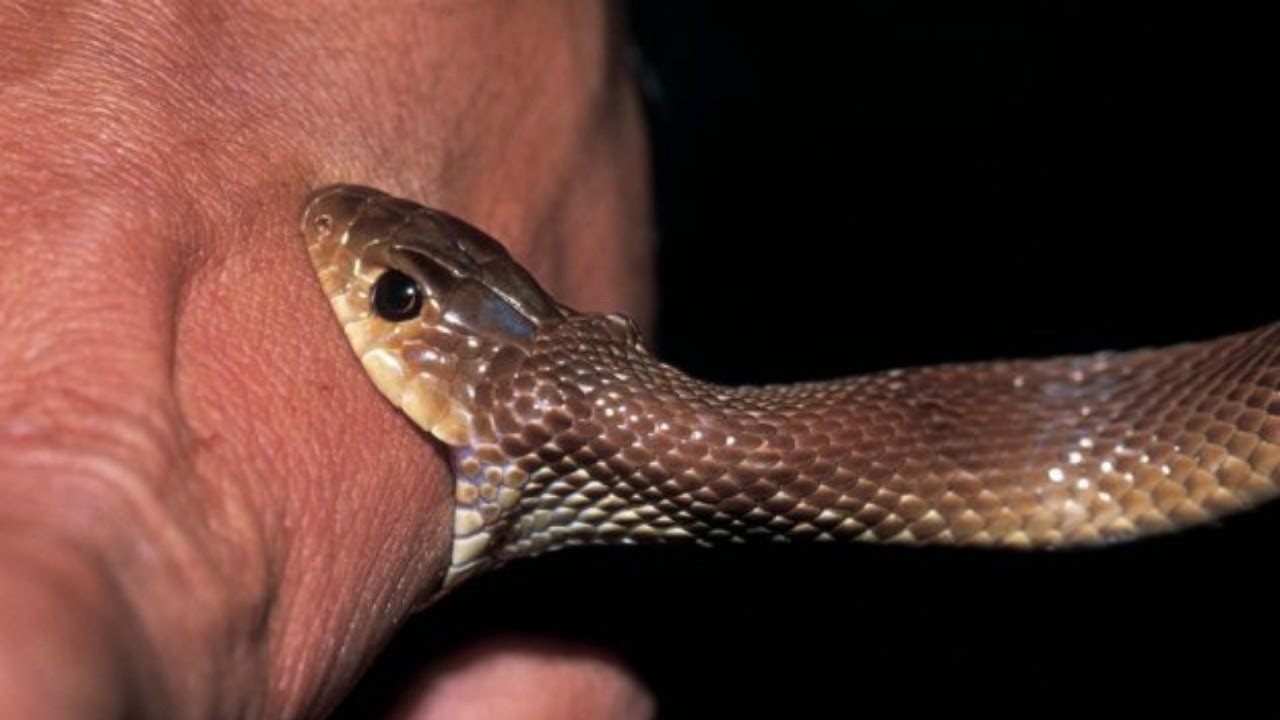
According to WHO, snakebite envenoming is a potentially life-threatening disease caused by toxins in the venom injected when a venomous snake bites a person. WHO defines it as occurring when venom—a complex mixture of proteins, enzymes, and other molecules with various toxic effects—enters the body through fangs that function like hypodermic needles during defensive or predatory strikes. The organization emphasizes that not all snakebites result in envenoming; approximately 50% are “dry bites” where no venom is injected, while the other 50% involve venom delivery requiring immediate medical assessment and often antivenom treatment.
WHO’s framework distinguishes snakebite envenoming from simple traumatic injury. The bite itself may cause tissue damage, bacterial infection, and psychological trauma, but envenoming specifically refers to the systemic and local effects of venom components that can cause bleeding disorders, paralysis, tissue destruction, kidney failure, and death if untreated. The severity depends on multiple factors: the snake species (with variation even within species based on geographic location and individual snake), the amount of venom injected, the victim’s size and health status, and critically, the time elapsed between bite and effective treatment.
The condition’s classification as a neglected tropical disease reflects that it disproportionately affects rural agricultural workers in low and middle-income countries—populations with limited healthcare access, political influence, and economic resources to demand attention. Unlike diseases that cross socioeconomic boundaries, snakebite kills people who are poor, rural, and often marginalized, in countries where health systems struggle with more politically visible conditions, creating a vicious cycle of neglect that persists despite available lifesaving treatment.
Global Burden
WHO estimates that 5.4 million snakebites occur globally each year, with 1.8 to 2.7 million resulting in envenoming—venom injection causing clinical effects requiring treatment. According to WHO’s snakebite fact sheet, these envenomings cause 81,000 to 138,000 deaths annually and leave 400,000 people with permanent disabilities including amputations, chronic ulcers, psychological sequelae, and disfigurement. The true burden likely exceeds these estimates since many rural snakebites go unreported, victims die before reaching healthcare facilities, or deaths are attributed to other causes without proper investigation.
Geographic distribution reveals stark regional disparities. Sub-Saharan Africa experiences approximately 314,000 envenomings causing 7,000-32,000 deaths annually—the widest mortality range reflecting huge data gaps and varied access to treatment. Asia bears the highest absolute burden with over 2 million envenomings and 50,000-94,000 deaths, concentrated in South and Southeast Asia where agricultural practices bring people into close contact with venomous species. India alone reports 50,000 deaths annually according to national surveys, though official statistics capture only a fraction.
Latin America documents 125,000 envenomings with 5,000 deaths yearly, primarily from pit vipers (Bothrops species). Oceania, particularly Papua New Guinea, experiences high incidence relative to population size. Europe, North America, and Australia have low burdens due to better healthcare access, though bites still occur—the US documents approximately 7,000-8,000 venomous snakebites annually with fewer than 10 deaths, demonstrating the survival difference that accessible antivenom and intensive care create.
The demographic pattern shows that agricultural workers comprise the majority of victims—people working barefoot or with minimal protection in fields, plantations, and forests where venomous snakes hunt rodents attracted to crops. Research published in PLOS Neglected Tropical Diseases documents that men aged 15-49 account for the highest number of bites due to occupational exposure, while children under 15 experience disproportionate mortality because smaller body size means higher venom concentration relative to body weight.
Seasonal patterns align with agricultural cycles and snake activity. Bites peak during planting and harvest seasons when farmers work intensively in fields, and during rainy seasons when snakes emerge from flooding burrows. Nighttime encounters are common in regions where people sleep on floors or ground level, walk to outdoor latrines in darkness, or work evening agricultural tasks.
Economic impacts extend beyond mortality. Victims lose income during recovery periods averaging weeks to months. Families incur catastrophic healthcare costs for treatment, transportation to facilities with antivenom (often requiring travel of 50-200 kilometers), and ongoing care for complications. Studies in The Lancet document that a single snakebite can push rural families into poverty through combined medical costs and lost agricultural productivity, with costs equivalent to 4-5 months of household income in some endemic areas.
Permanent disabilities affect 400,000 people annually. Amputations—necessary when venom causes such severe tissue destruction that limb salvage is impossible or when delayed treatment allows infection and gangrene—leave agricultural workers unable to perform manual labor. Chronic ulcers at bite sites persist for months or years. Psychological trauma including post-traumatic stress disorder, fear of returning to fields, and social stigma compound physical disabilities. Children who survive severe envenoming but lose limbs or develop chronic complications face lifetime burdens beginning in childhood.
Causes, Transmission & Risk Factors
Snakebite envenoming results from defensive strikes by venomous snakes when humans inadvertently threaten them through proximity or contact. According to WHO’s prevention guidelines, snakes don’t actively hunt humans but bite when stepped on, grabbed during agricultural work, or encountered in homes, paths, or fields where they hunt rodents and other prey. Understanding this defensive nature proves critical—snakes prefer avoiding human contact and only envenomate when escape routes are blocked or they feel threatened.
The venomous snake families responsible for most human envenoming include: Viperidae (vipers and pit vipers including Russell’s viper, saw-scaled vipers, rattlesnakes, fer-de-lance), found across all inhabited continents except Australia; Elapidae (cobras, kraits, mambas, coral snakes, Australian elapids including taipans and brown snakes), particularly deadly with neurotoxic venoms; Colubridae (a few rear-fanged species including boomslangs), causing occasional severe envenoming; and Hydrophiinae (sea snakes), affecting fishermen and coastal populations.
Venom composition varies dramatically by species, genus, and even geographic populations of the same species. Hemotoxic venoms, produced by most vipers, contain metalloproteases and procoagulants causing uncontrolled bleeding, clotting disorders, and tissue destruction. Neurotoxic venoms, characteristic of elapids like cobras and kraits, contain toxins blocking neuromuscular transmission causing paralysis, respiratory failure, and death from asphyxiation. Cytotoxic venoms cause severe local tissue destruction, necrosis, and secondary infection. Many snakes produce complex venoms combining multiple effects.
Risk factors for snakebite operate at individual, occupational, environmental, and systemic levels. Agricultural work represents the primary occupational risk—planting, weeding, harvesting, and irrigation bring hands and feet into contact with snakes in vegetation, under rocks, in grain stores, and around water sources. Rice farmers wading through paddies encounter water snakes; sugarcane harvesters reach into dense vegetation where snakes shelter; plantation workers clearing undergrowth disturb hidden snakes.
Footwear provides critical protection yet remains inaccessible to many at-risk populations. WHO reports that working barefoot or in thin sandals leaves feet vulnerable to strikes from terrestrial snakes, while rubber boots reaching mid-calf prevent most bites. However, poverty means many agricultural workers can’t afford protective footwear, and even when available, boots are hot and uncomfortable in tropical climates, creating tension between protection and practicality.
Housing characteristics influence risk. Homes with dirt floors, thatched roofs, gaps in walls, and stored grain attract rodents that in turn attract rodent-hunting snakes. Sleeping on ground-level bedding rather than elevated beds increases nighttime encounter risk. Lack of indoor plumbing necessitates outdoor latrine use in darkness when venomous species like kraits actively hunt.
Environmental factors include living in tropical and subtropical regions with high venomous snake diversity and abundance, proximity to fields and forests providing snake habitat, rainy seasons when flooding drives snakes toward higher ground including human dwellings, and nighttime when nocturnal species are active but human visibility is poor.
Behavioral factors compound risk. Walking barefoot at night without light sources, reaching into dark spaces without checking first, attempting to handle or kill encountered snakes rather than retreating, and sleeping outdoors or on floors all increase bite probability. Cultural practices like snake handling for religious purposes, traditional medicine collection, and snake capture for commercial trade create exposure among specific groups.
Systemic factors determine outcomes once bites occur. Distance from healthcare facilities with antivenom transforms survivable bites into fatal ones—WHO documents that delays exceeding 6-12 hours dramatically increase mortality and disability. Lack of transportation infrastructure in rural endemic areas means victims spend hours or days reaching treatment. Poverty prevents families from affording antivenom when available but not subsidized. Traditional healer consultation before or instead of hospital care delays effective treatment during critical windows.
Children face elevated risk through behavioral factors (playing in areas with snakes, inability to recognize dangerous species) and physiological vulnerability (smaller body size meaning higher venom concentration per kilogram, less physiological reserve to withstand venom effects). However, WHO notes that across all demographics, the fundamental driver is poverty—snakebite predominantly affects people whose economic circumstances require them to work in high-risk environments without protective equipment or quick access to healthcare.
Signs, Symptoms and Health Impacts
WHO identifies that snakebite envenoming produces varied clinical manifestations depending on the venom type, with some effects appearing within minutes while others develop over hours to days—a timeline requiring careful observation since initial apparent mildness can precede life-threatening deterioration. The organization emphasizes that absence of immediate symptoms doesn’t indicate absence of envenoming; some deadly snake venoms produce delayed effects requiring all bite victims to seek immediate medical evaluation.
Local effects at the bite site vary by venom type. Viper bites typically cause immediate severe pain, rapid swelling extending up the affected limb, bruising and discoloration, and sometimes blistering. The swelling can be massive—a hand bite causing the entire arm to swell to twice normal size within hours. Tissue destruction (necrosis) develops over 24-72 hours, visible as darkening skin that eventually sloughs off exposing underlying tissues. Elapid bites often produce minimal local effects despite containing deadly systemic toxins—a deceptive feature that leads victims and healthcare providers to underestimate severity.
Systemic effects reflect venom actions throughout the body. Hemotoxic venoms from vipers cause bleeding from gums, wounds, and internally; spontaneous bleeding from old wounds or injection sites; blood in urine, stools, or vomit; and coagulopathy (blood unable to clot) measurable through blood tests showing prolonged clotting times. Severe cases develop hemorrhagic shock from blood loss, with falling blood pressure, rapid pulse, and organ failure.
Neurotoxic envenoming, characteristic of cobras, kraits, mambas, and coral snakes, produces progressive paralysis beginning with ptosis (drooping eyelids—often the earliest sign), difficulty speaking and swallowing, neck muscle weakness causing head drop, and ultimately respiratory muscle paralysis requiring mechanical ventilation. Victims remain conscious throughout—a terrifying experience of progressive inability to move or breathe while fully aware. Death from untreated neurotoxic envenoming occurs from respiratory arrest when breathing muscles fail completely.
Myotoxic effects, produced by some viper and elapid species, cause muscle breakdown (rhabdomyolysis) releasing muscle proteins into blood that damage kidneys. Victims develop muscle pain, dark tea-colored urine from myoglobin, and acute kidney injury requiring dialysis. Sea snake envenoming characteristically causes severe myotoxicity with generalized muscle pain and breakdown.
Cardiovascular effects include direct cardiotoxicity from some venom components causing arrhythmias and cardiac arrest, hypotensive shock from vascular leak and blood loss, and cardiac complications from severe electrolyte disturbances in kidney failure cases.
Acute kidney injury develops in 5-30% of severe envenomings through multiple mechanisms: direct nephrotoxicity from venom components, myoglobin-induced kidney damage from muscle breakdown, and hypotensive shock reducing kidney blood flow. Without dialysis access, kidney failure proves fatal within days to weeks.
Complications and long-term impacts extend beyond acute survival. Permanent amputations result when tissue necrosis is so extensive that infection control and wound management fail, or when delayed presentation means gangrene has progressed irreversibly. WHO reports that approximately 400,000 amputations and severe disabilities occur annually—a staggering number representing lost livelihoods for agricultural workers who depend on physical labor.
Chronic wounds and ulcers at bite sites persist for months or years when tissue damage is severe but insufficient to require amputation. These infected, slow-healing wounds require repeated treatments and prevent return to work. Contractures (permanent joint stiffness) develop when swelling and fibrosis affect tissues crossing joints.
Pituitary dysfunction occurs as a delayed complication of some viper bites, particularly Russell’s viper in Asia, where venom causes pituitary gland hemorrhage and infarction. Victims develop chronic hormone deficiencies requiring lifelong replacement therapy—often unavailable in rural endemic settings.
Psychological sequelae affect many survivors. Post-traumatic stress disorder manifests as nightmares, hypervigilance, fear of returning to fields where bites occurred, and avoidance behaviors that prevent return to agricultural work. Depression and anxiety commonly follow severe envenoming, particularly when permanent disabilities result. Social stigma in some communities treats snakebite survivors as cursed or contaminated, compounding psychological trauma.
Children who survive severe envenoming face lifetime burdens. Amputations during childhood create ongoing challenges as children grow—requiring prosthetic replacements, limiting educational and employment opportunities, and causing social isolation. Chronic kidney disease from snakebite-induced acute kidney injury shortens life expectancy and requires ongoing care rarely accessible in rural areas where bites occur.
Treatment and Health Response
WHO reports that the only specific treatment for snakebite envenoming is antivenom—immunoglobulins produced by immunizing animals (usually horses, sometimes sheep) with snake venoms, then purifying antibodies that neutralize venom toxins. According to WHO’s antivenom guidelines, appropriate antivenom administered promptly can prevent death and disability from even severe envenoming, yet access remains the critical bottleneck—less than 50% of people who need antivenom globally receive it due to supply shortages, high costs, and distribution failures.
Antivenom administration requires clinical judgment about whether envenoming has occurred (not all bites inject venom) and is progressing to severity warranting treatment versus risk from antivenom adverse reactions. WHO protocols base decisions on clinical assessment: systemic symptoms (bleeding, paralysis, shock), laboratory findings (coagulopathy, kidney dysfunction), and progressive local swelling exceeding the joint above the bite site. When indicated, antivenom is administered intravenously in hospital settings equipped to manage adverse reactions.
Supportive care proves essential alongside antivenom. Respiratory support through mechanical ventilation keeps neurotoxic envenoming victims alive during the days to weeks required for venom effects to wear off and neuromuscular function to recover—WHO notes that many preventable deaths occur because rural facilities lack ventilators or trained staff. Dialysis for acute kidney injury, blood transfusions for hemorrhagic complications, surgical debridement of necrotic tissue, antibiotics for secondary infections, and intensive nursing care all contribute to survival and functional outcomes.
The global antivenom crisis represents perhaps the starkest example of health system failure for neglected populations. Between 2000-2016, antivenom availability in sub-Saharan Africa collapsed when major manufacturers withdrew products citing insufficient profitability, quality concerns about some available products, and weak regulatory oversight. WHO estimated in 2015 that Africa needed 500,000 antivenom vials annually but only 8.5% of demand was being met—a catastrophic shortage translating directly to preventable deaths and amputations.
Multiple factors drive the crisis. Antivenom production is complex and expensive—requiring snake venom collection, animal immunization and bleeding, antibody purification, safety testing, and cold chain distribution. Manufacturers face small, geographically dispersed markets unable to pay prices covering production costs. Procurement systems in endemic countries lack coordination, with each facility or district purchasing independently, preventing economies of scale. Counterfeit and substandard antivenoms flood markets, undermining trust in legitimate products.
Regulatory barriers compound the problem. WHO reports that appropriate antivenom must match local snake species—African antivenoms don’t work for Asian or Latin American bites and vice versa. Even within regions, snake venom composition varies geographically, requiring region-specific antivenoms. Yet regulatory approval processes often don’t recognize these specificities, approving products with questionable efficacy or rejecting effective products for technical reasons.
Access barriers extend beyond availability. Even where antivenom exists, cost proves prohibitive—a course of treatment can cost $100-500, equivalent to months of rural household income. Few countries subsidize antivenom despite WHO recommendations for free provision. Geographic access creates additional barriers: victims must reach district or tertiary hospitals with antivenom stocks and trained staff, often requiring travel of 50-200 kilometers from bite sites, with transportation time measured in hours during which envenoming progresses.
Traditional healer consultations delay effective treatment in many endemic regions. WHO estimates that 50-80% of snakebite victims first seek traditional treatments including incisions, tourniquets, plant applications, and ritual interventions—practices that don’t neutralize venom and often cause additional harm through infection, bleeding, and delayed hospital arrival. This pattern reflects both cultural beliefs and practical barriers to hospital access—traditional healers are local, available immediately, and accept payment in kind when cash is unavailable.
Healthcare worker knowledge gaps create problems even when antivenom exists. Many rural health workers lack training in snakebite management, antivenom administration, and adverse reaction management. Snake identification skills are poor, leading to inappropriate antivenom selection or withheld treatment from fear of using wrong antivenom. Outdated treatment protocols persist in some regions, including dangerous practices like tourniquet application, incision and suction, and ice application that WHO explicitly advises against.
Regional differences in healthcare response demonstrate inequity’s geography. High-income countries including the US, Australia, and parts of Europe maintain coordinated antivenom supply systems, poison control center consultations, and intensive care capacities that reduce snakebite mortality to under 1% of envenomings. Low-income endemic countries face supply failures, cost barriers, absent intensive care, and fragmented uncoordinated responses that allow 10-20% case fatality rates for severe envenomings—deaths that would be preventable with healthcare systems comparable to wealthy nations.
Similar to challenges in emergency and critical care where half of deaths in low-income countries could be prevented with better systems, snakebite mortality reflects not medical complexity but systematic failure to provide known effective interventions to people based primarily on geography and poverty. The treatments exist, the knowledge exists—implementation fails because victims are poor, rural, and politically marginalized.
Prevention & WHO Strategies
WHO’s snakebite prevention framework operates across multiple levels: primary prevention reducing human-snake encounters, secondary prevention through protective equipment and behavior modification, and tertiary prevention via rapid treatment access preventing deaths and disabilities among bite victims. The organization emphasizes that while complete prevention is unrealistic given the need for agricultural work in snake-endemic areas, risk reduction through practical interventions can substantially decrease burden.
Community education represents a cornerstone of WHO’s prevention strategy. According to WHO’s prevention and control strategy, effective programs teach recognition of medically important venomous species versus harmless snakes, first aid measures and dangerous practices to avoid, importance of immediate hospital care rather than traditional treatments, and practical risk reduction in agricultural settings. Education must be culturally appropriate, delivered in local languages, and account for literacy levels—picture-based materials, community drama, and peer education prove more effective than written pamphlets in many settings.
Protective footwear prevents most terrestrial snake strikes, yet procurement and consistent use face barriers. WHO recommends rubber boots reaching mid-calf or leather shoes with thick soles, but acknowledges that cost, availability, and tropical heat create compliance challenges. Innovative approaches include community bulk purchasing schemes reducing individual costs, microfinance programs allowing installment payment, and employer provision of boots as occupational safety equipment.
Environmental modifications reduce snake presence around homes and workplaces. Clearing vegetation and debris within 5 meters of dwellings eliminates snake hiding places, elevating grain storage prevents rodent attraction that draws rodent-hunting snakes, and sealing gaps in walls and floors prevents snake entry. Using flashlights or headlamps during nighttime outdoor activities enables snake detection before contact. Elevated beds reduce nighttime bite risk compared to ground-level sleeping.
Agricultural practice modifications can reduce occupational exposure. Using long-handled tools rather than hands when clearing vegetation, making noise when entering fields to alert snakes allowing them to flee, harvesting during daylight rather than dawn/dusk when many snakes are active, and training farm workers in snake awareness all contribute to prevention. However, WHO acknowledges that economic pressures, traditional practices, and time constraints often prevent adoption of safer but slower work methods.
Healthcare system strengthening represents tertiary prevention—ensuring that bites that occur don’t progress to deaths or disabilities. WHO’s strategy emphasizes decentralizing antivenom availability to district hospitals in endemic areas, training healthcare workers in snakebite management, establishing antivenom supply chains preventing stockouts, and subsidizing or eliminating antivenom costs to patients. Countries implementing these measures demonstrate substantial mortality reduction—Sri Lanka reduced snakebite deaths by 50% through coordinated supply and training programs.
Pre-hospital first aid focuses on minimizing harm while transporting victims to treatment. WHO’s evidence-based guidance recommends: keeping victims calm and still to slow venom spread through lymphatic system, immobilizing the bitten limb in a functional position, removing constrictive clothing and jewelry before swelling occurs, and immediate transport to healthcare facility. Critically, WHO advises against tourniquets (cause tissue damage and don’t prevent systemic envenoming), incision and suction (ineffective and cause infection), ice application (worsens tissue damage), and electrical shock (dangerous and useless).
Traditional healer engagement represents a pragmatic approach acknowledging their role while encouraging appropriate care. Rather than condemning traditional practices outright—an approach that drives victims underground—WHO suggests engaging healers as referral sources, training them to recognize severe envenoming requiring hospital care, and partnering with them for community education. Evidence from some programs shows that traditional healers, when appropriately engaged, can facilitate rather than delay hospital access.
Snakebite prevention parallels challenges in other neglected tropical diseases affecting 1.6 billion people where known interventions exist but fail to reach affected populations due to poverty, geography, and political neglect. Just as enhanced disease surveillance proves critical for outbreak response, snakebite prevention requires community-level surveillance identifying high-incidence areas for targeted interventions.
WHO’s Global Efforts
WHO’s reinvigoration of snakebite programs following the May 2018 World Health Assembly resolution WHA71.5 represents a historic shift after decades of neglect. The resolution acknowledged snakebite’s devastating impact on rural populations and mandated WHO to develop a comprehensive strategy addressing the crisis. WHO’s resulting 2019-2030 roadmap, titled “Snakebite envenoming: a strategy for prevention and control,” established the ambitious goal of reducing deaths and disabilities by 50% by 2030 through coordinated global action.
The strategy operates across four pillars: empowering and engaging communities through education and rural healthcare strengthening; ensuring safe, effective treatments through antivenom supply chain development and quality assurance; strengthening health systems via training, logistics, and financing mechanisms; and coordinating partnership and resources through multi-stakeholder coordination platforms. According to WHO’s implementation reports, achieving these goals requires approximately $136 million annually—a sum that WHO describes as modest compared to the hundreds of thousands of preventable deaths and permanent disabilities currently occurring.
WHO’s antivenom quality assurance program addresses the crisis of substandard and counterfeit products flooding markets. The organization developed standardized protocols for antivenom production, preclinical testing to ensure products neutralize relevant snake venoms, and clinical efficacy evaluation in real-world use. WHO prequalification of antivenoms—similar to processes for vaccines and essential medicines—enables countries to confidently procure products meeting international standards while encouraging manufacturers to pursue quality improvements.
Snakebite antivenom manufacturing capacity building focuses on regional production to reduce costs and improve supply security. WHO supports manufacturers in endemic regions—particularly Africa where the crisis is most acute—through technical assistance, regulatory guidance, and market intelligence about procurement needs. The goal is sustainable regional production rather than dependence on distant manufacturers with little stake in African markets.
The WHO Snakebite Technical Working Group, established in 2019, brings together envenoming experts, manufacturers, regulators, health economists, and endemic country representatives to guide strategy implementation. The group identified priority actions including snakebite data collection improvement (current burden estimates rely on limited surveillance and extrapolation), antivenom price negotiations to reduce costs, community health worker training for first response and triage, and advocacy to raise political priority.
Regional initiatives reflect varying endemic patterns and health system capacities. The African snakebite programme focuses on antivenom access given the supply collapse that occurred 2000-2016. WHO documented that in 2015, sub-Saharan Africa needed 500,000 antivenom vials annually but only 42,500 were available—an 91.5% gap. Efforts concentrate on stimulating production, coordinating procurement to create viable markets, and establishing stockpiling mechanisms preventing facility-level shortages.
Asian programmes address the world’s highest absolute burden. India’s National Snakebite Management Protocol, developed with WHO support, standardizes treatment across a country previously lacking coordinated response. Bangladesh, Sri Lanka, and Nepal have implemented successful programmes demonstrating that antivenom supply, healthcare worker training, and community education can dramatically reduce mortality. Sri Lanka’s case fatality rate declined from over 20% in the 1980s to under 1% currently through sustained programme implementation—proof that success is achievable.
Latin American initiatives leverage the Pan American Health Organization to coordinate antivenom supply across countries sharing similar snake species, enabling economies of scale in production and procurement. Regional antivenom development for South American snakes provides models for Africa and Asia where similar coordination could improve access.
WHO’s partnership strategy engages diverse actors. The Global Snakebite Initiative, a coalition of researchers, clinicians, and advocates, provides technical expertise and policy advocacy. Pharmaceutical manufacturers participate in quality improvement and capacity building dialogues. Academic institutions contribute research on venom variability, treatment protocols, and health economics. Philanthropic organizations including Wellcome Trust fund research and programme implementation in neglected areas.
The organization’s research agenda prioritizes practical questions: optimal antivenom dosing strategies balancing efficacy against cost and adverse reactions; development of pan-specific antivenoms effective against multiple species reducing the need for precise snake identification; point-of-care diagnostic tests identifying envenoming and venom type enabling targeted treatment; and implementation research on effective community education, traditional healer engagement, and health system models.
Progress monitoring faces data quality challenges. WHO’s 2023 mid-term review documented implementation in 28 of 47 priority countries, antivenom prequalification of 6 products (enabling quality-assured procurement), training of thousands of healthcare workers, and community education reaching millions in endemic areas. However, mortality and disability reduction targets remain off-track—the 50% reduction by 2030 appears unachievable without dramatic acceleration in antivenom access, which depends on resolving manufacturing, regulatory, and financing challenges proving more intractable than anticipated.
Advocacy efforts position snakebite within broader global health agendas. WHO emphasizes connections to Sustainable Development Goals—particularly SDG 3 (health), SDG 1 (poverty reduction, since snakebite causes and perpetuates poverty), and SDG 10 (reduced inequalities, as snakebite exemplifies health inequity). Integration with neglected tropical disease platforms provides administrative infrastructure and political momentum, though some advocates worry that lumping snakebite with parasitic diseases obscures its unique challenges around antivenom supply and acute emergency care.
Critics note that despite WHO’s renewed attention, resources remain inadequate relative to burden. The $136 million annually that WHO identifies as necessary is a fraction of funding for diseases with comparable mortality, reflecting persistent political neglect. Antivenom supply improvements remain fragile—dependent on a handful of manufacturers whose continued production depends on uncertain procurement commitments from cash-strapped health systems.
The COVID-19 pandemic disrupted snakebite programmes through healthcare worker redeployment, supply chain disruptions affecting antivenom distribution, and reduced community outreach during lockdowns. Recovery efforts now focus on rebuilding momentum, though competition for scarce health resources intensified as countries grapple with pandemic recovery alongside endemic disease burdens.
Understanding snakebite’s position within global health priorities connects to broader patterns of neglect affecting conditions that disproportionately burden poor rural populations. The advocacy parallels campaigns for other neglected diseases, and connects to themes visible across world history where marginalized populations’ health needs receive attention only through sustained organized advocacy forcing issues onto political agendas. Recent successes in raising awareness for previously ignored issues, demonstrated by campaigns like National Human Trafficking Awareness Day, offer templates for snakebite advocacy seeking to transform a neglected crisis into a global health priority worthy of resources commensurate with its devastating human toll.
The fundamental question remains whether the global health community will sustain commitment beyond initial enthusiasm, providing the long-term resources and political attention necessary to actually achieve the 50% reduction in deaths and disabilities that WHO’s strategy promises. The coming years will reveal whether snakebite’s elevation to highest-priority neglected tropical disease represents genuine transformation or merely symbolic recognition without the implementation required to save the 81,000-138,000 lives lost annually to this entirely preventable and treatable condition.
Frequently Asked Questions
WHO recommends: remain calm and still to slow venom spread, remove jewelry and tight clothing before swelling occurs, immobilize the bitten limb, and seek immediate medical care at a facility with antivenom. Do NOT apply tourniquets, cut the bite site, attempt suction, apply ice, or use electrical shock—these outdated practices cause harm and don’t remove venom. Time to treatment is critical; traditional healer consultations delay lifesaving antivenom and increase mortality risk substantially.
According to WHO, survival without antivenom depends on multiple factors: snake species and venom potency, amount of venom injected (some bites inject little or no venom), victim’s size and health, and access to supportive care. Approximately 50% of bites don’t inject venom (“dry bites”), and some species cause mild envenoming survivable without specific treatment. However, bites from highly venomous species like cobras, kraits, Russell’s vipers, and mambas frequently prove fatal without antivenom, making hospital evaluation essential for all venomous snakebites.
WHO reports that antivenom production is complex and costly—requiring snake venom collection, animal immunization, antibody purification, quality testing, and cold chain distribution. Small, geographically dispersed markets in poor rural areas don’t generate profits justifying production costs, leading manufacturers to abandon products. Regulatory barriers, lack of coordinated procurement creating market uncertainty, and competition from substandard counterfeits further discourage legitimate manufacturers. The result is catastrophic shortages leaving most victims without access despite antivenom being a proven lifesaving treatment.
According to WHO, India experiences the highest absolute burden with approximately 50,000 deaths annually. Sub-Saharan Africa faces the greatest access crisis—needing 500,000 antivenom vials annually but receiving under 10% of requirements. Other heavily affected regions include Bangladesh, Pakistan, Nepal, Sri Lanka, Myanmar, Brazil, and Papua New Guinea. Rural agricultural areas within these countries bear disproportionate burden, with victims often living hours from facilities with antivenom, trained staff, and intensive care capabilities necessary for managing severe envenoming.
WHO reports that appropriate antivenom administered promptly is highly effective—preventing death in over 95% of cases and reducing permanent disabilities substantially. However, effectiveness depends on: correct antivenom for the snake species involved, adequate dosing based on envenoming severity, timely administration before irreversible organ damage occurs, and availability of supportive care for complications. Delayed treatment reduces efficacy—tissue damage, kidney failure, and other complications may become irreversible if antivenom is given days after envenoming. This underscores why rapid access determines outcomes as much as antivenom quality.
Sources
- World Health Organization. Snakebite envenoming. https://www.who.int/health-topics/snakebite
- World Health Organization. Snakebite envenoming: a strategy for prevention and control. Geneva: World Health Organization; 2019. https://www.who.int/publications/i/item/9789240042339
- World Health Organization. Guidelines for the Management of Snakebites, 2nd edition. Geneva: World Health Organization; 2016. https://www.who.int/publications/i/item/9789240007932
- Gutierrez JM, et al. Snakebite envenoming. Nature Reviews Disease Primers. 2017;3:17063.
Disclaimer
This article adapts publicly available information from WHO’s Snakebite envenoming page. This content is for informational and educational purposes only and does not constitute medical advice. ObserverVoice.com is a news and information platform—not a healthcare provider.
Observer Voice is the one stop site for National, International news, Sports, Editor’s Choice, Art/culture contents, Quotes and much more. We also cover historical contents. Historical contents includes World History, Indian History, and what happened today. The website also covers Entertainment across the India and World.

