

Physical Activity: Why Moving Your Body Matters for Health
How Exercise Prevents Disease and Extends Life

Twelve-year-old Amir from Cairo, Egypt, spends most of his day sitting—at his school desk for seven hours, then at home doing homework and playing video games for another four hours. He rides to school by car, takes the elevator instead of stairs, and rarely plays outside. During his annual checkup, his doctor notes concerning changes: Amir has gained significant weight, his blood pressure is elevated for his age, and he’s developing early signs of insulin resistance that could lead to diabetes. “Amir, you’re spending too much time sitting and not enough time moving,” Dr. Hassan explains. “Your body needs physical activity to stay healthy. Without it, you’re at risk for serious health problems even at your young age.”
Amir’s situation isn’t unique. Globally, children and adults are moving less than ever before. Modern lifestyles—dominated by cars, elevators, desk jobs, screens, and labor-saving devices—have dramatically reduced the physical activity humans evolved to perform daily. The consequences of this sedentary revolution are devastating: rising rates of obesity, diabetes, heart disease, and numerous other conditions linked directly to physical inactivity.
According to the World Health Organization, physical activity is defined as any bodily movement produced by skeletal muscles that requires energy expenditure. This includes activities ranging from walking and cycling to sports, active recreation, and household chores. Insufficient physical activity is one of the leading risk factors for death worldwide and a key contributor to the rise of noncommunicable diseases. Globally, 1 in 4 adults and 4 out of 5 adolescents do not meet WHO’s recommended physical activity levels. Yet regular physical activity provides enormous health benefits—reducing risks of heart disease, stroke, diabetes, several cancers, depression, and premature death while improving bone and muscle strength, weight management, and overall wellbeing.
Understanding Physical Activity
Physical activity encompasses all movement requiring energy expenditure, not just formal exercise or sports. WHO distinguishes between several types of physical activity. Aerobic activity involves sustained movement that increases breathing and heart rate—walking, running, cycling, swimming, dancing, and active play. This strengthens the cardiovascular system and improves endurance.
Muscle-strengthening activities involve working muscles against resistance—lifting weights, push-ups, sit-ups, resistance band exercises, climbing, and carrying heavy loads. These build muscle mass, strength, and power. Bone-strengthening activities create impact forces on bones—jumping, running, skipping rope, and sports involving jumping. These stimulate bone formation and increase bone density, crucial for preventing osteoporosis later in life.
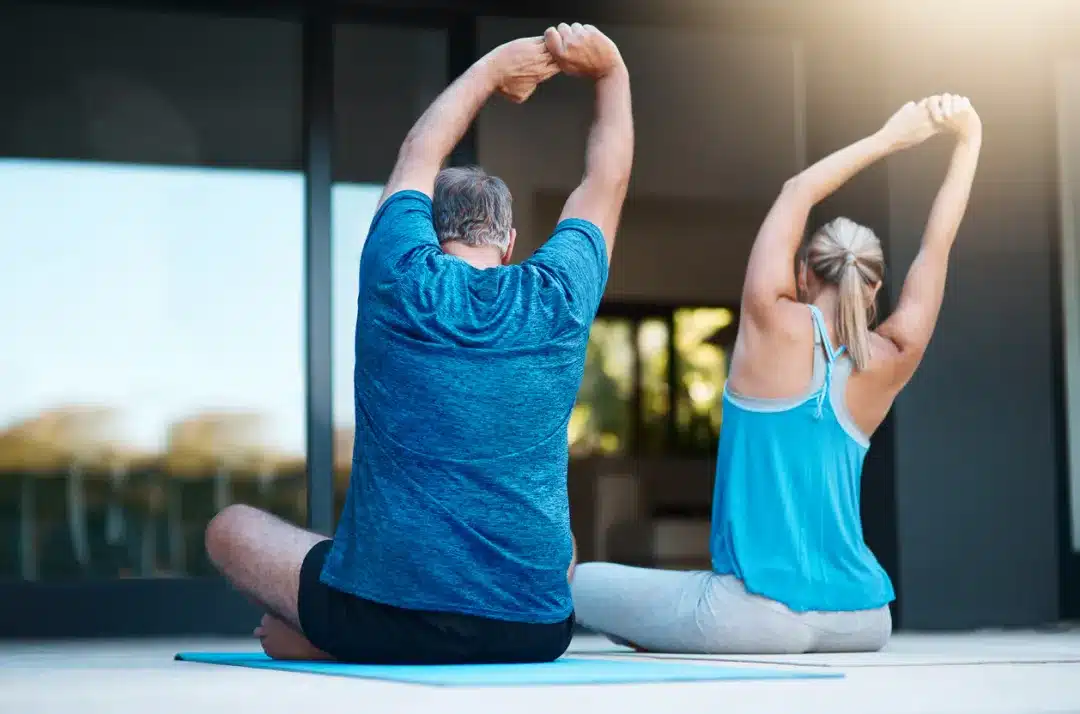
Flexibility and balance activities include stretching, yoga, tai chi, and dance, improving range of motion, coordination, and preventing falls. Everyday activities that count include walking or cycling for transport, active household chores like cleaning or gardening, occupational activities requiring movement, active play for children, and taking stairs instead of elevators.
Like nutrition and avoiding tobacco, physical activity represents a fundamental pillar of health that everyone can control regardless of age, ability, or economic status.
WHO Recommendations
WHO provides age-specific physical activity recommendations based on extensive scientific evidence. For children and adolescents aged 5-17 years, WHO recommends at least 60 minutes of moderate-to-vigorous intensity physical activity daily. Most should be aerobic activity like running, cycling, or sports. Vigorous-intensity activities including running and sports should occur at least 3 days per week. Activities strengthening muscle and bone should occur at least 3 days per week. More than 60 minutes provides additional health benefits.
For adults aged 18-64 years, recommendations include at least 150-300 minutes of moderate-intensity aerobic activity weekly, or at least 75-150 minutes of vigorous-intensity aerobic activity weekly, or equivalent combinations. Muscle-strengthening activities involving all major muscle groups should occur on 2 or more days weekly. More activity provides greater health benefits.
For older adults aged 65+ years, the same recommendations apply as for adults, plus multicomponent physical activity emphasizing functional balance and strength training on 3 or more days weekly to prevent falls. For pregnant and postpartum women, at least 150 minutes of moderate-intensity aerobic activity weekly provides benefits for mother and baby. For people living with chronic conditions or disabilities, recommendations should be adapted to abilities, but physical activity remains beneficial and safe for most.
Moderate-intensity activity means breathing harder than normal but still able to talk—brisk walking, recreational swimming, cycling on level ground, or active play. Vigorous-intensity means breathing much harder, unable to say more than a few words without pausing—running, fast cycling, aerobic dancing, or competitive sports. Like preventing obesity and noncommunicable diseases, meeting physical activity guidelines dramatically reduces health risks.
Health Benefits of Physical Activity
Regular physical activity provides comprehensive health benefits across body systems. For cardiovascular health, physical activity strengthens the heart muscle, lowers blood pressure, improves cholesterol levels (increasing “good” HDL cholesterol, decreasing “bad” LDL cholesterol and triglycerides), reduces risk of heart disease and stroke by up to 35%, and improves blood circulation throughout the body.
Metabolic benefits include helping control blood sugar levels and reducing diabetes risk by 30-40%, supporting healthy weight maintenance by burning calories and building metabolism-boosting muscle, improving insulin sensitivity, and reducing visceral fat (dangerous fat around organs). Musculoskeletal benefits involve building and maintaining muscle mass and strength, increasing bone density and reducing osteoporosis risk, improving flexibility and range of motion, strengthening joints and reducing arthritis pain, and improving balance and coordination, preventing falls in older adults.
Cancer prevention studies show physical activity reduces risks of several cancers including colon cancer (by 30%), breast cancer (by 20%), endometrial cancer, and possibly lung and prostate cancers. Mental health benefits are substantial—reducing symptoms of depression and anxiety, improving mood and emotional wellbeing, reducing stress and improving stress management, improving sleep quality, enhancing cognitive function and memory, and reducing dementia risk in older adults.
For children and adolescents specifically, physical activity supports healthy growth and development, builds strong bones and muscles, maintains healthy weight, improves concentration and academic performance, develops social skills through team activities, and establishes healthy habits for life. Like maternal health and newborn health, physical activity throughout life builds foundations for long-term wellbeing.
The Global Inactivity Crisis
Despite these well-documented benefits, physical inactivity has reached epidemic levels globally. WHO estimates that 1 in 4 adults (28%) and 4 out of 5 adolescents (81%) don’t meet recommended physical activity levels. In some countries, inactivity rates exceed 50% of the population. This represents one of the leading risk factors for death worldwide, contributing to approximately 3.2 million deaths annually.
Multiple factors drive this inactivity epidemic. Modern environments discourage movement through car-dependent urban planning with limited sidewalks or bike lanes, unsafe neighborhoods where walking or outdoor play feels dangerous, lack of parks and recreational facilities, particularly in poor neighborhoods, and built environments designed for cars rather than pedestrians or cyclists.
Technology and lifestyle changes have reduced activity through sedentary jobs requiring prolonged sitting at computers, screen-based entertainment (television, computers, phones, video games), labor-saving devices reducing household activity, and reduced physical education in schools due to academic pressures. Socioeconomic factors include poverty limiting access to recreational facilities, gyms, or safe areas for activity, long work hours leaving insufficient time for exercise, caregiving responsibilities limiting personal time, and cultural norms that don’t prioritize physical activity.
For children specifically, reduced outdoor play due to safety concerns, increased screen time replacing active play, cuts to school physical education programs, and overscheduled days leaving little free play time have contributed to alarming inactivity levels. Like challenges in oral health and patient safety, addressing physical inactivity requires systematic environmental and policy changes, not just individual behavior change.
Overcoming Barriers to Physical Activity
Despite barriers, increasing physical activity is achievable through various strategies. Start small—even 10-minute activity bouts provide benefits. Gradually increase duration and intensity over weeks and months. Make it enjoyable by choosing activities you like—dancing, sports, swimming, hiking, or active games make exercise fun rather than a chore.
Incorporate activity into daily routines through walking or cycling for transport instead of driving, taking stairs instead of elevators, walking during lunch breaks or while talking on the phone, doing active household chores, and playing actively with children or pets. Social support helps—exercise with friends, family, or join classes or teams for motivation and accountability.
Set realistic goals based on current fitness levels, track progress to maintain motivation, and celebrate achievements. Address specific barriers—if unsafe neighborhoods prevent outdoor activity, explore indoor options like home workouts, mall walking, or gyms. If time is limited, split activity into shorter sessions throughout the day. If cost is prohibitive, focus on free activities like walking, running, home exercises, or community programs.
For children, limit screen time (WHO recommends no more than 1-2 hours daily for children), provide opportunities for active play, encourage family activities like walks or bike rides, support participation in sports or dance, and ensure schools provide adequate physical education.
Amir’s Transformation
Six months after his concerning checkup, Amir has transformed his lifestyle with his family’s support. His parents now walk him to school instead of driving—a 20-minute walk each way. At school, he joined the soccer team, practicing three times weekly. At home, his parents limited screen time to one hour daily on weekdays, two hours on weekends. The family takes evening walks together and plays active games on weekends.
“I feel so much better now,” Amir reports enthusiastically. “I have more energy, I sleep better, and I’m actually enjoying being active. Soccer is really fun, and I’ve made new friends on the team. My parents say my school performance has improved too—I can concentrate better in class.”
Dr. Hassan confirms the improvements: “Amir’s weight has stabilized, his blood pressure normalized, and his metabolic markers improved significantly. These changes happened simply by incorporating regular physical activity into his daily routine. Amir’s story demonstrates that physical activity doesn’t require expensive equipment or gym memberships—it requires commitment to moving regularly.”
Dr. Hassan emphasizes broader implications: “Physical inactivity is killing millions globally through heart disease, diabetes, cancer, and other preventable conditions. Yet increasing physical activity requires more than telling individuals to exercise. We need supportive environments—safe sidewalks and bike lanes, accessible parks and recreational facilities, physical education in schools, workplaces supporting active commuting and movement breaks, and urban planning prioritizing pedestrians and cyclists over cars. We need policy changes—mandatory physical education, restrictions on screen time marketing to children, and investments in active transportation infrastructure. We need cultural shifts—valuing movement, reducing stigma around body size and fitness levels, and recognizing physical activity as essential medicine. Every person deserves opportunities for regular physical activity regardless of age, ability, income, or location. When we create environments and policies supporting active living, we prevent disease, extend lives, improve wellbeing, and build healthier societies. Movement isn’t optional—it’s fundamental to human health.”
Frequently Asked Questions (FAQs)
WHO recommends age-specific amounts: Children and adolescents (5-17 years) need at least 60 minutes of moderate-to-vigorous activity daily, mostly aerobic, plus muscle and bone-strengthening activities at least 3 days weekly. Adults (18-64 years) need 150-300 minutes of moderate-intensity or 75-150 minutes of vigorous-intensity aerobic activity weekly, plus muscle-strengthening activities 2+ days weekly. Older adults (65+) follow adult recommendations plus balance and strength training 3+ days weekly. Pregnant women need 150 minutes of moderate-intensity activity weekly. More activity provides additional benefits, but even small amounts help—10-minute sessions count, and any activity is better than none.
Physical activity includes any bodily movement requiring energy: Aerobic activities (walking, running, cycling, swimming, dancing, sports), muscle-strengthening (lifting weights, push-ups, resistance exercises), bone-strengthening (jumping, running, sports), flexibility/balance (yoga, tai chi, stretching), everyday activities (walking for transport, active household chores, gardening, taking stairs, active play), and occupational activities requiring movement. It doesn’t require gym memberships or special equipment—walking, dancing, household chores, and active play all count.
Regular physical activity: reduces heart disease and stroke risk by 35%, reduces diabetes risk by 30-40%, helps control weight and prevents obesity, lowers blood pressure and improves cholesterol, reduces colon cancer risk by 30% and breast cancer by 20%, strengthens bones and muscles, improves balance and prevents falls, reduces depression and anxiety, improves mood and sleep, enhances cognitive function and reduces dementia risk, increases energy and overall quality of life. For children, it supports healthy growth, academic performance, and establishes lifelong healthy habits. These benefits occur regardless of age, gender, or current fitness level.
Physical activity benefits almost everyone and can be adapted to abilities. People with chronic conditions, disabilities, or health limitations should: consult healthcare providers about safe activity types and amounts, start with small amounts and gradually increase, choose activities matching abilities and interests, use adaptive equipment or modifications as needed, focus on what you can do rather than limitations. Even small amounts provide benefits—any activity is better than none. WHO emphasizes that physical activity recommendations are adaptable, and most people with health conditions can safely engage in some physical activity with appropriate guidance.
Common barriers and solutions: Lack of time—split activity into 10-minute sessions throughout the day, incorporate movement into daily routines (walking for transport, taking stairs), combine social time with activity. Limited money—choose free activities (walking, running, home exercises, community programs), use online free workout videos. Unsafe neighborhoods—explore indoor options (mall walking, home workouts, gyms), find safe parks or trails, exercise with others. Low motivation—choose enjoyable activities, exercise with friends for accountability, set realistic goals and track progress, focus on how you feel rather than appearance. Lack of knowledge—consult healthcare providers, seek guidance from qualified instructors, start with simple activities like walking.
References
-
- World Health Organization. (2024). Physical activity. Retrieved from https://www.who.int/health-topics/physical-activity
- World Health Organization. (2022). Physical activity – Fact Sheet. Retrieved from https://www.who.int/news-room/fact-sheets/detail/physical-activity
- World Health Organization. (2020). WHO guidelines on physical activity and sedentary behaviour. Retrieved from https://www.who.int/publications/i/item/9789240015128
- Observer Voice. Nutrition: The Foundation of Health and Life. Retrieved from https://observervoice.com/nutrition-malnutrition-healthy-diet-who/
Disclaimer: This article is an adaptation of publicly available information from WHO’s Physical Activity
health topic page (WHO, Geneva. Licence: CC BYNC-SA 3.0 IGO). WHO is not responsible for the
content or accuracy of this adaptation. This content is for informational and educational purposes
only and does not constitute medical advice. ObserverVoice.com is a news and information platform
— not a healthcare provider.
Observer Voice is the one stop site for National, International news, Sports, Editor’s Choice, Art/culture contents, Quotes and much more. We also cover historical contents. Historical contents includes World History, Indian History, and what happened today. The website also covers Entertainment across the India and World.

