

Kawasaki Disease: The Childhood Vasculitis That Can Cause Heart Aneurysms

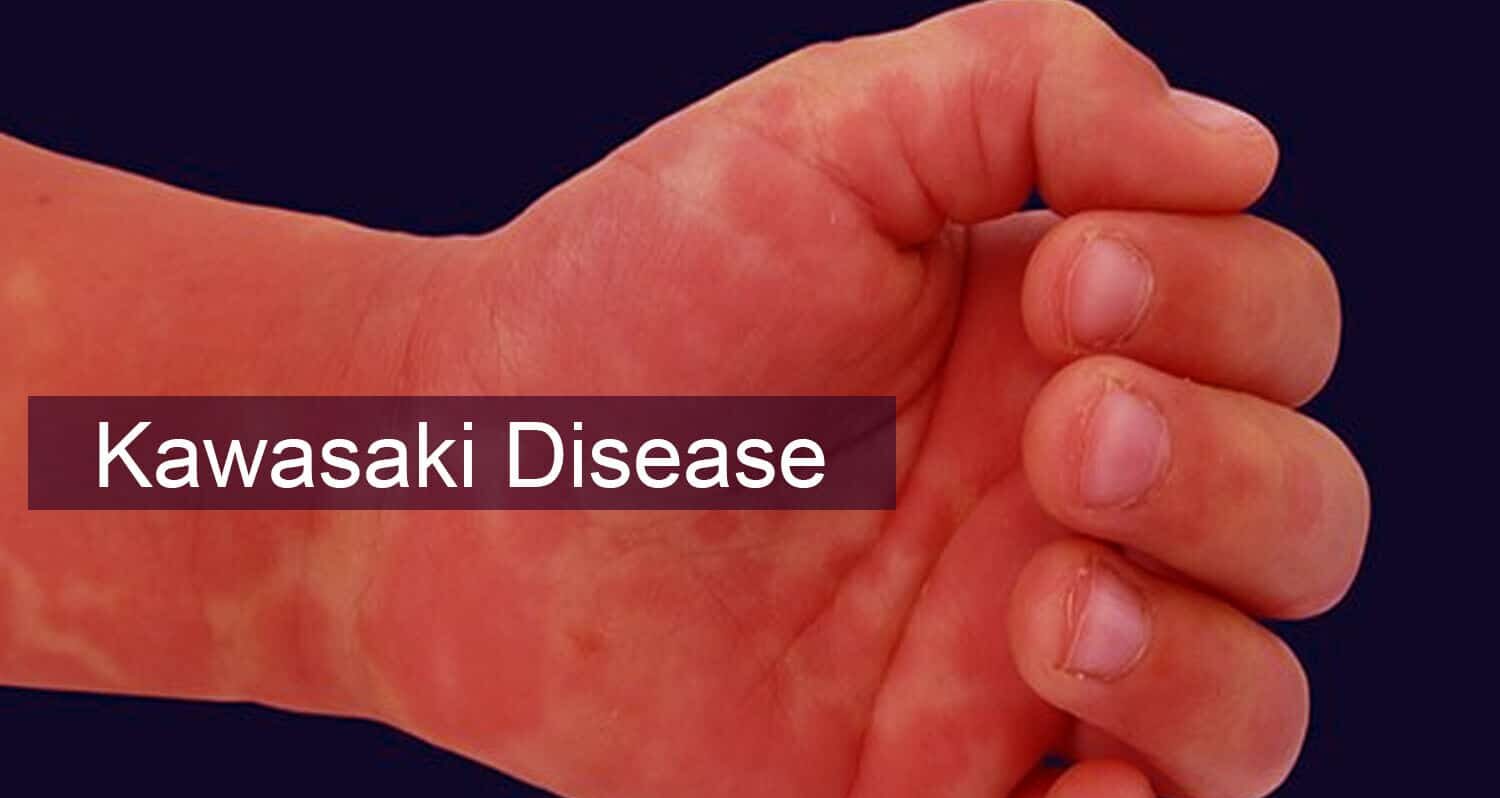
Most parents know to worry about childhood fevers. But when a high fever persists for five or more days alongside a striking constellation of other symptoms — rash, red eyes, swollen lips, and peeling fingers — something far more serious than a routine infection may be unfolding. Kawasaki disease is a rare but potentially life-altering condition that demands prompt recognition and urgent treatment.
Despite being the leading cause of acquired heart disease in children in high-income countries, Kawasaki disease remains widely underrecognised outside specialist paediatric circles. Without timely intervention, it can permanently damage the coronary arteries — the vessels that supply the heart muscle itself. Understanding this condition could save a child’s life.
What Is Kawasaki Disease?
Kawasaki disease is an acute inflammatory condition affecting medium-sized blood vessels throughout the body. It belongs to the vasculitis family — diseases characterised by blood vessel inflammation — but carries a distinct clinical profile that sets it apart from other vasculitides. Its most dangerous consequence is inflammation of the coronary arteries, which can lead to the formation of coronary artery aneurysms.
How the Disease Was Discovered
Japanese paediatrician Tomisaku Kawasaki first described this condition in 1967, reporting a series of children with prolonged fever, rash, and characteristic mucocutaneous changes. Initially called mucocutaneous lymph node syndrome, the condition was renamed Kawasaki disease in recognition of its discoverer.
Early observers noted that most children recovered fully. However, subsequent studies revealed that a significant minority developed coronary artery abnormalities, including life-threatening aneurysms that could cause heart attacks even in young children. This discovery transformed medical understanding of the condition’s severity.
Why Coronary Arteries Are Vulnerable
During acute Kawasaki disease, the immune system launches an intense inflammatory response targeting medium-sized blood vessels. The coronary arteries — which are precisely medium-sized vessels — bear the brunt of this vascular inflammation. Without treatment, approximately 25% of children develop coronary artery abnormalities. With prompt treatment, this risk drops to below 5%, underscoring how critical early intervention is.
Who Gets Kawasaki Disease?
Kawasaki disease occurs worldwide, but its incidence varies markedly by geography, ethnicity, and age. Understanding who is most vulnerable guides clinical vigilance and parental awareness.
Age and Sex Distribution
Kawasaki disease predominantly affects young children, with approximately 80% of cases occurring in children under five years of age. The peak incidence falls between one and two years of age. Boys develop the condition roughly 1.5 times more often than girls, and boys also face a higher risk of coronary artery complications.
Infants under six months of age and older children above eight years carry a disproportionately high risk of coronary artery aneurysms when they develop Kawasaki disease. Clinicians must maintain especially high vigilance in these age groups.
Geographic and Ethnic Patterns
Japan records the highest incidence of Kawasaki disease globally, with approximately 300 cases per 100,000 children under five years annually. Korea and Taiwan also report high incidence rates. Children of Asian or Asian-Pacific heritage face significantly elevated risk compared to children of European or African descent, regardless of the country they live in.
This ethnic pattern, alongside the geographic clustering of cases, strongly suggests that genetic factors influence susceptibility to Kawasaki disease.
Seasonal and Epidemic Patterns
Kawasaki disease shows seasonal clustering, with incidence peaks in winter and spring in Japan and the United States. Community-wide outbreaks have been documented, with cases appearing to travel geographically consistent with wind patterns — observations that have fuelled longstanding theories about airborne infectious triggers. These epidemiological patterns offer important clues about the disease’s elusive underlying cause.
What Causes Kawasaki Disease?
Despite more than five decades of research, the precise cause of Kawasaki disease remains unknown. This remains one of the most significant unsolved questions in paediatric medicine.
The Infectious Trigger Hypothesis
The clinical presentation of Kawasaki disease — acute fever, mucocutaneous changes, and lymphadenopathy — closely resembles an infectious illness. Most researchers believe an infectious trigger activates an abnormal immune response in genetically susceptible children. Numerous pathogens have been proposed over the years, including Epstein-Barr virus, adenovirus, coronavirus species, Staphylococcus aureus toxins, and Candida species.
None has been definitively confirmed as the causative agent. The condition does not spread person-to-person, arguing against direct contagion and supporting the theory of an environmental trigger that activates immune dysregulation in susceptible hosts.
Genetic Susceptibility
Genetic factors meaningfully influence Kawasaki disease risk. Children with a sibling who has had Kawasaki disease carry a tenfold higher risk than the general population. Children of parents who had Kawasaki disease in childhood also show elevated risk.
Genome-wide association studies have identified multiple gene variants associated with Kawasaki disease susceptibility, including variants affecting immune cell activation, vascular wall integrity, and cytokine signalling pathways. The inositol 1,4,5-trisphosphate 3-kinase C (ITPKC) gene variant, more prevalent in Japanese populations, influences T cell activation and correlates with disease risk and coronary artery outcomes.
The Immune Response
Regardless of the initial trigger, the resulting immune response in Kawasaki disease is highly characteristic. Activated T cells, macrophages, and neutrophils infiltrate blood vessel walls, releasing inflammatory cytokines including interleukin-1, interleukin-6, and tumour necrosis factor-alpha. This cytokine storm drives the systemic inflammation and vascular damage that define the acute disease phase.
Recognising the Symptoms of Kawasaki Disease
Kawasaki disease produces a constellation of clinical features that, taken together, are highly characteristic. Recognising this pattern promptly is critical.
The Diagnostic Criteria Features
Classic Kawasaki disease diagnosis requires fever lasting five or more days alongside at least four of five principal features. These features form a recognisable pattern that distinguishes Kawasaki disease from other febrile illnesses of childhood.
Understanding each feature in plain language helps parents and clinicians recognise the condition early, before coronary damage can develop.
Fever
Persistent high fever — typically above 38.5°C (101.3°F) — is the defining hallmark of Kawasaki disease. This fever is characteristically unresponsive to standard antipyretic medications such as paracetamol or ibuprofen, and continues for five or more days without a clear infectious source. The persistent, treatment-resistant nature of this fever distinguishes it from the fever of common childhood infections.
Eye Changes
Bilateral conjunctival injection — redness of the whites of both eyes — appears early in Kawasaki disease. Importantly, this redness occurs without discharge, crusting, or tearing, distinguishing it from infectious conjunctivitis. The redness typically spares the area immediately around the iris, creating a characteristic limbal sparing pattern.
Mouth and Lip Changes
The mouth and lips show striking changes in Kawasaki disease. The lips become cracked, red, and swollen — sometimes bleeding from the dryness and inflammation. The tongue develops a characteristic appearance called strawberry tongue, where prominent red papillae project through a bright red background, closely resembling a strawberry surface.
Redness of the throat and oral mucosa occurs without the ulcers or exudate that characterise streptococcal throat infection.
Rash
A polymorphous rash — meaning it takes various forms across different body areas — typically appears during the first week of illness. The rash commonly affects the trunk, limbs, and groin area. It may resemble a viral exanthem, scarlet fever, or urticarial rash, without blistering or vesicles.
The rash often involves the nappy area in infants, causing early redness and skin peeling in that region before other features become prominent. Recognising nappy area involvement as an early Kawasaki feature can help accelerate diagnosis in very young children.
Hand and Foot Changes
The hands and feet show a distinctive two-stage pattern of changes. During the acute phase, the palms and soles turn red and the fingers and toes swell with a firm, non-pitting quality. Later, typically in the second or third week of illness, characteristic peeling begins around the fingertips and toenails — a feature called periungual desquamation.
This late peeling is highly characteristic of Kawasaki disease and can assist retrospective diagnosis in children who present after the acute phase has partly resolved.
Lymph Node Swelling
Cervical lymphadenopathy — swelling of lymph nodes in the neck — occurs in approximately 50–75% of children with Kawasaki disease. Typically, one or more nodes exceed 1.5 cm in diameter. This feature is actually the least consistently present of the five principal diagnostic features.
Importantly, the lymph node swelling in Kawasaki disease is usually non-tender and located in the anterior cervical region, distinguishing it somewhat from the tender lymphadenopathy of bacterial throat infections.
Incomplete and Atypical Kawasaki Disease
Not all children with Kawasaki disease present with the full classic picture. Incomplete Kawasaki disease — also called atypical Kawasaki disease — poses a significant diagnostic challenge and carries equal or greater risk of coronary complications.
Defining Incomplete Kawasaki Disease
Incomplete Kawasaki disease describes cases where children have prolonged fever but fewer than four of the five principal diagnostic features. This presentation is more common in infants under twelve months of age — precisely the group at highest coronary risk. Paradoxically, these children often experience the most severe cardiac complications because delayed recognition delays treatment.
Clinicians should maintain a high suspicion for Kawasaki disease in any infant with unexplained prolonged fever, even in the absence of classic features.
Laboratory Clues
When the clinical picture is incomplete, laboratory findings and echocardiographic evidence support the diagnosis. Elevated white cell count, raised C-reactive protein and erythrocyte sedimentation rate, anaemia, elevated platelet count — particularly rising in the second week — and elevated liver enzymes all point toward Kawasaki disease in the right clinical context.
Echocardiography showing coronary artery dilation or aneurysm in a febrile child virtually confirms the diagnosis, even without full clinical criteria being met.
Diagnosing Kawasaki Disease
Kawasaki disease diagnosis rests on clinical recognition supported by laboratory and echocardiographic findings. No single confirmatory test exists.
Laboratory Investigations
Blood tests in Kawasaki disease show a characteristic inflammatory profile. Elevated white blood cell count with a neutrophil predominance reflects acute inflammation. Markedly raised C-reactive protein and erythrocyte sedimentation rate confirm systemic inflammatory activity.
Thrombocytosis — a rising platelet count, often exceeding 450,000 per microlitre — typically appears in the second or third week of illness and represents a particularly characteristic laboratory hallmark. Elevated liver enzymes, low albumin, mild anaemia, and sterile pyuria — white cells in urine without bacterial infection — are additional supportive findings.
Echocardiography
Echocardiography is the essential cardiac investigation in Kawasaki disease. It visualises the coronary arteries and detects aneurysm formation, measuring the diameter of the coronary vessels and comparing them against body surface area-adjusted reference values. An echocardiogram should be performed at diagnosis, at two weeks, and at six to eight weeks after illness onset regardless of clinical response to treatment.
Echocardiography also evaluates heart muscle function, pericardial effusion, and valve abnormalities that can complicate acute Kawasaki disease.
Coronary Artery Aneurysm Classification
Coronary artery aneurysms in Kawasaki disease are classified by size. Small aneurysms measure less than 5 mm in internal diameter. Medium aneurysms range from 5 to 8 mm. Giant aneurysms — the highest-risk category — measure 8 mm or greater. Giant aneurysms carry substantial risks of thrombosis, coronary artery occlusion, and myocardial infarction, requiring long-term anticoagulation and specialist cardiac follow-up.
Treatment of Kawasaki Disease
Prompt treatment during the acute phase dramatically reduces the risk of coronary artery aneurysm formation. The cornerstone of therapy combines intravenous immunoglobulin and aspirin.
Intravenous Immunoglobulin
Intravenous immunoglobulin (IVIG) — a preparation of pooled human antibodies — is the primary treatment for Kawasaki disease. Administered as a single high-dose infusion of 2 g per kilogram body weight, IVIG rapidly reduces fever and systemic inflammation. When given within the first ten days of fever onset, IVIG reduces coronary aneurysm risk from approximately 25% to below 5%.
The exact mechanism by which IVIG suppresses Kawasaki disease inflammation is not fully understood. Current theories involve neutralisation of pathogenic antibodies, modulation of immune cell activation, and anti-inflammatory cytokine effects.
Aspirin Therapy
Aspirin plays a dual role in Kawasaki disease management. During the acute phase, high-dose aspirin — typically 30–50 mg per kilogram per day — provides anti-inflammatory and antipyretic effects alongside IVIG. Once fever resolves, the dose reduces to a low antiplatelet dose — 3–5 mg per kilogram per day — continued for six to eight weeks to reduce thrombosis risk within inflamed coronary vessels.
Children with coronary artery aneurysms continue low-dose aspirin indefinitely until aneurysm resolution is confirmed. In children with giant aneurysms, aspirin combines with anticoagulant therapy for more robust protection.
IVIG-Resistant Kawasaki Disease
Approximately 10–15% of children fail to respond to initial IVIG treatment, with fever persisting or recurring after 36 hours. These children carry a higher risk of coronary aneurysm formation and require additional treatment. A second IVIG infusion is the standard next step.
Corticosteroids — particularly methylprednisolone — are increasingly used alongside or instead of a second IVIG dose in resistant cases. Infliximab, a TNF-alpha inhibitor, has shown efficacy in some IVIG-resistant patients. Cyclosporine represents another emerging option for refractory disease based on its mechanism of T cell suppression.
Coronary Artery Aneurysms: The Most Serious Complication
Coronary artery aneurysms represent the most feared complication of Kawasaki disease and the primary driver of long-term morbidity and mortality.
How Aneurysms Form
Intense coronary arteritis during acute Kawasaki disease weakens the arterial wall. The internal elastic lamina — the structural framework of the vessel wall — breaks down under inflammatory attack, allowing the weakened wall to balloon outward. This outpouching is an aneurysm, and it disrupts normal blood flow, creating turbulence that promotes clot formation within the vessel.
Giant coronary aneurysms carry the highest risk of thrombosis — clot formation — that can suddenly block blood flow to the heart muscle, causing a myocardial infarction even in a young child.
Long-Term Aneurysm Outcomes
Most small and medium aneurysms resolve spontaneously within two years of acute illness as the inflammatory process settles and the vessel wall heals. However, even regressed aneurysms may leave behind arterial wall abnormalities including intimal thickening and abnormal vascular reactivity that persist into adult life.
Giant aneurysms rarely resolve completely and require lifelong specialist cardiology follow-up. Adults who had giant coronary aneurysms during childhood Kawasaki disease face ongoing risks of premature coronary artery disease, stenosis, and myocardial infarction throughout their lives.
Surveillance and Long-Term Management
Children with coronary aneurysms require regular echocardiographic surveillance and, in some cases, advanced imaging with CT coronary angiography or cardiac MRI. Stress testing assesses for myocardial ischaemia — inadequate blood supply to the heart muscle during exertion.
Activity restrictions during the acute and subacute phases protect the heart while healing proceeds. Long-term activity guidance depends on aneurysm status, with most children without residual aneurysms returning to full normal activity after six to eight weeks.
Living With Kawasaki Disease: Long-Term Outlook
The long-term outlook for children with Kawasaki disease depends substantially on whether coronary artery complications developed and their severity.
Children Without Coronary Involvement
The vast majority of children who receive prompt treatment and do not develop coronary artery aneurysms recover fully. They require a single follow-up echocardiogram at six to eight weeks to confirm the absence of coronary changes. These children generally face no long-term cardiac restrictions and return completely to normal childhood activities.
Children With Resolved Aneurysms
Children whose small or medium aneurysms resolve within two years may still face subtle long-term vascular risks. Research suggests that previously aneurysmal coronary segments may show abnormal endothelial function — reduced ability of the vessel inner lining to regulate blood flow — and increased arterial stiffness compared to children who never developed aneurysms.
Ongoing cardiovascular health promotion — including healthy diet, regular exercise, avoiding smoking, and blood pressure monitoring — forms an important part of long-term care for these individuals.
Children With Persistent Giant Aneurysms
Children with giant coronary aneurysms face the most challenging long-term course. They require lifelong anticoagulation therapy, regular cardiology follow-up, potential coronary intervention or bypass surgery in adult life, and careful management of cardiovascular risk factors. Despite these challenges, many adults with childhood Kawasaki disease and residual coronary disease lead full and meaningful lives under specialist supervision.
Frequently Asked Questions
How long does Kawasaki disease last?
The acute phase of Kawasaki disease typically lasts one to two weeks, though fever can persist for several weeks without treatment. With IVIG treatment, most children defervesce — meaning their fever resolves — within 24 to 48 hours. The subacute phase follows, lasting until approximately four to six weeks from onset, during which platelet counts rise and coronary aneurysms may develop or progress. A convalescent phase then continues until inflammatory markers normalise, typically by six to eight weeks.
Can Kawasaki disease recur?
Kawasaki disease can recur, though recurrence is uncommon, affecting approximately 1–3% of children in Japan and a lower proportion in Western countries. Children who experienced coronary complications during their first episode carry a higher risk of significant cardiac involvement if recurrence occurs. Parents of children who have had Kawasaki disease should seek prompt medical evaluation if the child develops a prolonged unexplained fever in the future.
Is Kawasaki disease contagious?
Kawasaki disease does not spread directly from person to person. Although an infectious trigger is strongly suspected, the condition itself is not contagious in the conventional sense. Siblings and classmates of affected children do not require isolation or specific preventive measures. However, the modestly elevated familial recurrence risk suggests that genetic susceptibility to a common environmental trigger may cluster within families.
Can adults get Kawasaki disease?
Kawasaki disease very rarely affects adults. Occasional adult cases have been reported, typically presenting with similar clinical features to childhood disease but often with more prominent lymphadenopathy and less prominent conjunctivitis and rash. Adult Kawasaki disease appears to carry a lower risk of coronary aneurysm than childhood disease, though the evidence base is limited to case series and small studies. The diagnosis requires careful exclusion of other conditions that more commonly cause similar features in adults.
What is the relationship between Kawasaki disease and MIS-C?
Multisystem inflammatory syndrome in children (MIS-C) — also called paediatric inflammatory multisystem syndrome (PIMS-TS) — emerged as a serious complication of COVID-19 infection in children. MIS-C shares several features with Kawasaki disease, including fever, rash, conjunctivitis, and in some cases coronary artery involvement. However, MIS-C typically affects older children, more commonly causes profound cardiac dysfunction, and occurs two to six weeks after COVID-19 infection. The conditions are distinct but share overlapping immunological mechanisms, and some children with MIS-C meet diagnostic criteria for Kawasaki disease.
When can a child return to sports after Kawasaki disease?
Children without coronary artery involvement can typically return to all physical activities, including competitive sports, after six to eight weeks from disease onset when inflammatory markers have normalised. Children with small to medium aneurysms require individualised guidance based on follow-up echocardiographic findings. Those with giant aneurysms or ongoing anticoagulation therapy need careful specialist assessment before resuming contact sports or high-intensity exercise, as the risk of bleeding or coronary events requires specific risk stratification.
Conclusion
Kawasaki disease is a remarkable and sobering reminder that serious cardiovascular disease can strike at any age — even in a toddler who seems otherwise healthy. Its dramatic clinical features demand recognition, and its cardiac complications demand respect. The good news is that treatment works powerfully when started early, protecting the vast majority of children from permanent heart damage.
Every parent, paediatrician, and general practitioner should know the cardinal features of Kawasaki disease. A persistent fever beyond five days in a young child, especially accompanied by red eyes, rash, swollen lips, or peeling fingers, should prompt immediate medical evaluation. Acting swiftly protects the coronary arteries, preserves the heart, and gives every affected child the best possible chance of a long, healthy life.
References
- A cardiac arrest, sometimes called a sudden cardiac arrest, is when the heart stops beating, or put another way, stops working as an effective pump.
- Connective tissue is exactly what it sounds like—tissue that connects, supports, and holds together all the organs and structures in your body.
- The scan ruled that out, but it also showed something unexpected: calcium buildup in the walls of the coronary arteries.
- Diagnosing Ehlers-Danlos syndrome requires characteristic clinical features, Beighton score assessment, and genetic testing when available confirming EDS subtype.
- In 2022 the top five conditions involved in deaths in Australia were coronary heart disease (20% of deaths), dementia (18%), hypertension, or high blood pressure (12%), cerebrovascular disease such as stroke (11.5%), and diabetes (11.4%).
Disclaimer:
This article is for general informational purposes only and does not constitute medical advice. Always consult a qualified healthcare professional or paediatrician for personalised diagnosis, treatment, or health guidance regarding your child.
Observer Voice is the one stop site for National, International news, Sports, Editor’s Choice, Art/culture contents, Quotes and much more. We also cover historical contents. Historical contents includes World History, Indian History, and what happened today. The website also covers Entertainment across the India and World.

