

India Stands Firm on Agriculture in US Trade Talks, Aiming for Tariff Advantage Before Finalizing Agreement

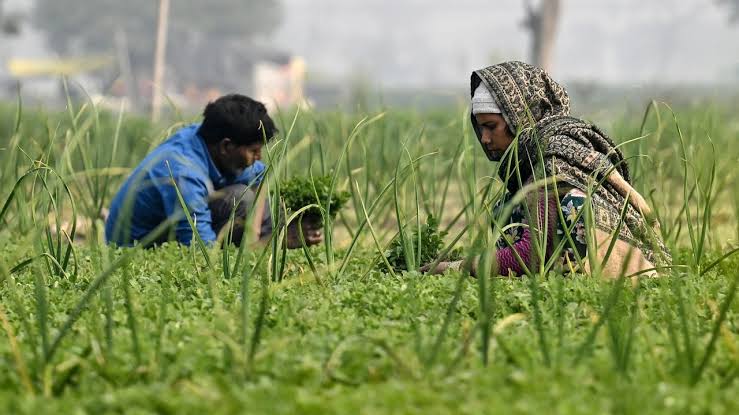
India is resisting pressure from the United States to finalize a swift trade agreement, opting instead to negotiate for more favorable terms. Despite months of discussions, an interim trade pact was not reached during US Trade Representative Jamieson Greer’s recent visit to New Delhi. Key demands from India, including tariff advantages over competitors like China and assurances against new US levies, were not met, leading to stalled negotiations.
Negotiation Stalemate
An Indian government official stated that India will not rush into a deal that does not meet its terms, particularly regarding agriculture. The United States is seeking quicker trade concessions as President Donald Trump prepares to implement new tariffs. India’s refusal to accept a hurried agreement could result in higher US duties on its exports and increased uncertainty for businesses.
Union Minister Piyush Goyal emphasized that any agreement with the US must provide clear benefits for India. Currently, most Indian exports to the US face a 10% tariff, with the Trump administration expected to announce higher duties soon. India has rejected US claims of surplus industrial capacity, which are part of the rationale for the proposed tariffs.
Ongoing Engagement
A US source involved in the negotiations indicated that Washington believes India must make concessions to receive the preferential trade treatment it seeks. While a US official noted that negotiations have been slow and bureaucratic, they expressed hope for an eventual agreement, although no timeline has been established. White House spokesperson Kush Desai reiterated the administration’s commitment to engaging with Indian officials to finalize a historic trade deal.
India’s Economic Position
Trade experts suggest that India’s improving economic indicators have bolstered its negotiating stance. Goods exports rose approximately 15% year-on-year during April to June, aided by increased petroleum shipments. Exports to Gulf countries have rebounded, and shipments to the US reached $17.29 billion in April and May.
India is also expanding access to other markets, with a free trade agreement with the United Kingdom set to take effect this month and ongoing negotiations for a trade pact with the European Union. Goldman Sachs has raised India’s growth forecast for 2026 to 6.8%, citing reduced pressure from oil prices and a weaker rupee, which enhances the competitiveness of Indian exporters.
Legal and Political Challenges
India is considering the potential legal and political challenges to proposed US trade measures. A coalition of 22 Democratic state attorneys general has already contested the Trump administration’s proposed tariffs linked to forced labor investigations. Indian officials argue that the US Trade Representative has not provided adequate evidence to support claims of unfair trade advantages related to forced labor.
Ajay Srivastava, founder of the Global Trade Research Initiative, stated that India has little incentive to rush into a deal. He noted that delaying or abandoning a hastily arranged agreement may be more prudent than committing to obligations that could impose greater costs than any temporary tariff relief.
Observer Voice is the one stop site for National, International news, Sports, Editor’s Choice, Art/culture contents, Quotes and much more. We also cover historical contents. Historical contents includes World History, Indian History, and what happened today. The website also covers Entertainment across the India and World.

