

Delhi’s Solitary African Elephant Shankar Dies from Rodent-Borne Virus

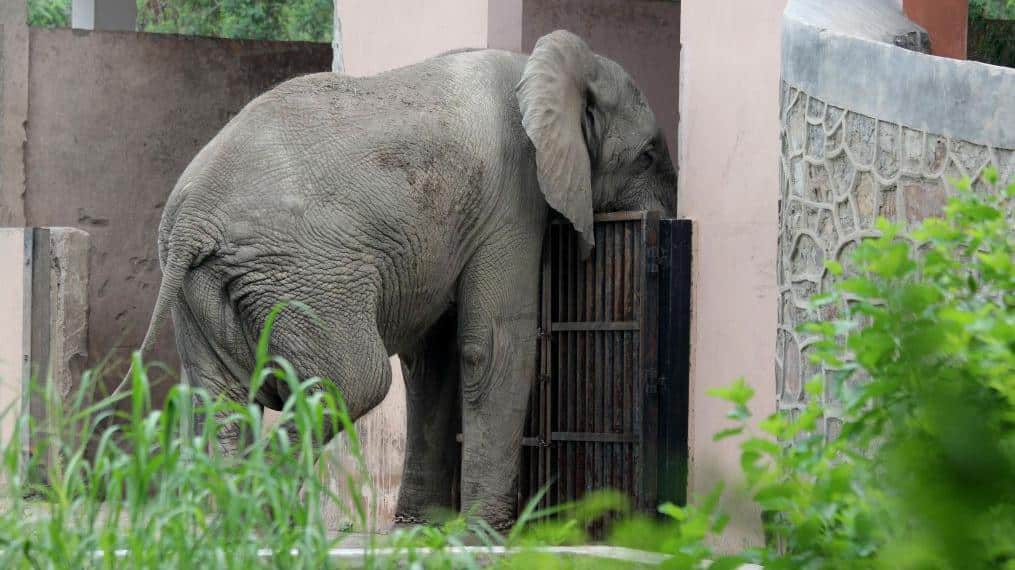
A tragic incident at the Delhi Zoo has resulted in the death of Shankar, the only African elephant in the facility. The 29-year-old elephant passed away on September 17, and an autopsy has since revealed that he was infected with the encephalomyocarditis virus (EMCV). This rodent-borne virus is known to cause severe inflammation of the heart and can lead to sudden death in mammals. Shankar’s death has reignited discussions about the welfare of elephants in captivity, particularly concerning their isolation and living conditions.
Details of Shankar’s Death
Shankar, who had spent most of his life in solitude, was initially thought to have died from unknown causes. However, the autopsy conducted by the Indian Veterinary Research Institute confirmed the presence of EMCV. This virus is transmitted through rodent feces and urine, and it has been linked to outbreaks primarily in captive animals, particularly in zoos and research facilities. The rapid replication of EMCV can lead to fatal heart and brain complications, and there is currently no specific antiviral treatment available.
The virus has a history of affecting various mammals, including pigs, rodents, and big cats, and was first isolated in 1945. Since then, outbreaks have been reported in several countries, including the United States and South Africa, where captive African elephants have been particularly vulnerable. Shankar’s case marks the first recorded death from EMCV in India, although officials acknowledge that there may have been unreported instances in the past.
Shankar’s Life and Isolation
Shankar arrived in India in 1998 as part of a diplomatic gift from Zimbabwe. He was initially accompanied by another African elephant, but that companion died in 2001. Following this loss, Shankar was temporarily housed with Asian elephants, but this arrangement did not succeed. In 2012, he was moved to a new enclosure that effectively isolated him, despite a federal ban on keeping elephants alone for extended periods.
Animal rights activists had long campaigned for Shankar’s relocation to a sanctuary where he could live among other African elephants. In 2021, a petition was filed in Delhi’s high court seeking his transfer to a wildlife sanctuary, but the court dismissed the request two years later, directing the petitioner to approach a committee responsible for animal transfers. Shankar’s solitary existence has drawn significant concern from animal lovers and activists, who have expressed sadness over his death.
The Future of African Elephants in India
With Shankar’s passing, only one African elephant remains in India, located at the Mysore Zoo in Karnataka. This elephant has also lived alone for many years, raising further questions about the treatment and welfare of elephants in captivity across the country. The plight of these animals highlights the ongoing challenges faced by zoos in providing adequate care and social environments for their residents.
The death of Shankar has sparked renewed calls for better regulations regarding the housing of elephants in captivity. Advocates argue that elephants are highly social creatures that thrive in herds, and solitary confinement can lead to severe psychological distress. The situation underscores the need for a reevaluation of animal welfare standards in Indian zoos, particularly for species that require social interaction to maintain their well-being.
Observer Voice is the one stop site for National, International news, Sports, Editor’s Choice, Art/culture contents, Quotes and much more. We also cover historical contents. Historical contents includes World History, Indian History, and what happened today. The website also covers Entertainment across the India and World.

