

RBI Anticipated to Raise Interest Rates: Will This Strategy Effectively Control Inflation?

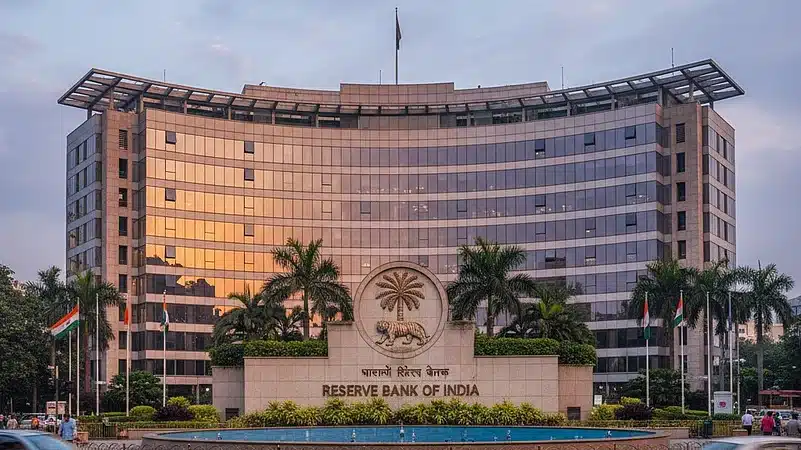
When the Reserve Bank of India’s (RBI) bulletin highlighted a “Broad-Based Uptick in CPI Headline Inflation” just days before its October Monetary Policy meeting, the likelihood of an interest rate hike became apparent. Consumer inflation rose to 4.8% in August, surpassing the RBI’s 4% target, primarily driven by food prices at 5.95% and a surge in Brent crude oil prices to $105 per barrel. This increase in crude prices is expected to impact the RBI’s inflation trajectory, with 40% of the Consumer Price Index (CPI) basket items now tracking above 4%, up from 32% in July.
The RBI’s own surveys indicate that household inflation expectations have been steadily rising since February. With a robust GDP growth of 7.8% in Q1 FY27 and resilient high-frequency indicators, the RBI has some leeway to prioritize inflation control without significantly hindering economic recovery. However, real interest rates are compressed to just 0.4% in August, compared to a pre-COVID average of 2.1%. This raises concerns about the potential for cheap credit to fuel inefficient economic booms, adding pressure for a tightening of monetary policy.
Despite the apparent case for a rate hike, a closer examination reveals a more fragile argument. The inflation trajectory has largely aligned with the RBI’s projections, and unless crude prices reset expectations durably, justifying a hike becomes challenging. The top ten contributing items to inflation account for about 50% of the August figure, indicating that the uptick is more supply-driven than broad-based.
Rate hikes could also negatively impact key growth drivers. Capital expenditure, crucial for India’s GDP performance, is sensitive to interest rates. A prolonged tightening cycle could derail corporate investment plans, particularly in the MSME sector. Additionally, household debt has risen to 45% of GDP from 36% pre-COVID, with many loans now on floating rates. This means rate hikes would quickly increase credit costs and monthly payments, further squeezing disposable incomes amid rising food and fuel prices.
The rainfall deficit, currently at 15%, may not be as inflationary as feared. Sowing levels are only 1.6% below last year’s, and the Food Corporation of India has larger-than-usual reserves of rice and wheat, which could help stabilize prices. Historically, non-deficit years have shown better crop growth compared to deficit years, suggesting that the more significant risk from inadequate rainfall may be to growth rather than inflation.
The RBI faces a critical policy question regarding whether to raise rates in response to actions by the Federal Reserve, European Central Bank, and Bank of Japan. While there is pressure to act to prevent capital outflows and protect the Indian rupee, India’s policy rates are already among the highest in Asia. Regional peers like Thailand, Malaysia, and Indonesia have maintained their rates, preserving India’s relative advantage. With $785 billion in foreign exchange reserves, the RBI has sufficient capacity to manage currency volatility.
Ultimately, the Monetary Policy Committee must consider whether rate hikes can effectively contain inflation that is fundamentally supply-driven and whether a prolonged tightening cycle is sustainable for growth. These considerations will be crucial in guiding the October decision.
Observer Voice is the one stop site for National, International news, Sports, Editor’s Choice, Art/culture contents, Quotes and much more. We also cover historical contents. Historical contents includes World History, Indian History, and what happened today. The website also covers Entertainment across the India and World.

