

India-US Trade Discussions Reach Stalemate as Sitharaman Highlights Challenges Ahead

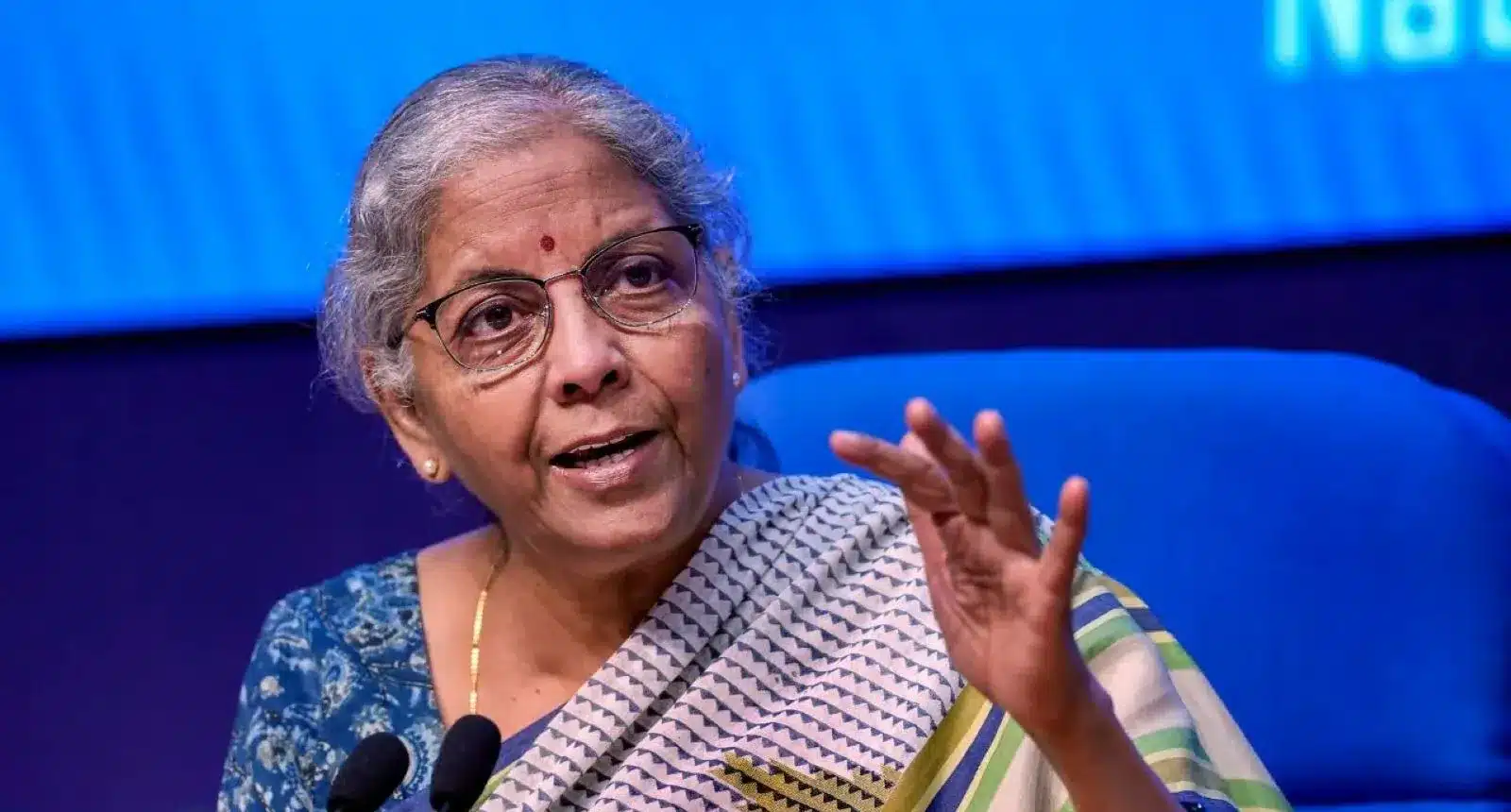
India and the United States have reached a “plateau” in their bilateral trade agreement negotiations, according to Finance Minister Nirmala Sitharaman. Speaking at the Munich Leaders Meeting in New Delhi, she indicated that further concessions from either side are likely to be “very very difficult.” While negotiations continue, any future progress will depend on the limited room for compromise available to both nations.
Sitharaman emphasized that the negotiations are ongoing and described them as “hard and very rigorously negotiated.” She noted that India currently enjoys a trade surplus with the US, stating, “The trade balance is very much in our favor.” She acknowledged that the US is keen to address this trade imbalance, which it perceives as a long-standing issue.
The finance minister remarked on the evolving nature of trade negotiations, highlighting a shift from traditional methods to a broader focus on addressing trade imbalances. She stated, “Negotiation used to be the only platform through which countries could highlight the discrepancies,” and added that while tariffs were once a primary negotiation tool, the current landscape requires countries to find “some give and take.”
India stresses strategic autonomy in trade negotiations
During the meeting, Sitharaman was questioned about maintaining strategic autonomy in trade negotiations with European countries, particularly regarding India’s procurement of Russian oil. She noted, “There is no Lindsay Graham Bill in Europe,” suggesting a different regulatory environment compared to the US.
On the topic of bilateral trade agreements in a multilateral world, Sitharaman explained that countries are increasingly opting for bilateral partnerships where they perceive greater benefits. She stated, “Countries choose where multilateralism would benefit them,” indicating a preference for bilateral agreements over multilateral ones in many cases.
Sitharaman pointed out that nations are actively seeking new trade partners and strengthening those relationships through agreements. She mentioned that the EU-India relationship is also evolving in a bilateral context, emphasizing the need for countries to pursue new partnerships to advance their trade interests.
India-EU pact opens market access
Sitharaman highlighted the India-EU trade agreement as a key example of India’s strategy in negotiating trade pacts while safeguarding domestic interests. She reported that India has opened 92.5% of its tariff lines and approximately 97% of tariff value under the agreement, while the EU has opened 99% in value terms and around 97% of tariff lines.
She noted that increased access to the European market could bolster employment in labor-intensive sectors such as footwear, textiles, toys, and processed products, many of which are linked to micro and small enterprises. “Greater access to the European market could generate more exports, more jobs,” she stated.
Sitharaman also remarked on the growing significance of bilateral trade agreements as multilateral institutions face challenges. She acknowledged that while multilateralism is not disappearing, it has weakened, and emphasized the importance of continuing multilateral efforts alongside the pursuit of bilateral agreements.
Observer Voice is the one stop site for National, International news, Sports, Editor’s Choice, Art/culture contents, Quotes and much more. We also cover historical contents. Historical contents includes World History, Indian History, and what happened today. The website also covers Entertainment across the India and World.
Follow Us on Twitter, Instagram, Facebook, & LinkedIn

