

Merkel Cell Carcinoma: The Rare and Aggressive Skin Cancer You Should Know

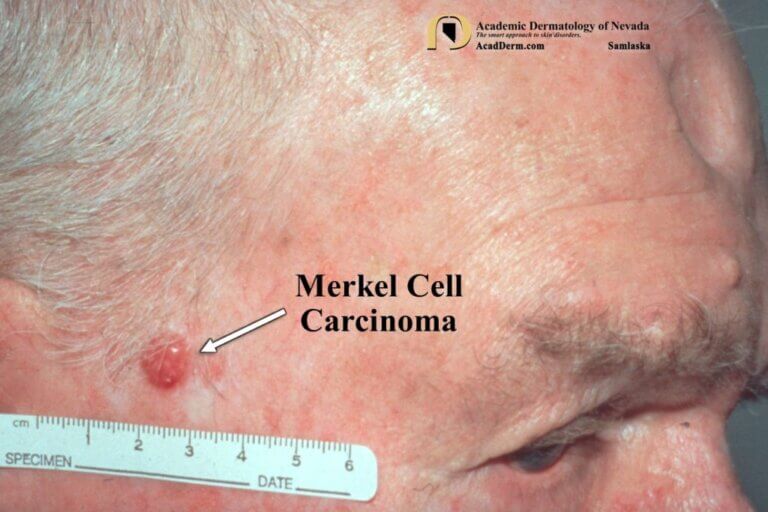
Merkel cell carcinoma, abbreviated as MCC, is one of the rarest yet most aggressive forms of skin cancer. It develops from Merkel cells, specialized sensory cells located within the skin’s deepest layers. These cells normally help transmit touch sensations from the skin to the brain.
When Merkel cells develop abnormally, they can form a rapidly growing, dangerous tumor. This cancer spreads quickly to nearby lymph nodes and distant organs if not caught early. Understanding this aggressive nature explains why awareness, despite MCC’s rarity, genuinely matters for public health.
Why MCC Is Considered So Dangerous
MCC grows and spreads considerably faster than most other skin cancers, including melanoma. Local recurrence after initial treatment remains frustratingly common despite aggressive intervention. This combination of rapid growth and high recurrence rate contributes to its serious overall prognosis.
What Causes Merkel Cell Carcinoma
Two primary factors contribute to most MCC cases identified worldwide. First, prolonged UV radiation exposure damages the genetic material within Merkel cells over time. Second, a specific virus called Merkel cell polyomavirus plays a direct role in many cases.
Researchers discovered Merkel cell polyomavirus in the majority of MCC tumors examined. This virus integrates into the cancer cell’s genetic material, disrupting normal growth regulation. The exact relationship between viral infection and MCC development continues under active scientific investigation globally.
How UV Radiation Contributes to MCC
Cumulative UV exposure from sunlight and tanning beds damages cellular DNA progressively over decades. This damage accumulates within Merkel cells, eventually overcoming normal repair mechanisms. MCC’s predominance on sun-exposed skin areas strongly supports UV radiation’s significant contributing role.
The Role of Merkel Cell Polyomavirus
This virus doesn’t cause cancer in most infected people under normal circumstances. Viral-associated MCC cases tend to occur more frequently in immunocompromised individuals. This connection suggests the immune system normally suppresses viral-driven cancer development effectively.
Who Faces Higher Risk
Older adults, particularly those over fifty, face significantly elevated MCC risk compared to younger populations. Most diagnoses occur in people over sixty-five years old specifically. This age concentration reflects decades of cumulative UV exposure and gradually declining immune surveillance capacity.
Immunosuppressed individuals face dramatically elevated MCC risk regardless of age group. This includes organ transplant recipients, people living with HIV, and those receiving immunosuppressive medications. Their suppressed immune systems cannot effectively detect and eliminate abnormal or virus-infected cells.
Why Skin Type and Sun History Matter
Fair-skinned individuals with significant lifetime sun exposure history face higher MCC risk. Their skin produces less protective melanin, allowing more UV radiation penetration into deeper skin layers. This vulnerability parallels risk patterns seen in other UV-associated skin cancers like BCC and SCC.
The Gender Disparity in MCC
Men develop Merkel cell carcinoma more frequently than women across most population studies. The reasons behind this gender difference remain incompletely understood by researchers currently. Higher lifetime sun exposure rates among men historically likely contribute to this observed disparity.
Recognizing the Warning Signs
MCC typically appears as a single, painless skin-colored, red, or bluish nodule. This bump often develops rapidly over just weeks, reaching alarming size surprisingly quickly. The rapid growth pace alone should prompt immediate dermatological evaluation without further hesitation.
These tumors most commonly appear on the face, head, neck, and arms. These locations reflect their connection to cumulative sun exposure across an entire lifetime. However, MCC can occasionally develop on less exposed body areas, complicating recognition considerably.
Why MCC Is Commonly Misidentified Initially
MCC resembles many benign skin conditions, including cysts and infected lymph nodes. This visual similarity leads many patients and even some clinicians to initially underestimate its significance. This misidentification unfortunately allows tumor growth and potentially spread before appropriate evaluation occurs.
The AEIOU Mnemonic for MCC Recognition
Dermatologists use the AEIOU mnemonic to remember MCC’s characteristic features collectively. A represents asymptomatic nature, meaning tumors typically don’t cause significant pain initially. E stands for expanding rapidly, I for immune suppression, O for older than fifty, and U for UV-exposed skin.
How Doctors Diagnose Merkel Cell Carcinoma
Visual examination alone cannot confirm MCC diagnosis since it resembles other conditions closely. A skin biopsy remains essential for obtaining tissue samples for pathological analysis. Laboratory testing then identifies the specific cellular characteristics defining MCC definitively.
Immunohistochemistry, a specialized laboratory technique, confirms MCC by detecting characteristic proteins within tumor cells. This testing distinguishes MCC from other cancers presenting similarly under microscopic examination. Accurate classification ensures patients receive appropriately targeted treatment from the very beginning.
Why Comprehensive Staging Matters Especially for MCC
Once diagnosed, staging imaging determines whether MCC has spread beyond the original skin location. CT scans and PET scans evaluate lymph nodes and distant organs for evidence of spread. Accurate staging directly determines treatment intensity and significantly influences overall prognosis expectations.
Treatment Options for Merkel Cell Carcinoma
Surgery aims to remove the primary tumor with adequate surrounding tissue margins initially. Wide local excision removes sufficient surrounding skin to reduce local recurrence risk. Surgeons often also perform sentinel lymph node biopsy to assess whether cancer has reached nearby lymph nodes.
Radiation therapy frequently follows surgery, particularly when lymph node involvement exists or clear surgical margins weren’t achieved. This additional treatment helps eliminate microscopic cancer cells remaining after surgery. Combining surgery with radiation has historically improved local disease control rates meaningfully.
The Immunotherapy Revolution for MCC
Immunotherapy has genuinely transformed treatment for advanced and recurrent Merkel cell carcinoma patients. Checkpoint inhibitor medications remove molecular barriers that cancer cells use to hide from immune recognition. Clinical trials demonstrated remarkable response rates, leading to several regulatory approvals for advanced MCC.
Why Immunotherapy Works Particularly Well for MCC
MCC’s viral association and UV-related mutations create specific immune targets that checkpoint inhibitors can exploit. These tumors often carry characteristics making them recognizable to an unleashed immune system. This immunogenic nature explains why MCC responds so favorably to checkpoint inhibitor therapy compared to many other cancers.
Living With MCC and Long-Term Monitoring
Regular follow-up examinations remain critically important given MCC’s high recurrence rates. Most recurrences appear within the first two to three years following initial treatment completion. Frequent clinical examinations and periodic imaging help catch any recurrence as early as possible.
Physical examinations should include careful lymph node assessment at every follow-up appointment. Patients should also actively monitor for any new skin changes between scheduled appointments themselves. Prompt reporting of any changes to the medical team helps ensure recurrences receive timely, effective treatment.
Final Thoughts on Merkel Cell Carcinoma
Merkel cell carcinoma’s rarity doesn’t diminish the importance of awareness about this aggressively behaving skin cancer. Recognizing the characteristic presentation of a rapidly growing, painless skin nodule could prove genuinely life-saving. Modern treatment advances, particularly immunotherapy, have significantly improved outcomes for patients facing this challenging diagnosis.
If you notice any unexplained, rapidly growing skin nodule, seek dermatological evaluation without delay. Don’t dismiss unusual skin changes simply because they feel painless or seem too small to concern you. With timely diagnosis, appropriate staging, and modern treatment, many patients with MCC achieve meaningful, positive long-term outcomes today.
Frequently Asked Questions
Is Merkel cell carcinoma always fatal?
MCC is a serious cancer, but not every patient faces a fatal outcome. Early-stage, localized MCC treated promptly often achieves meaningful long-term control or even cure. Advanced or metastatic MCC carries a more serious prognosis, though modern immunotherapy has significantly improved outcomes.
How common is Merkel cell carcinoma?
MCC is genuinely rare compared to other skin cancers worldwide. Cases are increasing, however, likely due to aging populations and greater awareness. Despite its rarity, its aggressive nature makes awareness and early recognition particularly important for better outcomes.
Can the Merkel cell polyomavirus be vaccinated against?
No vaccine currently prevents Merkel cell polyomavirus infection specifically. Researchers continue investigating this viral connection and potential vaccine possibilities. Currently, UV protection, immune health maintenance, and regular skin examination represent the most practical available prevention strategies.
Does immunotherapy work for all MCC patients?
Immunotherapy produces remarkable responses in many MCC patients, but not universally for everyone. Some patients experience significant, durable responses, while others show limited benefit. Researchers continue investigating which patient characteristics best predict favorable immunotherapy treatment responses.
What should I do if I think I have a suspicious skin lesion?
Seek evaluation from a board-certified dermatologist as soon as possible without waiting. Don’t attempt to diagnose concerning skin lesions independently based on internet research alone. Prompt professional evaluation ensures appropriate biopsy and accurate diagnosis when cancer remains a meaningful clinical possibility.
Disclaimer:
This article is for informational purposes only and does not replace professional medical advice. Please consult a qualified healthcare provider for diagnosis and treatment.
References:
- Despite its rarity, MCC demands attention. Merkel cell carcinoma is a rare but aggressive type of skin cancer.
- Olaf Scholz elected as Chancellor of Germany. Center-left Social Democrat Olaf Scholz has been elected by the Bundestag as the new chancellor of Germany
- The incident unfolded during a tense match between Kolkata Knight Riders and Lucknow Super Giants.
Observer Voice is the one stop site for National, International news, Sports, Editor’s Choice, Art/culture contents, Quotes and much more. We also cover historical contents. Historical contents includes World History, Indian History, and what happened today. The website also covers Entertainment across the India and World.

