

Glioblastoma Multiforme: What We Know About the Most Aggressive Brain Cancer

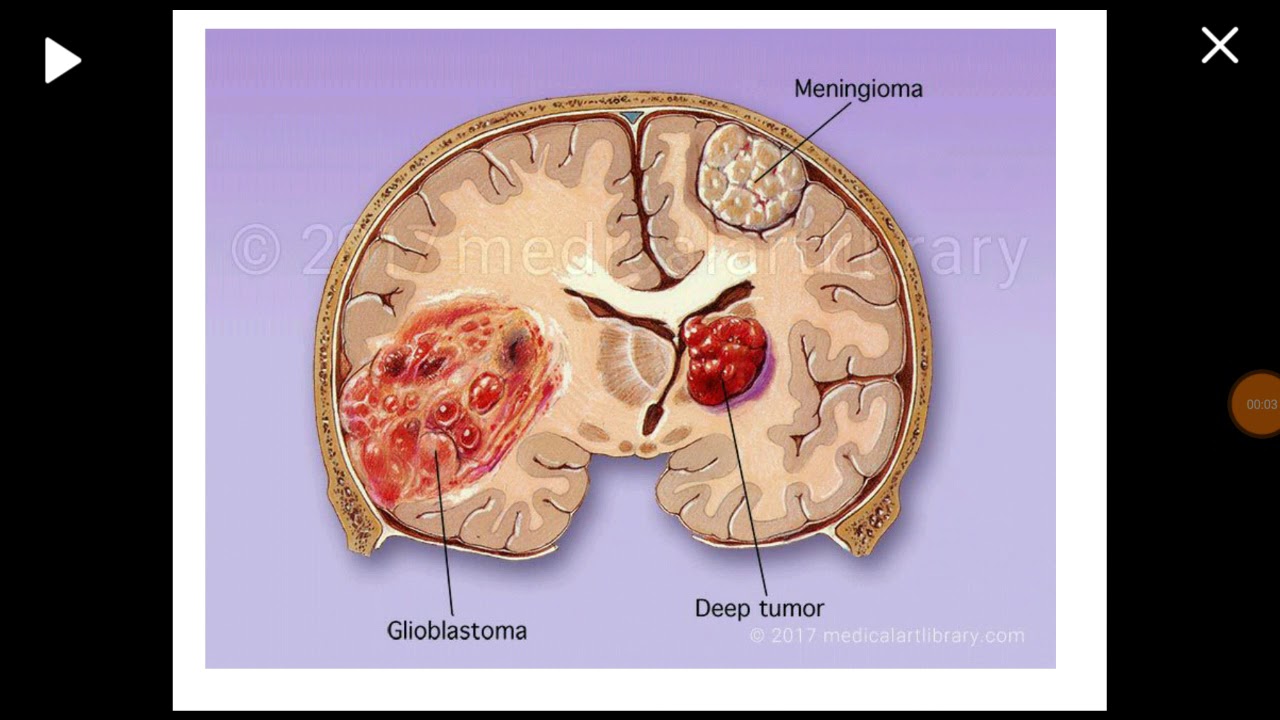
Glioblastoma multiforme, commonly abbreviated as GBM, represents the most aggressive primary brain tumor known. Doctors classify it as a grade four glioma, the highest and most dangerous tumor grade. This classification reflects how rapidly and destructively these cancer cells grow and spread.
GBM develops from glial support cells called astrocytes within the brain tissue itself. Unlike many cancers, this tumor rarely spreads outside the brain to other body parts. However, its aggressive local invasion makes it exceptionally difficult to treat and control effectively.
Why “Multiforme” Describes This Cancer So Accurately
The word “multiforme” refers to the tumor’s varied, irregular appearance under microscopic examination. GBM contains different types of abnormal cells, making it biologically complex and heterogeneous. This cellular diversity significantly complicates treatment, since different cells respond to therapies differently.
How GBM Develops and Who It Affects
Glioblastoma can arise de novo, meaning it develops rapidly without any identifiable precursor tumor. Alternatively, it sometimes evolves from a lower-grade glioma that progressively worsens over time. The de novo form is considerably more common and typically more aggressive.
GBM most commonly affects adults between fifty and seventy years of age. Men develop this cancer slightly more often than women statistically. However, GBM can occur at any age, occasionally affecting younger adults and even children.
Known Risk Factors
No clearly modifiable lifestyle risk factors have been definitively linked to GBM development. Prior radiation exposure to the head represents one recognized risk factor in some cases. Certain rare inherited genetic syndromes also slightly elevate GBM risk for affected individuals.
Recognizing the Symptoms
GBM symptoms typically appear relatively quickly given this tumor’s rapid growth pattern. Persistent headaches, particularly worsening in the morning, represent a frequent early complaint. Many patients also experience nausea and vomiting alongside these initial headache symptoms.
Seizures occurring without prior history warrant immediate neurological evaluation and investigation. Weakness or numbness affecting one side of the body can also develop as tumors grow. These focal symptoms directly reflect which specific brain regions the tumor currently occupies.
Cognitive and Personality Changes Worth Noting
Subtle cognitive changes, including memory difficulties and slowed thinking, frequently accompany GBM development. Some patients or their families first notice unexpected personality shifts or unusual emotional responses. These changes sometimes precede more obvious physical symptoms, making early recognition genuinely challenging.
When to Seek Emergency Evaluation
Sudden severe headache, rapid confusion, or new-onset seizures require immediate emergency medical attention. These acute symptoms sometimes indicate tumor-related swelling or bleeding rather than direct cancer invasion. Prompt evaluation allows faster diagnosis and earlier initiation of critical treatment.
How Doctors Diagnose Glioblastoma
Brain MRI with contrast enhancement remains the primary imaging tool for initial GBM identification. GBM typically displays a distinctive ring-enhancing pattern on contrast-enhanced MRI imaging studies. This characteristic appearance often raises strong diagnostic suspicion before pathological confirmation occurs.
Surgical biopsy provides the only definitive GBM diagnosis through direct tissue analysis. Neurosurgeons typically aim to remove as much tumor as safely possible during this procedure. The collected tissue then undergoes detailed pathological and molecular analysis to confirm diagnosis precisely.
Why Molecular Analysis Has Become Essential
Modern GBM diagnosis extends beyond standard microscopic examination to include molecular profiling. MGMT methylation status helps predict response to standard chemotherapy treatment significantly. IDH mutation testing helps distinguish GBM from other similar-appearing lower-grade tumors accurately.
The Standard Treatment Approach
Current standard treatment for GBM combines surgery, radiation, and chemotherapy in sequence. Surgeons first attempt maximal safe tumor removal called debulking surgery. Greater extent of tumor removal generally correlates with modestly better outcomes when safely achievable.
Following surgery, patients typically receive concurrent radiation therapy combined with temozolomide chemotherapy. This combined approach, called the Stupp protocol after its developer, became standard treatment after landmark clinical trial results demonstrated improved survival. Maintenance temozolomide chemotherapy continues afterward for several additional months.
Why Complete Surgical Removal Remains Impossible
GBM tumor cells infiltrate surrounding brain tissue with microscopic tentacle-like projections throughout. These infiltrating edges make defining precise surgical boundaries genuinely impossible during operation. This infiltrative characteristic explains why tumor recurrence remains virtually universal despite aggressive initial treatment.
Tumor Treating Fields: An Innovative Addition
Tumor treating fields deliver low-intensity electrical energy to disrupt cancer cell division processes. Patients wear a portable device generating these fields continuously throughout daily life activities. Adding this therapy to standard treatment has demonstrated modest survival improvement in certain patient populations.
The Challenge of Recurrence
GBM recurrence occurs in virtually all patients, typically within several months of completing initial treatment. This recurrence happens partly because infiltrating cells beyond surgical margins survive initial treatment courses. Subsequent treatment options become more limited after recurrence compared to initial diagnosis.
Bevacizumab, an anti-angiogenic medication, sometimes helps manage recurrent GBM symptoms and tumor growth. Additional chemotherapy regimens and clinical trials provide further options for some recurrent patients. The research community continues urgently investigating more effective approaches for this devastating recurrence pattern.
Why Recurrence Remains Such a Central Challenge
GBM cells demonstrate remarkable ability to develop resistance to multiple treatment approaches over time. Intratumoral heterogeneity means surviving cancer cell populations may respond to therapies very differently. This biological adaptability makes sustained long-term disease control genuinely challenging with current available therapies.
Emerging Research and Future Hope
Immunotherapy has transformed many cancer treatments and researchers are actively investigating its GBM potential. Checkpoint inhibitors and cancer vaccines targeting GBM-specific proteins represent promising active research directions. Early trials show some promising signals, though definitive breakthroughs remain under active investigation currently.
CAR-T cell therapy, which engineers immune cells to attack specific cancer targets, also shows early promise. Gene therapy approaches targeting specific GBM molecular vulnerabilities continue advancing through research pipelines. These emerging strategies offer genuine hope for more effective future treatment options for patients.
Why Clinical Trials Remain So Important for GBM Patients
Given GBM’s challenging treatment landscape, clinical trials offer access to promising emerging therapies. Participating in appropriately matched trials allows patients to potentially benefit from cutting-edge treatments. Discussing trial eligibility with your neuro-oncology team remains an important conversation throughout your treatment journey.
Final Thoughts on Glioblastoma
Glioblastoma multiforme represents one of medicine’s most serious and challenging diagnoses currently faced. Despite this difficulty, ongoing research continues advancing understanding and gradually improving available treatment options. Patients and families deserve access to specialized, compassionate, expert neuro-oncology care throughout this journey.
If you or someone you love receives a GBM diagnosis, connect with a specialized neuro-oncology team immediately. Exploring clinical trial eligibility alongside standard treatment maximizes available options significantly. With continued research investment, the future holds genuine promise for better GBM outcomes than exist today.
Frequently Asked Questions
What is the average survival time for glioblastoma patients?
Median survival with standard treatment typically ranges from twelve to fifteen months currently. However, individual outcomes vary considerably based on age, molecular tumor characteristics, and performance status. Some patients achieve longer survival, particularly those with favorable molecular markers like MGMT methylation.
Is glioblastoma always fatal?
GBM currently carries a very serious prognosis, with long-term survival remaining uncommon overall. However, some patients do achieve longer survival, occasionally extending several years beyond diagnosis. Continued research continues improving understanding of factors predicting better individual outcomes for specific patients.
Can glioblastoma be prevented?
No established preventive measures currently exist for glioblastoma specifically. No clearly modifiable risk factors have been definitively linked to this cancer’s development. Researchers continue investigating potential contributing factors, but prevention strategies remain unavailable at this time.
Are there genetic tests that predict GBM development?
No routine genetic test currently predicts sporadic GBM development in the general population. Certain rare hereditary syndromes increase risk, identifiable through specialized genetic testing in appropriate families. For most patients, GBM arises without identifiable genetic predisposition or family history patterns.
What should I ask my neuro-oncologist after a GBM diagnosis?
Ask specifically about your tumor’s molecular characteristics, including MGMT methylation and IDH mutation status. Inquire about clinical trial eligibility and what emerging treatment options currently match your tumor’s profile. Understanding your specific molecular signature helps guide the most personalized, potentially effective treatment decisions.
Disclaimer:
This article is for informational purposes only and does not replace professional medical advice. Please consult a qualified healthcare provider for diagnosis and treatment.
References:
- Goodpasture syndrome symptoms develop acutely and rapidly progress. The acute presentation demands emergency medical evaluation
- Glioblastoma is a grade 4 astrocytoma—the highest grade and most malignant type of primary brain tumor.
- A brain tumor is an abnormal growth of cells within the brain or skull.
- A brain tumor diagnosis can feel immediately overwhelming and deeply frightening.
Observer Voice is the one stop site for National, International news, Sports, Editor’s Choice, Art/culture contents, Quotes and much more. We also cover historical contents. Historical contents includes World History, Indian History, and what happened today. The website also covers Entertainment across the India and World.

