

Squamous Cell Carcinoma of the Skin: When a Wound Won’t Heal

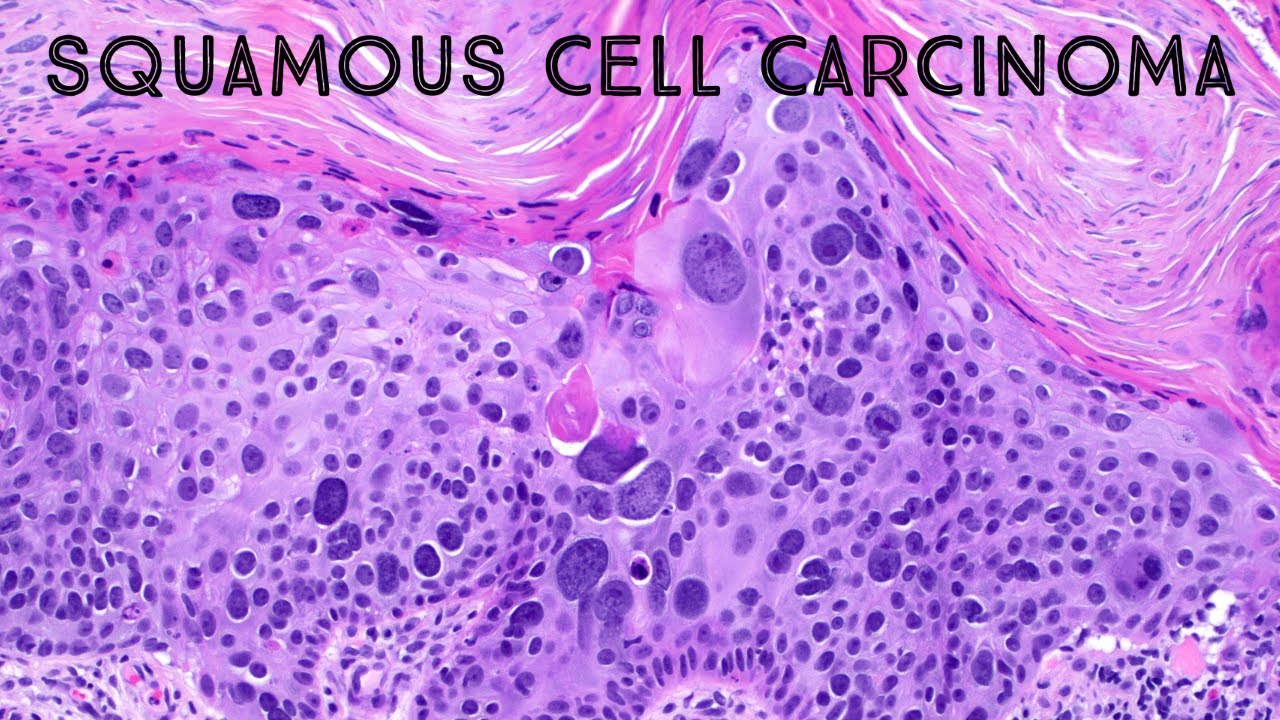
Squamous cell carcinoma, commonly called SCC, ranks as the second most common skin cancer worldwide. It develops from squamous cells, the flat cells forming the skin’s outer surface layer. When these cells develop genetic mutations from UV damage, they can begin growing abnormally and persistently.
Unlike basal cell carcinoma, SCC carries a higher potential for spreading to nearby tissues and occasionally to distant organs. This spreading capacity, though not universal, makes early recognition and prompt treatment genuinely important. Understanding this risk helps explain why dermatologists treat SCC with more urgency than many patients initially expect.
Why SCC Often Looks Like a Healing Problem
SCC frequently presents as an open sore or wound that simply refuses to heal normally. This appearance makes it easy to dismiss as minor skin damage or irritation initially. This dismissal can unfortunately allow the cancer to grow larger and deeper before evaluation occurs.
The Connection Between Actinic Keratosis and SCC
Actinic keratosis represents a precancerous skin condition that frequently precedes SCC development. These rough, scaly patches develop on skin chronically damaged by UV radiation over many years. Without treatment, a meaningful percentage of actinic keratoses eventually progress to squamous cell carcinoma.
Understanding this precancerous step creates an important prevention and interception opportunity. Treating actinic keratoses before they transform into cancer significantly reduces SCC risk. This window highlights why dermatologists take these rough, seemingly minor skin patches quite seriously.
What Actinic Keratoses Look and Feel Like
These precancerous patches typically feel rough or sandpaper-like when touched by fingertips. They often appear as flat or slightly raised discolored patches on sun-exposed skin areas. Many patients describe them as persistently rough spots that never fully smooth despite moisturizer application.
Risk Factors for Squamous Cell Carcinoma
Cumulative UV exposure represents the most significant risk factor for developing SCC. Decades of unprotected sun exposure gradually accumulate DNA damage within squamous cells. This cumulative damage eventually overwhelms normal cellular repair mechanisms, allowing cancerous changes to occur.
People with fair skin, light eyes, and naturally light hair face substantially higher SCC risk. Their skin produces less protective melanin, allowing more UV radiation to penetrate and damage underlying cells. This biological vulnerability explains significantly higher SCC rates in lighter-skinned populations globally.
Additional Important Risk Factors
Immunosuppressed individuals, including organ transplant recipients, face dramatically elevated SCC risk. Their suppressed immune systems cannot effectively identify and destroy abnormal skin cells. Consequently, SCC can develop more aggressively and spread more readily in these vulnerable populations.
Why Human Papillomavirus Plays a Contributing Role
Certain human papillomavirus strains contribute to SCC development in specific body locations. HPV-related SCC particularly affects the lips, genitals, and areas around the fingernails. This viral connection explains why SCC occasionally develops in people with relatively limited sun exposure histories.
Recognizing the Symptoms
A firm, red nodule or bump developing on sun-exposed skin deserves prompt professional evaluation. SCC can also present as a flat, rough lesion with a scaly surface on the face, ears, or hands. Some patients first notice a new growth appearing within an existing scar or chronic wound location.
A persistent, open sore that repeatedly bleeds, crusts, then partially heals without completing recovery should raise genuine concern. This cyclical healing pattern represents one of SCC’s most recognizable and concerning clinical presentations. Many patients initially treat such sores with over-the-counter remedies, unaware that cancer underlies the problem.
Why SCC on the Lips Deserves Special Attention
Squamous cell carcinoma occurs relatively frequently on the lower lip due to prolonged sun exposure. Lip SCC sometimes presents as a persistent sore or thickened patch that doesn’t improve. This location carries somewhat higher metastatic risk than SCC appearing on other facial skin areas.
When to Seek Immediate Dermatological Evaluation
Any skin lesion present for more than four weeks without healing requires professional assessment. Growing lesions, changing borders, or spontaneous bleeding all indicate urgent evaluation is needed. Don’t delay seeking care hoping a concerning skin change will simply resolve independently.
How Doctors Diagnose SCC
Visual examination by an experienced dermatologist typically identifies suspicious lesions warranting further investigation. Dermoscopy provides enhanced magnification revealing structural patterns suggesting malignancy beyond what naked eyes perceive. This non-invasive examination helps determine whether proceeding to biopsy makes clinical sense.
Skin biopsy definitively confirms the diagnosis through direct pathological tissue examination. Doctors collect a small sample under local anesthesia during a straightforward office procedure. Laboratory analysis confirms diagnosis, identifies SCC subtype, and sometimes assesses how deeply the tumor has invaded.
Why Staging Matters More for SCC Than BCC
Unlike basal cell carcinoma, SCC staging carries more significant implications for treatment planning. Larger, deeper tumors and those affecting specific locations carry higher metastatic potential. This staging information directly influences whether additional treatment beyond surgery becomes necessary.
Treatment Options for Squamous Cell Carcinoma
Surgical excision remains the most commonly used and effective primary treatment for most SCC cases. Surgeons remove the tumor along with adequate surrounding tissue margins to ensure complete removal. Pathological examination of these margins confirms whether complete tumor removal was achieved successfully.
Mohs micrographic surgery offers maximum precision for SCCs in cosmetically sensitive or high-risk locations. This technique systematically examines each removed layer until no cancer cells remain detectable. Mohs surgery achieves the highest cure rates while removing the least possible amount of surrounding healthy tissue.
When Radiation Therapy Provides an Effective Alternative
Radiation therapy treats SCCs in patients who cannot undergo surgery for medical reasons. This option also helps address areas with complex anatomy making complete surgical resection genuinely difficult. Radiation provides effective local control with acceptable cosmetic outcomes for appropriately selected patients.
Systemic Treatment for Advanced Cases
Locally advanced or metastatic SCC sometimes requires systemic treatment beyond localized approaches alone. Immunotherapy, specifically checkpoint inhibitors, now provides effective treatment for advanced SCC cases. These medications help the immune system recognize and destroy cancer cells spreading beyond the original skin location.
Prevention Strategies for Squamous Cell Carcinoma
Daily broad-spectrum sunscreen application remains the single most impactful preventive measure available. Consistent use throughout life meaningfully reduces cumulative UV damage and future SCC risk. This habit applies regardless of skin tone, season, or geographic location.
Treating identified actinic keratoses promptly removes a significant SCC precursor before transformation occurs. Regular dermatological examinations allow professional identification of precancerous changes not always visible to patients themselves. Combining these strategies creates the most comprehensive, effective SCC prevention and early detection approach.
Final Thoughts on Squamous Cell Carcinoma
Squamous cell carcinoma’s deceptive presentation as a non-healing wound makes awareness genuinely critical for timely detection. Recognizing that persistent skin lesions deserve professional evaluation rather than patience can truly change outcomes. This relatively common cancer responds excellently to treatment when caught and addressed early.
Examine your skin regularly and consult a dermatologist whenever skin changes persist beyond four weeks. Protect yourself from UV radiation daily, treating sun protection as a consistent health priority rather than occasional choice. With awareness, proactive prevention, and early treatment, squamous cell carcinoma remains one of the most manageable cancer diagnoses available in medicine today.
Frequently Asked Questions
Can squamous cell carcinoma spread to other parts of the body?
Yes, SCC carries a higher risk of spreading than basal cell carcinoma, though metastasis remains relatively uncommon overall. High-risk tumors, including large, deep, or poorly differentiated lesions, spread more readily than typical cases. Prompt, appropriate treatment significantly reduces the chance of this spreading occurring.
Is squamous cell carcinoma always caused by sun exposure?
Sun exposure causes the majority of SCC cases, but other factors also contribute meaningfully. HPV infection, chronic wounds, radiation exposure, and immunosuppression all independently increase SCC risk. Some SCC cases develop in people with relatively limited sun exposure due to these alternative risk factors.
How quickly does squamous cell carcinoma grow?
SCC growth rate varies considerably between different individuals and tumor characteristics. Some grow slowly over many months, while others expand noticeably within just a few weeks. Rapidly growing lesions warrant more urgent evaluation and typically require more aggressive treatment approaches.
Can squamous cell carcinoma develop in the mouth?
Yes, SCC is actually the most common cancer developing inside the oral cavity specifically. Tobacco use, alcohol consumption, and HPV infection all significantly increase oral SCC risk. Any persistent mouth sore lasting more than two weeks deserves professional dental or medical evaluation without delay.
Does previous squamous cell carcinoma increase the risk of developing another?
Yes, a history of SCC significantly elevates the risk of developing additional future skin cancers. Regular dermatological examinations become particularly important for anyone with a previous SCC diagnosis. Consistent sun protection habits also help meaningfully reduce this elevated recurrence and new lesion risk.
Disclaimer:
This article is for informational purposes only and does not replace professional medical advice. Please consult a qualified healthcare provider for diagnosis and treatment.
References:
- The esophagus is a muscular tube about 10 inches long connecting your throat to your stomach.
- Vaginal cancer represents only 1-2% of gynecologic malignancies—approximately 1,400 U.S. cases annually.
- Kidney cancer develops when cells within the kidney begin growing abnormally and uncontrollably.
- Squamous cell carcinoma (SCC) or cutaneous squamous cell carcinoma (CSCC) is the second most common form of skin cancer after basal cell carcinoma.
Observer Voice is the one stop site for National, International news, Sports, Editor’s Choice, Art/culture contents, Quotes and much more. We also cover historical contents. Historical contents includes World History, Indian History, and what happened today. The website also covers Entertainment across the India and World.

