

Bladder Cancer: Early Signs, Risk Factors, and What Smoking Has to Do With It

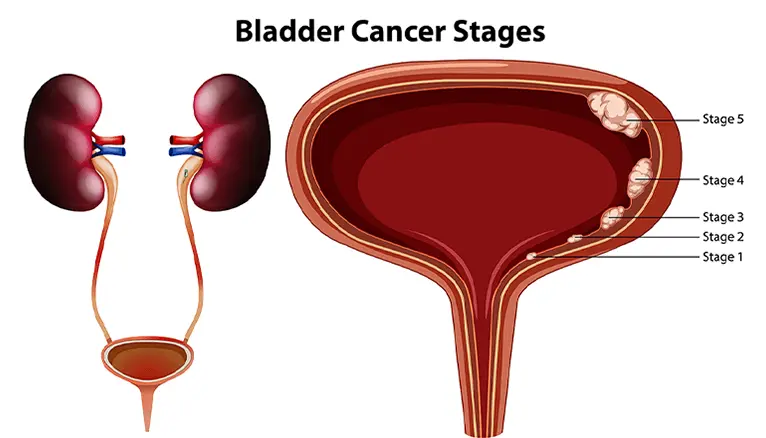
Bladder cancer develops when cells lining the inside of the bladder start growing abnormally. The bladder, a hollow organ in the pelvis, stores urine before elimination. This cancer ranks among the ten most commonly diagnosed cancers worldwide.
Unlike many cancers that develop silently, bladder cancer often produces a noticeable early warning sign. This visibility creates a genuine detection advantage worth understanding and acting upon. Recognizing key symptoms and risk factors significantly improves your chances of early, successful treatment.
How the Bladder Functions Normally
The bladder receives and temporarily stores urine produced by the kidneys. Its lining, called urothelium, remains in direct contact with filtered urine continuously. This prolonged contact with urine-borne chemicals explains why certain substances pose such significant cancer risk.
The Strong Connection Between Smoking and Bladder Cancer
Smoking represents the single most significant preventable risk factor for bladder cancer. Smokers face roughly two to three times higher bladder cancer risk than non-smokers. This dramatically elevated risk stems from how the body processes and eliminates tobacco chemicals.
Your kidneys filter harmful tobacco-related carcinogens directly from your bloodstream constantly. These concentrated carcinogens then pass into and remain stored within your urine. This prolonged bladder lining exposure allows these harmful chemicals to cause cumulative cellular damage over time.
Why Tobacco Chemicals Specifically Target the Bladder
Unlike some cancers where smoking causes direct airway damage, bladder cancer operates differently. Carcinogens travel through the bloodstream before concentrating in filtered urine specifically. This unique elimination pathway essentially delivers harmful chemicals repeatedly and directly to bladder lining cells.
How Quickly Does Risk Decrease After Quitting Smoking
Risk doesn’t disappear immediately after quitting, though it does decline meaningfully over time. Former smokers still face elevated risk compared to lifelong non-smokers for many years. However, quitting at any stage remains genuinely worthwhile for reducing long-term cancer risk.
Other Significant Risk Factors
Beyond smoking, several other factors meaningfully elevate personal bladder cancer risk. Age represents one of the strongest, since most diagnoses occur in people over sixty-five. Men develop bladder cancer roughly three to four times more often than women statistically.
Chronic bladder inflammation can also contribute to cancer development over time. Repeated urinary tract infections, bladder stones, and certain parasitic infections increase cumulative bladder lining irritation. This persistent irritation creates conditions potentially favoring abnormal cellular changes.
Occupational Chemical Exposures Worth Knowing
Certain industrial chemicals significantly increase bladder cancer risk through occupational exposure. Workers in rubber, leather, printing, and textile industries historically report higher bladder cancer rates. Aromatic amines and polycyclic aromatic hydrocarbons represent particularly well-documented carcinogens in these settings.
Why Hydration Habits May Influence Risk
Drinking adequate water helps dilute potentially harmful substances within stored urine. More frequent urination resulting from good hydration reduces overall carcinogen contact time. While not definitive, research suggests good hydration habits may offer some protective benefit.
Recognizing the Early Signs
Blood in the urine, called hematuria, represents the most common and noticeable early bladder cancer sign. This blood may appear as pink, red, or dark brown discoloration of urine. Sometimes the amount seems tiny, detectable only through routine urine testing.
This symptom should never be casually dismissed or attributed to exercise or dehydration alone. Many people delay seeking evaluation, assuming blood in urine will simply resolve independently. This delay often proves costly, since bladder cancer’s earliest stages offer the best treatment outcomes.
Why Blood in Urine Requires Immediate Attention
Hematuria, even when painless or intermittent, demands prompt professional medical evaluation every time. The amount of blood visible doesn’t reliably indicate cancer severity or presence. Even microscopic hematuria detected on routine urinalysis deserves thorough investigation without exception.
Other Symptoms Deserving Medical Evaluation
Frequent urination or painful urination that doesn’t improve with standard treatment also warrants attention. A persistent urge to urinate without producing much urine can indicate bladder cancer involvement. Back pain or pelvic discomfort sometimes develops as cancer progresses and affects surrounding structures.
How Doctors Diagnose Bladder Cancer
Diagnosis typically begins with urinalysis and urine cytology to detect abnormal cells. These non-invasive initial tests help identify whether further investigation makes sense. Imaging tests, like CT scans, help assess the urinary tract and identify potential masses.
Cystoscopy, however, remains the most definitive diagnostic tool available currently. This procedure involves passing a thin, flexible camera directly into the bladder through the urethra. This direct visualization allows doctors to see and biopsy suspicious areas immediately.
Why Cystoscopy Remains the Gold Standard
No other test matches cystoscopy’s ability to directly visualize the entire bladder interior. This directness allows simultaneous diagnosis and initial tissue sampling in one procedure. This combined capability makes cystoscopy essential whenever bladder cancer remains a genuine clinical concern.
Treatment Options and Outcomes
Treatment varies considerably based on cancer stage and how deeply it has invaded the bladder wall. Non-invasive tumors confined to the bladder lining often respond excellently to local removal during cystoscopy. This approach frequently avoids the need for more aggressive surgical intervention initially.
Invasive tumors requiring more aggressive treatment may necessitate partial or complete bladder removal. Chemotherapy, radiation, and immunotherapy also play important roles in various treatment scenarios. Personalized planning, considering stage and individual health factors, optimizes outcomes significantly.
Why Early-Stage Treatment Offers Excellent Results
Superficial bladder cancer, detected before deep invasion occurs, carries very favorable survival outcomes. Surgical removal through cystoscopy can achieve excellent control for many early-stage patients. This positive outcome makes prompt symptom response and early evaluation genuinely life-saving decisions.
Final Thoughts on Bladder Cancer Awareness
Bladder cancer’s early warning signal, blood in the urine, creates a detection opportunity that patients must act upon immediately. Understanding risk factors, particularly smoking’s enormous contribution, empowers meaningful preventive action. Quitting smoking and responding promptly to unusual urinary symptoms together represent the most powerful steps available.
If you notice blood in your urine, even once, see your doctor promptly without delay. Don’t assume this symptom will simply resolve or that it must indicate something less serious. With early diagnosis and appropriate treatment, bladder cancer outcomes can genuinely be excellent.
Frequently Asked Questions
Is blood in urine always a sign of bladder cancer?
No, many other conditions cause blood in urine, including urinary tract infections, kidney stones, and vigorous exercise. However, hematuria always warrants medical evaluation to determine the specific underlying cause. Never dismiss this symptom without getting a proper professional assessment first.
Can bladder cancer come back after treatment?
Yes, bladder cancer has a relatively high recurrence rate, even after successful initial treatment. Regular follow-up cystoscopy and surveillance remain essential throughout the years after initial therapy. This ongoing monitoring allows early detection and treatment of any returning cancer.
Does quitting smoking actually reduce bladder cancer risk?
Yes, quitting smoking meaningfully reduces bladder cancer risk compared to continued smoking. However, risk remains elevated above never-smokers for several years after cessation. This reduction, though gradual, represents a genuine, important health benefit of quitting at any age.
Are there ways to reduce bladder cancer risk beyond not smoking?
Staying well-hydrated, avoiding known occupational chemical exposures, and maintaining a healthy diet all support lower risk. Wearing appropriate protective equipment in high-risk occupational settings also offers meaningful protection. These combined strategies complement smoking avoidance for the most comprehensive risk reduction.
What does bladder cancer treatment typically involve?
Treatment depends entirely on cancer stage, ranging from cystoscopic removal for early disease to full bladder removal for advanced cases. Immunotherapy, chemotherapy, and radiation therapy also play important supporting roles. Your urologist and oncologist will collaborate to create the most appropriate personalized treatment plan.
Disclaimer:
This article is for informational purposes only and does not replace professional medical advice. Please consult a qualified healthcare provider for diagnosis and treatment.
References:
- Bladder cancer classifies into non-muscle-invasive (superficial) and muscle-invasive disease.
- Overactive bladder — commonly called OAB — is a condition in which the bladder contracts too often and too urgently,
- Interstitial cystitis bladder pain syndrome UTI symptoms represent one of the most frustrating diagnostic challenges in urology and gynaecology.
- No Smoking Day is an annual event that takes place on the second Wednesday of March every year.
Observer Voice is the one stop site for National, International news, Sports, Editor’s Choice, Art/culture contents, Quotes and much more. We also cover historical contents. Historical contents includes World History, Indian History, and what happened today. The website also covers Entertainment across the India and World.

