

Uterine (Endometrial) Cancer: Risk Factors, Symptoms, and Early Detection

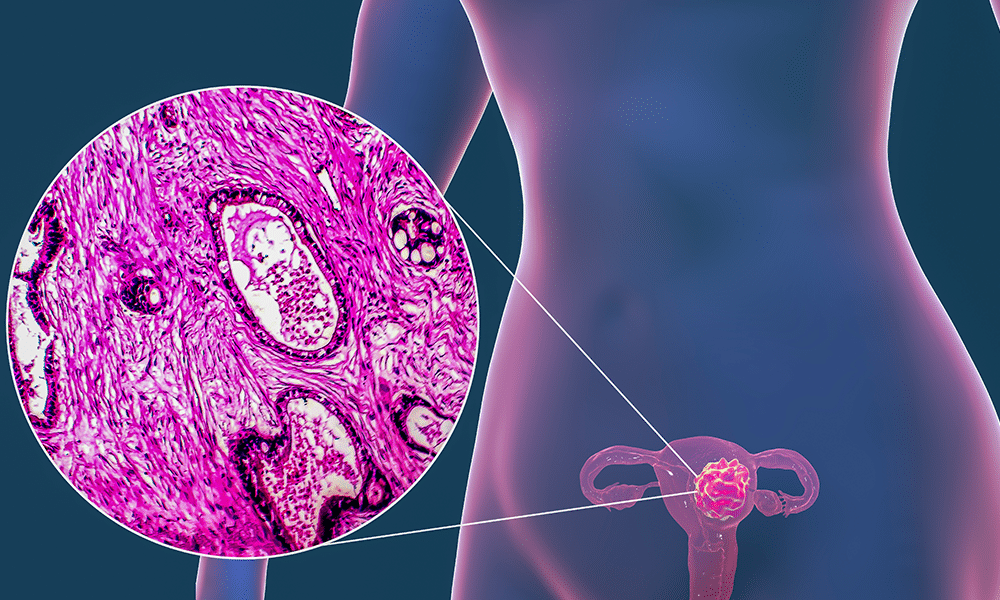
Uterine cancer, also called endometrial cancer, develops within the lining of the uterus. This lining, called the endometrium, sheds monthly during menstruation. When cells in this lining grow abnormally, cancer can develop over time.
This cancer represents the most commonly diagnosed gynecological cancer in many developed countries. Fortunately, it often produces noticeable early symptoms, unlike many other cancers. This symptom visibility creates a genuine opportunity for earlier diagnosis and better outcomes.
Why Endometrial Cancer Has Become Increasingly Common
Rising obesity rates and longer lifespans contribute to increasing endometrial cancer diagnoses globally. These factors influence hormonal balance in ways that elevate cancer risk significantly. Understanding this connection helps explain why addressing certain lifestyle factors matters for long-term cancer prevention.
Key Risk Factors to Understand
Elevated estrogen levels without adequate progesterone significantly increase endometrial cancer risk. This hormonal imbalance causes the uterine lining to grow excessively over time. Various conditions and lifestyle factors can create this imbalance in different ways.
Obesity represents one of the most significant modifiable risk factors available. Fat tissue produces excess estrogen, creating the hormonal environment favoring cancerous development. This direct hormonal connection explains why obesity carries such strong association with this particular cancer type.
Why Hormonal Imbalance Drives This Cancer
The uterine lining responds directly to hormonal signals throughout the menstrual cycle normally. Excess estrogen stimulates prolonged, unchecked lining growth without progesterone’s balancing effect. This unchecked growth eventually increases the likelihood of abnormal, cancerous cellular changes.
How Reproductive History Influences Risk
Women who have never been pregnant face somewhat higher endometrial cancer risk overall. Pregnancy temporarily suppresses estrogen and elevates progesterone, providing some protective benefit. Extended periods without this hormonal balance, therefore, can increase cumulative lining exposure over time.
Additional Risk Factors Worth Recognizing
Type 2 diabetes increases endometrial cancer risk, likely through connections to insulin resistance. Polycystic ovary syndrome, which disrupts normal hormonal cycling, also elevates risk significantly. Women with Lynch syndrome, an inherited condition, face substantially higher lifetime endometrial cancer risk.
Beginning menstruation early or reaching menopause late extends overall estrogen exposure years. This prolonged hormonal exposure contributes meaningfully to cumulative risk development over decades. Conversely, oral contraceptive use and physical activity appear to offer some degree of protective benefit.
The Importance of Family History and Genetics
Lynch syndrome, formerly called hereditary non-polyposis colorectal cancer, creates dramatically elevated risk. Women with this inherited condition face roughly thirty to sixty percent lifetime risk of developing endometrial cancer. Genetic testing helps identify women who need more intensive monitoring and preventive discussions.
Why Hormone Therapy Considerations Matter
Certain hormone replacement therapies using estrogen alone, without progesterone, increase endometrial cancer risk. This connection led to modified therapy protocols combining both hormones for women with intact uteruses. Discussing your specific hormone therapy situation with your doctor helps clarify your personal risk.
Recognizing the Symptoms
Unusual vaginal bleeding represents the most common and recognizable early symptom of endometrial cancer. Postmenopausal bleeding, meaning any bleeding after menopause, should always prompt prompt medical evaluation. This symptom, unlike many other cancer warning signs, often appears at a relatively early disease stage.
Premenopausal women might notice unusually heavy periods or bleeding between cycles. This irregular bleeding pattern deserves medical evaluation, particularly when it persists unexplained. Many women initially attribute this to hormonal fluctuations or perimenopause without further investigation.
Why Postmenopausal Bleeding Is Such an Important Signal
Any vaginal bleeding occurring after menopause should be considered abnormal until proven otherwise medically. This bleeding sometimes indicates early-stage endometrial cancer, when treatment options remain most effective. Never dismiss postmenopausal bleeding as minor or naturally occurring without professional evaluation.
Other Symptoms Beyond Bleeding
Some women experience pelvic pain or pressure as the cancer grows within the uterus. Painful intercourse or unusual vaginal discharge can also occasionally accompany this condition. These additional symptoms, while less specific, become more significant when combined with irregular bleeding patterns.
How Doctors Detect Uterine Cancer Early
Transvaginal ultrasound often serves as the first imaging tool for evaluating abnormal bleeding symptoms. This procedure uses sound waves to measure uterine lining thickness precisely. An unusually thickened lining prompts further investigation through additional testing procedures.
Endometrial biopsy provides the definitive answer that imaging alone cannot offer conclusively. During this office procedure, doctors collect a small uterine lining tissue sample for laboratory analysis. This relatively quick procedure typically confirms or rules out cancer efficiently.
Why Endometrial Biopsy Provides Such Reliable Answers
Biopsy directly examines cells from the uterine lining under microscopic analysis. This direct examination confirms whether cancerous or precancerous changes exist within the tissue. No other test provides this level of diagnostic certainty for endometrial cancer specifically.
Treatment Approaches Based on Stage
Surgery typically forms the foundation of endometrial cancer treatment for most patients. This generally involves removing the uterus, fallopian tubes, and ovaries together through hysterectomy. Lymph node evaluation during surgery helps determine whether cancer has spread beyond the uterus.
Radiation therapy, chemotherapy, or hormone therapy sometimes follows surgery for more advanced cases. Treatment selection depends on cancer stage, grade, and individual patient health circumstances. Personalized treatment planning significantly improves outcomes for patients across all disease stages.
Why Early-Stage Treatment Offers Such Positive Outcomes
Early-stage endometrial cancer, caught before spreading beyond the uterus, carries excellent survival rates. Surgical removal at this stage often achieves long-term cure without requiring additional therapies. This favorable outcome makes early symptom recognition and prompt evaluation genuinely life-saving decisions.
Final Thoughts on Uterine Cancer Awareness
Uterine cancer’s tendency to cause early, noticeable bleeding gives it a detection advantage that many cancers simply don’t share. Recognizing this symptom and responding promptly can truly make the difference between early and late-stage diagnosis. This opportunity shouldn’t be wasted through dismissal or delay.
If you experience any unusual vaginal bleeding, particularly after menopause, seek medical evaluation immediately. Don’t attribute this symptom to aging or hormonal change without proper professional assessment. With early detection and appropriate treatment, uterine cancer outcomes remain among the most favorable within gynecological oncology.
Frequently Asked Questions
Is uterine cancer the same as cervical cancer?
No, uterine cancer and cervical cancer develop in completely different locations within the reproductive system. Uterine cancer develops in the lining of the uterus specifically. Cervical cancer, conversely, develops at the lower uterus where it connects to the vagina.
Does a Pap smear detect uterine cancer?
No, Pap smears screen specifically for cervical cancer, not endometrial cancer. This means uterine cancer won’t appear through routine Pap smear testing. Unusual bleeding symptoms and targeted endometrial testing represent the primary detection pathway currently.
Can young women develop uterine cancer?
While uterine cancer most commonly affects postmenopausal women, younger women can develop it too. Obesity, polycystic ovary syndrome, and Lynch syndrome can increase risk at younger ages. Any unusual bleeding pattern in younger women still warrants medical discussion and evaluation.
Does obesity significantly increase uterine cancer risk?
Yes, obesity represents one of the strongest modifiable risk factors for endometrial cancer. Fat tissue produces excess estrogen that stimulates abnormal uterine lining growth over time. Maintaining a healthy weight offers meaningful protection against developing this particular cancer.
What’s the survival rate for early-stage uterine cancer?
Early-stage uterine cancer, confined to the uterus, carries very favorable survival rates overall. Many women diagnosed at stage one achieve long-term disease-free survival following surgery. This positive outlook strongly reinforces why responding promptly to unusual bleeding symptoms truly matters.
Disclaimer:
This article is for informational purposes only and does not replace professional medical advice. Please consult a qualified healthcare provider for diagnosis and treatment.
References:
- Lynch Syndrome is a hereditary cancer syndrome caused by mismatch repair gene mutations resulting in dramatically increased colorectal and other cancer risk.
- Uterine fibroids, also known as leiomyomas, are non-cancerous tumors that develop in or on the uterus.
- Smooth muscle: involuntary muscle tissue throughout body—brain has no conscious control.
- Fibroids affect a significant percentage of women by age fifty. Many women never even realize they have them.
Observer Voice is the one stop site for National, International news, Sports, Editor’s Choice, Art/culture contents, Quotes and much more. We also cover historical contents. Historical contents includes World History, Indian History, and what happened today. The website also covers Entertainment across the India and World.

