

Budd-Chiari Syndrome: The Rare Vein Obstruction That Damages the Liver

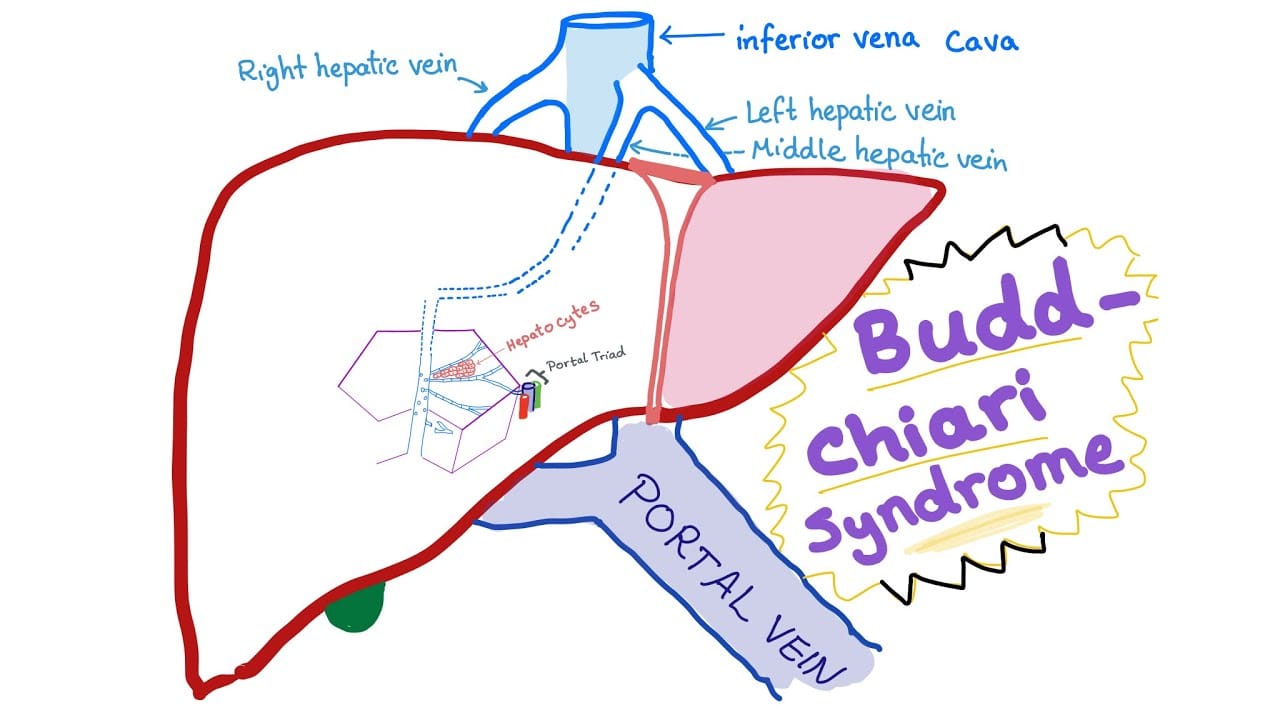
Your liver depends on a steady flow of blood to function properly. Blood enters the liver through two vessels and drains away through the hepatic veins. When that drainage pathway becomes blocked, serious damage follows quickly.
Budd-Chiari syndrome is a rare but serious condition in which the hepatic veins become obstructed. As a result, blood backs up inside the liver, pressure builds, and liver cells begin to die. Without prompt diagnosis and treatment, moreover, the consequences can be life-threatening.
Budd-Chiari syndrome vein obstruction liver damage develops in different ways and at different speeds. However, understanding the condition clearly gives patients and families the knowledge they need to seek help early and make informed decisions about care.
Quick Answer: What Is Budd-Chiari Syndrome?
Budd-Chiari syndrome is a rare liver condition caused by obstruction of the hepatic veins or the inferior vena cava at the level of the liver. This blockage prevents blood from draining out of the liver normally. As a result, blood congests inside the liver, pressure rises, and liver tissue sustains progressive damage.
The condition can develop suddenly, gradually, or remain silent for a long time. It affects people of all ages but most commonly occurs in young adults. Furthermore, without treatment, Budd-Chiari syndrome progresses to liver failure in many cases.
How Blood Normally Flows Through the Liver
Understanding Budd-Chiari syndrome first requires a basic picture of how blood moves through the liver. The liver receives blood from two sources. The portal vein carries nutrient-rich blood from the digestive tract, while the hepatic artery carries oxygenated blood from the heart.
After the liver processes this blood, it drains out through the hepatic veins — typically three major veins called the right, middle, and left hepatic veins. These veins empty into the inferior vena cava, which in turn carries blood back to the heart.
In Budd-Chiari syndrome, however, this outflow pathway becomes blocked. Blood cannot leave the liver efficiently. Consequently, it pools inside the liver and creates a dangerous rise in pressure within the hepatic tissue.
How Vein Obstruction Damages the Liver
Budd-Chiari syndrome vein obstruction liver damage begins the moment blood starts to back up. Congested blood raises pressure inside the liver’s smallest vessels — the sinusoids. As a result, this congestion deprives liver cells of fresh oxygen and nutrients. Consequently, cells in the central zones of liver lobules begin to die first.
As cell death spreads, moreover, the liver attempts to repair itself by laying down scar tissue. Over time, this fibrosis disrupts the normal liver architecture and accelerates functional decline. Furthermore, the rising pressure in the portal system — called portal hypertension — creates dangerous complications throughout the body.
Portal hypertension forces blood to find alternative routes back to the heart. Consequently, fragile collateral vessels develop in the oesophagus, stomach, and abdominal wall. These vessels, called varices, can rupture and bleed severely. In addition, fluid leaks from congested blood vessels into the abdominal cavity, causing ascites — a painful and debilitating accumulation of fluid.
Types of Budd-Chiari Syndrome
Doctors classify Budd-Chiari syndrome in several ways depending on the location and nature of the obstruction.
Primary vs Secondary Budd-Chiari Syndrome
Primary Budd-Chiari syndrome arises from a problem within the veins themselves. A blood clot — called a thrombosis — forms directly inside the hepatic veins or the inferior vena cava. This is therefore the most common form seen in Western countries.
Secondary Budd-Chiari syndrome, on the other hand, occurs when something outside the veins compresses or invades them. Tumours, abscesses, or cysts pressing on the hepatic veins from outside can obstruct blood flow just as effectively as an internal clot. Furthermore, cancer cells invading the vein walls can cause secondary obstruction directly.
Acute, Subacute, and Chronic Forms
Doctors also classify Budd-Chiari syndrome by how quickly it develops. The acute form develops rapidly over days to weeks. It typically causes severe symptoms and, moreover, can progress to acute liver failure without urgent treatment.
The subacute form develops over weeks to months. Symptoms build more gradually, which consequently delays diagnosis in some cases. Nevertheless, ongoing vein obstruction continues to damage the liver throughout this period.
The chronic form develops slowly over many months or years. In some cases, the body partially compensates by developing collateral vessels around the blockage. As a result, some people live with chronic Budd-Chiari syndrome for years before diagnosis. However, the liver continues to sustain progressive damage throughout this time.
What Causes Budd-Chiari Syndrome?
In most cases, Budd-Chiari syndrome results from an underlying condition that makes blood more likely to clot — a tendency called hypercoagulability. Identifying the cause is therefore essential because treating the underlying condition forms a critical part of long-term management.
Blood and Bone Marrow Disorders
Myeloproliferative neoplasms — particularly polycythaemia vera and essential thrombocythaemia — are the most common identifiable cause of Budd-Chiari syndrome in Western countries. These bone marrow disorders cause the body to overproduce blood cells, which consequently increases the risk of abnormal clotting dramatically. Together, myeloproliferative neoplasms account for approximately 40 to 50% of primary Budd-Chiari cases.
Other blood disorders associated with Budd-Chiari syndrome include paroxysmal nocturnal haemoglobinuria, antiphospholipid syndrome, protein C and protein S deficiency, factor V Leiden mutation, and prothrombin gene mutations. Each of these conditions, moreover, disrupts the normal balance of clotting and increases the risk of hepatic vein thrombosis significantly.
Hormonal and Other Risk Factors
The use of oral contraceptives significantly increases the risk of blood clots in susceptible individuals. When combined with an underlying clotting disorder, furthermore, oral contraceptive use substantially raises the risk of Budd-Chiari syndrome. Pregnancy and the postpartum period also elevate clotting risk and have therefore been associated with hepatic vein thrombosis in some cases.
Other contributing factors include inflammatory bowel disease, Behçet’s disease, abdominal infections, trauma, and tumours arising near the hepatic veins. In addition, some patients — estimated at around 20 to 30% — have no identifiable cause despite thorough investigation. Doctors call this idiopathic Budd-Chiari syndrome.
Symptoms of Budd-Chiari Syndrome
The symptoms of Budd-Chiari syndrome vary considerably depending on whether the condition develops acutely, subacutely, or chronically. In all forms, however, Budd-Chiari syndrome vein obstruction liver damage drives the clinical picture.
Acute Symptoms
The acute form presents dramatically. Sudden and severe upper right abdominal pain is usually the first symptom. Rapid and painful abdominal swelling follows as ascites develops quickly. Nausea and vomiting are common. Furthermore, jaundice — yellowing of the skin and eyes — appears as the liver loses its ability to process bilirubin. In the most severe cases, moreover, acute liver failure develops within days, causing confusion, bleeding, and multi-organ dysfunction.
Subacute and Chronic Symptoms
The subacute and chronic forms, on the other hand, present more subtly. Gradual abdominal swelling from slowly developing ascites is often the most prominent feature. Persistent fatigue and general weakness, moreover, reflect ongoing liver dysfunction. Dull pain or discomfort in the upper right abdomen may develop over time. In some cases, furthermore, an enlarged spleen — called splenomegaly — causes a feeling of fullness in the upper left abdomen.
As chronic Budd-Chiari syndrome progresses, symptoms of portal hypertension begin to dominate. These include visible dilated veins on the abdominal wall and gastrointestinal bleeding from ruptured varices. Additionally, progressive worsening of ascites and hepatic encephalopathy cause confusion and cognitive changes as the liver fails to clear toxins from the blood.
A small group of people with chronic Budd-Chiari syndrome, furthermore, develop a pattern called caudate lobe syndrome. The caudate lobe of the liver has its own separate drainage pathway and often escapes obstruction. Consequently, it enlarges significantly as it compensates for the damaged rest of the liver. This caudate lobe enlargement can, in turn, compress the inferior vena cava and worsen the obstruction further.
How Doctors Diagnose Budd-Chiari Syndrome
Early and accurate diagnosis of Budd-Chiari syndrome is critical. Because the condition is rare, therefore, doctors must maintain a high level of clinical suspicion in any patient with unexplained liver disease, ascites, or abdominal pain.
Blood Tests
Blood tests provide important initial clues. Liver function tests typically show elevated bilirubin and liver enzymes, reflecting active liver damage. In acute cases, moreover, these abnormalities are often striking. In chronic cases, however, results may be more subtle and harder to interpret. In addition, blood tests help identify underlying clotting disorders that may have caused the hepatic vein obstruction.
Coagulation studies, a full blood count, and a comprehensive thrombophilia screen — including testing for the JAK2 mutation associated with myeloproliferative neoplasms — therefore form an essential part of the diagnostic workup.
Imaging Studies
Imaging is the cornerstone of diagnosis. Doppler ultrasound of the liver is typically the first imaging study performed. It directly visualises blood flow in the hepatic veins and can detect absent or reversed flow — a hallmark of Budd-Chiari syndrome. Furthermore, it may reveal an enlarged caudate lobe or the presence of collateral vessels.
CT scanning and MRI, moreover, provide more detailed anatomical information. Contrast-enhanced CT or MRI clearly shows the extent of hepatic vein obstruction, the pattern of liver damage, and the presence of complications such as ascites or varices. MRI venography, in addition, provides particularly detailed mapping of the hepatic vein and inferior vena cava anatomy.
Liver Biopsy and Venography
A liver biopsy reveals the characteristic pattern of centrilobular congestion and necrosis seen in Budd-Chiari syndrome. It also helps assess the degree of fibrosis and consequently guides prognosis. However, doctors do not always perform a biopsy, particularly when imaging findings already provide clear diagnostic confirmation.
Venography — a procedure in which doctors inject contrast dye directly into the hepatic veins under X-ray guidance — provides the most definitive anatomical assessment of the obstruction. Furthermore, it allows doctors to measure pressure gradients across the blockage. In addition, it can be combined with treatment procedures such as angioplasty or stenting in the same session, which consequently saves valuable time.
Treatment Options for Budd-Chiari Syndrome
Treatment of Budd-Chiari syndrome vein obstruction liver damage follows a stepwise approach. The goal is therefore to restore hepatic vein blood flow, prevent clot progression, manage complications, and treat the underlying cause.
Anticoagulation Therapy
Anticoagulation — blood-thinning medication — is the foundation of medical treatment for Budd-Chiari syndrome caused by thrombosis. It prevents existing clots from growing and, moreover, reduces the risk of new clots forming. Most patients, therefore, require long-term anticoagulation therapy, often for life, particularly when an underlying clotting disorder is identified.
Doctors typically initiate anticoagulation with low-molecular-weight heparin and then transition to oral anticoagulants for long-term management. Direct oral anticoagulants are increasingly used in clinical practice. However, evidence specific to Budd-Chiari syndrome continues to accumulate and consequently influences prescribing decisions over time.
Treating the Underlying Cause
Treating the underlying condition is equally important. People with myeloproliferative neoplasms, for example, require specific treatment such as hydroxyurea or interferon to reduce blood cell counts and clotting risk. Those with antiphospholipid syndrome, moreover, require lifelong anticoagulation. In addition, hormonal contraceptives should be discontinued in affected individuals.
Angioplasty, Stenting, and TIPS
When anticoagulation alone cannot restore adequate blood flow, doctors therefore consider procedural interventions. Balloon angioplasty involves threading a catheter into the obstructed vein and inflating a small balloon to widen the narrowed segment. Stenting, moreover, places a small metal scaffold inside the vein to keep it open permanently. These procedures work particularly well for short-segment obstructions or membranous webs — a pattern more common in Asian and African populations.
Transjugular intrahepatic portosystemic shunt — known as TIPS — is a more comprehensive intervention. Doctors create an artificial channel inside the liver that connects the portal vein to the hepatic vein, consequently bypassing the obstruction entirely. TIPS reduces portal pressure dramatically and relieves ascites and variceal bleeding. Furthermore, it buys critical time for patients awaiting liver transplantation when the liver is already severely damaged.
Liver Transplantation
Liver transplantation is the definitive treatment for patients with fulminant hepatic failure, advanced cirrhosis, or disease that does not respond to other interventions. It replaces the damaged liver entirely. Outcomes after transplantation for Budd-Chiari syndrome are, moreover, generally good, with five-year survival rates of approximately 70 to 80% in experienced centres.
Importantly, underlying clotting disorders do not disappear after transplantation. Therefore, most patients require ongoing anticoagulation therapy even after receiving a new liver. This consequently prevents recurrence of hepatic vein thrombosis in the transplanted organ.
Living With Budd-Chiari Syndrome
Budd-Chiari syndrome requires lifelong medical management in most cases. However, many people live well for years with appropriate treatment and careful monitoring.
Long-Term Monitoring and Lifestyle
Regular follow-up is essential. Doctors monitor liver function tests, portal pressure, and clotting status at regular intervals. In addition, imaging studies check for recurrent thrombosis, progression of liver damage, and the development of hepatocellular carcinoma — liver cancer — which occurs at higher rates in people with chronic liver disease.
Lifestyle adjustments, moreover, support long-term outcomes meaningfully. Avoiding alcohol protects the already-stressed liver from further harm. Eating a low-sodium diet, furthermore, helps manage ascites effectively. Regular exercise supports overall health and helps maintain a healthy body weight. Additionally, people on anticoagulation therapy must therefore take care to avoid activities carrying a high risk of serious injury and bleeding.
Pregnancy Considerations
Pregnancy in people with Budd-Chiari syndrome requires careful specialist management. The increased clotting tendency of pregnancy can worsen hepatic vein thrombosis. Consequently, close collaboration between hepatology, haematology, and obstetric teams is essential throughout pregnancy and the postpartum period. Anticoagulation management during pregnancy, moreover, requires careful adjustment to protect both the parent and the developing baby.
When to Seek Urgent Medical Help
Seek emergency medical care immediately if you experience sudden and severe pain in the upper right abdomen. Rapid abdominal swelling, vomiting blood, or passing black tarry stools also require urgent attention. Furthermore, sudden confusion, difficulty staying awake, or rapidly worsening jaundice are all warning signs that demand immediate medical evaluation.
These symptoms may signal acute Budd-Chiari syndrome or a serious complication such as variceal bleeding or acute liver failure. In all these situations, moreover, early intervention dramatically improves outcomes. Consequently, any delay in seeking care can be life-threatening and should always be avoided.
Frequently Asked Questions About Budd-Chiari Syndrome Vein Obstruction Liver Damage
1. How rare is Budd-Chiari syndrome?
Budd-Chiari syndrome is very rare. Estimates suggest it affects approximately one person per million per year in Western countries. However, it appears more frequently in some regions of Asia and Africa, where membranous obstruction of the inferior vena cava is a more common underlying pattern. Consequently, global incidence figures vary considerably by region.
2. Can Budd-Chiari syndrome be cured?
In some cases, particularly when a short-segment obstruction or membranous web responds well to angioplasty or stenting, long-term outcomes can be excellent. For others, however, the condition requires lifelong anticoagulation and monitoring. Furthermore, liver transplantation offers a curative option for people with advanced liver failure caused by the syndrome.
3. Is Budd-Chiari syndrome hereditary?
Budd-Chiari syndrome itself is not directly hereditary. However, some of the underlying clotting disorders that cause it — such as factor V Leiden mutation and prothrombin gene mutations — can run in families. Therefore, first-degree relatives of affected individuals may benefit from thrombophilia screening. In addition, genetic counselling may be helpful in families with known inherited clotting disorders.
4. What is the long-term outlook for people with Budd-Chiari syndrome?
The outlook varies widely depending on the speed of diagnosis, the underlying cause, and the response to treatment. People who receive early diagnosis and effective treatment — particularly anticoagulation combined with procedural intervention or transplantation when needed — can consequently achieve good long-term survival. Without treatment, moreover, the prognosis is significantly worse.
5. Can Budd-Chiari syndrome come back after liver transplantation?
Yes, it can recur in the transplanted liver if the underlying clotting disorder remains active and untreated. This is therefore why most transplant recipients with Budd-Chiari syndrome require lifelong anticoagulation therapy after surgery. Consequently, this ongoing treatment protects the new liver from recurrent thrombosis and helps maintain long-term transplant function.
References
- Antiphospholipid Syndrome, commonly called APS, is an autoimmune disease characterized by the production of antibodies against phospholipids.
- Antiphospholipid syndrome is an autoimmune thrombotic disorder characterized by recurrent blood clots and/or pregnancy complications in the presence of antiphospholipid antibodies.
- Autoimmune hepatitis is a chronic autoimmune disease where the body’s immune system mistakenly attacks liver cells causing progressive inflammation and scarring.
- A healthy liver has a remarkable ability to repair itself after minor injury.
Disclaimer
This article is for informational purposes only and does not constitute medical advice. It is not a substitute for professional diagnosis, treatment, or guidance from a licensed healthcare provider. If you have symptoms of Budd-Chiari syndrome or any other medical condition, please consult a qualified doctor promptly. Always follow the advice of your healthcare team for your individual health needs.
Observer Voice is the one stop site for National, International news, Sports, Editor’s Choice, Art/culture contents, Quotes and much more. We also cover historical contents. Historical contents includes World History, Indian History, and what happened today. The website also covers Entertainment across the India and World.

