

Autoimmune Hepatitis: The Liver Disease Caused by Your Own Immune System

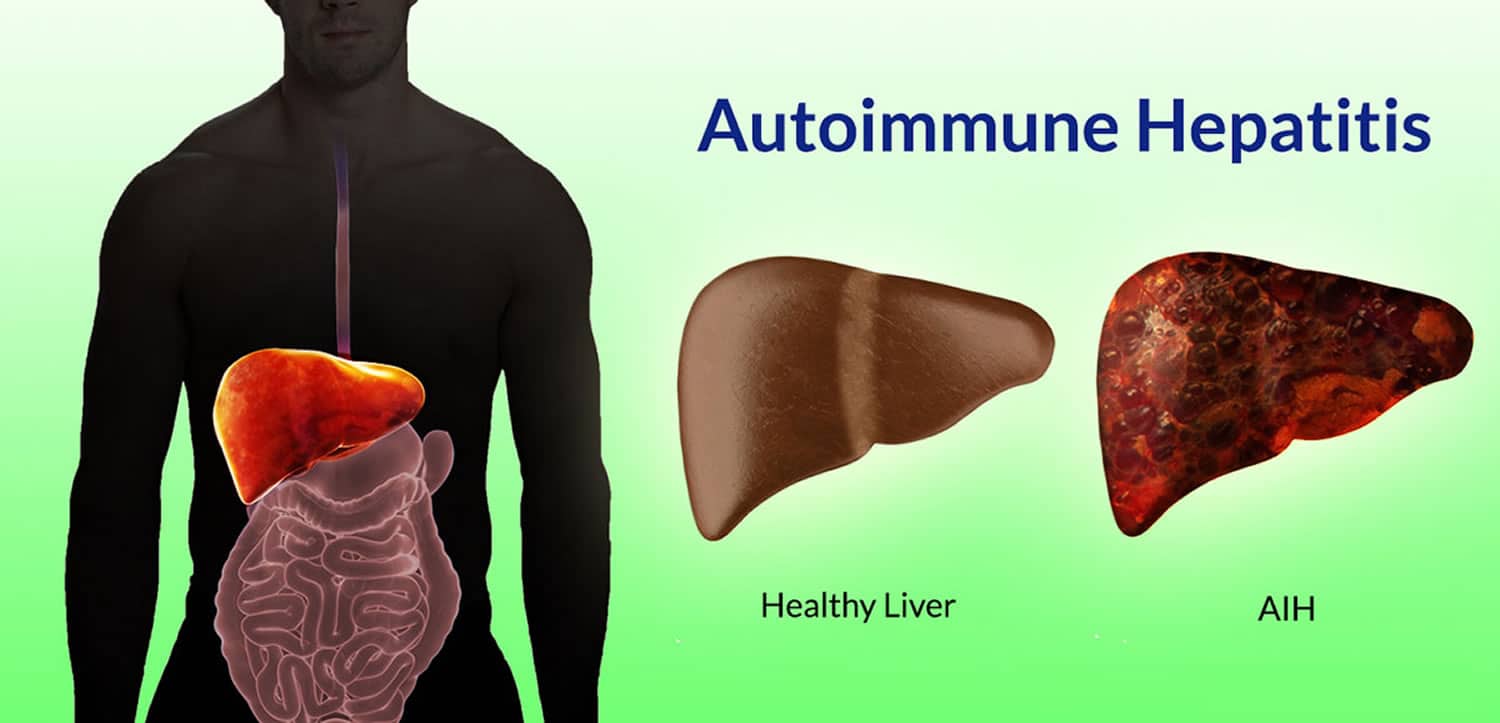
Imagine your body’s immune system mistakenly attacking your liver—the largest internal organ responsible for processing nutrients, filtering blood, and producing essential proteins. The immune attack causes inflammation and scarring. Your liver function gradually deteriorates. Fatigue becomes overwhelming. Jaundice develops, turning your skin and eyes yellow. Without treatment, liver failure develops and you could die. This devastating scenario is the reality for patients with autoimmune hepatitis—a serious chronic liver disease where the immune system attacks liver tissue causing progressive inflammation, scarring, and eventual liver failure. Autoimmune hepatitis is a chronic autoimmune disease where the body’s immune system mistakenly attacks liver cells. T lymphocytes and other immune cells infiltrate the liver causing inflammation. The inflammation damages liver tissue. Repeated inflammation causes scarring (cirrhosis). Progressive scarring leads to liver failure if untreated. Autoimmune hepatitis affects approximately 1 to 2 per million people worldwide. The disease is more common in women than men—approximately 70 percent of patients are women. The disease can develop at any age but typically develops in young to middle-aged women. Autoimmune hepatitis is classified into two types based on autoantibody patterns. Type 1 autoimmune hepatitis has anti-smooth muscle antibodies (anti-SMA) and anti-nuclear antibodies (ANA). Type 2 autoimmune hepatitis has anti-liver kidney microsomal antibodies (anti-LKM). Type 1 is more common. Both types cause similar disease patterns and are treated similarly. What makes autoimmune hepatitis particularly serious is that it cannot be cured—the underlying immune dysfunction is permanent. However, modern treatments are highly effective at suppressing immune attack and preventing liver damage. Corticosteroids and immunosuppressive medications suppress inflammation and halt disease progression. With appropriate treatment, many autoimmune hepatitis patients achieve remission with preserved liver function. However, without treatment, autoimmune hepatitis progresses to cirrhosis and liver failure. In this comprehensive article, we will explore what autoimmune hepatitis is, understand how immune attack damages the liver, recognize early warning symptoms, learn about serious complications, understand diagnosis methods, explore available treatments, and discover management strategies for preserving liver function and quality of life.
Understanding Liver Function and Immune Attack
Before we explore autoimmune hepatitis, we need to understand normal liver function and what happens when the immune system attacks the liver. The liver is the largest internal organ, weighing approximately 3 pounds in adults. The liver sits in the upper right abdomen protected by the ribcage. The liver has multiple vital functions essential for survival. The liver produces bile, which emulsifies fats for digestion and absorption. Bile is stored in the gallbladder and released into the small intestine during meals. The liver metabolizes nutrients from digested food including proteins, carbohydrates, and fats. The liver produces blood clotting factors. Without these factors, excessive bleeding develops. The liver produces albumin and other plasma proteins essential for blood osmotic pressure and transporting substances through blood. The liver detoxifies harmful substances including drugs and environmental toxins through enzymatic processes. The liver produces immune factors including complement proteins. The liver filters blood removing old red blood cells and bacteria. The liver stores glucose as glycogen for release between meals maintaining blood sugar. The liver stores vitamins including fat-soluble vitamins A, D, E, and K. Normal liver function depends on healthy hepatocytes—liver cells performing these vital functions. The liver has remarkable regenerative capacity—even if 70 percent of liver tissue is removed, the remaining tissue can regenerate to full size. Inflammation is a normal immune response to infection or injury. When the liver is infected or injured, immune cells produce inflammatory chemicals causing swelling. This inflammation brings healing factors and immune cells fighting infection. The inflammation is temporary—it resolves as healing occurs. However, in autoimmune hepatitis, inflammation becomes chronic and inappropriate. The immune system continuously attacks healthy liver tissue. Chronic inflammation causes hepatocyte death. Hepatocytes are replaced by fibrosis (scar tissue). Progressive fibrosis scarring hardens the liver. The scarred liver loses normal function. Liver failure develops as scarring worsens. Understanding that autoimmune hepatitis involves chronic, inappropriate immune attack helps explain why immunosuppressive treatments are effective at controlling disease.
What is Autoimmune Hepatitis?
Autoimmune hepatitis is a chronic autoimmune disease where the body’s immune system mistakenly attacks liver cells causing progressive inflammation and scarring. The disease is characterized by liver inflammation (hepatitis) caused by autoimmune mechanism rather than infection or toxins. In autoimmune hepatitis, the body’s immune system becomes dysregulated. Autoantibodies—antibodies against the body’s own proteins—are produced and attack liver-specific proteins. T lymphocytes and other immune cells infiltrate the liver producing inflammatory chemicals. The immune attack causes hepatocyte death and inflammation. What causes the immune system to attack the liver in autoimmune hepatitis is incompletely understood. Genetic factors are important—autoimmune hepatitis runs in families. Specific HLA gene types increase susceptibility. However, genetics alone does not cause autoimmune hepatitis. Environmental factors are also necessary. Infections have been suspected as potential triggers. Viral infections including hepatitis A, B, C, and E virus might trigger autoimmune response in genetically predisposed individuals. However, the infection typically resolves but the autoimmune attack continues. Some drugs have been associated with triggering autoimmune hepatitis. Certain medications might cause autoimmune hepatitis that resolves if the drug is stopped. However, in true autoimmune hepatitis, stopping triggering factors does not resolve disease. Gender differences are striking—women are much more likely to develop autoimmune hepatitis than men. This suggests hormonal factors play a role. Estrogen might influence immune function promoting autoimmune attack. The female predominance is typical of autoimmune diseases generally. Autoimmune hepatitis has two main types based on autoantibody patterns. Type 1 autoimmune hepatitis is positive for anti-smooth muscle antibodies (anti-SMA) and/or antinuclear antibodies (ANA). Type 1 comprises approximately 80 percent of autoimmune hepatitis cases. Type 1 can develop at any age but is more common in young women. Type 2 autoimmune hepatitis is positive for anti-liver kidney microsomal antibodies (anti-LKM). Type 2 comprises approximately 10 percent of autoimmune hepatitis cases. Type 2 typically develops in children and young people. Type 2 is more common in Europe and less common in North America. Both types cause similar disease patterns with similar treatment response. The autoantibody type does not reliably predict disease severity or prognosis. Autoimmune hepatitis is classified by severity. Mild disease involves some inflammation without significant fibrosis. Moderate disease involves more significant inflammation with early fibrosis. Severe disease involves advanced fibrosis or cirrhosis. Severe disease carries worse prognosis if untreated but still responds well to treatment if diagnosed and treated early.
Recognizing Early Symptoms: Warning Signs of Liver Disease
Autoimmune hepatitis symptoms often develop insidiously, sometimes causing subtle symptoms that are initially attributed to other causes. Recognizing early symptoms prompts medical evaluation allowing earlier diagnosis and treatment. Fatigue is the most common symptom. Overwhelming exhaustion disproportionate to activity level develops. Patients report fatigue affecting daily functioning. Fatigue from liver disease is profound—patients might be unable to work or attend school due to tiredness. The fatigue often precedes other symptoms. Jaundice develops as liver function deteriorates. Jaundice causes yellowing of skin and whites of eyes. The yellow discoloration results from elevated bilirubin—a substance produced when hemoglobin breaks down. The liver normally processes bilirubin, but damaged liver cannot process it efficiently. Bilirubin accumulates in blood. Jaundice indicates significant liver dysfunction. Abdominal pain or discomfort develops in some patients. The pain is often localized to the upper right abdomen where the liver sits. The pain might be dull or sharp. Abdominal pain suggests hepatic inflammation. Nausea and loss of appetite develop. Food becomes unappealing. Eating small amounts triggers nausea. These symptoms cause weight loss and malnutrition. Dark urine develops when bilirubin accumulates. The urine becomes dark brown or cola-colored. The dark discoloration results from bilirubin excretion in urine. Pale or clay-colored stools develop when biliary obstruction prevents bile from reaching the intestines. Without bile to color stool, stool becomes pale. Itching (pruritus) develops in some patients. The itching is often severe and unbearable. The itching results from bile salt accumulation in blood. The itching sometimes becomes more bothersome than other symptoms. Joint pain develops in some patients. The joints become painful and sometimes swollen. The joint pain sometimes precedes liver symptoms. Joint pain might be attributed to arthritis before liver disease is recognized. Rash sometimes develops. The rash pattern varies. Some patients develop urticarial rash. Others develop other rash patterns. The rash might suggest other conditions before liver disease is diagnosed. Enlarged liver (hepatomegaly) develops. The liver becomes enlarged from inflammation. The enlargement might be detected on physical examination. Some patients notice abdominal swelling from hepatomegaly. Abdominal swelling (ascites) develops in advanced disease. Fluid accumulates in the abdomen from liver dysfunction. The abdomen swells and becomes tender. Ascites indicates significant liver damage. Many early autoimmune hepatitis patients have no symptoms. The disease is discovered when blood tests ordered for other reasons show abnormal liver function. The absence of early symptoms can delay diagnosis—patients feeling well might not seek medical evaluation. However, asymptomatic patients still have progressive inflammation and require treatment.
How the Liver Becomes Scarred: Understanding Cirrhosis
Understanding how chronic liver inflammation leads to scarring and cirrhosis helps explain why early treatment is crucial. The process develops over months or years if untreated. Hepatocellular injury initiates fibrosis. Immune attack damages hepatocytes. Hepatocytes die and are removed. The liver attempts repair by producing collagen. Initially, mild inflammation causes minimal scarring. The liver’s regenerative capacity replaces damaged cells. However, with continued inflammation, damage exceeds the liver’s repair capacity. Fibrosis development accelerates. Hepatic stellate cells—cells normally storing vitamin A—become activated. Activated stellate cells produce excessive collagen. Collagen accumulates in the liver. The accumulated collagen forms scar tissue. Scar tissue is less flexible and less functional than normal liver tissue. The scarring progressively hardens the liver. Progressive fibrosis stages exist. Fibrosis is classified from F0 (no fibrosis) to F4 (cirrhosis). Patients typically progress from one stage to the next over months or years if untreated. The progression can be arrested or reversed with treatment. Cirrhosis develops as fibrosis becomes extensive. Cirrhosis is irreversible scarring. The normal liver structure is destroyed. Portal hypertension develops—elevated pressure in portal vein carrying blood to the liver. Portal hypertension causes serious complications. Varices (enlarged veins in esophagus) develop. Varices can rupture causing life-threatening bleeding. Ascites (abdominal fluid) develops from portal hypertension. Hepatic encephalopathy develops from liver failure to process ammonia. Elevated ammonia in blood causes confusion and decreased consciousness. Hepatorenal syndrome develops—kidney failure from severe liver disease. Kidney failure causes death without liver transplantation. Liver failure develops. The liver cannot perform vital functions. Hypoglycemia develops. Clotting disorders develop causing bleeding. Infection develops from impaired immune function. Coma and death result without transplantation. Understanding this progression emphasizes why early diagnosis and treatment are crucial. Treatment suppresses immune attack preventing further scarring and halting disease progression.
Diagnosis: Recognizing Autoimmune Hepatitis
Diagnosing autoimmune hepatitis requires combining clinical findings, blood tests, and sometimes liver biopsy. Clinical history is crucial. Doctors ask about symptom onset and pattern. They ask about fatigue, jaundice, abdominal pain, and constitutional symptoms. They ask about risk factors for viral hepatitis. They ask about medication use. Family history of autoimmune disease is important. Physical examination assesses for jaundice, hepatomegaly, and ascites. Blood tests are essential. Liver function tests (LFTs) assess liver function. Alanine aminotransferase (ALT) elevation indicates hepatocyte damage. Alkaline phosphatase (ALP) elevation indicates bile duct involvement. Bilirubin elevation indicates jaundice and liver dysfunction. Albumin and prothrombin time (PT/INR) assess synthetic liver function. Low albumin and prolonged PT indicate severe liver disease. Complete blood count sometimes shows cytopenias from bone marrow suppression or portal hypertension. Autoantibody testing is crucial. Anti-smooth muscle antibodies (anti-SMA) are found in approximately 80 percent of Type 1 autoimmune hepatitis patients. Antinuclear antibodies (ANA) are found in approximately 50 percent. Anti-liver kidney microsomal antibodies (anti-LKM) are found in Type 2 autoimmune hepatitis. These autoantibodies are relatively specific for autoimmune hepatitis. Other autoimmune markers might be found including anti-mitochondrial antibodies and anti-centromere antibodies suggesting overlap with other autoimmune diseases. Immunoglobulin G (IgG) levels are often elevated. Elevated IgG is characteristic of autoimmune hepatitis. IgG elevation helps support diagnosis. Viral serologies are tested to exclude viral hepatitis. Hepatitis A, B, C, and E antibodies are tested. Negative viral serologies help confirm autoimmune rather than infectious hepatitis. Liver biopsy is sometimes performed for diagnosis confirmation. Liver tissue shows characteristic changes of autoimmune hepatitis. Immune cells infiltrate the portal and periportal areas. Interface hepatitis—inflammation at the boundary between portal triads and hepatocytes—is characteristic. The degree of inflammation and fibrosis is assessed. Biopsy findings guide treatment decisions. Some patients start treatment based on clinical and blood test findings without biopsy. Fibrosis staging on biopsy helps determine prognosis. Imaging studies assess liver structure. Ultrasound shows liver echotexture changes suggesting fibrosis or cirrhosis. CT or MRI provides detailed liver imaging. Fibroscan (transient elastography) noninvasively measures liver stiffness indicating fibrosis degree. Noninvasive fibrosis assessment increasingly replaces biopsy. The diagnosis of autoimmune hepatitis based on characteristic clinical presentation, elevated transaminases, positive autoantibodies, elevated IgG, and liver biopsy showing lymphocytic infiltration allows confident diagnosis. Early diagnosis allows treatment before advanced fibrosis develops.
Treatment: Suppressing Immune Attack and Preserving Liver Function
Autoimmune hepatitis treatment aims to suppress immune attack, induce remission, prevent cirrhosis, and preserve liver function. Corticosteroids are the first-line treatment. Prednisone at high initial doses (0.5 to 1 mg/kg/day or typically 40 to 60 mg daily) suppresses immune attack. Patients receiving appropriate doses experience rapid improvement. Liver enzymes decrease. Bilirubin decreases. Jaundice resolves. Fatigue improves. The corticosteroid dose is gradually tapered over months. Doses are reduced slowly as disease improves. Many patients require ongoing low-dose corticosteroids (5 to 10 mg daily) for years to maintain remission. Immunosuppressive medications reduce corticosteroid requirements. Azathioprine is used alongside corticosteroids. The combination of corticosteroids and azathioprine allows lower corticosteroid doses reducing long-term steroid side effects. Mycophenolate mofetil helps some patients. 6-mercaptopurine (6-MP) is sometimes used. Methotrexate might help some patients. These immunosuppressive medications suppress the underlying immune dysfunction. Tacrolimus is sometimes used in treatment-resistant cases. Ursodeoxycholic acid helps some patients. This medication increases bile flow and might reduce inflammation. Ursodeoxycholic acid is particularly helpful if cholestasis (bile accumulation) is significant. Budesonide (a local corticosteroid) is sometimes used instead of prednisone. Budesonide has fewer systemic side effects than prednisone. However, budesonide is less effective than prednisone in severe disease. Biologic therapies are being studied. Rituximab (B-cell depletion) might help treatment-resistant cases. TNF inhibitors are being investigated. These novel therapies might improve outcomes in the future. Liver transplantation is necessary if cirrhosis develops or medical therapy fails. Transplantation cures autoimmune hepatitis by removing the diseased liver. However, autoimmune hepatitis can recur in the transplanted liver in some patients. Immunosuppression after transplantation prevents or slows recurrence. Treatment success is measured by improved liver function. Liver enzymes should normalize. Bilirubin should normalize. Symptoms should resolve. Remission is achieved when inflammation suppresses and liver function normalizes. Remission is maintained with ongoing immunosuppressive therapy. Some patients eventually discontinue therapy if sustained remission occurs. However, most patients relapse if therapy is stopped—lifelong treatment is often necessary.
Living with Autoimmune Hepatitis: Managing Chronic Liver Disease
Living with autoimmune hepatitis requires strict medication adherence, regular medical monitoring, lifestyle modifications, and psychological adjustment. Taking medications exactly as prescribed is absolutely essential. Missing doses allows immune attack to resume causing flares and liver damage. Regular dosing maintains disease suppression. Immunosuppressive medications require regular blood monitoring for side effects. Attending hepatology appointments regularly ensures disease monitoring. Blood tests assess liver function and disease activity. Ultrasound or other imaging periodically assesses cirrhosis progression. Fibroscan monitors liver fibrosis. Treatment adjustments are made based on disease activity and liver function. Regular monitoring prevents serious complications. Monitoring for cirrhosis complications is crucial. Ascites development requires diuretic treatment and salt restriction. Variceal screening via endoscopy detects at-risk veins that might rupture. Hepatic encephalopathy risk requires monitoring for confusion or behavioral changes. Kidney function requires regular assessment. Monitoring for medication side effects is important. Corticosteroid side effects include bone loss, infections, and metabolic changes. Blood glucose monitoring detects steroid-induced diabetes. Blood pressure monitoring detects corticosteroid hypertension. Bone density monitoring detects osteoporosis. Immunosuppressive medication side effects require monitoring. Avoiding alcohol is absolutely essential. Alcohol damages liver and worsens autoimmune hepatitis. Complete alcohol avoidance is necessary. Alcohol worsens liver function and accelerates cirrhosis progression. Avoiding hepatotoxic medications is important. Many medications damage liver. Acetaminophen at high doses damages liver. NSAIDs can impair liver function. Certain herbal supplements damage liver. Medication use requires discussing with the hepatologist before use. Vaccinations help prevent infections. Hepatitis A and B vaccines help prevent those infections. Flu vaccine prevents influenza. Pneumococcal vaccine prevents pneumococcal disease. Live vaccines are avoided with immunosuppression. Nutrition supports liver health. Protein supports albumin synthesis and liver regeneration. Adequate calories support healing. Vitamins including fat-soluble vitamins are important. Patients with cirrhosis need sodium restriction to prevent ascites. Fluid restriction sometimes becomes necessary. Dietary counseling optimizes nutrition. Weight management helps reduce liver stress. Excess weight worsens liver disease. Weight loss if overweight improves outcomes. Exercise appropriate for current disease stage helps overall health. Mental health support helps cope with chronic disease. Depression is common with chronic liver disease. Counseling addresses psychological effects. Support groups provide understanding from others with autoimmune hepatitis. Antidepressants help some patients. Work and life modifications might be necessary. Some patients require reduced work hours. Disability becomes necessary for some. Fatigue sometimes prevents full-time employment. Financial planning is important—ongoing medical care creates financial burden.
Frequently Asked Questions (FAQs)
Q1: Is autoimmune hepatitis contagious?
No, autoimmune hepatitis is absolutely not contagious. You cannot catch autoimmune hepatitis from another person through any form of contact. Autoimmune hepatitis is an autoimmune disease resulting from the body’s own immune system malfunctioning, not from infection with contagious organisms. However, autoimmune hepatitis runs in families suggesting genetic factors increase risk. If family members have autoimmune hepatitis or other autoimmune diseases, their risk is higher.
Q2: Can autoimmune hepatitis be cured?
Autoimmune hepatitis cannot be cured because the underlying immune dysfunction is permanent. However, with appropriate treatment, disease activity can be suppressed and remission achieved. Most patients require long-term immunosuppressive therapy to maintain remission. Some patients eventually discontinue therapy, but many require lifelong treatment. Liver transplantation is curative but carries transplantation risks.
Q3: Why are corticosteroids necessary despite side effects?
Corticosteroids are necessary because they rapidly suppress immune attack preventing liver damage. Without treatment, autoimmune hepatitis progresses to cirrhosis and liver failure. The short-term corticosteroid use to induce remission is justified by preventing serious liver damage. Once remission is achieved, doses are tapered to minimize side effects. Long-term side effects must be weighed against preventing liver failure.
Q4: Can someone with autoimmune hepatitis have a normal life expectancy?
Many autoimmune hepatitis patients diagnosed early and treated appropriately have normal or near-normal life expectancy. Those without cirrhosis at diagnosis and achieving remission with treatment have excellent prognosis. However, patients with advanced cirrhosis at diagnosis have reduced life expectancy without transplantation. Early diagnosis and aggressive treatment optimize outcomes.
Q5: Is liver transplantation necessary for autoimmune hepatitis?
Liver transplantation becomes necessary if cirrhosis develops or medical therapy fails to control disease. However, most autoimmune hepatitis patients respond well to medical therapy and never need transplantation. Those achieving remission with immunosuppressive therapy maintain liver function indefinitely. Transplantation is reserved for those failing medical therapy or with end-stage liver disease.
Key Takeaways
Autoimmune hepatitis is a chronic autoimmune disease where the immune system attacks liver cells causing progressive inflammation and scarring. Women are much more likely than men to develop autoimmune hepatitis. Type 1 autoimmune hepatitis is more common and has anti-smooth muscle antibodies. Type 2 has anti-liver kidney microsomal antibodies. Early symptoms including fatigue, jaundice, abdominal pain, and dark urine should prompt medical evaluation. Many patients are asymptomatic and discovered through abnormal liver function tests. Without treatment, autoimmune hepatitis progresses to cirrhosis and liver failure. Diagnosis combines elevated liver enzymes, positive autoantibodies, elevated immunoglobulin G, and liver biopsy findings. High-dose corticosteroids suppress immune attack and induce remission. Immunosuppressive medications allow lower corticosteroid doses. Lifelong immunosuppressive therapy is usually necessary to maintain remission. With appropriate treatment, most autoimmune hepatitis patients preserve liver function and maintain good quality of life. Liver transplantation is necessary for treatment-resistant disease or advanced cirrhosis.
References
- World Health Organization (WHO). “Autoimmune Hepatitis and Liver Disease.” Retrieved from https://www.who.int/
- American College of Gastroenterology. “Autoimmune Hepatitis: Clinical Guidelines and Resources.” Retrieved from https://gi.org/
- Mayo Clinic. “Autoimmune Hepatitis: Causes, Symptoms, and Treatment.” Retrieved from https://www.mayoclinic.org/
- Cleveland Clinic. “Autoimmune Hepatitis: Complete Information and Management.” Retrieved from https://my.clevelandclinic.org/
- American Liver Foundation. “Autoimmune Hepatitis Patient Resources.” Retrieved from https://www.liverfoundation.org/
- National Institute of Diabetes and Digestive and Kidney Diseases. “Autoimmune Hepatitis.” Retrieved from https://www.niddk.nih.gov/
Related Articles on ObserverVoice.com
Explore more health and science topics on our platform:
- Understanding Autoimmune Diseases: When Your Immune System Attacks Itself
- The Liver: Function, Disease, and Maintaining Hepatic Health
- Chronic Liver Disease: Understanding Progressive Cirrhosis
- Immune System Health: Supporting Your Body’s Defense
- Living with Chronic Illness: Adaptation and Support Strategies
- Inflammation and Disease: Understanding Your Body’s Response
Disclaimer
This article adapts publicly available information from WHO sources. This content is for informational and educational purposes only and does not constitute medical advice. [ObserverVoice.com] is a news and information platform — not a healthcare provider. If you suspect you have autoimmune hepatitis, experiencing fatigue, jaundice, or abdominal pain, consult a qualified hepatologist or gastroenterologist for proper evaluation. Early diagnosis is crucial for preventing cirrhosis and liver failure. Always seek guidance from licensed healthcare specialists for diagnosis and treatment.
Observer Voice is the one stop site for National, International news, Sports, Editor’s Choice, Art/culture contents, Quotes and much more. We also cover historical contents. Historical contents includes World History, Indian History, and what happened today. The website also covers Entertainment across the India and World.

