

Liver Cirrhosis: Stages, Causes, and How to Slow Its Progression

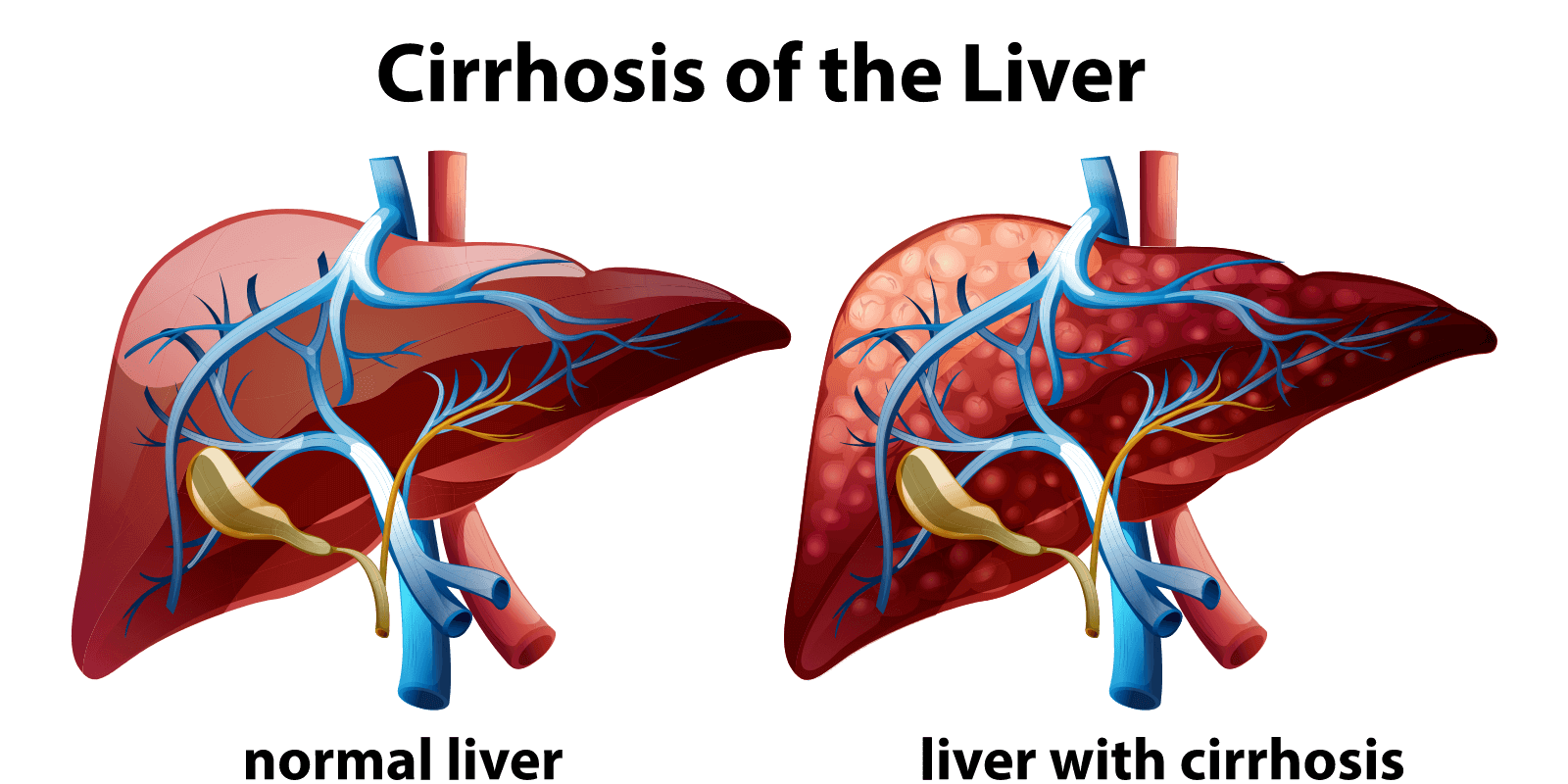
Your liver is one of the hardest-working organs in your body. It filters your blood, produces essential proteins, and helps digest food every single day. However, when the liver sustains repeated damage over time, it begins to scar.
This scarring is called cirrhosis. Over time, scar tissue replaces healthy liver cells and the liver gradually loses its ability to function. Liver cirrhosis is a serious condition, but understanding it early can make a real difference.
Knowing the liver cirrhosis stages, causes, and progression helps you take action before the damage becomes irreversible. With the right care and lifestyle changes, many people slow the disease significantly and live well for years.
Quick Answer: What Is Liver Cirrhosis?
Liver cirrhosis is the advanced scarring of liver tissue caused by long-term liver damage. As scar tissue builds up, it blocks blood flow through the liver and prevents healthy cells from doing their jobs. Over time, this leads to liver dysfunction and potentially liver failure.
Cirrhosis develops slowly over many years. In its early stages, the liver can still function reasonably well. However, without treatment and lifestyle changes, the damage continues to worsen until the liver can no longer compensate.
What Happens to the Liver in Cirrhosis?
A healthy liver has a remarkable ability to repair itself after minor injury. However, when damage is repeated or ongoing, this repair process breaks down. Instead of regenerating healthy tissue, the liver lays down fibrous scar tissue.
This scar tissue is stiff and non-functional. It disrupts the normal architecture of the liver and blocks the tiny blood vessels that supply liver cells with oxygen and nutrients. As a result, liver cells die and more scar tissue replaces them.
Over time, the liver shrinks and hardens. It loses the ability to filter toxins, produce clotting proteins, regulate blood sugar, and support digestion. Consequently, the effects of cirrhosis spread beyond the liver and affect the entire body.
The Four Stages of Liver Cirrhosis
Understanding the liver cirrhosis stages helps doctors assess how much function remains and what treatment is needed. Cirrhosis broadly divides into two phases and four histological stages.
Stage One — Inflammation Without Fibrosis
In stage one, the liver is inflamed but has not yet developed significant scarring. The liver still functions normally at this point. Many people have no symptoms at all. However, this is the most important stage at which to intervene, as stopping the cause of damage here can prevent fibrosis from developing.
Stage Two — Early Fibrosis
In stage two, scar tissue begins to form around the portal tracts — the areas where blood vessels and bile ducts enter the liver. The liver still compensates well at this stage. Nevertheless, continued damage will push the disease forward into more serious territory.
Stage Three — Bridging Fibrosis
Stage three sees scar tissue extending and connecting different areas of the liver. This bridging fibrosis significantly disrupts normal liver architecture. Furthermore, blood flow through the liver becomes increasingly restricted. At this stage, reversing the damage becomes much harder, though slowing progression remains possible.
Stage Four — Established Cirrhosis
Stage four is fully established cirrhosis. The liver carries heavy scarring and structural distortion. At this point, cirrhosis divides further into two important clinical phases — compensated and decompensated.
In compensated cirrhosis, the liver is heavily damaged but still manages to perform most of its functions. Many people remain in this phase for years without major symptoms. In decompensated cirrhosis, the liver can no longer compensate. Serious complications develop, including fluid in the abdomen, internal bleeding, and liver failure.
What Causes Liver Cirrhosis?
Liver cirrhosis stages, causes, and progression are closely tied to the underlying trigger driving the ongoing damage. Identifying and treating the root cause is the single most important step in slowing progression.
Alcohol-Related Liver Disease
Long-term heavy alcohol use is one of the most common causes of cirrhosis worldwide. Alcohol directly damages liver cells. Over years of heavy drinking, repeated cycles of inflammation and repair eventually lead to permanent scarring. Even moderate drinkers can develop liver damage if other risk factors are present.
Non-Alcoholic Fatty Liver Disease
Non-alcoholic fatty liver disease, known as NAFLD, is now the fastest-growing cause of cirrhosis globally. It occurs when excess fat accumulates in the liver. In some people, this fat triggers inflammation — a condition called non-alcoholic steatohepatitis or NASH. Over time, NASH progresses to fibrosis and cirrhosis. Obesity, type 2 diabetes, and high cholesterol are the main risk factors.
Viral Hepatitis
Chronic infection with hepatitis B or hepatitis C virus is a leading cause of cirrhosis worldwide. Both viruses cause ongoing liver inflammation that gradually destroys liver tissue over years or decades. Fortunately, effective antiviral treatments now exist for both infections. Early treatment can halt liver damage and prevent cirrhosis from developing.
Autoimmune and Other Causes
Autoimmune conditions such as autoimmune hepatitis, primary biliary cholangitis, and primary sclerosing cholangitis cause the immune system to attack liver tissue or bile ducts. Without treatment, the resulting inflammation leads to fibrosis and cirrhosis over time.
Additional causes include inherited metabolic conditions such as haemochromatosis and Wilson’s disease, long-term use of certain medications, chronic heart failure causing blood to back up into the liver, and blockages or damage to the bile ducts. In some cases, no clear cause emerges. Doctors call this cryptogenic cirrhosis.
Symptoms of Liver Cirrhosis
Early and Compensated Stage Symptoms
Liver cirrhosis often develops silently. In the early and compensated stages, many people experience no symptoms at all. As a result, the condition frequently comes to light through routine blood tests or imaging for an unrelated problem.
When symptoms do appear, they depend on how advanced the disease has become. Early symptoms include persistent fatigue and weakness, loss of appetite and unintentional weight loss, mild pain or discomfort in the upper right abdomen, and easy bruising due to reduced clotting protein production.
Decompensated Stage Symptoms
As cirrhosis progresses into the decompensated stage, more serious symptoms emerge. Jaundice — yellowing of the skin and eyes — develops because the liver can no longer process bilirubin effectively. Ascites causes noticeable abdominal swelling as fluid accumulates in the abdomen. Oedema causes swelling in the legs and ankles. Spider angiomas — small, spider-shaped blood vessels — appear on the skin.
Additionally, hepatic encephalopathy causes confusion, forgetfulness, and personality changes as toxins build up in the blood. In men, cirrhosis can also cause testicular atrophy and enlarged breast tissue due to hormonal changes. In women, it can cause irregular or absent menstrual periods.
How Doctors Diagnose Liver Cirrhosis
Doctors use several tools to diagnose cirrhosis and assess its stage and severity.
Blood Tests and Imaging
Blood tests are usually the first step. Liver function tests measure levels of bilirubin, albumin, and liver enzymes. Low albumin and elevated bilirubin suggest the liver is struggling. A complete blood count may also reveal low platelet counts, which are common in cirrhosis.
Imaging studies such as ultrasound, CT scan, or MRI allow doctors to assess the size, texture, and structure of the liver. A shrunken, nodular liver on imaging is a classic sign of cirrhosis. Imaging also helps detect complications such as ascites or enlarged blood vessels.
Elastography and Liver Biopsy
Elastography — a specialised ultrasound or MRI technique — measures liver stiffness directly. A stiff liver indicates significant fibrosis or cirrhosis. In many cases, elastography has replaced the need for a liver biopsy.
A liver biopsy remains the most definitive way to confirm cirrhosis and identify its stage. However, doctors now recommend it only when non-invasive tests produce unclear results.
How to Slow the Progression of Liver Cirrhosis
Slowing liver cirrhosis stages and progression requires treating the underlying cause and making meaningful lifestyle changes. While established cirrhosis cannot fully reverse, its progression can slow significantly in most people.
Treat the Underlying Cause First
Addressing the root cause is the most powerful intervention available. Stopping alcohol completely halts alcohol-related liver damage and can stabilise the disease. Effective antiviral therapy for hepatitis B and C suppresses viral activity and allows the liver to partially recover. Managing obesity, diabetes, and cholesterol reduces the progression of NAFLD-related cirrhosis. Similarly, treating autoimmune liver disease with appropriate immunosuppressive medications reduces ongoing inflammation.
Avoid Alcohol and Follow a Liver-Friendly Diet
Even in non-alcohol-related cirrhosis, alcohol causes additional direct harm to already-damaged liver tissue. Therefore, complete alcohol avoidance is essential for everyone with cirrhosis, regardless of the original cause.
Nutrition plays a vital role in supporting liver function. A low-sodium diet helps prevent and manage ascites. Adequate protein intake supports muscle mass, which tends to decline in people with cirrhosis. Eating small, frequent meals helps manage blood sugar and reduces the burden on the liver. Additionally, people with cirrhosis should avoid raw shellfish and unpasteurised foods, which carry a higher risk of serious bacterial infection.
Manage Medications and Monitor Regularly
Many common medications — including paracetamol in high doses, NSAIDs such as ibuprofen, and certain herbal supplements — can worsen liver damage. Consequently, people with cirrhosis should review all medications and supplements with their doctor regularly. Always inform every healthcare provider about the cirrhosis diagnosis before starting any new treatment.
Regular monitoring allows doctors to detect and treat complications early. Six-monthly ultrasound scans check for hepatocellular carcinoma — liver cancer — which develops more commonly in people with cirrhosis. Endoscopy checks for oesophageal varices — enlarged, fragile blood vessels that can bleed dangerously. Blood tests monitor liver function, kidney function, and electrolyte levels. Furthermore, bone density scans help detect osteoporosis, which occurs more commonly in people with chronic liver disease.
Maintain a Healthy Weight and Stay Vaccinated
Excess body weight accelerates liver damage in people with NAFLD and worsens outcomes across all forms of cirrhosis. Even modest weight loss of 5 to 10% of body weight can meaningfully reduce liver fat and inflammation. Regular physical activity also helps improve insulin sensitivity and reduce portal pressure.
People with cirrhosis face greater vulnerability to serious infections. Therefore, vaccination against hepatitis A, hepatitis B, influenza, and pneumococcal disease is strongly recommended. These infections can trigger acute liver decompensation in people whose livers are already working hard to compensate.
When to Seek Emergency Medical Help
Some symptoms of decompensated cirrhosis require emergency medical attention immediately. Seek urgent care if you experience sudden and severe abdominal swelling, vomiting blood or passing black tarry stools, sudden confusion or difficulty staying awake, high fever with abdominal pain, or rapidly worsening yellowing of the skin.
These symptoms may indicate life-threatening complications such as variceal bleeding, spontaneous bacterial peritonitis, or acute liver failure. In all of these situations, every minute matters and delay can be dangerous.
Liver Transplantation
For people with end-stage liver disease, a liver transplant is the only curative option. Transplantation replaces the damaged liver with a healthy donor liver. Outcomes after liver transplantation are generally very good, with five-year survival rates exceeding 70 to 80% in most transplant centres.
Eligibility depends on the severity of liver disease, the absence of active alcohol use, the absence of other serious medical conditions, and the availability of a suitable donor organ. Doctors use the Model for End-Stage Liver Disease score — known as MELD — to prioritise patients on the transplant waiting list based on medical urgency.
Frequently Asked Questions About Liver Cirrhosis Stages, Causes, and Progression
1. Can liver cirrhosis be reversed?
Early-stage fibrosis can sometimes partially reverse when the underlying cause is removed. However, established cirrhosis at stage four cannot fully reverse. The goal of treatment at this stage is to slow progression, manage complications, and preserve remaining liver function for as long as possible.
2. How quickly does liver cirrhosis progress?
Progression varies widely depending on the underlying cause, lifestyle factors, and whether treatment is in place. Some people remain in the compensated stage for decades. Others progress to decompensation more rapidly, particularly if they continue drinking alcohol or leave the underlying cause untreated.
3. What is the difference between compensated and decompensated cirrhosis?
In compensated cirrhosis, the liver carries heavy scarring but still manages to perform most of its key functions. In decompensated cirrhosis, the liver can no longer compensate and serious complications such as ascites, variceal bleeding, and hepatic encephalopathy develop. Decompensated cirrhosis carries a significantly worse prognosis.
4. Is liver cirrhosis the same as liver failure?
No, they are not the same condition. Cirrhosis refers to permanent scarring of the liver. Liver failure occurs when the liver can no longer perform enough of its functions to sustain the body. Cirrhosis can eventually lead to liver failure, but many people with cirrhosis never reach that point with proper management.
5. Can a person with cirrhosis live a normal life?
Many people with compensated cirrhosis live full and active lives for many years. With the right treatment, lifestyle adjustments, and regular monitoring, slowing progression significantly and maintaining good quality of life is entirely possible. However, the condition does require long-term commitment to medical care and meaningful lifestyle changes.
References
- Autoimmune hepatitis is a chronic autoimmune disease where the body’s immune system mistakenly attacks liver cells causing progressive inflammation and scarring.
- Autoimmune Hepatitis causes variable symptoms depending on disease severity and stage.
- Primary biliary cirrhosis bile duct damage starts at the cellular level.
Disclaimer
This article is for informational purposes only and does not constitute medical advice. It is not a substitute for professional diagnosis, treatment, or guidance from a licensed healthcare provider. If you have symptoms of liver cirrhosis or any other medical condition, please consult a qualified doctor promptly. Always follow the advice of your healthcare team for your individual health needs.
Observer Voice is the one stop site for National, International news, Sports, Editor’s Choice, Art/culture contents, Quotes and much more. We also cover historical contents. Historical contents includes World History, Indian History, and what happened today. The website also covers Entertainment across the India and World.

