

General Assembly Officials Urge Urgent Action Against Normalization of Racism on Anti-Racial Discrimination Day

Racism remains a pressing global issue, with its historical roots and modern manifestations continuing to divide societies and dehumanize communities, according to senior United Nations officials. During a General Assembly meeting held to commemorate the International Day for the Elimination of Racial Discrimination, they emphasized the urgent need for collective action to promote equality, justice, and human rights. This annual observance, established by the UN in 1966, honors the memory of 69 peaceful protesters killed in Sharpeville, South Africa, in 1960, marking a pivotal moment in the struggle against apartheid.
Global Call for Action Against Racism
In her opening remarks, General Assembly President Annalena Baerbock of Germany highlighted the pervasive nature of racism, stating that no nation is immune to its effects. She quoted South African Anglican bishop Desmond Tutu, who famously said, “Peace cannot exist without justice, and justice cannot exist where discrimination persists.” Baerbock underscored that the fight against racism is not limited to one group but encompasses various forms of discrimination, including islamophobia, antisemitism, sexism, and homophobia. Each of these forms of hatred leads to the same outcome: dehumanization.
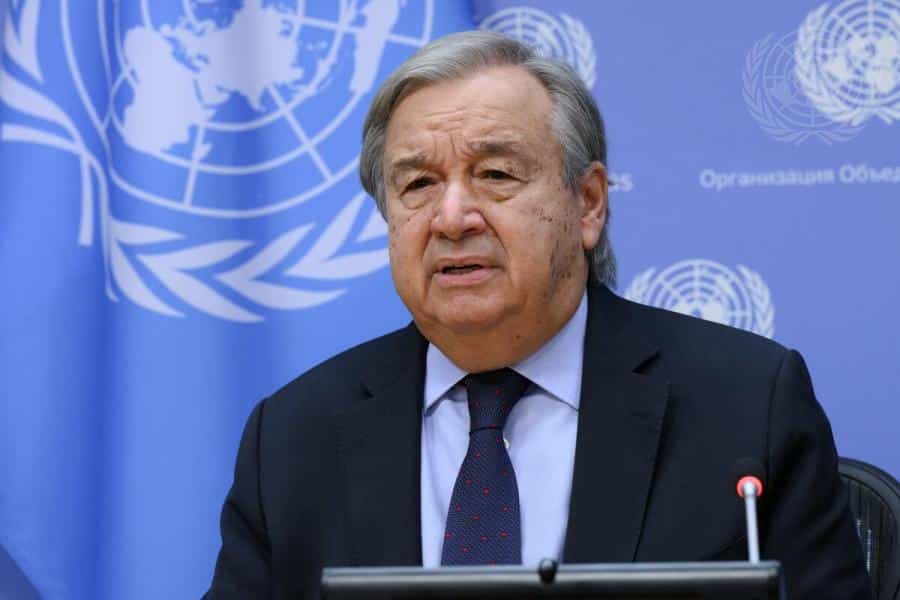
UN Secretary-General António Guterres echoed these sentiments, expressing deep concern over the normalization of racism and xenophobia on digital platforms and in political discourse. He warned that what may start as subtle coded messages can quickly escalate into overt hate speech. Guterres called for solidarity among governments, institutions, businesses, and communities to protect the dignity and rights of all individuals, emphasizing that collective efforts are essential to combat racism effectively.
Progress and Challenges in Anti-Racism Efforts
UN High Commissioner for Human Rights Volker Türk acknowledged the advancements made through global anti-racism frameworks, such as the Convention on the Elimination of All Forms of Racial Discrimination. These instruments have spurred significant changes at the national level, including the establishment of anti-discrimination laws and equality institutions. However, Türk cautioned that the world is at a critical juncture where progress is being questioned and even reversed. He pointed out that race remains the most common basis for discrimination worldwide, with many countries lacking comprehensive anti-racism legislation as hate speech continues to proliferate, often targeting minorities both online and offline.
Türk urged the international community to confront the legacies of enslavement and colonialism while reforming global governance systems that perpetuate inequality. He emphasized that being anti-racist means advocating for human rights and justice for all, rather than aligning with one group against another.
Reparatory Justice and Economic Equity
Justin Hansford, founder of the Thurgood Marshall Civil Rights Center, highlighted the importance of reparatory justice in defining equity in the 21st century. He noted that the Permanent Forum on People of African Descent serves as both a mechanism and a moral imperative for advancing the rights of people of African descent. This forum has engaged over 500 civil society representatives and more than 1,000 attendees at its annual meetings, ensuring that grassroots voices shape the agenda and draft declarations.
Hansford asserted that people of African descent are rising to demand justice and will not wait another century for reparations. He emphasized that the United Nations plays a crucial role in restoring human dignity and addressing the historical injustices faced by marginalized communities.
Confronting Historical Injustices
Representatives from various nations underscored the need to address the historical roots of discrimination, including the impacts of slavery and colonialism. The delegate from Mali called for the elimination of structural racism, which manifests in racial profiling and unequal access to essential services like education and healthcare. He urged states to prioritize global reparatory and economic justice as vital components in tackling systemic inequalities.
The representative from Colombia stressed that the consequences of past injustices cannot be dismissed as mere historical episodes. He highlighted the ongoing effects of institutional violence and discrimination against Indigenous and Afro-descendant peoples in the Global South. South Africa’s delegate reflected on the country’s liberation history, linking it to the broader struggle against racism and emphasizing the need for continued vigilance and action.
Observer Voice is the one stop site for National, International news, Sports, Editor’s Choice, Art/culture contents, Quotes and much more. We also cover historical contents. Historical contents includes World History, Indian History, and what happened today. The website also covers Entertainment across the India and World.
Follow Us on Twitter, Instagram, Facebook, & LinkedIn

