

IMF: Early to Assess Impact of West Asia Conflict on Energy Prices and Market Volatility

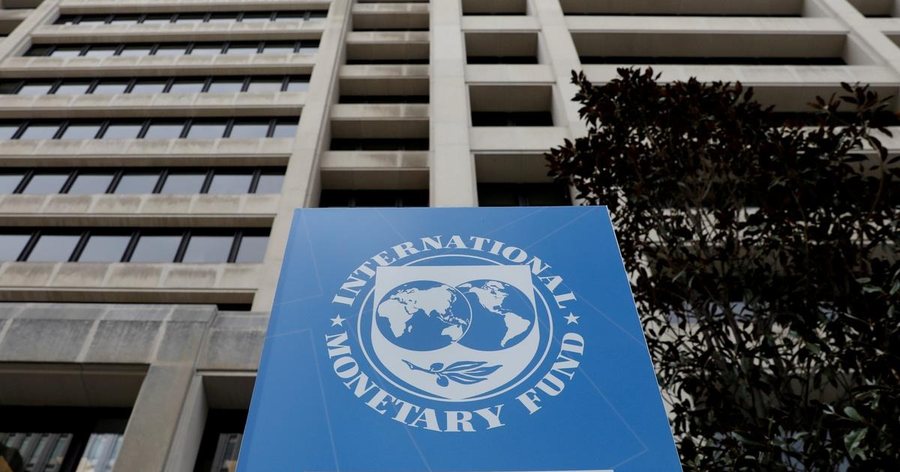
With rising tensions in West Asia, the International Monetary Fund (IMF) has announced that it is closely monitoring the situation. The organization cautioned that it is premature to evaluate the economic repercussions on the region and the global economy. As trade disruptions and energy market volatility increase, the IMF noted significant fluctuations in energy prices and financial markets, highlighting the uncertain global economic landscape.
IMF’s Cautious Outlook
In a recent statement, the IMF acknowledged the ongoing disruptions to trade and economic activities in West Asia. The organization pointed out that the current situation is fluid, which complicates any assessment of its potential economic impact. The IMF emphasized that the extent and duration of the conflict will significantly influence the economic fallout. As governments worldwide assess the implications of the escalating hostilities, concerns about oil supplies and global financial stability have come to the forefront. The IMF’s remarks reflect a growing apprehension about how these developments could affect economies beyond the immediate region.
India’s Preparedness Amidst Regional Tensions
In response to the evolving situation in the Middle East, India’s Petroleum and Natural Gas Minister, Hardeep Singh Puri, assured that the country is well-prepared to handle any disruptions in energy supplies. He stated that India is adequately stocked with crude oil and essential petroleum products, including petrol, diesel, and aviation turbine fuel (ATF). This preparedness aims to address any short-term challenges that may arise from the ongoing conflict in the region. Puri also highlighted that Indian energy companies have access to supplies that do not pass through the Strait of Hormuz, ensuring that alternative cargoes remain available to mitigate potential disruptions.
Monitoring and Control Measures
To ensure a steady supply of petroleum products, the Indian government has established a 24×7 Control Room dedicated to monitoring stock levels and supply positions across the country. Minister Puri expressed confidence in the nation’s energy security, stating that the government is “reasonably comfortable in terms of stocks.” He emphasized that safeguarding the interests of Indian consumers is the top priority. The government is prepared to implement phased measures if necessary, based on continuous monitoring of the situation.
Strategic Reserves and Supply Security
Current government sources indicate that India possesses approximately eight weeks’ worth of crude oil and petroleum product inventories, which includes strategic reserves. Notably, only about 40 percent of India’s crude oil imports transit through the Strait of Hormuz, which limits the country’s exposure to regional disruptions. Officials have reassured that India remains in a strong position regarding energy security. The government is closely observing developments in West Asia while being ready to manage any potential supply-side challenges through adequate inventory levels and diversified sourcing strategies.
Observer Voice is the one stop site for National, International news, Sports, Editor’s Choice, Art/culture contents, Quotes and much more. We also cover historical contents. Historical contents includes World History, Indian History, and what happened today. The website also covers Entertainment across the India and World.
Follow Us on Twitter, Instagram, Facebook, & LinkedIn

