

Malaria: The Ancient Killer Still Threatening Millions
A Disease as Old as Humanity Itself

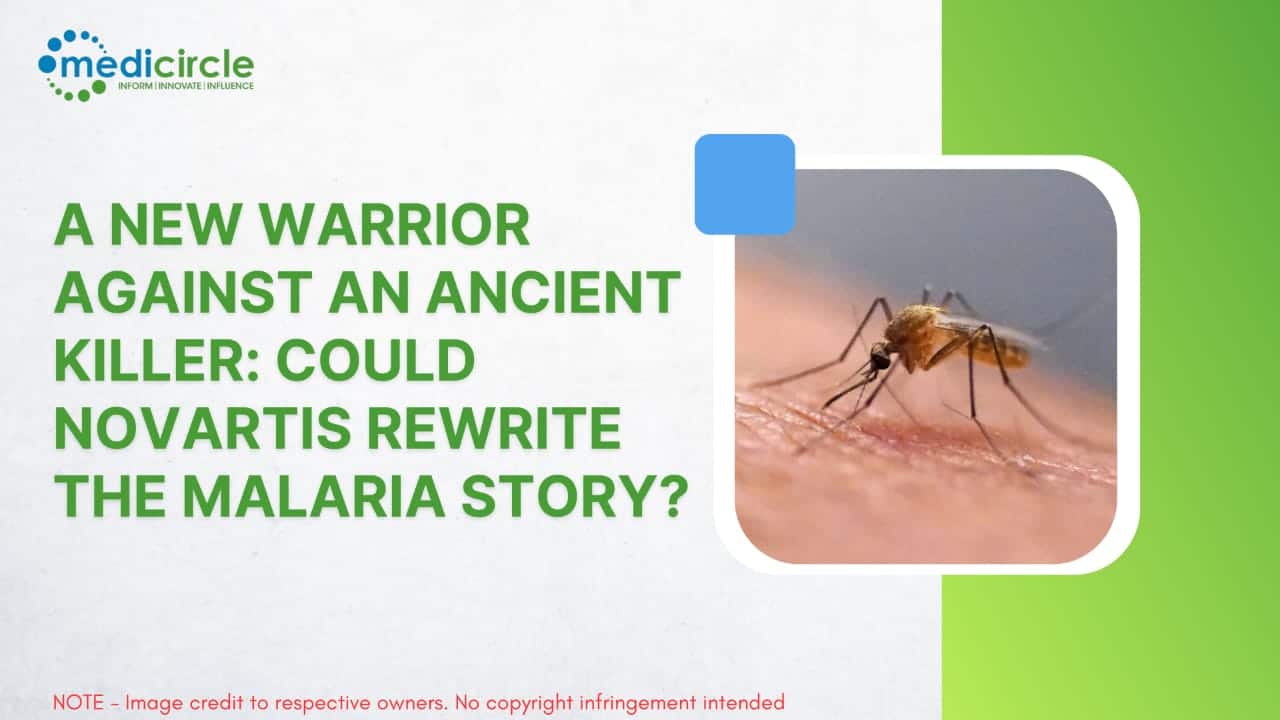
Imagine a disease so ancient that it affected the dinosaurs, so deadly that it has killed more people throughout history than all wars combined, and so persistent that despite our best efforts, it still claims hundreds of thousands of lives every year. This disease is malaria, and it remains one of the world’s most serious health challenges.
Malaria is a life-threatening disease caused by parasites that are transmitted to people through the bites of infected mosquitoes. The name “malaria” comes from medieval Italian words meaning “bad air,” because people once believed the disease came from the foul air of swamps. Today, we know the real culprit: tiny parasites carried by female Anopheles mosquitoes.
The Invisible Enemy Inside the Mosquito
Malaria is caused by Plasmodium parasites, and there are five species that can infect humans. The two most dangerous ones are Plasmodium falciparum, found mainly in Africa and responsible for most malaria deaths, and Plasmodium vivax, which is dominant in many countries outside of sub-Saharan Africa.
The disease spreads through a fascinating but deadly cycle. When an infected mosquito bites a person, it injects the parasites into their bloodstream. These parasites travel to the liver, where they hide and multiply for several days. Then, they burst out and invade red blood cells, multiplying further and destroying the cells. This destruction happens in cycles every 48 to 72 hours, causing the characteristic waves of fever that malaria patients experience.
When another mosquito bites the infected person, it picks up the parasites and can spread them to the next victim. This cycle continues, allowing malaria to persist in communities where these mosquitoes live.
A Global Health Emergency
According to the World Health Organization, malaria threatens nearly half of the world’s population. In 2022 alone, there were an estimated 249 million malaria cases worldwide, resulting in approximately 608,000 deaths. Most of these deaths—about 95%—occur in Africa, and tragically, children under five years old account for about 80% of all malaria deaths in the region.
Malaria is found in tropical and subtropical regions around the world, particularly in sub-Saharan Africa, but also in parts of Asia, Latin America, the Middle East, and some Pacific islands. The disease thrives in warm, humid climates where Anopheles mosquitoes can breed easily. Like lymphatic filariasis and other neglected tropical diseases, malaria disproportionately affects the world’s poorest communities.
Recognizing the Symptoms
The first symptoms of malaria usually appear 10-15 days after the infectious mosquito bite. However, this can vary depending on the parasite species involved. The classic symptoms include:
- High fever, often rising above 104°F (40°C)
- Severe chills and shaking
- Heavy sweating
- Headache and body aches
- Nausea and vomiting
- Extreme tiredness
These symptoms occur in cycles, typically repeating every two to three days as the parasites burst out of red blood cells. In the early stages, malaria symptoms can resemble flu, which sometimes leads to delayed diagnosis and treatment.
Severe malaria, usually caused by P. falciparum, can be deadly within hours if not treated promptly. It can cause serious complications including:
- Cerebral malaria, where parasites block small blood vessels in the brain, leading to seizures, confusion, or coma
- Severe anemia from the destruction of red blood cells
- Breathing difficulties
- Organ failure
- Dangerously low blood sugar
Pregnant women, children under five, travelers from non-malaria areas, and people with HIV/AIDS face the highest risk of developing severe malaria.
Fighting Back: Prevention and Treatment
The good news is that malaria is both preventable and curable if diagnosed and treated promptly. The WHO’s malaria prevention strategy focuses on several key approaches:
Vector Control: Since mosquitoes spread malaria, controlling mosquito populations is crucial. The most effective methods include:
- Insecticide-treated mosquito nets (ITNs): Sleeping under these nets, especially long-lasting insecticidal nets, provides excellent protection. Since Anopheles mosquitoes bite mainly between dusk and dawn, bed nets are highly effective.
- Indoor residual spraying (IRS): Spraying the inside walls of houses with insecticides kills mosquitoes that rest on these surfaces.
- Eliminating breeding sites: Draining stagnant water where mosquitoes lay eggs reduces mosquito populations.
Preventive Medicines: People at high risk, such as pregnant women and infants in malaria-endemic areas, can take antimalarial medicines to prevent infection. Travelers visiting malaria zones should also take preventive medication.
Vaccination: In 2021, the WHO recommended the first malaria vaccine, RTS,S/AS01, for children in areas with moderate to high malaria transmission. In 2023, a second vaccine, R21/Matrix-M, was also recommended by WHO. While these vaccines don’t provide complete protection, they significantly reduce severe malaria and deaths in children when combined with other preventive measures.
Treatment: Malaria must be diagnosed quickly and treated immediately. The WHO recommends artemisinin-based combination therapies (ACTs) as the most effective treatment for P. falciparum malaria. These medicines work rapidly to kill the parasites and cure the patient, usually within three days.
Similar to the control strategies used for dengue and other mosquito-borne diseases, integrated vector management remains critical in the fight against malaria.
Progress and Persistent Challenges
Between 2000 and 2015, the world made tremendous progress against malaria. Global malaria deaths fell by more than 60%, and many countries moved closer to elimination. This success came from increased funding, wider distribution of bed nets, better access to diagnostic testing, and effective artemisinin-based treatments.
However, progress has stalled in recent years. Several factors threaten malaria control efforts:
- Drug and insecticide resistance: Parasites are developing resistance to antimalarial drugs, and mosquitoes are becoming resistant to insecticides used in bed nets and spraying programs.
- Funding gaps: Many malaria programs don’t receive adequate funding to maintain their activities.
- Climate change: Rising temperatures and changing rainfall patterns are expanding mosquito habitats, potentially bringing malaria to new areas.
- Conflict and displacement: Wars and natural disasters disrupt malaria control programs and force people into areas with high malaria transmission.
- COVID-19 impact: The pandemic disrupted malaria prevention and treatment services in many countries.
The Path to Elimination
Despite these challenges, eliminating malaria is possible. Countries like Sri Lanka, the Maldives, Argentina, and Algeria have achieved malaria-free status in recent years after decades of sustained effort. China, which once had 30 million cases annually, was certified malaria-free by WHO in 2021—a remarkable achievement.
The WHO’s Global Technical Strategy for Malaria 2016-2030 aims to reduce malaria case incidence and death rates by at least 90% by 2030. Achieving this ambitious goal requires:
- Universal access to malaria prevention, diagnosis, and treatment
- Accelerated efforts toward elimination in countries with low transmission
- Continued research and innovation for better tools and strategies
- Strengthened health systems to deliver malaria services effectively
Hope for the Future
Malaria has been humanity’s companion for thousands of years, but we now have more tools than ever to fight it. From bed nets and medicines to vaccines and new diagnostic technologies, science is providing hope for millions at risk.
Every prevented infection, every life saved, and every community freed from malaria brings us closer to a malaria-free world. With sustained commitment from governments, international organizations, communities, and individuals, we can turn the tide against this ancient killer and protect future generations from its deadly grip.
The fight against malaria is not just a medical challenge—it’s a fight for human dignity, economic development, and social justice. As we continue this battle, we honor the memory of the millions who have died from malaria while working tirelessly to ensure that future generations won’t have to fear this preventable and curable disease.
Frequently Asked Questions (FAQs)
Yes, you can get malaria multiple times. Unlike some diseases, having malaria doesn’t give you permanent immunity. People living in malaria-endemic areas who are repeatedly infected may develop partial immunity that makes symptoms less severe, but they can still get infected. This partial immunity fades quickly if you move away from a malaria area, which is why adults returning to visit their home countries need to take preventive medicine.
No, you cannot catch malaria from being near, touching, or caring for someone who has malaria. The disease spreads only through the bite of an infected Anopheles mosquito. However, malaria can rarely be transmitted through blood transfusions, organ transplants, or shared needles, and can be passed from a pregnant mother to her unborn baby.
Malaria should be treated as a medical emergency. If you develop fever while in a malaria area or within several weeks after leaving one, seek medical care immediately. Early diagnosis and treatment, ideally within 24 hours of symptom onset, can prevent the disease from becoming severe or life-threatening. Delayed treatment significantly increases the risk of serious complications and death.
The currently available malaria vaccines (RTS,S and R21/Matrix-M) are less effective than many other vaccines, providing approximately 75% protection against severe malaria in the first year, with protection decreasing over time. However, they are still valuable tools, especially for children in high-transmission areas. These vaccines work best when combined with other preventive measures like bed nets and preventive medicines.
While challenging, malaria elimination is theoretically possible and has already been achieved in many countries. Since 2000, 11 countries have been certified malaria-free by WHO. However, global eradication (eliminating malaria everywhere) is more difficult than regional elimination. It requires sustained political commitment, adequate funding, effective tools, strong health systems, and international cooperation. Climate change and drug/insecticide resistance add complexity, but with continued effort, significant progress is achievable.
References
- World Health Organization. (2024). Malaria. Retrieved from https://www.who.int/health-topics/malaria
- World Health Organization. (2024). Malaria – Fact Sheet. Retrieved from https://www.who.int/news-room/fact-sheets/detail/malaria
- World Health Organization. (2024). Global Malaria Programme – Overview. Retrieved from https://www.who.int/teams/global-malaria-programme/overview
- World Health Organization. (2024). Global Malaria Programme – Case Management. Retrieved from https://www.who.int/teams/global-malaria-programme/case-management
- World Health Organization. (2023). WHO recommends R21/Matrix-M vaccine for malaria prevention. Retrieved from https://www.who.int/news/item/02-10-2023-who-recommends-r21-matrix-m-vaccine-for-malaria-prevention-in-updated-advice-on-immunization
Disclaimer: This article is an adaptation of publicly available information from WHO’s Malaria
health topic page (WHO, Geneva. Licence: CC BYNC-SA 3.0 IGO). WHO is not responsible for the
content or accuracy of this adaptation. This content is for informational and educational purposes
only and does not constitute medical advice. ObserverVoice.com is a news and information platform
— not a healthcare provider.
Observer Voice is the one stop site for National, International news, Sports, Editor’s Choice, Art/culture contents, Quotes and much more. We also cover historical contents. Historical contents includes World History, Indian History, and what happened today. The website also covers Entertainment across the India and World.

