

Budget 2026: Industry Advocates for GST-Style Simplification in Customs Duties and Faster Clearance Processes

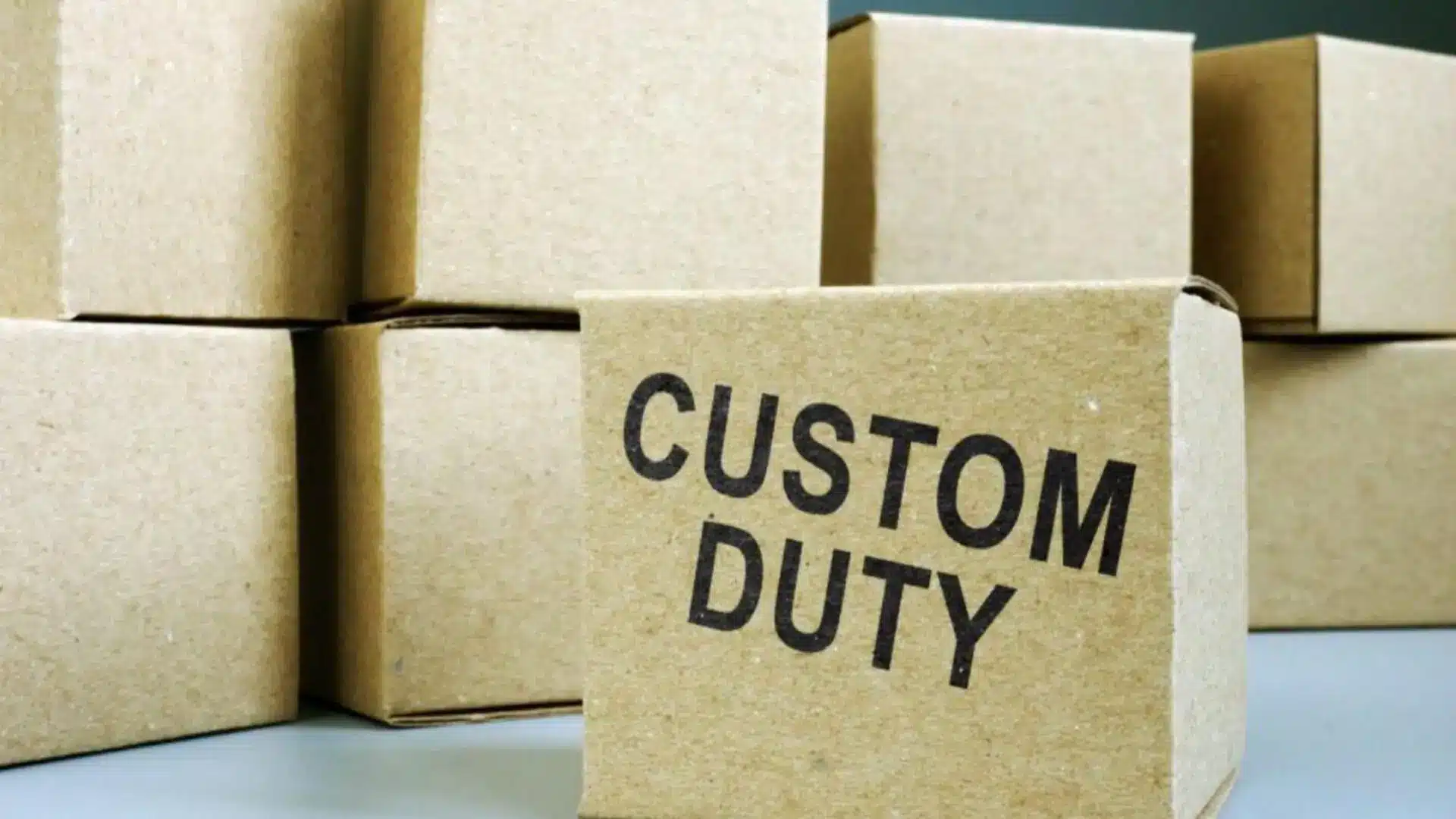
As the Union Budget for the financial year 2026-2027 approaches, Indian businesses are advocating for significant reforms in the customs duty framework. They are calling for a transformation akin to the Goods and Services Tax (GST) to enhance trade facilitation and streamline dispute resolution processes. Key proposals include rationalizing customs duty rates, reducing the number of duty slabs, and implementing a single-window clearance system for imports and exports. Industry leaders emphasize the need for defined timelines for Authorised Economic Operator (AEO) certification and a formal charter to guide investigations by the Directorate of Revenue Intelligence (DRI).
Calls for Simplification of Customs Duty Structure
Industry representatives are urging the government to simplify the current customs duty structure, which consists of eight duty slabs. They propose reducing this number to five or six slabs to ease compliance burdens on businesses. The complexity of the existing system often forces importers and exporters to navigate multiple ministries and departments for necessary clearances, which can hinder trade operations. Deloitte India Partner Gulzar Didwania highlighted that the current process is cumbersome and creates significant obstacles for businesses. He stressed the importance of launching a single-window facility that would allow for streamlined import-export licensing requirements, thereby enhancing operational efficiency.
Need for Timely AEO Certification
Another critical area of concern is the Authorised Economic Operator (AEO) scheme. Businesses are requesting fixed timelines for obtaining AEO certification, which provides facilitation support from overseas customs authorities. This status is vital for improving efficiency in global trade operations. Didwania noted that while operational guidelines exist for the Directorate General of GST Intelligence (DGGI), a similar framework for the DRI is necessary to clarify its investigative processes. The establishment of clear timelines and guidelines would not only benefit businesses but also strengthen the overall trade environment in India.
Addressing Dispute Resolution Challenges
Dispute resolution has emerged as a significant pain point for the industry, with a staggering 38,014 customs duty cases worth Rs 1.52 lakh crore currently tied up in litigation as of March 2024. EY India Tax Partner Saurabh Agarwal emphasized the need for a Customs Dispute Resolution Scheme to address these pending cases. He suggested that the scheme should focus on issue-wise or year-wise settlements rather than complete resolutions of pending litigations. This approach could unlock stuck revenue and create a more predictable tax environment, which is essential for attracting global investors.
Expectations for Budget 2026 Amid Global Uncertainty
As businesses prepare for the upcoming budget, they are looking for greater predictability and stronger policy support for initiatives like Make-in-India. KPMG Partner Abhishek Jain pointed out that the current global economic landscape, marked by uncertainty and tariff wars, necessitates rationalized customs duties on key raw materials. Companies are advocating for fewer duty slabs to simplify compliance and a one-time window to resolve legacy disputes. Additionally, they seek expedited approvals for related-party valuations, suggesting that post-clearance risk-based audits could replace the current lengthy processes. These changes are seen as crucial steps toward improving the ease of doing business and enhancing supply chain efficiency in India.
Observer Voice is the one stop site for National, International news, Sports, Editor’s Choice, Art/culture contents, Quotes and much more. We also cover historical contents. Historical contents includes World History, Indian History, and what happened today. The website also covers Entertainment across the India and World.
Follow Us on Twitter, Instagram, Facebook, & LinkedIn

