

CBAM Impact: Carbon Costs Affect Indian Steel and Aluminium Exports

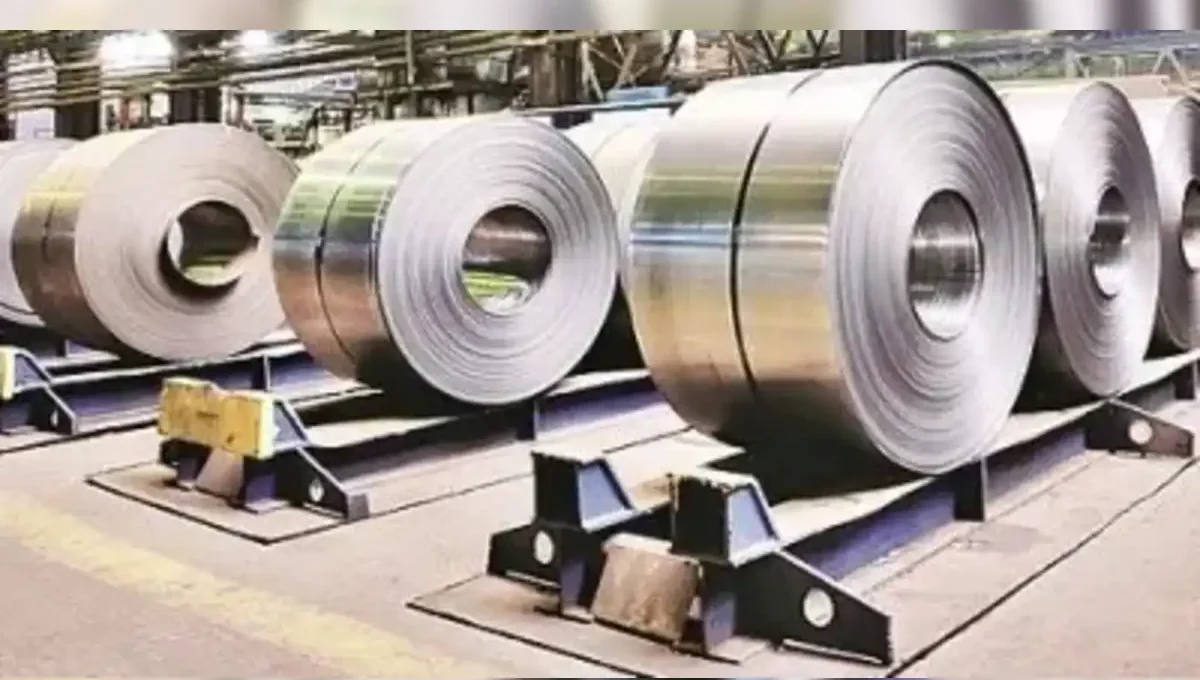
Indian steel and aluminium exports to the European Union are set to face significant challenges starting January 1, 2026, as the EU implements its Carbon Border Adjustment Mechanism (CBAM). This new regulation will transition from a reporting phase to a payment-linked stage, imposing carbon-related costs on EU-based importers. According to a report by the Global Trade Research Initiative (GTRI), Indian exporters may need to adjust their pricing strategies to remain competitive, potentially leading to price reductions of 15-22%. The implications of this mechanism could reshape trade dynamics, particularly for exporters relying on high-emission production methods.
Impact of CBAM on Indian Exporters
The introduction of the CBAM will require EU importers to account for carbon costs associated with imported steel and aluminium. While the levy will be paid by these importers, the financial impact will trickle down to Indian exporters. GTRI’s report indicates that exporters may face lower realized prices, stricter contract terms, and more rigorous supplier selection criteria as a result of the new regulations. Starting with the first shipments in 2026, the CBAM will influence pricing strategies, even though formal certificate surrender will not commence until 2027. This shift means that EU buyers will begin to incorporate embedded carbon costs into their procurement decisions, affecting negotiations and supplier rankings.
Challenges for High-Emission Production Methods
Exporters utilizing high-emission production processes, particularly in steel manufacturing, are expected to experience the most significant loss of competitiveness. The report highlights that methods such as blast furnace-basic oxygen furnace processes will be particularly vulnerable. In the aluminium sector, the carbon burden will largely depend on the intensity of electricity used and the source of power. The CBAM requires exporters to calculate embedded emissions for each production facility, taking into account direct fuel combustion and electricity consumption. This plant-level emissions accounting is crucial, as corporate averages or sustainability reports will not be accepted under the new regime.
Verification and Compliance Requirements
From 2026, independent verification of emissions data will become mandatory for exporters. Only verifiers recognized by the EU or compliant with ISO 14065 standards will be accepted. The GTRI report warns that without verified plant-level emissions data, exporters risk being assigned default emission values by EU authorities, which could be significantly higher than actual emissions. This situation could lead to inflated carbon costs, further complicating the competitive landscape for Indian exporters. Micro, small, and medium enterprises (MSMEs) are particularly at risk, as they may struggle with the higher compliance and verification costs associated with the CBAM.
Concerns for Micro, Small, and Medium Enterprises
A critical concern raised in the GTRI report is the lack of transparency in emissions data sharing between large producers and MSMEs that source steel or aluminium from them. Ajay Srivastava, founder of GTRI, emphasized that without access to verified data, MSMEs could face disproportionately high carbon costs due to the application of default emission values. This asymmetry in data sharing could lead to the exclusion of smaller enterprises from EU supply chains unless corrective measures are implemented. The report suggests that the CBAM represents a significant shift in global trade dynamics, where carbon intensity will increasingly dictate competitiveness in regulated markets like the EU. Low-emission producers may find themselves at an advantage, while those unable to meet the new data and verification requirements risk losing access to this critical market.
Observer Voice is the one stop site for National, International news, Sports, Editor’s Choice, Art/culture contents, Quotes and much more. We also cover historical contents. Historical contents includes World History, Indian History, and what happened today. The website also covers Entertainment across the India and World.
Follow Us on Twitter, Instagram, Facebook, & LinkedIn

