

Your AI Solutions Powered by Fracked Gas and Cleared Texas Terrain

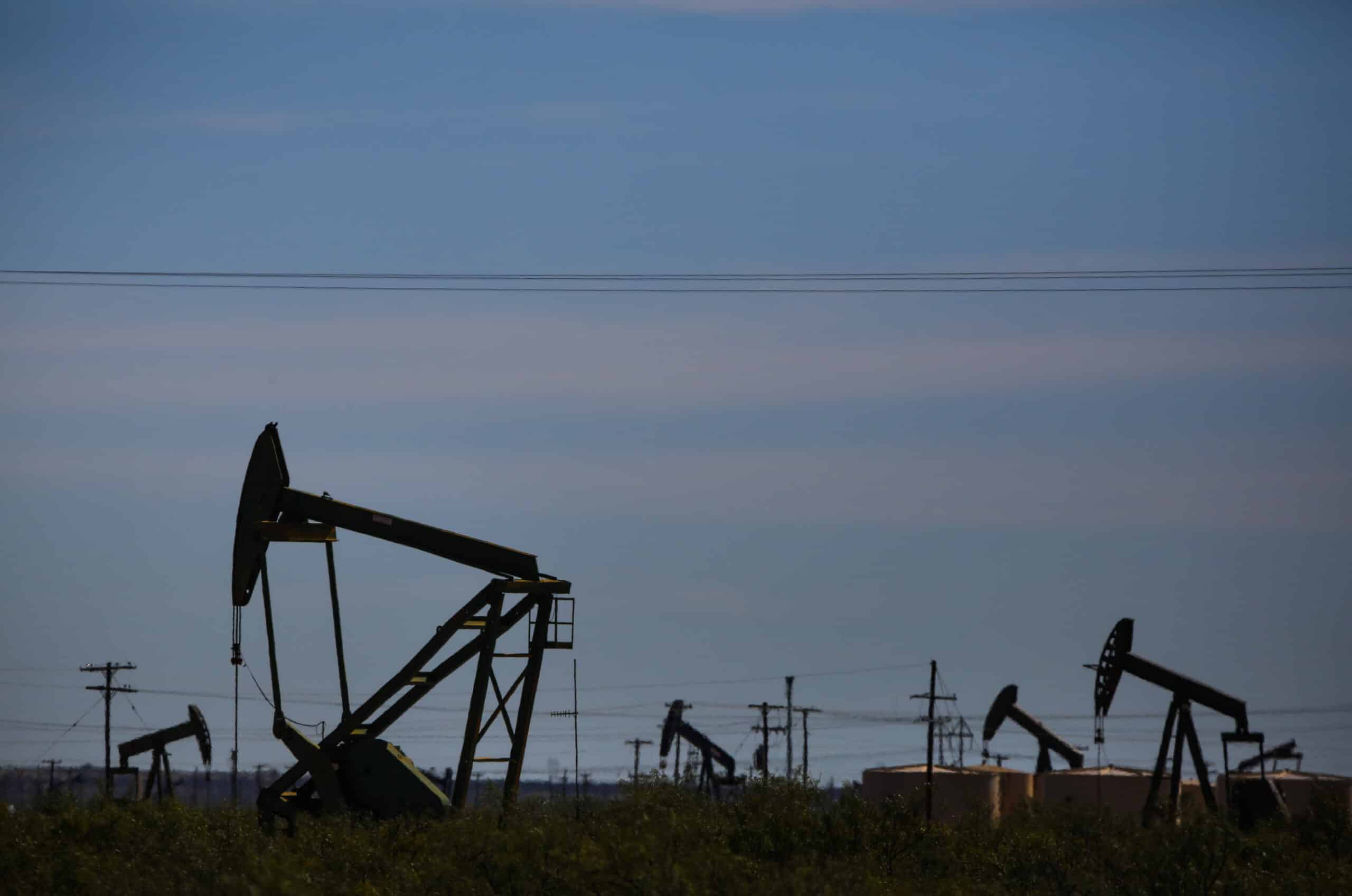
The rise of artificial intelligence (AI) is ushering in a new chapter for the fracking industry, which has long faced criticism for its environmental impact. As AI companies establish massive data centers near key gas production sites, they are increasingly relying on fossil fuels for power. This trend, while overshadowed by discussions on AI’s role in healthcare and climate solutions, raises significant concerns for local communities affected by these developments.
AI Data Centers and Fracking: A New Partnership
AI firms are strategically positioning themselves near major gas production areas to capitalize on the abundant energy resources available. A notable example is the startup Poolside, which is constructing a sprawling data center complex on over 500 acres in West Texas. This facility, named Horizon, will harness natural gas from the Permian Basin, the most productive oil and gas field in the United States. The center aims to generate two gigawatts of computing power, equivalent to the Hoover Dam’s output, but through the combustion of fracked gas rather than renewable sources. Poolside is collaborating with CoreWeave, a cloud computing company, to facilitate access to over 40,000 Nvidia AI chips, further emphasizing the growing intersection of AI and fossil fuel dependency.
This trend is not isolated to Poolside. Major players in the AI sector, including OpenAI, are adopting similar strategies. OpenAI’s CEO, Sam Altman, acknowledged the reliance on gas to power their data centers, highlighting the energy demands of these facilities. The Abilene, Texas, data center, for instance, requires approximately 900 megawatts of electricity, with a gas-fired power plant providing backup power. Local residents are increasingly concerned about the environmental implications of these projects, particularly regarding water usage in drought-prone areas.
Community Concerns and Environmental Impact
Residents living near these AI data centers are expressing apprehension about the changes to their communities. Arlene Mendler, a local resident near the Stargate data center, voiced her frustrations over the disruption caused by construction, which has altered the landscape she once cherished for its tranquility. The noise and bright lights from the ongoing projects have significantly impacted her quality of life. Additionally, there are growing concerns about water usage in regions already facing drought conditions. While companies like Oracle claim their facilities will require minimal water for cooling systems, experts warn that the indirect water consumption associated with increased electricity demands could exacerbate local water shortages.
In Louisiana, Meta is also pursuing a significant data center project, which will require substantial power generated from natural gas. The utility company Entergy plans to invest heavily in new gas-fired power plants to support this facility. Local residents have expressed similar concerns about the environmental and economic implications of being surrounded by construction and fossil fuel infrastructure.
The Geopolitical Landscape and Energy Demands
AI companies are not only motivated by energy needs but also by geopolitical considerations. Chris Lehane, OpenAI’s vice president of global affairs, emphasized the urgency of ramping up energy production in the U.S. to compete with China’s rapid energy expansion. He argued that the U.S. must generate significant energy to support its technological ambitions, which includes the construction of new data centers. The Trump administration has also supported this initiative, streamlining permits for gas-powered data centers and prioritizing fossil fuel projects over renewable energy sources.
Despite the pressing energy demands, experts question whether the current expansion of data centers is necessary. Research from Duke University suggests that utilities often operate below their capacity, indicating that existing infrastructure could accommodate new demands without additional construction. This raises the possibility of reducing energy consumption during peak periods to alleviate the need for new fossil fuel plants.
The Future of Energy and Community Impact
As AI companies continue to expand their reliance on fossil fuels, the long-term implications for local communities remain uncertain. Contracts between tech firms and utility providers often extend for years, leaving residents to grapple with the environmental and financial consequences once these agreements expire. While there is optimism surrounding the potential for cleaner energy sources, such as small modular reactors and solar installations, the transition may take decades.
In the meantime, the communities hosting these data centers are left to navigate the complexities of increased fossil fuel infrastructure and its impact on their lives. As the AI sector grows, it is crucial to consider the voices of those affected and the environmental costs associated with this technological advancement.
Observer Voice is the one stop site for National, International news, Sports, Editor’s Choice, Art/culture contents, Quotes and much more. We also cover historical contents. Historical contents includes World History, Indian History, and what happened today. The website also covers Entertainment across the India and World.
Follow Us on Twitter, Instagram, Facebook, & LinkedIn

