

Warren Buffett’s Final Letter as Berkshire CEO: A Possible Critique of Elon Musk’s $1 Trillion Tesla Compensation?

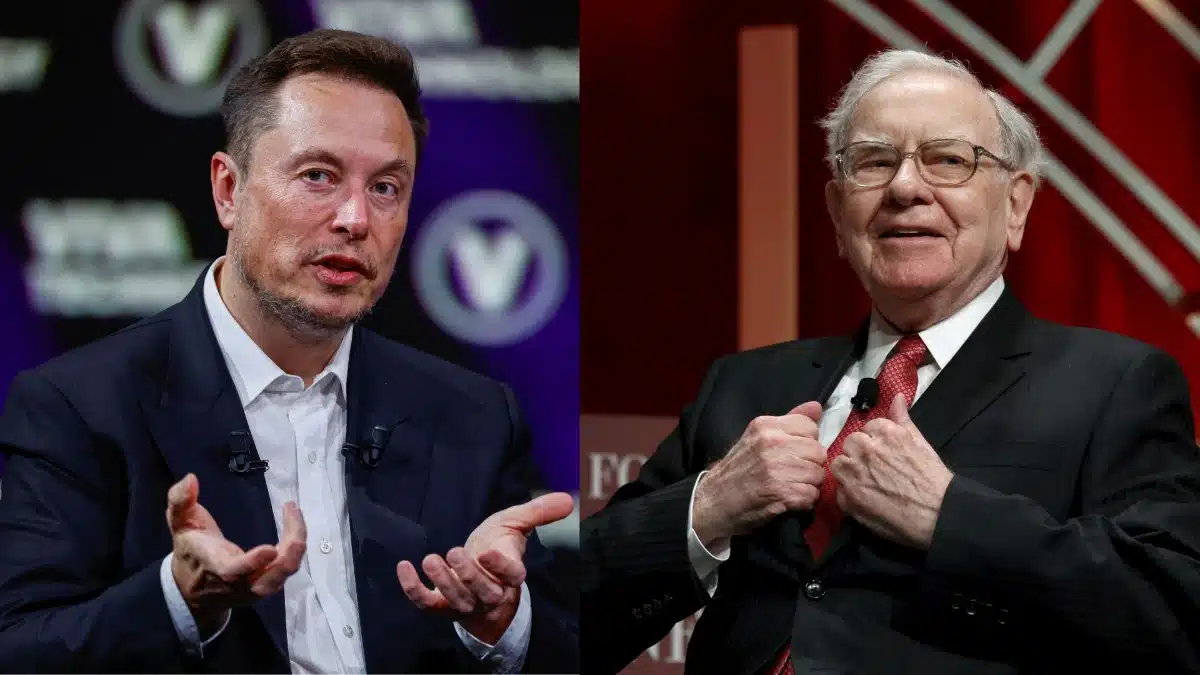
Berkshire Hathaway’s CEO Warren Buffett has recently made headlines with his remarks on executive compensation, seemingly targeting Tesla CEO Elon Musk’s staggering $1 trillion pay package. In his final shareholder letter, Buffett highlighted a troubling trend of escalating CEO salaries, which he believes is fueled by envy and greed among top executives. His comments come shortly after Tesla approved Musk’s pay package, which is contingent on the company achieving an $8.5 trillion market capitalization, a milestone that would make Musk the first individual to reach a trillion-dollar net worth.
Buffett’s Critique of CEO Compensation
In his annual letter, Buffett expressed concern over the increasing compensation of chief executives, suggesting that it reflects a culture of self-interest. He noted that many CEOs are driven by the desire to out-earn their peers, stating, “Envy and greed walk hand in hand.” Buffett’s observations indicate that the mandatory disclosure of executive pay, intended to promote transparency, has instead led to a competitive race among CEOs to secure higher salaries. He remarked that rather than creating discomfort, these disclosures have resulted in a culture where CEOs feel justified in demanding more.
Buffett’s insights stem from his extensive experience leading Berkshire Hathaway for over six decades. He pointed out that the initial goal of revealing executive compensation was to highlight disparities between CEO pay and that of average employees. However, he believes this effort has backfired, leading to inflated compensation packages rather than moderation. “The new rules produced envy, not moderation,” he stated, emphasizing the negative consequences of the current compensation landscape.
The Context of Rising CEO Pay
The context of Buffett’s remarks is underscored by the recent approval of significant pay packages for other executives in the automotive industry. Following Tesla’s announcement, Rivian disclosed a $4.6 billion compensation package for its CEO RJ Scaringe, which mirrors Musk’s arrangement. This trend raises questions about the sustainability of such high compensation levels in the face of growing income inequality.
Statistics reveal a stark increase in CEO pay in the United States. According to a report from the Institute for Policy Studies, compensation packages among America’s largest low-wage employers have surged by 34.7% from 2019 to 2024. The CEO-to-worker pay ratio has also risen dramatically, from 560:1 in 2019 to 632:1 in 2024. This growing disparity highlights the widening gap between executive compensation and the wages of average workers, a trend that Buffett and others have criticized.
Buffett’s Personal Approach to Compensation
Despite his critiques of excessive executive pay, Warren Buffett maintains a modest annual salary of $100,000. His wealth, estimated at $150 billion, primarily comes from his investments rather than a high salary. This positions him as the 11th wealthiest individual globally, contrasting sharply with the compensation packages of many CEOs. Buffett’s approach serves as a reminder of the potential for executives to prioritize long-term value creation over immediate financial gain.
As discussions around executive compensation continue, Buffett’s insights resonate with many who advocate for more equitable pay structures. His observations challenge the prevailing norms of corporate governance and raise important questions about the future of CEO compensation in a rapidly changing economic landscape.
Observer Voice is the one stop site for National, International news, Sports, Editor’s Choice, Art/culture contents, Quotes and much more. We also cover historical contents. Historical contents includes World History, Indian History, and what happened today. The website also covers Entertainment across the India and World.

