

Tragedy Strikes: The Deadly Autumn Climbing Season in the Himalayas

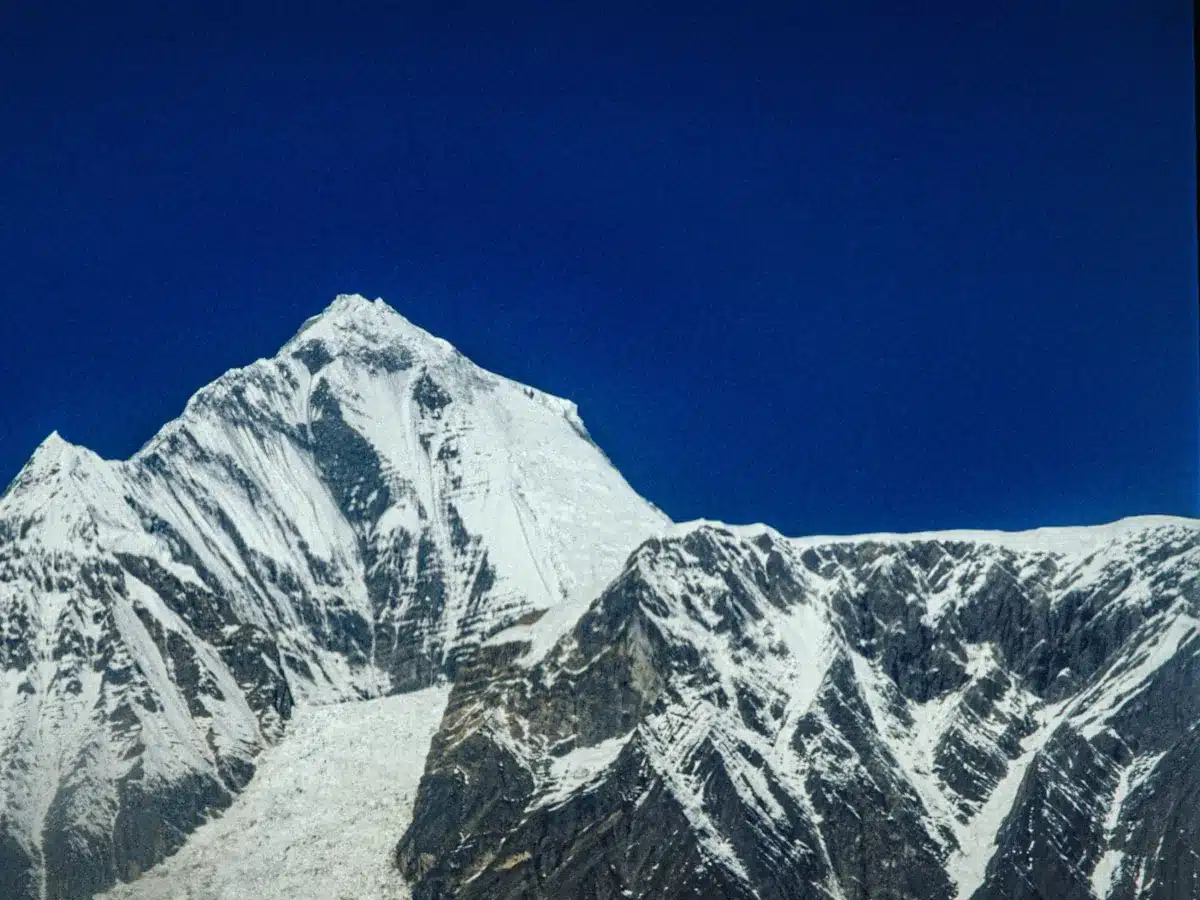
Clear skies and breathtaking views of snow-capped Himalayan peaks have long characterized the autumn hiking season on Mount Everest. However, this idyllic experience is increasingly marred by extreme weather events, as meteorologists report that the monsoon season now extends into autumn. This year, a sudden blizzard stranded hundreds of trekkers at high altitudes, highlighting the growing dangers of mountain tourism. While many were rescued, the changing climate poses significant risks to both hikers and local economies reliant on tourism.
Extreme Weather Strikes Autumn Trekkers
Last weekend, a severe blizzard caught nearly 600 tourists off guard near the eastern face of Everest, leaving them stranded in freezing conditions at altitudes exceeding 4,900 meters (16,000 feet). Chinese state media reported that by Tuesday, most trekkers had been guided to safety, although one individual tragically succumbed to hypothermia and altitude sickness. The situation was similarly dire on the Nepalese side, where a South Korean mountaineer lost his life on Mera Peak. Communication disruptions due to heavy rainfall and snowfall delayed the reporting of these incidents, while officials estimate that landslides and flash floods have claimed around 60 lives in Nepal over the past week. Riten Jangbu Sherpa, a mountain guide, expressed concern over the unusual weather patterns, noting that trekkers are increasingly facing unexpected storms during what is traditionally a clear-sky season.
Changing Monsoon Patterns
The monsoon season in northern India and Nepal typically lasts from June to mid-September, but recent data indicates a shift. Archana Shrestha, deputy director general at Nepal’s Department of Hydrology and Meteorology, stated that the monsoon has extended into October for most years in the past decade. This change has resulted in heavy rain and snow during the tail end of the season, creating hazardous conditions for trekkers and mountaineers. Shrestha described this phenomenon as “damaging precipitation in a short span of time,” which poses significant risks for outdoor activities in the Himalayas. The sudden onset of extreme weather has disrupted the trekking and mountaineering business, as guides and operators struggle to adapt to these unpredictable conditions.
The Role of Westerly Disturbances
Weather experts suggest that the monsoons in South Asia have intensified due to interactions with westerly disturbances, which are low-pressure systems originating in the Mediterranean. These disturbances bring cold air that can lead to heavy rains and snow when they collide with the warmer, moisture-laden air of the monsoon. Akshay Deoras, a weather scientist at the University of Reading, explained that this interaction can “effectively turbocharge the monsoon.” Traditionally, westerly disturbances occurred during winter months, but they are now arriving earlier, contributing to the extreme weather seen in recent years. The recent deluge in eastern Nepal was attributed to this phenomenon, as meteorologists noted that the disturbances had altered the typical movement of clouds, leading to unexpected weather patterns.
Implications for the Future
The changing climate is not only affecting weather patterns but also altering the landscape of tourism in the region. Scientists have observed that the increased moisture in the air, a consequence of global warming, is pushing clouds higher, allowing weather systems to reach areas like Tibet that previously experienced drier conditions. This shift could lead to more frequent snowstorms and unstable weather patterns in the region. Logan Talbott, chief guide with Alpenglow Expeditions, emphasized the need for flexible scheduling and real-time decision-making in light of these unpredictable conditions. As the reliability of weather patterns diminishes, the safety of trekkers and the viability of tourism in the Himalayas hang in the balance.
Observer Voice is the one stop site for National, International news, Sports, Editor’s Choice, Art/culture contents, Quotes and much more. We also cover historical contents. Historical contents includes World History, Indian History, and what happened today. The website also covers Entertainment across the India and World.
Follow Us on Twitter, Instagram, Facebook, & LinkedIn

