

Terror Threat Becomes More Complex as Extremists Utilize New Technologies, Subsidiary Body Heads Inform Security Council

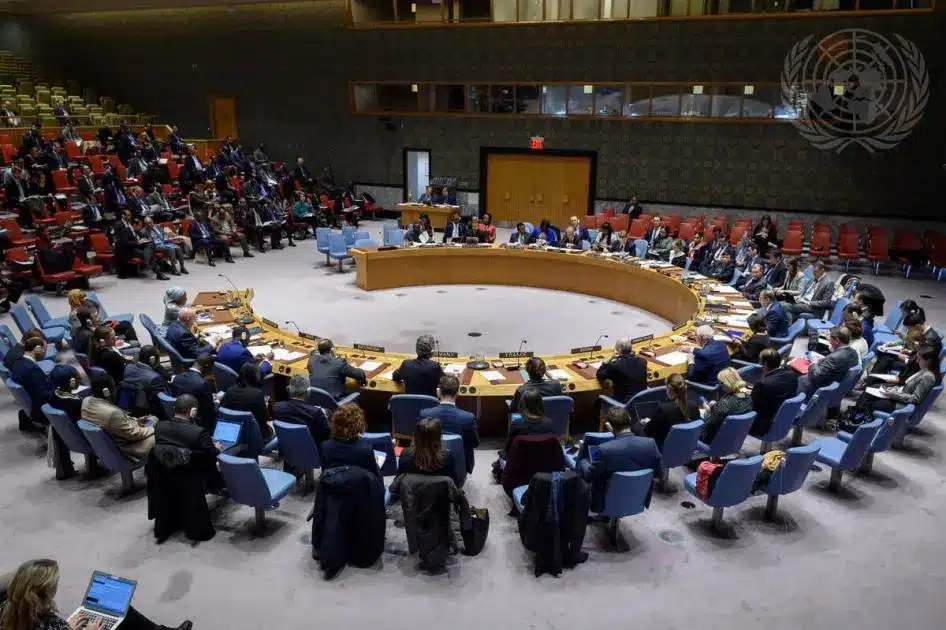
The United Nations Security Council convened today to address the evolving threat of terrorism, particularly in Africa, as outlined by the heads of three subsidiary bodies focused on counter-terrorism and the proliferation of weapons of mass destruction. Sandra Jensen Landi, Chair of the Security Council Committee on Da’esh and Al-Qaida, highlighted the groups’ adaptability and resilience, noting their exploitation of social media and cryptocurrency for recruitment and funding. The meeting underscored the urgent need for enhanced international cooperation and vigilance in combating these threats.
Dynamic Threat Landscape in Africa
The Security Council’s briefing revealed a concerning trend: the threat of terrorism is not only persistent but also increasingly dynamic and geographically diverse, particularly in Africa. Sandra Jensen Landi emphasized that terrorist organizations like Da’esh and Al-Qaida are leveraging new technologies to further their agendas. These groups are adept at using social media to glorify violence, recruit young individuals, and raise funds. The rise of cryptocurrency has introduced additional challenges for implementing sanctions against these entities. Landi reported that the Committee’s sanctions list currently includes 252 individuals and 89 entities, reflecting the ongoing efforts to counter these threats.
The adaptability of these terrorist organizations is alarming. They exploit regional instability and weak governance to maintain their influence. The need for continued vigilance and proactive measures was a central theme of the discussions, with Landi outlining the Committee’s work for 2025, which includes approving travel-ban exemptions while denying asset-freeze requests. This highlights the complexity of enforcing sanctions in a rapidly changing environment.
Human Rights and Counter-Terrorism Measures
The discussion also touched on the importance of aligning counter-terrorism measures with human rights and the rule of law. Landi noted the recent recognition of sexual and gender-based violence as a tactic of terrorism under resolution 2734 (2024). This milestone emphasizes the need for increased listings of relevant individuals and entities involved in such acts. Amar Bendjama, Chair of the Security Council Committee on Counter-Terrorism, echoed these sentiments, pointing out that terrorist groups are increasingly utilizing the Internet and social media for various purposes, including recruitment and operational planning.
Bendjama highlighted the Committee’s commitment to facilitating technical assistance and promoting the implementation of counter-terrorism measures that comply with international law. He emphasized the necessity of integrating gender perspectives into these efforts. The Committee has been proactive in assessing implementation efforts across various countries, fostering direct dialogue to identify challenges and guide follow-up actions. This approach aims to strengthen collective responses to the evolving terrorist threat.
Need for Enhanced Coordination
As terrorist networks expand and their operations become more sophisticated, the need for stronger coordination among the Security Council’s counter-terrorism committees has become increasingly evident. Representatives from various nations, including the Republic of Korea and Greece, stressed the importance of coherent and coordinated efforts that combine sanctions, capacity-building, and non-proliferation measures. They highlighted the necessity of a unified multilateral framework to effectively address the challenges posed by terrorism.
Sierra Leone’s representative reported on the country’s initiatives to enhance counter-terrorism efforts in West Africa and the Sahel, including the enactment of national legislation and the establishment of a coordination mechanism. Somalia’s representative expressed concern over the shifting terrorist threat landscape, particularly in Africa, and called for a unified response to support nations facing these challenges. The discussions underscored the urgency of collaborative efforts to combat terrorism effectively.
Technological Challenges and Countermeasures
The meeting also addressed the rapid advancement of terrorist groups in utilizing new technologies, which often outpace the ability of states to counter them effectively. Slovenia’s representative urged for greater investment in preventive measures and comprehensive approaches to counter-terrorism. The need for a whole-of-society response was emphasized, with calls for enhanced safeguards against the misuse of technology by terrorist organizations.
Concerns were raised regarding the listing procedures for counter-terrorism sanctions, with several representatives advocating for more agile and objective actions. The United States and the United Kingdom stressed the importance of depoliticizing the listing process to ensure that it effectively targets threats posed by groups like Da’esh and Al-Qaida. The discussions highlighted a collective commitment to strengthening the global architecture for counter-terrorism while ensuring that measures are fair and transparent.
Observer Voice is the one stop site for National, International news, Sports, Editor’s Choice, Art/culture contents, Quotes and much more. We also cover historical contents. Historical contents includes World History, Indian History, and what happened today. The website also covers Entertainment across the India and World.
Follow Us on Twitter, Instagram, Facebook, & LinkedIn

