

Stomach (Gastric) Cancer: The Silent Disease and Its Early Warning Signs

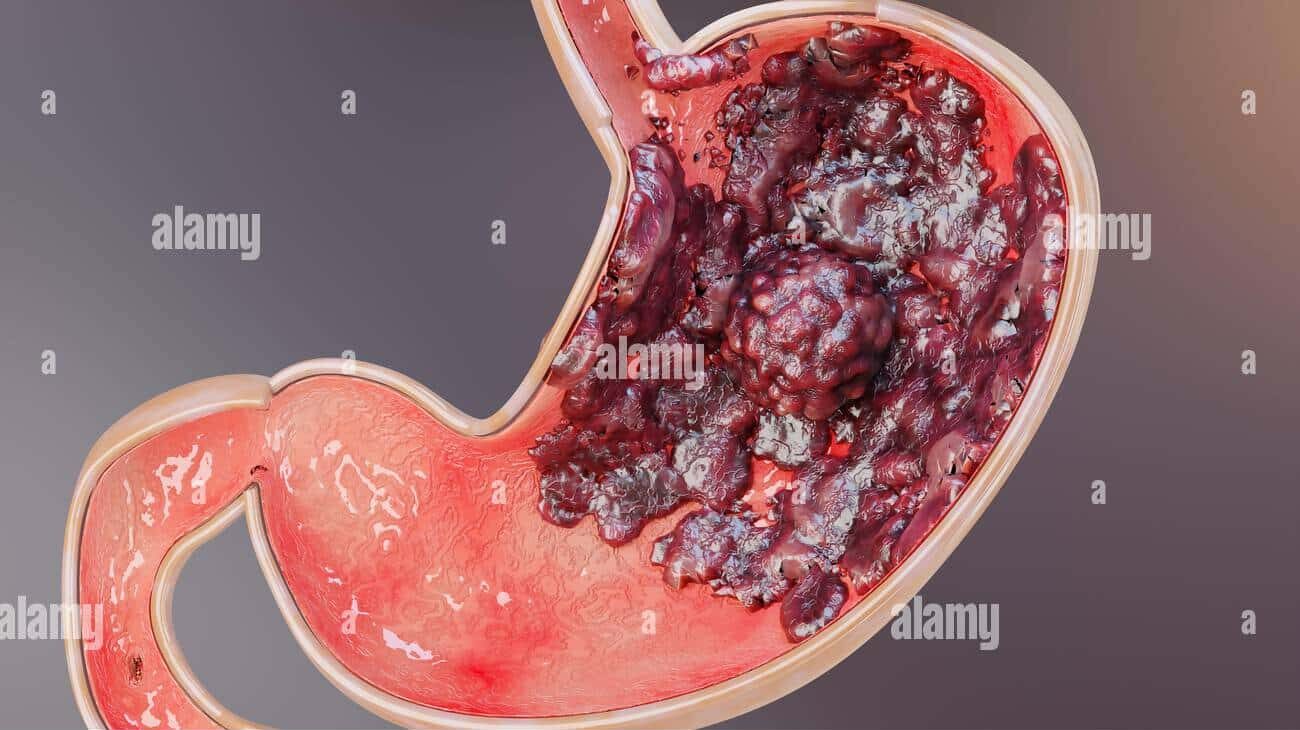
When Sarah’s persistent heartburn refused to respond to over-the-counter antacids for three weeks, she finally made an appointment with her doctor. At 32, she assumed it was stress or diet—maybe too much coffee. Her doctor initially agreed, prescribing stronger acid reflux medication. But when the burning pain intensified and Sarah noticed she felt full after eating just a few bites, an endoscopy revealed the unexpected: early-stage stomach cancer. Sarah’s story illustrates gastric cancer’s most dangerous characteristic—its ability to masquerade as common digestive complaints until it’s dangerously advanced.
Most stomach cancers don’t cause any symptoms until they’re more advanced, and they can mimic indigestion or reflux. So, it’s easy to dismiss the signs of stomach cancer as having overeaten or eaten the wrong foods or putting on too much weight. However, anything that changes and persists is usually something to get checked out, especially if it lasts for more than two or three weeks MD Anderson Cancer Center. This silent progression explains why most gastric cancers are diagnosed at advanced stages, when treatment is challenging and outcomes are grim. Recognizing subtle warning signs and knowing when mundane symptoms demand medical attention can mean the difference between catching cancer early—when five-year survival reaches 75%—or discovering it late, when survival plummets to just seven percent.
Why Stomach Cancer Stays Hidden Until It’s Advanced
The stomach is a remarkably tolerant organ. Located between the esophagus and small intestine, it serves as a muscular sac that churns food, secretes powerful digestive acids, and begins breaking down proteins. Early stomach cancer—when malignant cells are confined to the innermost stomach lining—causes minimal disruption to these functions. The stomach continues working effectively even with small tumors present, producing few if any symptoms that would alarm someone enough to seek medical care.
Yes, stomach cancer can go undetected for years because there are no warning signs in the early stages. However, while early signs of stomach cancer are often vague, recognizing them will increase the likelihood of discovering the disease sooner University of Kansas Cancer Center. This insidious progression means that approximately 60% of stomach cancers are already advanced—spread to lymph nodes or distant organs—by the time of diagnosis. Unlike colon cancer where screening colonoscopies catch early disease, or breast cancer where mammograms identify tumors before symptoms appear, stomach cancer in Western countries has no routine screening program for average-risk individuals.
The stomach’s location deep in the abdomen means tumors can’t be felt from outside the body until they’re quite large. Early tumors don’t cause the dramatic symptoms that prompt urgent medical visits—no sudden severe pain, no obvious bleeding that would appear in stool, no palpable lumps. Instead, early gastric cancer announces itself through whispers: mild indigestion that comes and goes, a vague fullness after meals, perhaps occasional nausea. These whispers sound exactly like dozens of benign digestive issues people experience regularly, making them easy to dismiss or attribute to stress, diet, or aging.
The Persistent Symptoms That Should Raise Red Flags
The key word distinguishing benign digestive complaints from potential cancer is “persistent.” Early symptoms of stomach cancer are often so vague and unremarkable that they may not set off any alarm bells. It’s easy to confuse them with a variety of noncancerous (benign) GI disorders. These symptoms tend to be dismissed as normal GI issues because for many people, that’s all they are. Unfortunately, that means that when stomach cancer is finally diagnosed, it’s often in the advanced stages Cleveland Clinic. What separates everyday heartburn from cancer-related heartburn is duration and progression.
Persistent indigestion and heartburn that doesn’t respond to typical remedies deserves investigation. Many people experience occasional acid reflux or indigestion after rich meals. But when heartburn occurs repeatedly over weeks despite avoiding trigger foods, taking antacids, and elevating the head of the bed—when it wakes you at night or causes a burning sensation that won’t quit—it warrants endoscopy. Stomach cancer can impair the stomach’s ability to empty normally, causing acid and partially digested food to reflux upward, creating chronic heartburn that resists standard treatments.
Abdominal pain and discomfort, particularly in the upper abdomen or just below the breastbone, is another common early symptom. This pain typically feels vague and gnawing rather than sharp. It might come and go, often feeling worse when the stomach is empty and sometimes improving temporarily after eating. The pain may be dismissed as gastritis, ulcers, or muscle strain. Unlike the sudden, severe pain of conditions like appendicitis or gallbladder attacks, stomach cancer pain develops gradually and persists stubbornly over weeks to months, slowly intensifying as the tumor grows.
Early satiety—feeling full after eating only small amounts—is a particularly important warning sign. Early satiety means you feel full even after you’ve only eaten a small amount of food Cleveland Clinic. Someone who previously finished normal-sized meals suddenly struggles to eat more than a few bites before feeling uncomfortably stuffed. This happens because growing tumors physically occupy space in the stomach, reducing its capacity, or because tumors interfere with the stomach’s ability to relax and accommodate food. Combined with nausea or loss of appetite, early satiety leads to unintentional weight loss—one of the more ominous symptoms.
Advanced Warning Signs That Demand Immediate Attention
As stomach cancer progresses, symptoms become more pronounced and alarming. Take note if the color of your stool (poop) changes to become very dark, tarry and especially smelly. This is called melena, and it’s a symptom of internal bleeding. Though it’s not a common symptom of stomach cancer, it’s possible Cleveland Clinic. Black, tarry stools indicate blood has traveled through the digestive tract, being chemically altered by stomach acid and digestive enzymes along the way. This differs from bright red blood in stool, which typically originates from the colon or rectum. Stomach cancer tumors can ulcerate—developing open sores that bleed slowly but persistently.
Vomiting, particularly if it contains blood or looks like coffee grounds, signals advanced disease. The coffee-grounds appearance results from partially digested blood. Vomiting can occur when tumors block the stomach’s exit into the small intestine, causing food to back up. Repeated vomiting of undigested food hours after eating indicates gastric outlet obstruction—a serious complication requiring urgent intervention.
Unexplained weight loss—losing ten or more pounds without trying—is a red flag for many cancers including gastric cancer. People no longer feel hungry and ultimately start losing weight without trying. That’s probably the most concerning symptom Cleveland Clinic. The weight loss results from multiple factors: decreased appetite, early satiety limiting food intake, increased metabolic demands of cancer, and the cancer interfering with nutrient absorption. When combined with extreme fatigue—feeling exhausted despite adequate rest—unintentional weight loss strongly suggests cancer deserves investigation.
Fluid accumulation in the abdomen (ascites), yellowing of skin and eyes (jaundice), and swollen lymph nodes above the collarbone indicate cancer has spread beyond the stomach. These late-stage symptoms mean the cancer has metastasized to the liver, peritoneum (abdominal lining), or distant lymph nodes. At this point, curative treatment becomes impossible, though palliative therapies can extend life and improve quality of life.
What Causes Stomach Cancer And Who’s At Highest Risk
Unlike symptoms, the causes of stomach cancer are well-established. Chronic infection with Helicobacter pylori is a modifiable cause of gastric cancer. Globally, 15.6 million (95% uncertainty interval 14.0–17.3 million) lifetime gastric cancer cases are expected within these birth cohorts, 76% of which are attributable to H. pylori Nature. H. pylori is a spiral-shaped bacterium that colonizes the stomach lining, surviving the harsh acidic environment through clever adaptations. About half the world’s population carries H. pylori, though most never experience problems.
In susceptible individuals, decades of chronic H. pylori infection cause persistent inflammation that damages stomach cells. The whole process of stomach cancer risk associated with H. pylori is one of inflammation. With H. pylori, you have an infection, which causes inflammation, then healing, then more inflammation. Over time, this cycle of constant cell regeneration can result in mistakes that lead to cancer MD Anderson Cancer Center. The inflammation progresses through predictable stages: chronic gastritis leads to atrophic gastritis (thinning of stomach lining), then intestinal metaplasia (stomach cells transform into intestine-like cells), then dysplasia (precancerous changes), and finally invasive cancer—a process taking 20-30 years.
Not all H. pylori strains carry equal cancer risk. Some strains of H. pylori make a toxin called CagA that gets injected into the junctions where cells of the stomach lining meet. Once inside cells, CagA can cause them to become cancerous by removing controls on cell growth and enhancing cell motility. Epidemiology studies suggest that CagA-positive strains have a stronger association with non-cardia gastric cancer than CagA-negative strains NCI. CagA-positive H. pylori dramatically increases cancer risk, particularly when combined with other risk factors like smoking or diets high in salted, pickled, or smoked foods.
Geographic patterns reflect H. pylori prevalence. East Asia, where H. pylori infection rates exceed 50%, sees the world’s highest stomach cancer rates. Japan, South Korea, and China have established national screening programs using endoscopy to catch early-stage disease. In these countries, five-year survival rates exceed 60-70% because most cancers are detected at stage I. Conversely, Western countries with lower H. pylori prevalence diagnose most cases at advanced stages, with much poorer outcomes.
Other risk factors compound H. pylori’s effects. Some forms of stomach cancer are genetic, meaning DNA changes associated with some cancers are passed down through generations of families. For example, CDH+1 mutations are associated with gastric cancer. Lynch syndrome is associated with various cancers, including breast, colon and stomach cancer Houston Methodist. Family history of gastric cancer, particularly in first-degree relatives, doubles or triples risk. Hereditary diffuse gastric cancer syndrome, caused by CDH1 gene mutations, carries such high cancer risk that prophylactic gastrectomy (removing the entire stomach before cancer develops) is often recommended.
The Rising Paradox: Young Adults And Gastric Cancer
While overall stomach cancer rates have declined for decades in developed nations, a troubling trend has emerged. The rate of new stomach cancer diagnoses in the U.S. has declined by about 1.5% each year over the past decade. But at the same time, there’s been a steady increase among younger patients. In fact, stomach cancer has the fastest-growing incidence rate among all early-onset cancers Houston Methodist. People in their 30s, 40s, and early 50s—ages where stomach cancer was once rare—now account for a growing proportion of cases.
The reasons for this young-adult increase remain unclear but likely involve shifting patterns of H. pylori infection, changes in diet and obesity rates, and possibly environmental exposures. Younger patients often experience delayed diagnosis because doctors don’t suspect cancer in someone “too young” for the disease. A 28-year-old complaining of persistent stomach pain is more likely to be diagnosed with gastritis or stress-related symptoms and sent home with antacids than referred for endoscopy. This diagnostic delay means young adults often have advanced disease by the time cancer is confirmed.
Troublingly, stomach cancers in young adults appear to be biologically more aggressive than those in older patients. They’re more likely to be diffuse-type adenocarcinoma—poorly cohesive cells that spread through the stomach wall in a diffuse pattern rather than forming discrete masses. This subtype grows faster, metastasizes earlier, and responds less well to treatment than intestinal-type adenocarcinoma more common in older patients.
When To Seek Medical Evaluation And What To Expect
The challenge is knowing when common digestive complaints warrant investigation. Anything that changes and persists is usually something to get checked out, especially if it lasts for more than two or three weeks MD Anderson Cancer Center. This two-to-three-week rule provides useful guidance: new digestive symptoms that don’t resolve with time and simple measures deserve medical attention. Heartburn lasting weeks despite antacids, abdominal pain that worsens or persists, feeling full after small meals repeatedly, or unintentional weight loss—any of these sustained over weeks justifies seeing a doctor.
Higher-risk individuals need lower thresholds for investigation. People with chronic H. pylori infection, family history of gastric cancer, history of stomach polyps or chronic atrophic gastritis, or genetic syndromes like Lynch syndrome should report new digestive symptoms promptly. Individuals from high-incidence regions (East Asia, Eastern Europe, Central/South America) or with diets high in salted, smoked, or pickled foods also warrant closer attention to symptoms.
The primary diagnostic test is upper endoscopy (esophagogastroduodenoscopy or EGD). Upper gastrointestinal endoscopy to view the esophagus, stomach and small intestine after sedation. A small, flexible tube is inserted into the mouth with a tiny camera on the end that allows the doctor to see inside your stomach. Biopsy of stomach tissue to be evaluated under a microscope University of Kansas Cancer Center. Endoscopy allows direct visualization of the stomach lining, identifying ulcers, tumors, or suspicious areas, and permits biopsies—small tissue samples examined under microscopes to confirm or rule out cancer.
The procedure is remarkably safe and well-tolerated. Patients receive conscious sedation, making them comfortable but not requiring full anesthesia or intubation. The entire procedure takes 10-20 minutes, and most people return to normal activities the same day. If endoscopy reveals cancer, additional tests—CT scans, endoscopic ultrasound, sometimes PET scans—determine the cancer’s stage, guiding treatment decisions.
Understanding Treatment And Survival Based On Stage
Stomach cancer treatment and outcomes depend dramatically on stage at diagnosis. The 5-year relative survival rates for different stages of stomach cancer are: 75% for localized stomach cancer (cancer is in the stomach only), 35% for regional stomach cancer (cancer has spread beyond the stomach to nearby lymph nodes or organs), 7% for metastatic stomach cancer (cancer has spread beyond the stomach to a distant part of the body) NCI. This tenfold survival difference between localized and metastatic disease underscores why early detection matters profoundly.
Localized stomach cancer—confined to the stomach lining without lymph node involvement—is potentially curable with surgery alone. Subtotal or total gastrectomy removes part or all of the stomach, along with nearby lymph nodes. For very early cancers limited to the innermost lining, endoscopic resection—removing the tumor through an endoscope without major surgery—may suffice. Five-year survival of 75% means three-quarters of people diagnosed at this stage remain cancer-free five years later, with many cured permanently.
Regional disease—spread to nearby lymph nodes or structures but not distant organs—requires multimodal treatment. Surgery combined with chemotherapy before (neoadjuvant) or after (adjuvant) surgery, sometimes with radiation therapy, offers the best outcomes. The 35% five-year survival reflects that while cure remains possible, regional disease is more challenging to eradicate completely. Recurrence rates are substantial even after aggressive treatment.
Metastatic disease—spread to liver, peritoneum, lungs, or other distant sites—is rarely curable. Treatment focuses on prolonging life and maintaining quality of life using systemic chemotherapy, targeted therapies, and immunotherapy. The seven percent five-year survival means that while occasional long-term survivors exist, most people with metastatic gastric cancer survive months to a few years. Newer treatments including immune checkpoint inhibitors and targeted agents against HER2 (in HER2-positive tumors) have improved outcomes somewhat, but metastatic gastric cancer remains a formidable adversary.
Prevention: Reducing Your Risk Through Modifiable Factors
Unlike many cancers where prevention strategies remain speculative, gastric cancer prevention has clear, evidence-based approaches. H. pylori eradication is perhaps the single most powerful preventive intervention. Confirmed H. pylori eradication after treatment reduced risk of gastric cancer Gastrojournal. Testing for and treating H. pylori infection—accomplished with a course of antibiotics and acid-suppressing medications—eliminates the chronic inflammation driving cancer development. Population-based screening and treatment programs in high-risk countries have shown promising results in reducing cancer incidence.
Who should be tested for H. pylori? People with peptic ulcer disease, chronic gastritis, family history of gastric cancer, or from high-prevalence regions should undergo testing. Testing involves breath tests, stool antigen tests, or endoscopic biopsies. If H. pylori is detected, treatment consists of “triple therapy”—two antibiotics plus a proton pump inhibitor taken for 10-14 days. Follow-up testing confirms eradication. While H. pylori treatment doesn’t eliminate cancer risk entirely in those who already developed precancerous changes, it substantially reduces risk and is especially protective when done before advanced precancerous lesions develop.
Dietary modifications offer additional protection. Diets high in fresh fruits and vegetables—providing antioxidants and vitamins—appear protective. Limiting consumption of salted, smoked, and pickled foods reduces exposure to carcinogenic nitrates and N-nitroso compounds. Reducing salt intake decreases chronic stomach inflammation. While these dietary changes show associations with reduced risk in population studies, the exact magnitude of protection is difficult to quantify for individuals.
Avoiding tobacco and limiting alcohol also help. Smoking roughly doubles stomach cancer risk, likely through carcinogens in swallowed tobacco smoke and smoking’s enhancement of H. pylori’s cancer-causing potential. Heavy alcohol consumption increases risk, though the relationship is weaker than for smoking. Maintaining healthy weight reduces risk, as obesity is associated with increased gastric cancer incidence, particularly cancer of the gastroesophageal junction.
Frequently Asked Questions
Q1: I’ve had heartburn for years controlled with antacids. Should I be worried about stomach cancer? Chronic heartburn itself doesn’t cause stomach cancer, but it deserves proper evaluation. Long-standing acid reflux can cause Barrett’s esophagus, a precancerous condition affecting the esophagus (not stomach), which carries increased risk for esophageal cancer. If you’ve had chronic reflux symptoms for years without endoscopy, discuss with your doctor whether you should undergo evaluation, particularly if symptoms have changed, worsened, or if you’ve developed new symptoms like difficulty swallowing or unintended weight loss.
Q2: I tested positive for H. pylori. Does that mean I’ll definitely get stomach cancer? No. While H. pylori increases stomach cancer risk, the vast majority of infected people never develop cancer. Only about one to three percent of H. pylori-infected individuals eventually develop gastric cancer. However, you should discuss treatment with your doctor. Eradicating H. pylori through antibiotic therapy reduces (though doesn’t eliminate) future cancer risk and also treats or prevents peptic ulcers. Treatment is especially important if you have family history of gastric cancer or other risk factors.
Q3: Are there screening tests for stomach cancer like there are for colon cancer? In the United States and most Western countries, routine screening for average-risk individuals isn’t recommended because stomach cancer incidence is relatively low. However, countries with high gastric cancer rates (Japan, South Korea) have national endoscopic screening programs for people over 40-50. In the U.S., screening might be appropriate for high-risk individuals: those with family history of gastric cancer, hereditary cancer syndromes (Lynch syndrome, familial adenomatous polyposis, hereditary diffuse gastric cancer), certain ethnic backgrounds (Korean, Japanese, Russian), or precancerous stomach conditions. Discuss with your doctor if screening makes sense for you.
Q4: Can stomach cancer be cured if caught early? Yes, absolutely. When detected at localized stage (cancer confined to stomach lining), five-year survival reaches 75%, and many patients are cured permanently with surgery. The challenge is that early stomach cancer typically causes no symptoms or only vague symptoms easily dismissed as minor digestive issues. This is why paying attention to persistent symptoms and seeking timely evaluation is so important—catching cancer early transforms it from a deadly disease to a highly curable one.
Q5: I’m 35 and was just diagnosed with stomach cancer. How is this possible when it’s supposed to be a disease of older people? Unfortunately, stomach cancer rates are rising in younger adults despite overall declines in older populations. The reasons aren’t fully understood but may involve changing patterns of H. pylori infection, obesity, diet, and environmental factors. Stomach cancers in young adults are often more aggressive diffuse-type cancers and may be diagnosed at later stages because doctors don’t initially suspect cancer in young patients. Your youth makes aggressive treatment more feasible, and you may qualify for clinical trials of novel therapies. Work with a specialized gastric cancer center experienced in treating younger patients.
Disclaimer
This article adapts publicly available information from reputable medical sources and cancer research organizations. This content is for informational and educational purposes only and does not constitute medical advice. ObserverVoice.com is a news and information platform — not a healthcare provider. Decisions about stomach cancer screening, diagnosis, and treatment should be made in consultation with qualified gastroenterologists, oncologists, and other healthcare professionals who can evaluate your individual symptoms, risk factors, family history, and overall health status. If you experience persistent digestive symptoms, unexplained weight loss, or other concerning signs described in this article, please consult with your healthcare provider promptly for proper evaluation.
References
- MD Anderson Cancer Center. ‘How I knew I had stomach cancer’: Six survivors share their symptoms. https://www.mdanderson.org/cancerwise/-how-i-knew-i-had-stomach-cancer—six-survivors-share-their-symptoms.h00-159697545.html
- Cleveland Clinic. 8 Potential Early Warning Signs of Stomach Cancer. https://health.clevelandclinic.org/potential-warning-signs-of-stomach-cancer
- University of Kansas Cancer Center. 11 Common Early Signs of Stomach Cancer. https://www.kucancercenter.org/news-room/blog/2021/01/11-common-early-signs-stomach-cancer
- Houston Methodist. Stomach Cancer: Early Warning Signs, Symptoms & Prevention Strategies. https://www.houstonmethodist.org/blog/articles/2024/feb/stomach-cancer-early-warning-signs-symptoms-prevention-strategies/
- National Cancer Institute. Helicobacter pylori (H. pylori) and Cancer. https://www.cancer.gov/about-cancer/causes-prevention/risk/infectious-agents/h-pylori-fact-sheet
Observer Voice is the one stop site for National, International news, Sports, Editor’s Choice, Art/culture contents, Quotes and much more. We also cover historical contents. Historical contents includes World History, Indian History, and what happened today. The website also covers Entertainment across the India and World.

