

Stomach (Gastric) Cancer: The Silent Disease and Its Early Warning Signs

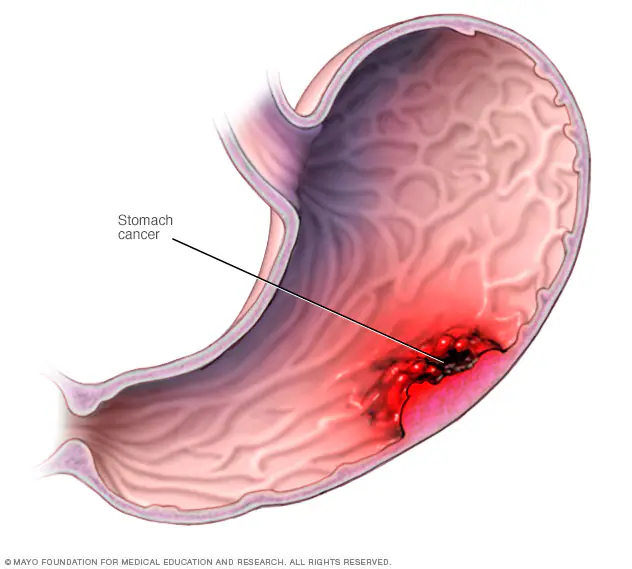
Stomach cancer, medically called gastric cancer, rarely announces itself during its earliest stages. Most people experiencing early symptoms attribute them to far less serious digestive issues. This widespread dismissal explains why stomach cancer frequently gets diagnosed at more advanced, harder-to-treat stages.
This pattern carries serious consequences for treatment outcomes and survival. Earlier diagnosis dramatically improves available treatment options and overall prognosis. Understanding exactly why this disease stays so quiet helps motivate paying closer attention to subtle changes.
Why Stomach Symptoms So Easily Get Dismissed
Common digestive issues, like indigestion and mild stomach discomfort, affect nearly everyone regularly. This familiarity makes distinguishing concerning symptoms from routine digestive trouble genuinely difficult. This challenge explains why awareness of more specific warning signs matters significantly.
What Causes Stomach Cancer
Helicobacter pylori, commonly called H. pylori, represents the most significant known risk factor. This common bacterial infection affects a large percentage of the global population. Chronic H. pylori infection causes ongoing stomach lining inflammation, gradually increasing cancer risk.
Dietary patterns also play meaningful contributing roles over time. Diets high in salted, smoked, or preserved foods have historically correlated with higher gastric cancer rates. Meanwhile, low fruit and vegetable consumption may reduce protective nutrients that support stomach lining health.
Understanding H. pylori’s Role in Cancer Development
H. pylori doesn’t immediately cause cancer; instead, it creates damaging conditions over many years. Chronic infection triggers persistent inflammation that gradually damages stomach lining cells. This repeated damage and repair cycle eventually increases the risk of cancerous transformation.
Why Dietary Patterns Matter Long-Term
High sodium intake from preserved foods creates an irritating stomach environment over time. Nitrites found in certain processed meats can convert into cancer-promoting compounds during digestion. Conversely, antioxidants from fruits and vegetables may offer meaningful protective benefits against this process.
Who Faces Higher Risk
Older adults, particularly those over fifty-five, face significantly higher risk for stomach cancer. Men develop this cancer roughly twice as often as women statistically. Family history of gastric cancer or certain inherited genetic syndromes also meaningfully elevates personal risk.
Smoking represents another independently significant risk factor. Tobacco smoke introduces harmful carcinogens that can damage the stomach lining directly. This damage, combined with other risk factors, compounds overall cancer risk considerably.
Why Certain Geographic Regions Show Higher Rates
Stomach cancer rates vary dramatically across different countries and regions worldwide. East Asian countries, like Japan and South Korea, historically report considerably higher incidence. These differences likely reflect dietary patterns, H. pylori prevalence, and genetic susceptibility factors combined.
The Importance of Personal and Family Medical History
Prior stomach surgeries and chronic stomach inflammation can increase cancer risk over time. Having family members with stomach cancer suggests potential inherited susceptibility worth discussing. This family history warrants more proactive, regular monitoring discussions with your doctor.
Recognizing the Subtle Early Warning Signs
Persistent indigestion or heartburn that doesn’t improve with standard remedies deserves attention. Many people experience occasional heartburn without concern, but persistent, unexplained cases warrant further evaluation. This distinction between typical and atypical symptom patterns becomes critically important.
A feeling of fullness after eating only small amounts of food can also signal concern. Many people attribute this change to stress or dietary shifts rather than anything more serious. Unexplained nausea occurring regularly, particularly after meals, similarly warrants prompt medical discussion.
Why Mild Symptoms Get Easily Attributed to Other Causes
Acid reflux, irritable bowel syndrome, and stress commonly cause similar digestive discomfort. This symptom overlap frequently leads people to self-treat rather than seek professional evaluation. Recognizing when symptoms persist beyond typical timeframes helps prompt more appropriate action.
Additional Warning Signs Worth Knowing
Unexplained weight loss without dietary changes represents one of the more notable warning signs. Some people also notice dark, tarry stools, indicating possible bleeding within the stomach. Persistent fatigue and unexpected anemia can also sometimes reflect underlying stomach cancer development.
How Doctors Diagnose Stomach Cancer
Endoscopy remains the most effective diagnostic tool for confirming stomach cancer specifically. During this procedure, doctors pass a flexible camera through the mouth to directly examine the stomach lining. This direct visualization allows doctors to identify suspicious areas and collect biopsy samples simultaneously.
Additional imaging tests, like CT scans, help assess whether cancer has spread beyond the stomach itself. These scans provide important staging information guiding subsequent treatment decisions effectively. Combining endoscopy with imaging creates the most comprehensive diagnostic picture available.
Why Endoscopy Provides Such Definitive Answers
No other test matches endoscopy for directly visualizing and sampling stomach tissue accurately. This directness provides definitive diagnostic answers that other indirect tests simply cannot match. This capability makes endoscopy essential whenever stomach cancer remains a genuine possibility.
Treatment Approaches Based on Stage
Early-stage stomach cancer often allows surgical removal of affected stomach portions successfully. Surgery combined with chemotherapy before or after operation often improves outcomes significantly. Radiation therapy sometimes supplements treatment for locally advanced cases specifically.
Advanced-stage cases primarily rely on chemotherapy, targeted therapies, or immunotherapy approaches. Treatment selection depends heavily on cancer characteristics, stage, and overall patient health status. Personalized treatment planning, accounting for these multiple factors, supports the best possible individual outcomes.
Why Surgery Offers the Best Outcomes When Possible
Surgical removal directly eliminates the tumor, providing the clearest path toward potential cure. This option remains most viable when cancer hasn’t significantly spread beyond the stomach. This explains why early detection, enabling surgical eligibility, matters so profoundly.
Final Thoughts on Stomach Cancer Awareness
Stomach cancer’s silent early nature creates a genuine, preventable diagnostic challenge. Recognizing subtle warning signs and understanding personal risk factors helps encourage timely medical evaluation. This awareness could meaningfully improve diagnosis timing and subsequent treatment outcomes.
If you experience persistent, unexplained digestive symptoms lasting beyond a few weeks, seek medical evaluation. Don’t dismiss these changes simply because they feel mild or manageable currently. With earlier diagnosis and appropriate treatment, stomach cancer outcomes can improve significantly.
Frequently Asked Questions
Can stomach cancer be cured completely?
Yes, stomach cancer can potentially be cured when caught at early, localized stages specifically. Surgical removal combined with appropriate additional treatments offers genuine curative potential. This possibility reinforces why early detection through symptom awareness genuinely matters so much.
How is H. pylori infection treated?
H. pylori infection typically responds well to a specific combination of antibiotics alongside acid-reducing medication. Treatment usually lasts around two weeks following a confirmed infection diagnosis. Successfully eliminating this infection may reduce long-term stomach cancer risk considerably.
Does everyone with H. pylori develop stomach cancer?
No, only a small percentage of people with H. pylori infection ever develop stomach cancer. However, infection significantly increases overall risk compared to uninfected individuals. Treating confirmed H. pylori infections helps reduce this elevated risk meaningfully.
Is there a screening program for stomach cancer?
Some Asian countries with high stomach cancer rates offer routine endoscopy screening programs. However, widespread population screening isn’t standard practice in many Western countries currently. High-risk individuals should discuss targeted screening options with their personal doctor.
Can stomach cancer be prevented completely?
Complete prevention isn’t always possible, but several meaningful steps reduce risk significantly. Treating H. pylori infections, avoiding smoking, and maintaining a healthy diet all contribute to lower risk. These combined preventive efforts offer meaningful protection against gastric cancer development.
Disclaimer:
This article is for informational purposes only and does not replace professional medical advice. Please consult a qualified healthcare provider for diagnosis and treatment.
References:
- Abdominal pain and discomfort, particularly in the upper abdomen or just below the breastbone, is another common early symptom.
- The integration of en31-FnCas9 with the FELUDA diagnostic method represents a significant advancement in the field of molecular diagnostics.
- The small intestine constitutes remarkable real estate in the digestive system
- Researchers from the International Agency for Research on Cancer (IARC), part of the WHO
Observer Voice is the one stop site for National, International news, Sports, Editor’s Choice, Art/culture contents, Quotes and much more. We also cover historical contents. Historical contents includes World History, Indian History, and what happened today. The website also covers Entertainment across the India and World.

