

Rising Fuel Prices Drive Indian Consumers Towards Electric Vehicles Amid Ongoing Challenges

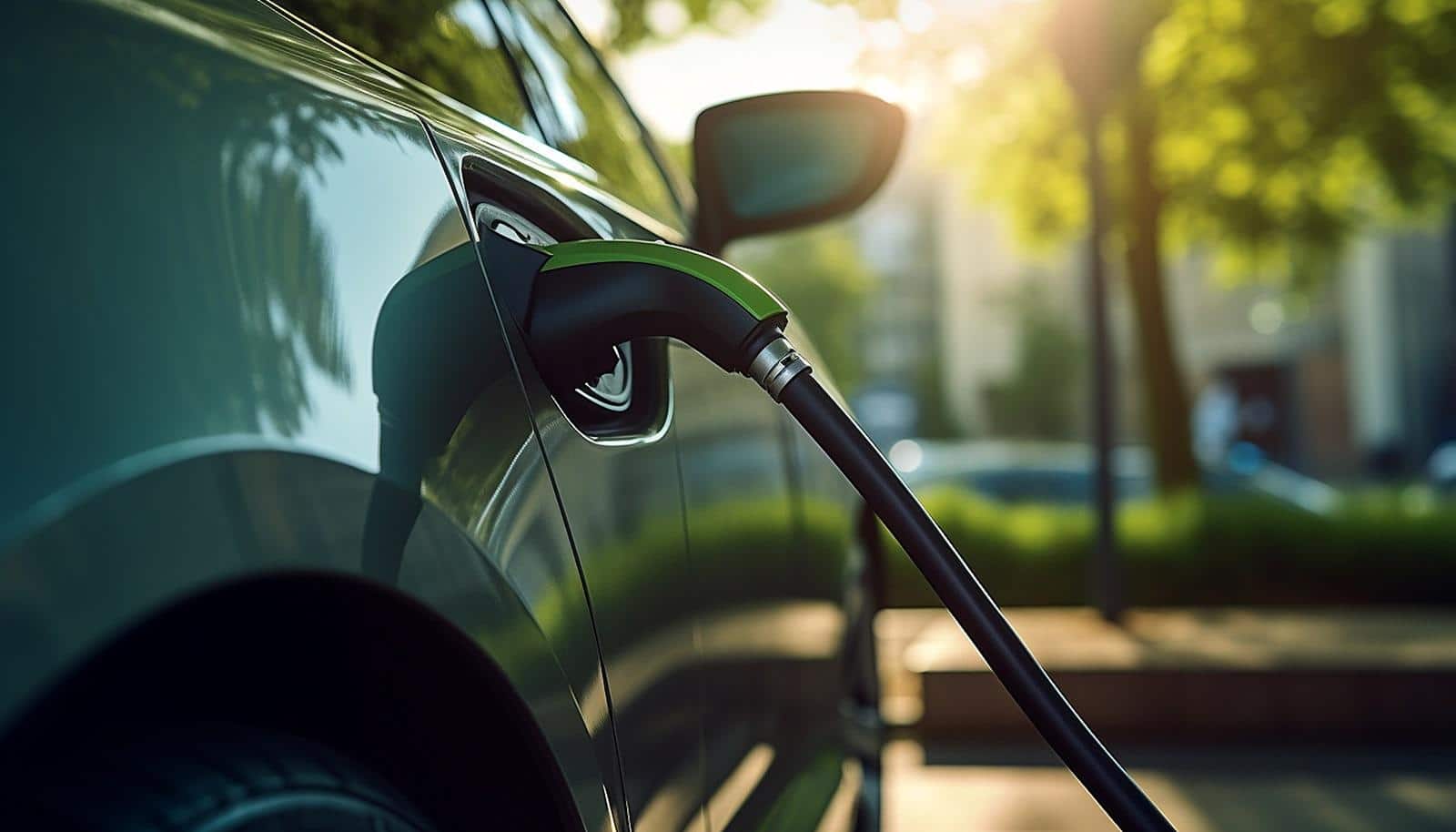
Are electric vehicles (EVs) finally making their mark in India? Recent data indicates a significant shift in the automotive landscape, with the electric car market experiencing a robust 25% growth in the year ending March 2026. Notably, EVs have surpassed the crucial 5% threshold in India’s passenger vehicle market, a milestone often regarded as pivotal for widespread adoption. The Indian automobile dealers association has remarked that the transition towards electric mobility is now substantive rather than merely directional.
Growing Adoption of Electric Vehicles
The surge in electric vehicle adoption is particularly evident in the segment of larger cars priced above one million rupees (approximately $10,481). In this category, one in every ten vehicles sold is now electric. Additionally, electric three-wheelers and motorbikes have captured more than 30% and 15% of their respective markets. This trend reflects a growing consumer preference for electric options, driven by rising fuel prices and the increasing availability of EV models. The recent conflict in the Middle East has further intensified interest in electric vehicles, as India imports nearly 90% of its oil. State-run fuel retailers have had to raise pump prices after maintaining stability for four years, following a 50% increase in crude oil prices. In response, Prime Minister Narendra Modi has encouraged citizens to carpool, utilize public transport, and work from home to conserve fuel.
Regulatory Changes and Future Prospects
Looking ahead, several long-term factors are expected to bolster the electric vehicle market in India. The upcoming regulatory norms, known as CAFE-3, are set to take effect in April next year and will remain in force until March 2032. These regulations aim to significantly tighten emissions standards, reducing carbon emissions in cars from 113 to 76 grams per kilometer by 2032—a 33% decrease. Analysts from Bernstein have noted that these regulations will likely accelerate EV adoption, as they introduce binding targets and penalties for manufacturers. Unlike the current scenario, where penalties have not been enforced, CAFE-3 is expected to change the landscape, compelling manufacturers to invest in electric technologies.
Moreover, individual cities like Delhi are implementing ambitious policies to phase out conventional internal combustion engines, aiming to halt registrations of new ICE two and three-wheelers by 2027. This regulatory push, combined with a healthy pipeline of new electric vehicle models, is projected to increase EV penetration in India’s passenger vehicle market to 9% by 2030.
Challenges in Infrastructure and Supply Chain
Despite these promising developments, India still faces significant challenges in its transition to electric vehicles. One of the most pressing issues is the lack of adequate charging infrastructure. While the number of public charging stations has increased from 2,000 to over 10,000 in the past three years, the distribution remains uneven, with only four of India’s 28 states accounting for over half of the charging points. In stark contrast, China boasts around 20 million public charging points, highlighting the substantial gap in infrastructure. This disparity contributes to “range anxiety,” where consumers worry about the availability of charging options during their journeys.
Additionally, India’s reliance on global supply chains for essential materials used in battery production poses another hurdle. The country depends heavily on imports of rare earth elements, with China controlling a significant portion of the refining processes for lithium and cobalt. Analysts warn that geopolitical risks associated with these dependencies could delay India’s EV rollout and affect cost competitiveness. Building a robust local supply chain for battery production is a long-term endeavor that may take over a decade to establish.
The Road Ahead for Electric Vehicles in India
As India navigates these challenges, the timely implementation of CAFE-3 regulations will be crucial for fostering a conducive environment for electric vehicle adoption. Despite ongoing discussions for three years, the final draft of these standards remains pending. Experts emphasize that regulatory clarity is essential for manufacturers to make informed investment decisions and for the broader ecosystem to evolve. The future of electric vehicles in India hinges on a combination of effective policy measures, infrastructure development, and local supply chain enhancements, all of which will play a vital role in shaping the country’s automotive landscape in the years to come.
Observer Voice is the one stop site for National, International news, Sports, Editor’s Choice, Art/culture contents, Quotes and much more. We also cover historical contents. Historical contents includes World History, Indian History, and what happened today. The website also covers Entertainment across the India and World.

