

Rabies: The Preventable Disease That Kills 59,000 People Yearly
Why Dog Vaccination and Bite Prevention Could Eliminate This 100% Fatal Virus

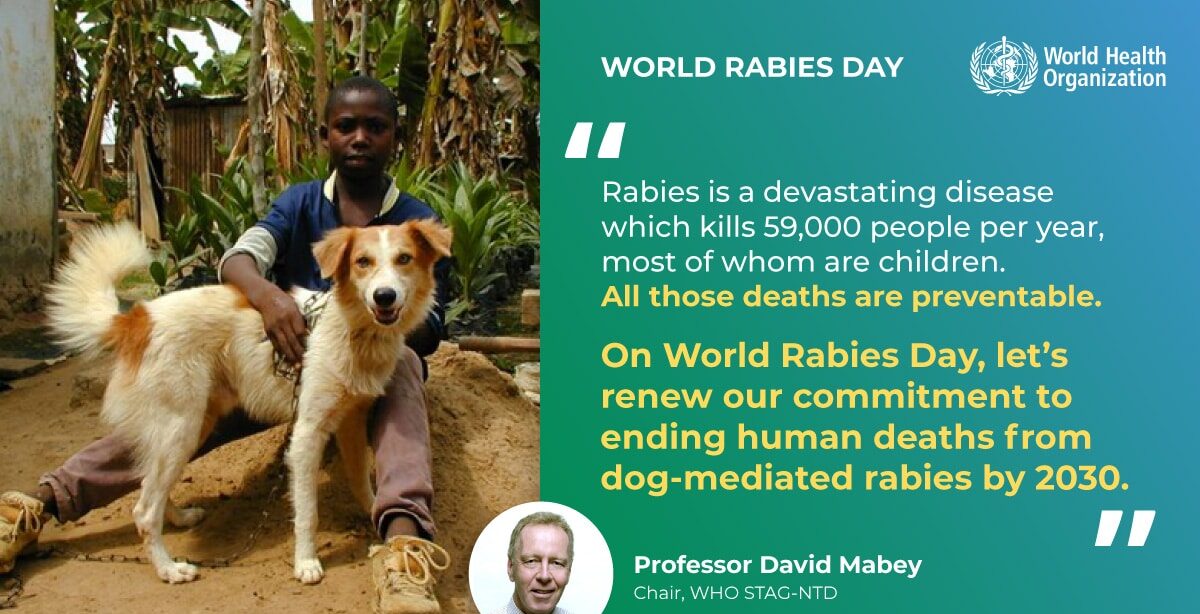
Ten-year-old Rajesh from rural India was playing near his home when a stray dog bit him on the leg. The bite wasn’t deep, and after washing it with water, Rajesh’s family didn’t think much of it. They didn’t know the dog was rabid, didn’t understand that rabies kills virtually everyone who develops symptoms, and didn’t realize that immediate medical treatment after exposure could prevent the disease completely. Six weeks later, Rajesh developed fever, headache, and strange behavior—becoming agitated and fearful of water. His family rushed him to the hospital, but doctors could do nothing. Rabies had reached Rajesh’s brain. Within days, he slipped into a coma and died, joining approximately 59,000 people—mostly children—who die from rabies annually, overwhelmingly in Asia and Africa.
Rajesh’s death represents a preventable tragedy. Rabies is 100% fatal once symptoms appear, but it’s also nearly 100% preventable through proper treatment after exposure. If Rajesh’s family had known to seek medical care immediately after the dog bite, if the local health center had stocked rabies vaccine and immunoglobulin, if the community had vaccinated dogs preventing the stray from becoming rabid, Rajesh would be alive today. His death, like tens of thousands of others each year, resulted not from medical inability to prevent rabies but from lack of awareness, inadequate access to prevention tools, and insufficient investment in dog vaccination programs.
According to the World Health Organization, rabies is a vaccine-preventable viral disease that causes progressive and fatal inflammation of the brain and spinal cord. The rabies virus spreads to people primarily through the bite or scratch of an infected animal, with dogs responsible for 99% of human rabies deaths. Rabies is present on all continents except Antarctica, with over 95% of human deaths occurring in Asia and Africa. While rabies kills approximately 59,000 people annually, this burden is vastly underestimated due to poor surveillance and underreporting, particularly in rural areas where most deaths occur. The disease disproportionately affects poor, rural communities, particularly children who may not report animal bites to adults and are more likely to be bitten on the face and head where virus reaches the brain faster.
Understanding Rabies
Rabies is caused by a virus in the Lyssavirus genus transmitted primarily through the saliva of infected animals when they bite, scratch, or lick broken skin or mucous membranes. Dogs cause 99% of human rabies deaths, though other mammals can transmit rabies including bats (significant in the Americas and increasingly recognized globally), foxes, raccoons, skunks, and other carnivores in different regions, jackals and mongooses in some areas, and rarely, cats, cattle, horses, and other domestic animals. Once a mammal is infected, rabies is virtually always fatal.
After rabies virus enters the body through a bite or scratch, it travels from the wound site along nerves to the brain—a journey that can take days to months depending on wound location (bites near the head reach the brain faster than leg bites), amount of virus transmitted (deeper bites transferring more saliva carry more virus), and other factors. This incubation period averages 1-3 months but can range from less than a week to over a year. Critically, the virus can be stopped during this incubation period through post-exposure prophylaxis (PEP), which prevents it from reaching the brain.
Once rabies virus reaches the brain, symptoms develop, and the disease becomes essentially 100% fatal. Symptoms progress through stages beginning with early symptoms of fever, headache, general weakness, discomfort at the bite site (tingling, burning, or pain), anxiety, confusion, and agitation. The disease then manifests in two forms: furious rabies (about 80% of cases) causing hyperactivity, excitability, hydrophobia (fear of water triggered by difficulty swallowing), aerophobia (fear of air or drafts), agitation and aggressive behavior, seizures, and hallucinations, or paralytic rabies (about 20% of cases) causing muscles gradually becoming paralyzed starting at wound site, coma, and death. Both forms are fatal, usually within days to weeks of symptom onset.
Like plague and polio, rabies has terrorized humanity for millennia, but unlike those diseases, rabies remains largely neglected despite being preventable.
The Global Burden
Rabies causes an estimated 59,000 human deaths annually, though actual numbers are likely higher due to underreporting. Over 95% of deaths occur in Asia and Africa, with India alone accounting for approximately 36% of global rabies deaths. Children under 15 years bear disproportionate burden, representing 40% of people bitten by suspect rabid animals and receiving post-exposure treatment.
Economic costs are substantial—rabies causes approximately $8.6 billion in economic losses annually through direct costs of post-exposure treatment (which can cost $40-50 in Africa and $40-80 in Asia per patient—catastrophic amounts for poor families), livestock losses when domestic animals contract rabies, lost productivity from illness and death, and costs of investigating and responding to animal bites.
The burden concentrates overwhelmingly among poor, rural populations who lack access to healthcare for post-exposure treatment, live in areas with large populations of unvaccinated dogs, have limited awareness about rabies transmission and prevention, and cannot afford the costs of post-exposure treatment even when available. Like maternal mortality and malnutrition, rabies deaths reflect profound health inequities and preventable tragedies.
Prevention: Dog Vaccination as the Key
The most effective rabies prevention strategy is vaccinating dogs—the source of 99% of human rabies deaths. Countries that have eliminated dog rabies through mass dog vaccination programs have virtually eliminated human rabies deaths. WHO, in collaboration with the World Organisation for Animal Health (WOAH), the Food and Agriculture Organization (FAO), and the Global Alliance for Rabies Control, established the goal of achieving zero human deaths from dog-mediated rabies by 2030.
Effective dog vaccination requires reaching at least 70% of the dog population in an area to establish “herd immunity” interrupting rabies transmission among dogs. This requires regular mass vaccination campaigns reaching owned and ownerless/stray dogs, maintaining vaccination coverage over time through annual campaigns, community engagement ensuring dog owners bring animals for vaccination, and integrating dog vaccination with broader animal health programs.
Countries including Costa Rica, Japan, Malaysia, and others have eliminated dog rabies through sustained vaccination programs, demonstrating feasibility. However, many countries—particularly in Africa and Asia—struggle to implement comprehensive dog vaccination due to insufficient funding, lack of veterinary infrastructure in rural areas, large populations of stray and ownerless dogs difficult to vaccinate, and competing priorities in resource-limited settings.
Like One Health challenges broadly, rabies control requires coordinated action across human health, animal health, and environmental sectors.
Post-Exposure Prophylaxis: Preventing Disease After Bites
When dog vaccination coverage is insufficient and people are bitten by potentially rabid animals, immediate post-exposure prophylaxis (PEP) prevents rabies from developing. PEP involves several critical steps. Immediate wound washing with soap and water for 15 minutes removes virus from the wound and provides the first, most important defense against infection—studies show proper wound washing alone reduces rabies risk by 90%.
Rabies vaccination after exposure involves a series of doses given over days to weeks. Modern vaccines require 4-5 doses over 2-4 weeks (much improved from older vaccines requiring 14-28 painful injections in the abdomen). Vaccines can prevent rabies if started anytime during the incubation period before symptoms appear. Rabies immunoglobulin (RIG), for severe exposures (bites near head, multiple bites, deep wounds), provides immediate antibodies while the vaccine stimulates the body’s immune response. RIG is infiltrated around the wound and injected intramuscularly.
Assessment by healthcare workers determines appropriate PEP based on exposure severity—category I (touching or feeding animals, licks on intact skin) requires no treatment, category II (nibbling uncovered skin, minor scratches without bleeding) requires vaccination but not RIG, and category III (single or multiple bites or scratches breaking skin, contamination of mucous membranes with saliva from licks, contact with bats) requires both vaccination and RIG.
The challenge is ensuring PEP availability and accessibility, particularly in rural areas where most exposures occur. Many rural health facilities lack rabies vaccines and RIG, requiring people to travel long distances to tertiary hospitals. Costs of PEP, while lower than previously, remain unaffordable for many poor families. Supply chain problems cause vaccine stockouts. Like ensuring medical oxygen availability, PEP access requires strengthening health systems.
Additional Prevention Strategies
Beyond dog vaccination and PEP, comprehensive rabies prevention includes public education teaching people to avoid contact with unfamiliar animals, report animal bites immediately and seek medical care, recognize rabid animal behavior (excessive drooling, difficulty swallowing, unusual aggression or docility, disorientation), and practice responsible pet ownership including vaccinating owned dogs.
Responsible animal ownership involves vaccinating pets against rabies, supervising pets preventing bites, neutering pets to control populations, and reporting sick or unusual-behaving animals to authorities. Dog population management through humane methods includes sterilization programs controlling stray dog populations, animal welfare approaches rather than culling (which is ineffective and raises ethical concerns), and regulating dog ownership and movement.
Bite prevention education focuses particularly on teaching children how to behave around dogs, recognizing warning signs of aggression, and reporting bites to adults immediately. Surveillance systems detecting rabid animals, monitoring PEP usage, tracking human and animal rabies cases, and enabling rapid outbreak response are essential.
Rajesh’s Community After Intervention
Following Rajesh’s death, his community became a pilot site for integrated rabies control. Health and veterinary authorities collaborated on comprehensive interventions including annual mass dog vaccination campaigns reaching over 80% of dogs, establishing rabies vaccine and RIG stocks at the local primary health center, training healthcare workers on proper PEP administration and bite management, conducting community education about rabies transmission and prevention, establishing animal bite reporting and investigation systems, and integrating rabies into school health education curricula.
Three years later, no human rabies deaths have occurred in the community. Dog rabies cases have dropped dramatically. When children are bitten, families immediately seek medical care, and the health center provides appropriate PEP. Most importantly, Rajesh’s younger siblings attend school healthy rather than mourning their brother—a testament to what’s achievable through comprehensive rabies control.
“Rajesh’s death was entirely preventable,” Dr. Sharma, who leads the rabies control program, emphasizes. “We failed him because we didn’t invest in dog vaccination, didn’t ensure PEP availability, and didn’t educate his community about rabies. Now we’ve corrected these failures, and children are protected. But Rajesh’s community is lucky—most areas still lack these basic interventions.”
Dr. Sharma stresses broader implications: “Rabies kills 59,000 people annually—overwhelmingly children, overwhelmingly poor, overwhelmingly in Asia and Africa. Yet rabies is 100% preventable through dog vaccination and post-exposure treatment. We have the tools. We know what works. Countries that invested in mass dog vaccination eliminated human rabies deaths. What’s needed is political will to prioritize rabies, adequate funding for dog vaccination programs and PEP supplies, collaboration between human and animal health sectors, community engagement and education, and recognition that child deaths from rabies are unacceptable when prevention is so straightforward. Achieving zero human deaths from dog-mediated rabies by 2030 is possible if we commit resources and implement proven strategies. Every child deserves protection from this ancient, terrifying, yet entirely preventable disease.”
Frequently Asked Questions (FAQs)
Rabies is a viral disease causing progressive, fatal inflammation of the brain and spinal cord (encephalitis). It spreads through saliva of infected animals when they bite, scratch, or lick broken skin/mucous membranes. Dogs cause 99% of human rabies deaths. After entering the body, rabies virus travels along nerves to the brain—a journey taking days to months. Once symptoms develop, rabies is essentially 100% fatal, killing virtually everyone within days to weeks. Only a handful of people have survived rabies after symptoms began, and those survivors often have severe neurological damage. Rabies is deadly because once it reaches the brain, no treatment can stop it. However, it’s preventable through dog vaccination (preventing transmission) and post-exposure treatment (stopping virus before it reaches the brain)
Yes, absolutely—if treatment starts before symptoms develop. Post-exposure prophylaxis (PEP) is nearly 100% effective at preventing rabies. PEP involves: (1) Immediate wound washing with soap and water for 15 minutes—critically important, reduces risk 90%; (2) Rabies vaccination—4-5 doses over 2-4 weeks stimulating immune response; (3) Rabies immunoglobulin (RIG) for severe exposures—provides immediate antibodies while vaccine works. PEP must start as soon as possible after exposure, ideally within hours but remains effective anytime during incubation period before symptoms appear. Once symptoms develop, rabies is essentially untreatable and 100% fatal. This makes seeking immediate medical care after animal bites critical—delay can mean death. Like pneumonia treatment, timing is crucial.
Dogs cause 99% of human rabies deaths because they have close contact with humans as companions, guards, or strays in communities, can transmit rabies virus through saliva when they bite, scratch, or lick wounds, and in many countries (particularly Asia and Africa), large dog populations remain unvaccinated against rabies, maintaining virus circulation. Other animals (bats, foxes, raccoons, etc.) can transmit rabies but have less frequent human contact. Critically, vaccinating dogs against rabies is the most effective prevention strategy—countries achieving high dog vaccination coverage (70%+ of dogs) have eliminated dog rabies and consequently eliminated nearly all human rabies deaths. This demonstrates that human rabies is preventable through controlling the disease in its primary animal source.
Take immediate action: (1) Wash the wound thoroughly with soap and water for at least 15 minutes—critically important first step reducing infection risk dramatically; (2) Seek medical care immediately at nearest health facility capable of providing rabies post-exposure treatment—don’t delay even if bite seems minor; (3) If possible without risking additional bites, observe the animal from distance or get information about it for authorities; (4) Report the bite to local health and animal control authorities; (5) Never handle potentially rabid animals or try to capture them yourself. Tell healthcare providers about the bite, describe the animal, explain circumstances. They will assess exposure severity and provide appropriate treatment. Even if you think the animal wasn’t rabid, seek medical evaluation—rabies is 100% fatal once symptoms develop, making caution essential.
Yes, rabies elimination is achievable, and WHO has set a goal of zero human deaths from dog-mediated rabies by 2030. Several countries have already eliminated dog rabies through sustained dog vaccination programs, demonstrating feasibility. Elimination requires: (1) Mass dog vaccination—reaching 70%+ of dogs in endemic areas through regular campaigns; (2) Ensuring PEP availability and accessibility—vaccines and immunoglobulin at health facilities, affordable or free; (3) Public education—teaching communities about rabies transmission, prevention, and seeking immediate medical care after bites; (4) Surveillance systems—detecting rabid animals and human cases, enabling rapid response; (5) Collaboration between human health, animal health, and wildlife sectors; (6) Adequate funding and political commitment. While challenging in resource-limited settings with large stray dog populations, elimination is technically and economically feasible if prioritized.
References
- World Health Organization. (2024). Rabies. Retrieved from https://www.who.int/health-topics/rabies
- World Health Organization. (2024). Rabies – Fact Sheet. Retrieved from https://www.who.int/news-room/fact-sheets/detail/rabies
- World Health Organization. (2018). Zero by 30: The global strategic plan to end human deaths from dog-mediated rabies by 2030. Retrieved from https://www.who.int/publications/i/item/9789241513838
- Observer Voice. Plague: The Ancient Disease That Still Threatens Today. Retrieved from https://observervoice.com/plague-symptoms-transmission-prevention-antibiotics-black-death/
- Observer Voice. Polio: The Crippling Disease We’re Close to Eradicating. Retrieved from https://observervoice.com/polio-eradication-vaccination-paralysis-prevention-pakistan-afghanistan/
Disclaimer: This article is an adaptation of publicly available information from WHO’s Rabies
health topic page (WHO, Geneva. Licence: CC BYNC-SA 3.0 IGO). WHO is not responsible for the
content or accuracy of this adaptation. This content is for informational and educational purposes
only and does not constitute medical advice. ObserverVoice.com is a news and information platform
— not a healthcare provider.
Observer Voice is the one stop site for National, International news, Sports, Editor’s Choice, Art/culture contents, Quotes and much more. We also cover historical contents. Historical contents includes World History, Indian History, and what happened today. The website also covers Entertainment across the India and World.

