

Primary Sclerosing Cholangitis (PSC): Bile Duct Scarring and Its Link to IBD

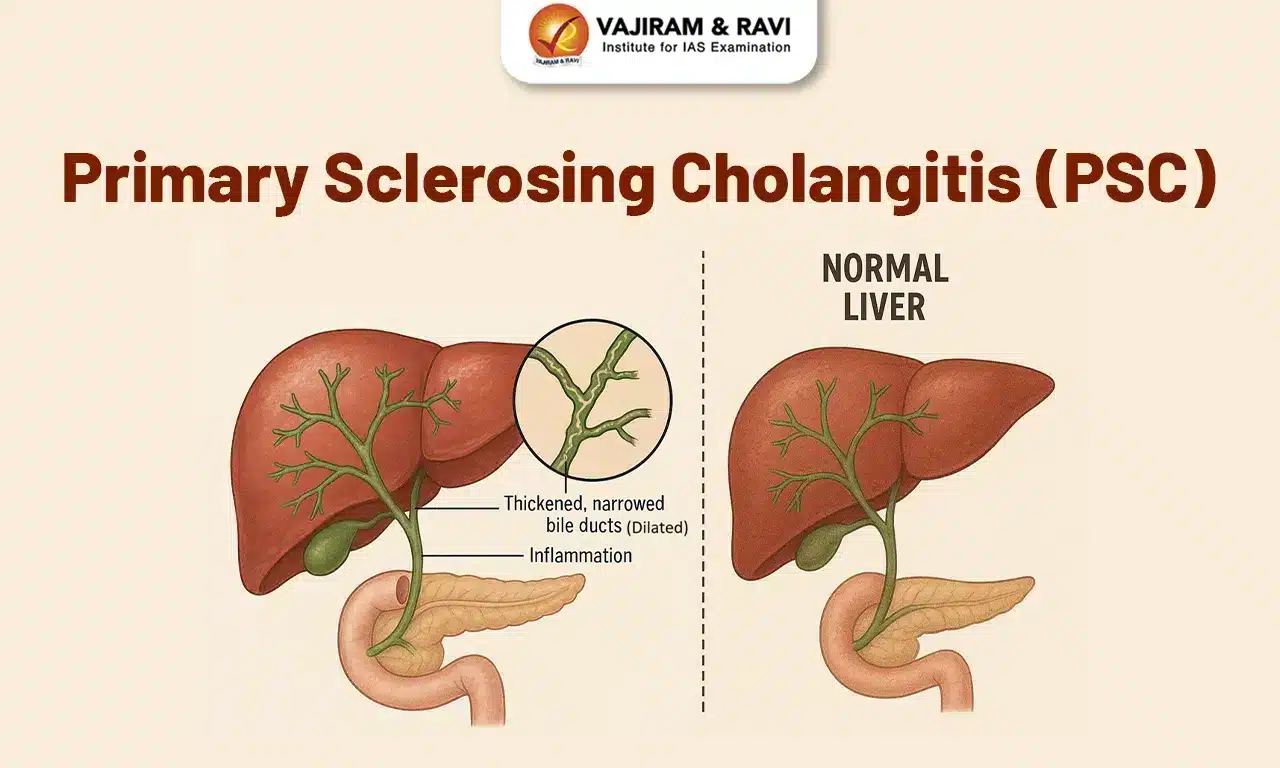
Primary Sclerosing Cholangitis, commonly called PSC, is a chronic disease characterized by progressive fibrosis and stricturing of the bile ducts inside and outside the liver. The disease causes bile ducts to narrow and harden. Fibrosis, or scarring, progressively damages bile ducts. The narrowing obstructs bile flow. Cholestasis develops. Bilirubin accumulates. Jaundice develops. Progressive cirrhosis can develop if disease is not controlled. Primary Sclerosing Cholangitis is strongly associated with inflammatory bowel disease, or IBD. About seventy to eighty percent of PSC patients have inflammatory bowel disease. Usually Ulcerative Colitis, though Crohn’s Disease can occur. The association is bidirectional. About five to ten percent of IBD patients develop PSC. The reasons for this strong association are not completely understood. Immune activation in IBD may trigger PSC. Bacterial products from IBD may trigger immune attack on bile ducts. Genetic factors in both diseases. The coexistence of PSC and IBD creates a complex disease requiring management of both conditions. Primary Sclerosing Cholangitis affects approximately one to two people per one hundred thousand worldwide. The disease predominates in men, affecting men about twice as frequently as women. This contrasts with Primary Biliary Cholangitis which predominantly affects women. PSC typically develops in young to middle-aged adults. Many are diagnosed in their thirties to fifties. However, PSC can develop at any age. Children and adolescents can develop PSC. Juvenile PSC occurs but is relatively uncommon. Primary Sclerosing Cholangitis is caused by chronic inflammation of bile ducts. The exact etiology is not known. Genetic predisposition appears important. Environmental triggers may initiate disease. Immune activation targets bile duct epithelial cells. T cells infiltrate bile ducts. Inflammatory cytokines cause inflammation. Progressive fibrosis develops. Bile ducts narrow. Strictures form. Progressive cholestasis develops. Early diagnosis and appropriate treatment are crucial for slowing disease progression. With modern medical management, disease progression can be slowed. However, PSC typically progresses toward cirrhosis over time. Liver transplantation is curative. However, early treatment may delay or prevent need for transplant. Understanding Primary Sclerosing Cholangitis and its IBD association helps with early recognition and appropriate management of this complex disease.
How Does Chronic Inflammation Cause Bile Duct Fibrosis in PSC?
To understand Primary Sclerosing Cholangitis, we need to learn about bile ducts and chronic inflammation. The biliary system includes bile ducts that transport bile from the liver. Intrahepatic bile ducts within the liver. Extrahepatic bile ducts outside the liver. The common bile duct delivers bile to the intestine. In Primary Sclerosing Cholangitis, the immune system chronically attacks bile ducts. Unlike Primary Biliary Cholangitis which attacks small intrahepatic ducts, PSC attacks medium and large ducts. Both intrahepatic and extrahepatic ducts affected. T cells infiltrate bile duct walls. Inflammatory cytokines are produced. TNF-alpha, interleukin-2, interleukin-6 increase. These inflammatory mediators activate more immune cells. B cells infiltrate. Antibodies against bile duct antigens develop. The chronic inflammatory environment persists. Unlike acute inflammation that resolves, PSC inflammation is chronic and progressive. The chronic inflammatory process triggers fibrosis. Bile duct epithelial cells are damaged. Stellate cells in bile duct walls become activated. Activated stellate cells produce collagen. Collagen accumulates in bile duct walls. The bile duct wall thickens. The bile duct lumen narrows. Fibrosis progressively worsens. Early PSC shows inflammation without significant fibrosis. Progressive PSC shows increasing fibrosis. The fibrosis is characterized by concentric periductal fibrosis. This appears as an onion-skin pattern on histology. The onion-skin pattern is characteristic of PSC. Progressive fibrosis causes progressive bile duct narrowing. Strictures form. Strictures are areas of narrowing. Progressive stricture formation. Multiple strictures develop. Both intrahepatic and extrahepatic ducts affected. The strictures obstruct bile flow. Cholestasis develops. Bile accumulates proximal to strictures. The accumulation causes increased pressure. Bile reflux upstream. Bilirubin accumulation. Jaundice develops. Progressive bilirubin elevation. The disease follows a progressive course. Early disease shows minimal stricturing. Progressive disease shows multiple strictures. Advanced disease shows extensive stricturing. Cirrhosis eventually develops. Cirrhosis is characterized by extensive fibrosis throughout liver and bile duct system. Cirrhosis causes liver failure. The association with IBD complicates the disease. The intestinal inflammation in IBD appears related to PSC development. Bacterial translocation from inflamed bowel. Bacterial products trigger immune attack on bile ducts. Molecular mimicry. Antigens on bacteria cross-react with bile duct antigens. T cells attack both bacteria and bile ducts. The genetic overlap. Shared genetic susceptibility. Both IBD and PSC have genetic predisposition. Environmental factors. The intestinal dysbiosis in IBD. Altered gut bacteria composition. May trigger immune attack on bile ducts. The chronic nature of both diseases. Both IBD and PSC are chronic. Chronic inflammation perpetuates. Without treatment, both progress. The understanding of these mechanisms has led to research into targeted treatments. However, PSC remains difficult to treat. Understanding the inflammatory mechanisms has emphasized importance of early diagnosis and appropriate management.
What Are the Main Symptoms and Signs of Primary Sclerosing Cholangitis?
Primary Sclerosing Cholangitis causes variable symptoms depending on disease stage and severity. Many people are asymptomatic in early stages. Symptoms develop gradually in most cases. Fatigue is very common. Profound exhaustion. Systemic inflammation and cholestasis contribute. Fatigue is often the most disabling symptom. Fatigue limits work capacity. Abdominal pain is common. Right upper quadrant pain. Liver and biliary pain. Pain with palpation. Biliary colic from stricturing ducts. Episodic severe pain. Pruritus, or itching, occurs in some. Itching from cholestasis. Bile acid and bilirubin accumulation in skin. More prominent in advanced disease. Jaundice develops. Yellowing of skin and sclera. Bilirubin accumulation. Indicates significant cholestasis. Dark urine from bilirubin excretion. Pale stool from reduced bile flow. Fever may occur. Low-grade fever. Indicates inflammation or infection. Fever with cholangitis. Cholangitis is infection of obstructed bile ducts. Medical emergency. Nausea and vomiting occur in some. Appetite loss. Reduced food intake. Weight loss. Abdominal bloating. Gastrointestinal discomfort. Diarrhea if associated with Ulcerative Colitis. Steatorrhea. Fatty stools from fat malabsorption. Indicates cholestasis. Pale-colored stool. Reduced bile. Joint pain and swelling occur in some. Arthralgia. Associated with IBD. Non-erosive arthritis. Usually joints not permanently damaged. Skin manifestations occur. Erythema nodosum. Painful red nodules. Associated with IBD. Pyoderma gangrenosum. Painful skin ulcers. Associated with IBD. Eye involvement occurs in some. Uveitis. Eye inflammation. Vision symptoms. Associated with IBD. Episcleritis. Eye discomfort. Portal hypertension signs develop with cirrhosis. Spider angiomas. Small dilated blood vessels. Appear on face, chest, hands. Palmar erythema. Redness of palms. Vasodilation from liver disease. Ascites develops. Abdominal fluid accumulation. Indicates advanced disease. Hepatomegaly occurs. Liver enlargement. Palpable below rib cage. Splenomegaly occurs. Spleen enlargement. From portal hypertension. Variceal bleeding risk. Esophageal varices. Vomiting blood. Life-threatening hemorrhage. Encephalopathy can develop. Confusion. Mental slowness. Personality changes. Serious symptom. Cholangitis episodes. Fever. Abdominal pain. Jaundice worsening. Biliary infection. Medical emergency. Sepsis risk. Requires urgent treatment. Cholangiocarcinoma signs. Bile duct cancer risk in PSC. Progressive cholestasis. Rapid bilirubin elevation. Abdominal pain. Weight loss. Very serious complication. Prognosis worse. The symptoms vary widely. Some have minimal symptoms for years. Others develop significant symptoms rapidly. Many are asymptomatic initially. Diagnosis often made on screening. Early diagnosis prevents progression.
How is Primary Sclerosing Cholangitis Detected and Diagnosed?
Primary Sclerosing Cholangitis is diagnosed through a combination of clinical findings and specific imaging and laboratory tests. Cholangiography is the gold standard for diagnosis. Magnetic resonance cholangiopancreatography, or MRCP, is the preferred imaging. Non-invasive imaging. Shows entire biliary tree. Reveals strictures. Shows beading pattern characteristic of PSC. The beading pattern with alternating strictures and dilations is distinctive. MRCP diagnosis without biopsy. Endoscopic retrograde cholangiopancreatography, or ERCP. Invasive procedure. Direct visualization of bile ducts. Allows tissue sampling. Allows therapeutic intervention. Stricture dilation. However, invasive. Risk of pancreatitis. Reserved for therapeutic indications. Liver function tests show cholestasis. Alkaline phosphatase elevated. Elevated cholestasis marker. Gamma-glutamyl transferase, or GGT, elevated. Bilirubin. Usually normal initially. Elevated with disease progression. Direct bilirubin elevation. Aspartate aminotransferase, or AST, mildly elevated. Alanine aminotransferase, or ALT, mildly elevated. AST and ALT usually less elevated than in hepatitis. Albumin. Usually preserved initially. Low albumin indicates advanced disease. Prothrombin time, or PT. INR, or international normalized ratio. Usually preserved initially. Prolongation indicates advanced liver disease. Platelet count. Low platelets suggest portal hypertension. Hemoglobin. Anemia in advanced disease. P-ANCA antibody testing. Perinuclear anti-neutrophil cytoplasmic antibodies. Positive in about eighty percent of PSC. Supports diagnosis. However, not specific. Can be positive in other conditions. Anti-mitochondrial antibodies usually negative. Helps distinguish from Primary Biliary Cholangitis. Positive ANA may occur. Rheumatoid Factor usually negative. Liver ultrasound. Assesses liver size and echotexture. Assesses for cirrhosis. Assesses for portal hypertension. Spleen size. Ascites. Doppler ultrasound assesses portal vein patency. Elastography. Transient elastography measures liver stiffness. Indicates degree of fibrosis. Non-invasive assessment of cirrhosis. FibroScan. Liver biopsy. Confirms diagnosis. Shows periductal fibrosis. Onion-skin pattern characteristic. Portal inflammation. Shows degree of fibrosis. Stages from 0 to 4. Stage 4 is cirrhosis. However, biopsy not always necessary if MRCP findings typical. CT of abdomen if cirrhosis suspected. Detailed imaging. Assesses for cirrhosis. Assesses for portal hypertension. Assesses for complications. Screen for cholangiocarcinoma. Screening colonoscopy for IBD. Assess for IBD involvement. Screen for dysplasia. Assessment for increased colorectal cancer risk. The combination of clinical presentation with markedly elevated alkaline phosphatase, characteristic MRCP findings showing strictures and beading, and positive p-ANCA antibodies confirms diagnosis. Early diagnosis allows early treatment. Diagnostic delay allows progression of fibrosis.
What Health Complications Do People with Primary Sclerosing Cholangitis Face?
People with Primary Sclerosing Cholangitis face serious complications from progressive bile duct fibrosis and cirrhosis. The complications are more severe than in Primary Biliary Cholangitis. Cholangitis is a major complication. Bile duct infection. Fever. Right upper quadrant pain. Jaundice worsening. Biliary obstruction from strictures. Stagnant bile prone to infection. Sepsis risk. Life-threatening. Acute cholangitis is medical emergency. Requires urgent ERCP. Antibiotics. Bile duct dilation. Cirrhosis is the major complication. Progressive fibrosis leads to cirrhosis. Cirrhosis is irreversible. Once cirrhosis develops, cannot be cured. Progressive stricturing worsens cirrhosis. Eventually, advanced cirrhosis. Cirrhosis causes multiple complications. Portal hypertension. Portal vein pressure elevation. Collateral vessel formation. Esophageal varices. Gastric varices. Ascites. Splenomegaly. Portal hypertension causes life-threatening bleeding. Variceal hemorrhage. Esophageal varices rupture. Massive upper gastrointestinal bleeding. Hematemesis. Melena. Hypovolemic shock. Mortality high without urgent treatment. Ascites. Abdominal fluid accumulation. Abdominal swelling. Functional impairment. Mobility difficulty. Hepatic encephalopathy. Ammonia accumulation. Confusion. Mental slowness. Personality changes. Serious complication. Hepatorenal syndrome. Renal failure in liver disease. Acute kidney injury. Oliguria. Life-threatening emergency. Spontaneous bacterial peritonitis. Infection of ascitic fluid. Fever. Abdominal pain. Sepsis. High mortality. Hepatic hydrothorax. Fluid in pleural space. Respiratory compromise. Cholangiocarcinoma. Bile duct cancer. Significantly increased risk in PSC. About ten to fifteen percent develop HCC in liver. Prognosis very poor. Advanced disease at diagnosis often. Cholangiocarcinoma is leading cause of death in PSC. Requires surveillance. Regular imaging. Tumor markers. Early detection improves outcomes. However, difficult to diagnose early. Colorectal cancer. Increased risk in PSC patients with Ulcerative Colitis. Requires surveillance. Regular colonoscopy. Annual screening recommended. Early detection improves outcomes. Fat-soluble vitamin deficiency. From cholestasis. Vitamin A deficiency. Night blindness. Vitamin D deficiency. Osteoporosis. Vitamin E deficiency. Neurologic symptoms. Vitamin K deficiency. Coagulopathy. Adequate vitamin supplementation essential. Osteoporosis. From cholestasis. Vitamin D deficiency. Malabsorption. Bone pain. Fracture risk. Fat fractures from falls. Malnutrition. Fat-soluble vitamin deficiency. Steatorrhea. Fat malabsorption. Protein malnutrition. Micronutrient deficiency. Weight loss. Muscle wasting. Coagulopathy. Vitamin K deficiency. Impaired clotting factor synthesis. Prolonged PT/INR. Bleeding risk. Easy bruising. Spontaneous bleeding. Hemodynamic instability from massive bleeding. Stricture formation. Progressive. Multiple strictures. Increasing cholestasis. Recurrent cholangitis. Intrahepatic strictures. Extrahepatic strictures. Require repeated intervention. Stricture dilation. Stent placement. Complications of intervention. Pancreatitis from ERCP. PSC and IBD overlap complications. IBD complications. Abdominal pain. Diarrhea. Weight loss. Fistulas in Crohn’s. Toxic megacolon. Malabsorption from IBD. Depression and psychological impact. Chronic progressive disease. Cholangitis episodes. Uncertainty about prognosis. Fear of cancer. Fear of liver failure. Mental health support important. Without early diagnosis and appropriate treatment, complications are serious and potentially fatal. PSC typically progresses toward cirrhosis and end-stage liver disease. Liver transplantation is curative but is irreversible surgery.
What Treatments Help People with Primary Sclerosing Cholangitis?
Treatment for Primary Sclerosing Cholangitis is challenging. Disease-modifying agents are limited. Currently, no medical therapy proven to halt disease progression. Treatment focuses on slowing progression and managing complications. Ursodeoxycholic acid. Bile acid. Some benefit for cholestasis. Does not slow fibrosis progression. However, used commonly. May help symptoms. Improves cholestasis markers. Controversial benefit. Not universally recommended. Some studies show no benefit. Immunosuppressive agents. Azathioprine. Limited benefit. Some use in research settings. Corticosteroids. Limited role. May help inflammation. But do not prevent fibrosis. Side effects limit use. Methotrexate. Some benefit in limited studies. Used in selected cases. Mycophenolate mofetil. Some potential benefit. Used in research settings. Vancomycin. Antibiotic. Non-absorbable. Some potential benefit. Used in selected cases. Minocycline. Antibiotic with immunosuppressive properties. Some potential benefit. Clinical trials ongoing. FXR agonists. Similar to PBC treatment. Obeticholic acid. Showing promise. Clinical trials in progress. May slow fibrosis. IL-17 inhibitors. Targeting IL-17 pathway. Research ongoing. JAK inhibitors. Targeting JAK pathway. Research ongoing. Bezlotoxumab. Monoclonal antibody. Research ongoing for PSC. Stricture management. ERCP with stricture dilation. Therapeutic intervention. Mechanical dilation of strictures. Improves bile flow. Relieves cholestasis. Temporary effect. Strictures reform. Repeat dilations necessary. Stent placement. Biliary stents. Keep strictures open. Prevent restenosis. However, complications. Stent occlusion. Stent migration. Repeated procedures necessary. Management of cholangitis. Antibiotics. Broad-spectrum coverage. ERCP for obstruction relief. Stricture dilation. Stent placement if needed. Sepsis management. Urgent intervention. Management of IBD. Appropriate IBD treatment. 5-ASAs. Corticosteroids. Immunosuppressive agents. TNF inhibitors. Biologic agents. Controlling IBD may slow PSC. However, not proven. IBD treatment separate from PSC. Vitamin supplementation. Fat-soluble vitamin supplementation essential. Vitamin A. Vitamin D. Vitamin E. Vitamin K. Prevents deficiency complications. Calcium supplementation. Vitamin D and calcium. Prevent osteoporosis. Regular monitoring. Bone density assessment. Osteoporosis treatment. Bisphosphonates. Portal hypertension management. Beta-blockers reduce portal pressure. Propranolol. Carvedilol. Reduces variceal bleeding risk. Upper endoscopy screening. Screen for esophageal varices. Treat if present. Endoscopic variceal ligation. Prevents bleeding. Therapeutic intervention if bleeding. Ascites management. Diuretics for fluid overload. Sodium restriction. Fluid restriction. Colonoscopy surveillance. Annual colonoscopy for IBD patients. Screen for dysplasia. Colorectal cancer surveillance. Early detection. HCC surveillance if cirrhosis. Ultrasound and AFP monitoring. Imaging surveillance for cholangiocarcinoma. Regular MRCP or CT. Cholangiocarcinoma screening. Early detection improves outcomes. However, difficult. Liver transplantation is curative. Reserved for end-stage disease. Cirrhosis. Repeated cholangitis. Cholangiocarcinoma. Transplantation extends survival. However, irreversible surgery. Transplant itself has risks. Immunosuppression required. However, improves long-term outcomes. PSC can recur in transplant. However, less aggressive. With appropriate management of both PSC and IBD, disease progression can be slowed. However, PSC typically progresses toward cirrhosis over time. Regular monitoring allows early detection of complications. Treatment of complications improves quality of life.
Living with Primary Sclerosing Cholangitis
Living with Primary Sclerosing Cholangitis requires ongoing medical management, treatment of associated IBD, regular monitoring, lifestyle modifications, and psychological adjustment to a chronic progressive disease with uncertain prognosis. For people newly diagnosed with PSC, the diagnosis can be overwhelming. Learning about progressive liver disease is frightening. Especially with association with bile duct cancer risk. However, understanding that modern management can slow progression offers hope. Patient education about PSC, treatment options, and disease course helps people understand their condition. Understanding importance of monitoring is crucial. Understanding IBD management helps. Medication compliance is important. Ursodeoxycholic acid if prescribed. IBD medications. Taking immunosuppressive agents if used. Compliance important for disease control. Regular monitoring. Liver enzyme testing regularly. Bilirubin monitoring. Alkaline phosphatase monitoring. Guides treatment adjustments. MRCP or CT periodically. Assesses for stricture progression. Monitors cirrhosis progression. Annual colonoscopy if IBD. Screen for dysplasia. Surveillance for cholangiocarcinoma. Ultrasound and imaging. Monitor for HCC if cirrhosis. Vitamin supplementation compliance. Fat-soluble vitamins essential. Continued indefinitely. Bone health monitoring. DEXA scans assess bone density. Bisphosphonates if osteoporosis. Calcium and vitamin D supplementation. IBD management. Appropriate IBD treatment. 5-ASAs. Corticosteroids. Immunosuppressive agents. TNF inhibitors. Biologic agents. Controlling IBD important. May slow PSC. Work and school adjustments may become necessary. Fatigue may limit work. Abdominal pain may limit activity. Cholangitis episodes cause absences. Some need flexible work schedules. Some need reduced work hours. Severe disease may require disability. Disability support available. School-age children may need accommodations. Fatigue affecting attendance. Abdominal pain affecting participation. Frequent medical appointments. IBD-related absences. Educational accommodations. School counselor support. Nutrition management. Adequate protein. Adequate calories. If steatorrhea, low-fat diet. Smaller frequent meals. Adequate hydration. Vitamin supplementation. Calcium and vitamin D. Fat-soluble vitamins. Avoid alcohol. Alcohol toxic to liver. Absolutely avoid. Worsens liver disease. Hepatotoxic medications avoided. NSAIDs avoided. Acetaminophen used with caution. Consult physician about all medications. Stress management. Stress impacts both PSC and IBD. Meditation and relaxation. Yoga. Regular moderate exercise. Improves overall health. Reduces stress. Supports cardiovascular and bone health. Mental health support crucial. Depression common. Anxiety about disease progression. Fear of cancer. Uncertainty about prognosis. Counseling helps. Antidepressants may be necessary. Support groups. Connect with others with PSC. Share experiences. Coping strategies. Online communities. Social support from family and friends. Family education about disease. Understanding fatigue and limitations. Support with activity modifications. Emotional support crucial. Dating and relationships affected. Fatigue affects intimacy. Abdominal pain affects activity. IBD-related symptoms affect relationships. Sexual dysfunction from disease or medications. Communication helps partners understand. Pregnancy possible but requires medical planning. Disease activity may change during pregnancy. Some medications safe, others not. Close medical monitoring essential. Risk of complications during pregnancy. Flare of IBD. Flare of PSC. Cholangitis. Regular obstetric and hepatology follow-up. Breastfeeding usually safe. With appropriate early diagnosis and monitoring, treatment of IBD, vitamin supplementation, management of complications through stricture dilation and stent placement, stress management, adequate nutrition, alcohol avoidance, psychological support, family and social support, and regular medical follow-up, most people with Primary Sclerosing Cholangitis can manage disease and maintain quality of life despite the chronic progressive nature of this complex bile duct disease associated with IBD.
Frequently Asked Questions About Primary Sclerosing Cholangitis
FAQ 1: Is Primary Sclerosing Cholangitis the same as Primary Biliary Cholangitis? No, Primary Sclerosing Cholangitis and Primary Biliary Cholangitis are different diseases. PBC affects small bile ducts within the liver. PSC affects medium and large bile ducts inside and outside the liver. PBC predominantly affects women. PSC predominantly affects men. PBC has anti-mitochondrial antibodies. PSC has p-ANCA antibodies. PBC not associated with IBD. PSC strongly associated with IBD. PBC has better prognosis. PSC typically progresses toward cirrhosis. The distinction is important for treatment. They have different managements and outlooks.
FAQ 2: Does treating IBD help PSC? Controlling IBD inflammation is important. May slow PSC progression. However, not proven that IBD treatment prevents PSC. PSC appears to progress independently of IBD activity in some. Some have controlled IBD but progressive PSC. Some have active IBD and stable PSC. The relationship is complex. However, appropriate IBD treatment important. Controls IBD symptoms. May benefit PSC. Worth aggressive IBD management.
FAQ 3: What is the life expectancy for people with PSC? Life expectancy varies. Early diagnosis improves prognosis. Without transplant, median survival about twelve to fifteen years. However, highly variable. Some live decades. Others progress rapidly. Cholangiocarcinoma development worsens prognosis. Cirrhosis development affects survival. With modern treatment, outcomes improving. With transplant, long-term survival. Transplant extends life significantly. However, PSC can recur in transplant. Usually less aggressive.
FAQ 4: Can Primary Sclerosing Cholangitis be prevented? No cure or prevention exists currently. If IBD present, appropriate IBD treatment may slow PSC. However, not proven prevention. Genetic predisposition present. Environmental triggers not well understood. No proven preventive measures. Early detection through monitoring important. Monitoring allows early intervention. Complication prevention through stricture management. Stricture dilation prevents cholestasis worsening.
FAQ 5: Are there new treatments being developed for PSC? Yes, ongoing research into improved PSC treatments. Better understanding of fibrosis mechanisms. Antifibrotic agents in development. FXR agonists showing promise. IL-17 inhibitors being studied. JAK inhibitors being studied. Gene therapy approaches being researched. Clinical trials ongoing. As new treatments develop, outcomes improve. Disease-modifying agents under investigation. Potential to halt fibrosis progression.
References and Further Reading
For more information about Primary Sclerosing Cholangitis, you can visit several trusted and authoritative sources providing detailed information for patients and families dealing with this progressive bile duct disease. The World Health Organization at WHO.int provides comprehensive information about Primary Sclerosing Cholangitis and biliary diseases. The American Association for the Study of Liver Diseases at AASLD.org offers clinical resources and patient education about PSC and liver diseases. The Primary Sclerosing Cholangitis Partners at PSCPartners.org provides patient education and support specifically for those with PSC. The American College of Gastroenterology at ACG.care provides resources for gastrointestinal and liver diseases including PSC and its IBD association. MedlinePlus, a service of the National Library of Medicine at MedlinePlus.gov, has detailed medical information about Primary Sclerosing Cholangitis written in language that patients and families can easily understand without specialized medical knowledge. The five main reference links are: 1) WHO.int – Primary Sclerosing Cholangitis, 2) American Association for the Study of Liver Diseases, 3) Primary Sclerosing Cholangitis Partners, 4) American College of Gastroenterology, and 5) MedlinePlus – Primary Sclerosing Cholangitis.
Disclaimer
This article adapts publicly available information from WHO’s Primary Sclerosing Cholangitis and liver disease information pages. This content is for informational and educational purposes only and does not constitute medical advice. ObserverVoice.com is a news and information platform — not a healthcare provider. If you or someone you know has been diagnosed with Primary Sclerosing Cholangitis or shows signs of this condition including fatigue, jaundice, dark urine, pale stool, abdominal pain, pruritus, fever suggesting cholangitis, or other symptoms, please consult immediately with qualified healthcare professionals, hepatologists, and liver disease specialists for proper diagnostic evaluation with liver function tests, p-ANCA antibody testing, MRCP imaging, and liver assessment, and for appropriate monitoring for complications including cholangitis, cirrhosis, and cholangiocarcinoma, as well as management of associated inflammatory bowel disease. Early diagnosis and appropriate monitoring allow early detection and treatment of complications. For more information, visit WHO.int and ObserverVoice.com.
Observer Voice is the one stop site for National, International news, Sports, Editor’s Choice, Art/culture contents, Quotes and much more. We also cover historical contents. Historical contents includes World History, Indian History, and what happened today. The website also covers Entertainment across the India and World.

