

Prader-Willi Syndrome: Understanding This Complex Genetic Disorder

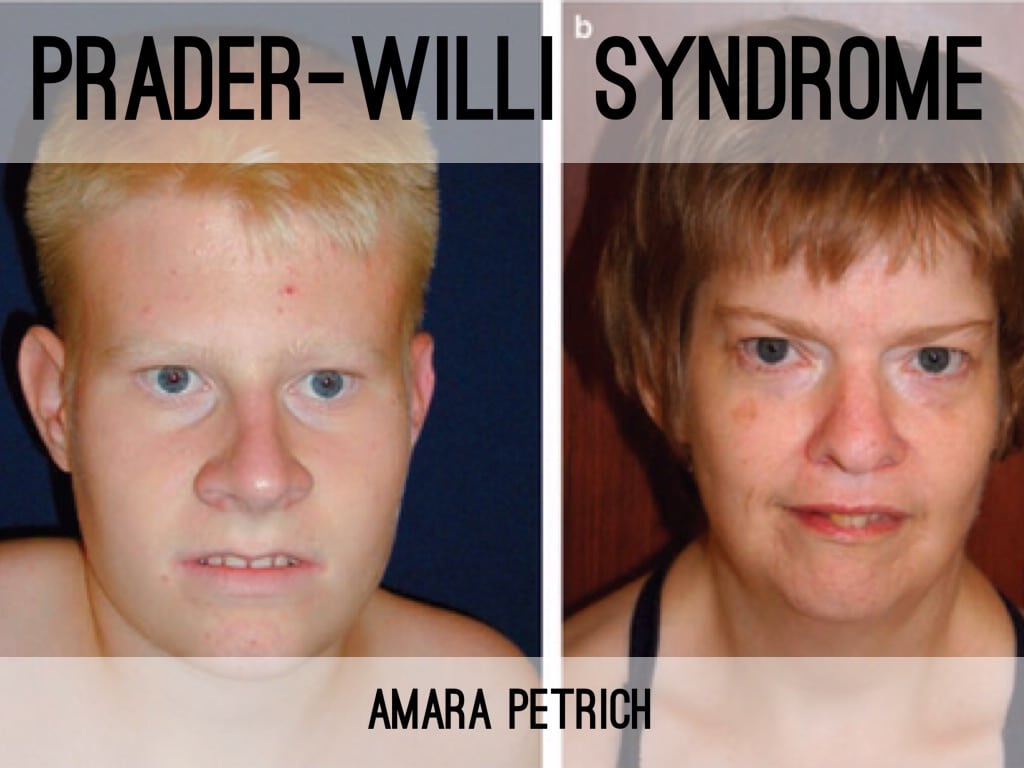
Imagine a disorder that affects how your body grows, how hungry you feel, and how you develop mentally and physically. Prader-Willi Syndrome, or PWS for short, is exactly this kind of condition. It is a rare genetic disorder that affects approximately one in every fifteen thousand to twenty thousand babies born around the world. Prader-Willi Syndrome happens because of a problem with a specific gene on chromosome 15, which is one of the instruction manuals your body uses to develop properly. When this gene doesn’t work the way it should, it causes a chain of problems throughout your body. The disorder affects many different body systems, including how much you eat, how you grow, your muscles, your hormones, and even how your brain develops. People with Prader-Willi Syndrome need special care and support throughout their entire lives, but with proper treatment and management, they can live happy and meaningful lives.
How Does This Genetic Problem Happen?
To understand Prader-Willi Syndrome, we need to learn a little bit about how our genes work and what goes wrong. Your body is made up of billions of cells, and each cell contains DNA, which is like an instruction manual for how your body should work. This DNA is organized into structures called chromosomes, and you have twenty-three pairs of them in each cell. One of these pairs is chromosome 15, which contains many important genes. In people with Prader-Willi Syndrome, there is a problem specifically with a gene or group of genes on the paternal chromosome 15, which is the one you inherit from your father. This gene is normally turned on and sends important instructions to your body about hunger, growth, and development. When this gene is missing or doesn’t work properly, your brain cannot receive the right signals, and this causes all the symptoms of Prader-Willi Syndrome. The condition can happen in different ways: sometimes the paternal chromosome 15 is completely missing, sometimes the genes are there but they are “turned off” when they should be “turned on,” and sometimes there are other genetic changes that cause the same problems.
What Are the Main Symptoms of Prader-Willi Syndrome?
Prader-Willi Syndrome causes many different symptoms that appear at different ages, which makes it a very complex disorder. In newborns and young babies, one of the first signs is severe muscle weakness, called hypotonia, which makes babies seem very floppy and not very active. These babies often have difficulty feeding because their muscles are too weak to suck properly, and they may need feeding tubes to get enough nutrition. As the baby grows into a toddler and young child, a completely different problem develops: the child starts to develop an extreme and constant hunger. Unlike normal hunger that goes away after eating, children with PWS feel hungry all the time, even right after eating a big meal. This extreme hunger, called hyperphagia, makes them want to eat constantly and eat much larger portions than other children. Without careful supervision and management, this can lead to obesity and serious health problems. Other symptoms include short height, delayed development of puberty, intellectual disability or learning problems, behavioral issues including stubbornness and anger outbursts, poor muscle tone and strength, and small hands and feet. Some children with PWS also have sleep problems and breathing difficulties during sleep.
How Do Doctors Diagnose Prader-Willi Syndrome?
Doctors can diagnose Prader-Willi Syndrome through several different tests, and early diagnosis is very important for helping these children. When doctors suspect PWS based on symptoms like severe weakness in a newborn, extreme hunger in an older child, or short height combined with developmental delays, they order special genetic tests. One of the most common tests is called DNA methylation testing, which checks whether the genes on chromosome 15 are turned on or off the way they should be. If this test suggests PWS, doctors will do additional genetic tests called FISH (fluorescence in situ hybridization) or chromosomal microarray to confirm the diagnosis and understand exactly what type of genetic problem the person has. Doctors also look at physical signs like the child’s small hands and feet, facial features, and developmental history. Blood tests can check hormone levels because people with PWS often have hormone imbalances. Growth measurements and developmental assessments are also important parts of the diagnostic process. Getting an accurate diagnosis early helps doctors start treatment and support right away, which makes a huge difference in how well the child develops.
What Are the Health Problems Associated with PWS?
People with Prader-Willi Syndrome face many health challenges throughout their lives that require constant medical attention and care. The extreme hunger and eating behavior can lead to obesity if not carefully managed, and obesity brings many other serious health problems like diabetes, high blood pressure, and heart disease. The weak muscles and low muscle tone make it difficult for people with PWS to exercise and stay active, which makes weight management even harder. Many people with PWS develop sleep apnea, a condition where they stop breathing for short periods during sleep, which can be very dangerous. Growth hormone deficiency is common in PWS, which means people don’t grow to normal heights, and they may need to take growth hormone medicine. Some people develop problems with their bones becoming weak and brittle, called osteoporosis. Mental health issues are also common, including depression, anxiety, and behavioral problems that need counseling and sometimes medication. Hormone imbalances can affect puberty development and cause other endocrine problems. Despite all these challenges, people with PWS can live into adulthood with proper medical care, treatment, and support from their families and healthcare teams.
What Treatments and Management Strategies Help?
There is no cure for Prader-Willi Syndrome, but there are many treatments and strategies that can help people with PWS live better lives. One of the most important treatments is growth hormone therapy, where doctors give patients synthetic growth hormone through injections to help them grow taller and develop better muscle strength. This treatment has been shown to improve growth, muscle development, and metabolism in people with PWS. Managing the extreme hunger is critical and requires a structured approach including strict portion control, supervised meals, locked food storage so the person cannot eat secretly, and a high-protein, lower-calorie diet. Regular physical activity and exercise are essential to help maintain a healthy weight, build muscle strength, and improve overall health and mood. Speech therapy can help with communication problems, occupational therapy helps with daily living skills, and physical therapy helps with movement and strength. Early intervention programs for babies and young children help them reach developmental milestones. Educational support and special education programs in school help children with intellectual disabilities learn and succeed. Behavioral therapy and counseling help address emotional and behavioral challenges. Some people may need medication to help with mood, anxiety, or other mental health issues. Family support and counseling are also very important because taking care of someone with PWS is challenging and families need help too.
Living with Prader-Willi Syndrome
Life with Prader-Willi Syndrome is not easy, but many people with this condition grow up to be happy and productive adults. The key to a good outcome is getting an early diagnosis, starting treatment right away, and having good support from family, doctors, teachers, and other professionals. People with PWS need structure, routine, and clear expectations to help them function well and behave appropriately. Many need supervision and support with daily living tasks throughout their entire lives, though some people with milder cases can become more independent. Transition planning is important as young adults with PWS move into adulthood, including planning for living situations, employment or day programs, and continued medical care. Many adults with PWS are able to work in supported employment settings where they have help and supervision. Social activities and friendships are important for mental health and happiness, even though people with PWS may struggle with social interactions. Respite care, where trained caregivers provide temporary care so parents can have a break, is very helpful for families. Support groups for families and individuals with PWS provide community, understanding, and practical advice from others who are living with the same challenges. With good planning, treatment, and support, people with Prader-Willi Syndrome can live meaningful lives and contribute to their families and communities.
Frequently Asked Questions About Prader-Willi Syndrome
FAQ 1: Is Prader-Willi Syndrome inherited from parents and can it run in families? Prader-Willi Syndrome is a genetic disorder, but it is usually not inherited in the traditional sense where a parent passes it directly to a child through family genes. Instead, PWS happens because of a spontaneous genetic change that occurs in the egg or sperm before conception or during the very early stages of pregnancy. This means that parents of a child with PWS are usually not carriers of the condition and their other children have a very small chance of having PWS as well. However, there is one exception: if the mother carries a chromosomal rearrangement called a balanced translocation, there is a higher chance that her children could have PWS. This is why genetic counseling is important for families who have had a child with PWS, so they can understand their personal risk and make informed decisions about future pregnancies.
FAQ 2: What is the difference between Prader-Willi Syndrome and Angelman Syndrome since they involve the same chromosome? Both Prader-Willi Syndrome and Angelman Syndrome involve problems with chromosome 15, but they are very different conditions because they affect different genes on that chromosome. PWS happens when the paternal gene (from the father) is missing or doesn’t work, while Angelman Syndrome happens when the maternal gene (from the mother) is missing or doesn’t work. People with PWS have low muscle tone, extreme hunger, intellectual disability, and a serious appearance, while people with Angelman Syndrome have very happy personalities, lots of laughing and smiling, different movement problems, and severe intellectual disability with little or no speech. Both conditions are rare, but it is interesting to scientists because it shows how important it is which parent gives us which genes. This is called genomic imprinting, and it means that some genes work only if they come from your mother and others work only if they come from your father.
FAQ 3: Can people with Prader-Willi Syndrome live independently as adults? Some people with Prader-Willi Syndrome can become more independent as adults, but most will need some level of support and supervision throughout their lives. The amount of independence depends on how severe the intellectual disability is, how well the person’s weight and health are managed, and how much family and community support is available. Most adults with PWS need help with shopping, cooking, and managing money because of their extreme hunger and the risk of secretly eating large amounts of food. Many can work in supported employment settings where they have job coaching and ongoing support from a job coach. Some people can live in group homes or supported living arrangements with staff help, while others live with family members. A few people with milder cases of PWS may be able to live more independently with some support. The important thing is that people with PWS benefit from structure, clear rules, and consistent support, and when they receive this, they can enjoy adult lives and contribute meaningfully to society.
FAQ 4: How serious is Prader-Willi Syndrome and what is the life expectancy for people with this condition? Prader-Willi Syndrome is a serious and lifelong condition that requires ongoing medical care and support, but people with PWS can live into adulthood. The average life expectancy has increased significantly in recent years due to better understanding of the condition and better medical care. Most people with PWS now live into their fifties, sixties, and beyond, though some do not live as long if they develop serious complications like severe obesity-related problems, sleep apnea that is not treated, or other health issues. The biggest health risks for people with PWS include sudden death during sleep (which is rare but serious), serious infections, problems from being overweight, breathing problems during sleep, and heart problems. With good medical care, careful management of eating and weight, regular doctor visits, treatment of sleep problems, and a healthy lifestyle, people with PWS can live longer and healthier lives. The outlook continues to improve as doctors learn more about how to treat this condition better.
FAQ 5: Are there any new treatments or research being done on Prader-Willi Syndrome? Yes, there is ongoing research into new treatments for Prader-Willi Syndrome, and scientists are exploring several promising directions. Gene therapy is being studied to see if it might eventually be possible to correct the genetic problem that causes PWS by replacing the faulty gene with a working copy. Researchers are also looking for medicines that might help control the extreme hunger and help the brain work better in people with PWS. Growth hormone therapy continues to improve, and doctors are learning more about how to use it most effectively and safely. Scientists are studying how the condition affects the brain and body so they can develop better treatments for specific problems like sleep apnea, behavioral issues, and hormone imbalances. Clinical trials are testing new approaches to managing eating behavior and weight in people with PWS. As research continues and new discoveries are made, treatment options for people with PWS will likely improve, which will help them live even healthier and happier lives. Families dealing with PWS can stay informed about new research by talking to their doctors and contacting Prader-Willi Syndrome support organizations.
References and Further Reading
For more information about Prader-Willi Syndrome, you can visit several trusted and authoritative sources that provide detailed information for patients and families. The World Health Organization at WHO.int provides comprehensive information about genetic disorders and rare diseases that affect people worldwide, including background on how genetic conditions like PWS develop and impact families. The Prader-Willi Syndrome Association at PWSA.org offers excellent patient education, family resources, support groups, and practical advice for people living with this condition. MedlinePlus, a service of the National Library of Medicine at MedlinePlus.gov, has detailed medical information about Prader-Willi Syndrome written in language that patients and families can easily understand. The National Institutes of Health at NIH.gov provides scientific information about PWS research and clinical trials that are currently investigating new treatments. The Genetic and Rare Diseases Information Center at GARD.NIH.gov provides reliable information about Prader-Willi Syndrome and connects families to support resources and specialists. The five main reference links are: 1) WHO.int – Genetic Disorders, 2) Prader-Willi Syndrome Association, 3) MedlinePlus – Prader-Willi Syndrome, 4) National Institutes of Health, and 5) Genetic and Rare Diseases Information Center.
Disclaimer
This article adapts publicly available information from WHO’s Prader-Willi Syndrome resources and genetic disorder information. This content is for informational and educational purposes only and does not constitute medical advice. ObserverVoice.com is a news and information platform — not a healthcare provider. If you or someone you know has been diagnosed with Prader-Willi Syndrome or shows signs of this condition, please consult with qualified healthcare professionals and genetic specialists for proper diagnosis, treatment planning, and ongoing medical care. For more information, visit WHO.int and ObserverVoice.com.
Observer Voice is the one stop site for National, International news, Sports, Editor’s Choice, Art/culture contents, Quotes and much more. We also cover historical contents. Historical contents includes World History, Indian History, and what happened today. The website also covers Entertainment across the India and World.

