

Oracle’s AI Debt Strains Wall Street’s Limits

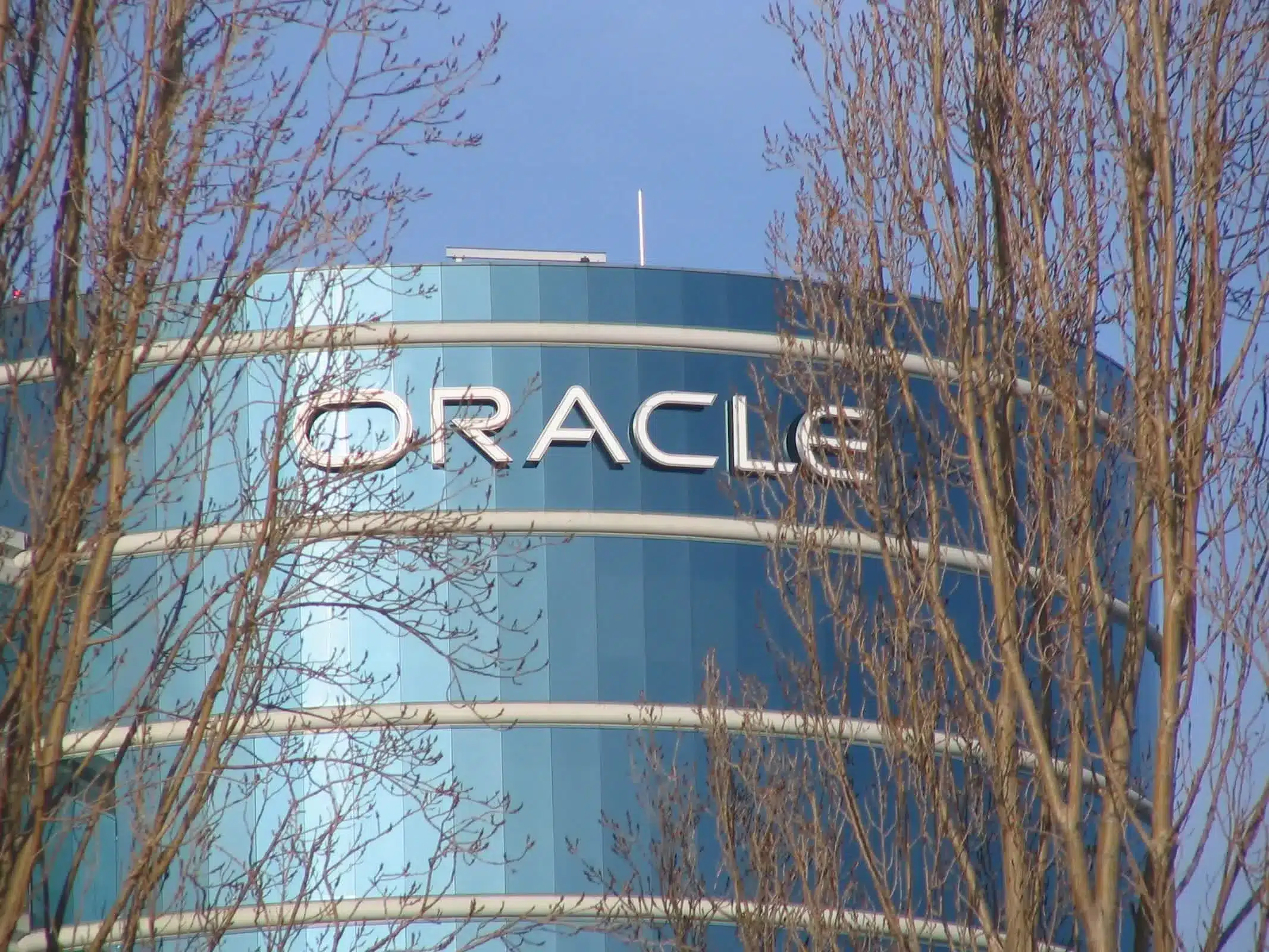
Oracle’s ambitious $300 billion partnership with OpenAI is pushing the boundaries of Wall Street’s willingness to finance the booming data-center industry in the United States. As banks grapple with the immense debt tied to this megadeal, concerns are growing about the future of financing for data centers. The challenges faced by Oracle and its lenders could have significant implications for the rapidly expanding AI sector, which relies heavily on robust data infrastructure.
Challenges in Financing Oracle’s Data Centers
Banks, including JPMorgan Chase, have faced difficulties in distributing the risk associated with billions of dollars in loans designated for data centers leased to Oracle in Texas and Wisconsin. Financial institutions typically have limits on how much exposure they can take on with a single counterparty, and the sheer scale of Oracle’s debt packages has strained these boundaries. Consequently, many lenders have found their balance sheets congested, which has hindered financing opportunities for future projects linked to Oracle and OpenAI. For instance, lenders were hesitant to finance the expansion of a data center complex in Abilene, Texas, if Oracle was the tenant, leading the developer, Crusoe, to lease the site to Microsoft instead.
This situation underscores a broader risk within the multitrillion-dollar data center boom. Limited access to capital, combined with challenges such as a strained electric grid and increasing public opposition, could slow down the construction and completion of essential data centers. As demand for computing power surges, particularly from AI companies, any delays in data center development could hinder their ability to meet user needs.
Oracle’s Future Funding Needs
Despite the challenges, Oracle has indicated that it plans to secure the necessary funding for its projects. The company announced it would raise approximately $50 billion through stock and bond issuances to cover its financial requirements for 2026. An Oracle spokesperson expressed confidence in the progress made in financing and developing data centers, stating that construction is proceeding as planned. However, analysts from Morgan Stanley have highlighted that Oracle will require an additional $100 billion or more for 2027 and the first half of 2028, raising concerns about the company’s ability to navigate the fixed-income markets.
The stakes are high for both Oracle and OpenAI, as the latter relies on Oracle to provide the necessary infrastructure to support the growth of ChatGPT ahead of a potential public listing. The tech sector’s demand for debt financing is critical, with projections suggesting that big tech companies will need to secure external funding to cover a significant portion of their anticipated $3 trillion AI-related expenditures through 2028.
Wall Street’s Response to Oracle’s Financial Position
While Wall Street has largely supported the AI ambitions of financially stable tech giants like Google, Microsoft, and Meta, Oracle finds itself in a more precarious financial situation. The company has a lower investment-grade credit rating, higher levels of debt, and is currently experiencing cash flow challenges. Additionally, much of Oracle’s future revenue is tied to a startup that is facing increasing competition. The cost of insuring Oracle’s bonds against default has surged, causing lenders to be cautious about committing substantial funds to Oracle-related projects, particularly as the company’s stock has dropped over 30% in the past six months.
Most of the borrowing associated with the OpenAI contract has been tied to projects involving data center developers collaborating with Oracle. These loans, structured as short-term construction loans, were intended to be shared among various banks and institutions. Although Oracle is the primary tenant, the debt does not appear on its balance sheet. Notably, the loans for the original OpenAI site in Abilene amounted to approximately $10 billion, while Vantage Data Centers and Stack Infrastructure have raised significant funds for their respective projects in Texas and Wisconsin.
Market Dynamics and Future Prospects
To mitigate risk, banks and institutional investors typically impose limits on their exposure to individual counterparties. These concentration limits have posed challenges for banks attempting to syndicate loans for Oracle-related projects. The process has been lengthy, with Vantage Data Centers reporting that loans for its Texas and Wisconsin projects were primarily syndicated in late 2025 and are expected to close soon. Some major banks opted out of financing a Michigan data center for Oracle, leading the developer, Related Digital, to partner with Bank of America, which had less exposure to Oracle.
In response to the challenges in the construction-loan market, Related Digital decided to issue bonds for the Michigan project, with money manager Pimco set to acquire a substantial portion of the deal. As the landscape for data center financing continues to evolve, the ability of Oracle and its partners to secure necessary funding will be crucial for the future of AI infrastructure and the broader tech industry.
Observer Voice is the one stop site for National, International news, Sports, Editor’s Choice, Art/culture contents, Quotes and much more. We also cover historical contents. Historical contents includes World History, Indian History, and what happened today. The website also covers Entertainment across the India and World.
Follow Us on Twitter, Instagram, Facebook, & LinkedIn

