

Non-Hodgkin Lymphoma: The Many Faces of This Diverse Cancer Group

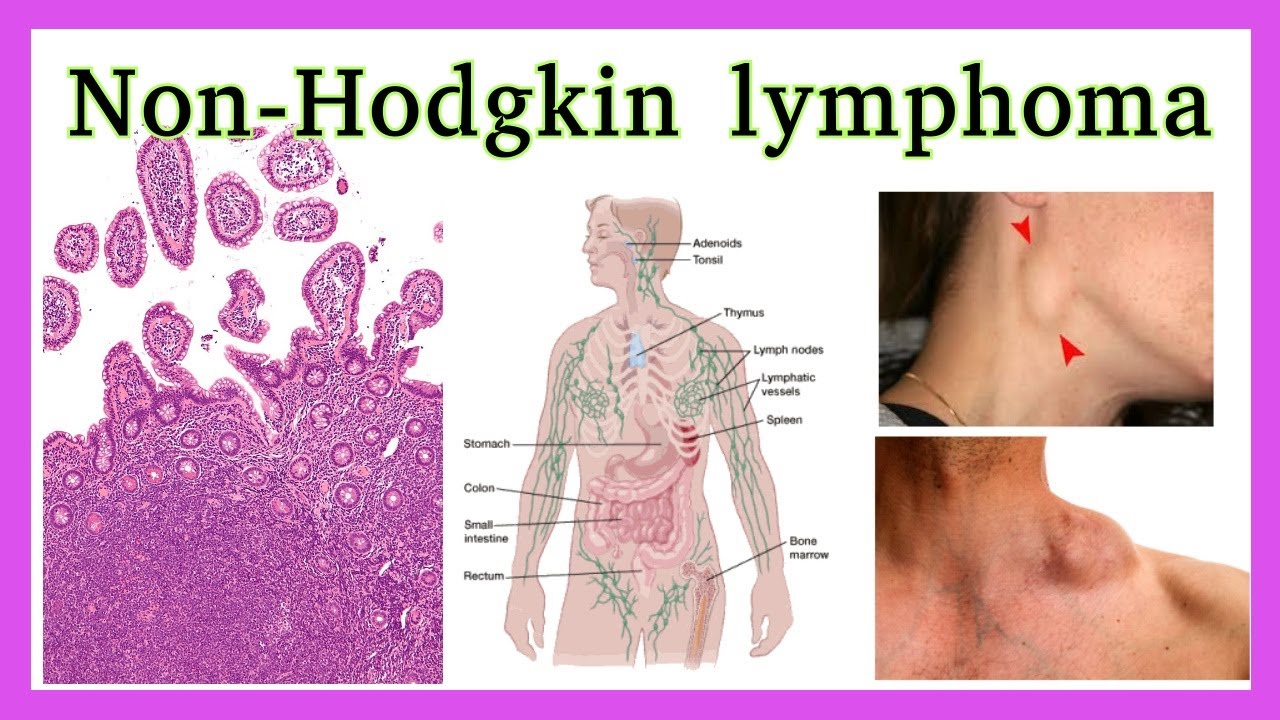
When 58-year-old Maria received her non-Hodgkin lymphoma diagnosis, her oncologist immediately clarified: “NHL isn’t one disease—it’s actually more than 60 different cancers that behave very differently. We need more tests to determine exactly which type you have, because treatment and prognosis vary dramatically.” This conversation happens thousands of times yearly as patients learn that their “lymphoma” diagnosis represents just the beginning of understanding their specific cancer. Non-Hodgkin lymphoma (NHL) is a broad category of cancers that affect the lymphatic system. Unlike Hodgkin lymphoma, NHL isn’t just one disease—it’s a collection of over 100 different subtypes. Two of the most common types include diffuse large B-cell lymphoma and follicular lymphoma. There are more than 60 different subtypes of NHL, ranging from slow-growing (indolent) to fast-growing (aggressive) forms. The most common types include diffuse large B-cell lymphoma, follicular lymphoma, and mantle cell lymphoma. Understanding which specific NHL subtype affects you determines everything about your treatment journey and outlook.
The Fundamental Split: Indolent Versus Aggressive
NHL divides into two broad categories based on growth speed. Indolent (slow-growing) lymphomas progress gradually over months to years, often requiring no immediate treatment. People with indolent lymphomas generally have a better outlook. Follicular lymphoma is the most common type of non-Hodgkin lymphoma. This type of lymphoma tends to grow slowly and can often be managed for many years with treatment—and, in some cases, without it. Patients may live 10-20 years with indolent disease, experiencing multiple remissions and relapses managed with intermittent treatment. The paradox: while indolent lymphomas are incurable with standard approaches, they’re highly manageable chronic conditions. Aggressive (fast-growing) lymphomas, conversely, progress rapidly over weeks to months and require immediate intensive treatment. The most common type of aggressive non-Hodgkin’s lymphoma is diffuse large B-cell lymphoma. However, aggressive types may actually be more curable with intensive treatment, despite their faster growth pattern. High-grade lymphomas generally need more intensive treatment than the low grade types. But they often respond well to treatment. Many people are cured. This creates a second paradox: the “worse” aggressive lymphomas are more likely curable than “better” indolent ones.
The Major Players: Common NHL Subtypes
Diffuse Large B-Cell Lymphoma (DLBCL) represents 30-40% of all NHL cases, making it the most common subtype. DLBCL is a type of high grade non-Hodgkin lymphoma. DLBCL grows quickly and your treatment starts soon after diagnosis. While the word “aggressive” might sound alarming, it also means that DLBCL usually responds quickly to treatment, giving many patients a good chance of remission. The overall 5-year relative survival rate of DLBCL is 65%. Five-year survival rates were higher for MALT lymphoma (90.8%) and follicular lymphoma (87.6%) versus DLBCL (69.0%) and mantle cell lymphoma (57.1%). DLBCL affects lymph nodes but can involve any body site. Recent molecular testing divides DLBCL into subtypes: germinal center B-cell (GCB) subtype tends to have better outcomes and responds well to standard treatments like R-CHOP (a common chemotherapy regimen). Activated B-cell (ABC) subtype is harder to treat and may require more advanced therapies like targeted drugs. Standard R-CHOP chemotherapy (rituximab, cyclophosphamide, doxorubicin, vincristine, prednisone) cures 60-70% of patients. Advanced-stage disease still achieves 50-60% cure rates—remarkable for any cancer.
Follicular Lymphoma accounts for 20-25% of NHL cases. It is usually slow growing and called a low grade lymphoma. Follicular lymphoma usually grows slowly, and many people live a long time with follicular lymphoma. Across all stages, the five-year relative survival rate is 89 percent. The disease typically presents with painless lymph node swelling in multiple body regions. Many patients are asymptomatic at diagnosis, discovered incidentally during imaging for unrelated reasons. Treatment approach: watch-and-wait (active surveillance) for asymptomatic patients until disease becomes symptomatic or progresses. When treatment needed, rituximab plus chemotherapy induces remissions lasting months to years. The challenge: follicular lymphoma relapses repeatedly, requiring intermittent retreatment throughout patients’ lives. In about 25 percent to 60 percent of people with follicular lymphoma, the slow-growing lymphoma can turn into a faster-growing type of lymphoma, such as diffuse large B-cell lymphoma. Transformation can make the disease harder to treat and often requires more aggressive therapies.
Mantle Cell Lymphoma comprises 5-7% of NHL. It is a rare type of B cell non-Hodgkin lymphoma. It often grows quickly. Mantle cell lymphoma behaves more aggressively than other indolent lymphomas but less aggressively than DLBCL. Five-year survival rates show mantle cell lymphoma at 57.1%. Median survival historically was 3-5 years, but newer targeted therapies (BTK inhibitors like ibrutinib, acalabrutinib) dramatically improved outcomes. Mantle cell typically requires immediate treatment at diagnosis rather than watch-and-wait. Intensive chemotherapy followed by stem cell transplantation in younger patients extends remissions. The disease remains challenging but increasingly manageable.
Marginal Zone Lymphoma includes three distinct subtypes based on location: MALT (mucosa-associated lymphoid tissue) lymphoma affecting stomach, lungs, or other organs; nodal marginal zone lymphoma affecting lymph nodes; and splenic marginal zone lymphoma. MALT lymphoma in stomach often associates with H. pylori bacterial infection—treating the infection with antibiotics can cure early-stage disease without chemotherapy. This low grade non-Hodgkin lymphoma starts in the mucosa which lines some body organs and cavities. It is a type of marginal zone lymphoma. Five-year survival exceeds 85-90% for most marginal zone lymphomas. These grow very slowly and often remain localized for years.
Burkitt Lymphoma represents rare but highly aggressive NHL. Burkitt lymphoma is a type of fast growing (high grade) non-Hodgkin lymphoma. Treatment can be very intensive and last several months. The disease doubles tumor burden every 24-48 hours—among fastest-growing human cancers. Despite extreme aggressiveness, intensive chemotherapy cures 70-90% of patients, especially younger individuals. Treatment requires hospitalization for weeks with complex multi-drug regimens, aggressive supportive care, and tumor lysis syndrome prevention. Burkitt lymphoma tolerates no delays—treatment must begin within days of diagnosis.
How Doctors Predict Outcomes
The International Prognostic Index (IPI) helps predict outcomes. It assigns points for poor prognostic factors: age over 60; elevated LDH (lactate dehydrogenase); poor performance status; advanced stage (III-IV); and involvement of more than one extranodal site. People without any poor prognostic factors would have a score of 0, while those with all poor prognostic factors would have a score of 5. Scores 0-1 indicate low risk (>80% five-year survival); scores 2 indicate low-intermediate risk (70% five-year survival); scores 3 indicate high-intermediate risk (50% five-year survival); and scores 4-5 indicate high risk (35% five-year survival). For follicular lymphoma, doctors have developed the Follicular Lymphoma International Prognostic Index specifically for this type of lymphoma. It uses slightly different prognostic factors than the IPI.
Treatment Philosophy: One Size Doesn’t Fit All
NHL treatment varies dramatically by subtype. Aggressive lymphomas require immediate intensive multi-drug chemotherapy, often with rituximab (monoclonal antibody targeting B-cells). Most patients with NHL received first-line chemoimmunotherapy, most commonly cyclophosphamide, doxorubicin, vincristine, and prednisone (CHOP) with/without rituximab. R-CHOP remains standard for DLBCL. Treatment lasts 4-6 months, with scans midway assessing response. Complete remission after first-line treatment predicts excellent long-term outcomes. Relapsed aggressive NHL requires salvage chemotherapy followed by stem cell transplantation for eligible patients. Indolent lymphomas use different approach: watch-and-wait for asymptomatic disease; single-agent rituximab or gentle chemotherapy when symptoms develop; maintenance rituximab prolonging remissions; and sequential treatments over years as disease relapses and re-responds. CAR-T cell therapy—genetically engineering patient’s T-cells to attack lymphoma—revolutionized relapsed aggressive lymphoma treatment, producing durable remissions in previously incurable patients.
Living With NHL: Prognosis And Quality Of Life
In recent years, scientists have learned that not all lymphoma is the same. Gene mutations and molecular subtypes can affect how the disease behaves and responds to treatment. Genetic testing can help doctors identify these subtypes and personalize treatment plans for better results. Many NHL patients achieve years to decades of good-quality life. Aggressive lymphomas cured by first-line treatment allow return to normal life with surveillance only. Indolent lymphomas require ongoing monitoring and intermittent treatment but permit work, travel, and normal activities between treatments. Subtype of NHL matters: Indolent or slow-growing lymphomas, such as follicular lymphoma, often have better long-term survival rates than aggressive types, like diffuse large B-cell lymphoma. However, aggressive types may be more curable with intensive treatment. The key: understanding your specific NHL subtype, its behavior, and appropriate management strategy rather than viewing all “lymphoma” as identical.
Frequently Asked Questions
Q1: I was just diagnosed with NHL but don’t know which type yet. What should I expect?
Your oncologist needs complete evaluation before treatment planning. This includes lymph node biopsy examined by expert hematopathologists, immunophenotyping (testing surface proteins), genetic analysis, and staging scans (PET/CT). The process takes 1-2 weeks. If your lymphoma is aggressive, this timeline is acceptable—days matter less than weeks. If indolent, no rush exists. Ask your oncologist which category yours falls into based on initial pathology. Once subtype confirmed, treatment approach becomes clear. Some NHLs need immediate chemotherapy; others require watch-and-wait.
Q2: My doctor says my indolent lymphoma needs no treatment. Shouldn’t we attack it now?
Watch-and-wait for asymptomatic indolent lymphoma is evidence-based standard care—not neglect. Studies prove treating asymptomatic follicular lymphoma doesn’t extend survival compared to waiting until symptoms develop. You’ll achieve the same long-term outcome either way. Early treatment exposes you to chemotherapy side effects months to years before necessary. Your cancer will eventually require treatment, but starting clock now versus later doesn’t change ultimate duration you’ll live. Many patients remain asymptomatic 5-10 years before needing treatment. Surveillance every 3-6 months monitors for progression requiring intervention.
Q3: I have aggressive DLBCL. Does “aggressive” mean I’ll die soon?
Counterintuitively, aggressive lymphomas are more curable than indolent ones. “Aggressive” means fast-growing, requiring immediate treatment—but also chemotherapy-sensitive. R-CHOP chemotherapy cures 60-70% of DLBCL patients permanently. Even if you relapse, salvage chemotherapy plus stem cell transplant cures additional 30-50%. New therapies (CAR-T cells, bispecific antibodies) rescue many transplant-ineligible patients. Your oncologist’s urgency reflects need for prompt treatment, not hopeless prognosis. Many DLBCL patients are cured and never deal with lymphoma again.
Q4: Will I need chemotherapy for the rest of my life?
Depends on subtype. Aggressive NHL: if cured by first-line treatment, you’re done—surveillance only afterward. Indolent NHL: you’ll need intermittent treatment as disease relapses over years, but not continuous chemotherapy. Treatments last months, followed by treatment-free intervals (months to years) until next relapse. Some newer maintenance strategies use single-agent rituximab every 2-3 months prolonging remissions. Very few NHL patients require truly continuous lifelong chemotherapy.
Q5: Can NHL spread to my brain or other organs?
NHL already involves multiple body sites at diagnosis in most cases—it’s systemic disease from the start, not localized tumor spreading elsewhere. “Advanced stage” doesn’t mean “spread” in traditional sense—it describes multiple lymph node regions involved simultaneously. Some aggressive NHLs (Burkitt, lymphoblastic) have high CNS involvement risk, requiring preventive intrathecal chemotherapy (injected into spinal fluid). Brain involvement is uncommon but serious, requiring intensive treatment. Organ involvement (stomach, bone marrow, liver) is common and doesn’t automatically worsen prognosis if lymphoma remains chemotherapy-sensitive.
Disclaimer
This article adapts publicly available information from reputable hematology research organizations and cancer databases. This content is for informational and educational purposes only and does not constitute medical advice. ObserverVoice.com is a news and information platform — not a healthcare provider. Decisions about non-Hodgkin lymphoma diagnosis and treatment should be made in consultation with qualified hematologists and oncologists who can evaluate your individual disease subtype, stage, and overall health. If you have been diagnosed with NHL, please consult with your healthcare team promptly to discuss appropriate treatment options.
References
- American Cancer Society. Lymphoma Survival Rates and Prognosis. https://www.cancer.org/cancer/types/non-hodgkin-lymphoma/detection-diagnosis-staging/factors-prognosis.html
- MyLymphomaTeam. B-Cell Lymphoma Survival Rates and Prognosis. https://www.mylymphomateam.com/resources/b-cell-lymphoma-prognosis-fear-hope-and-understanding-survival-rates
- Cancer Research UK. Survival for non-Hodgkin lymphoma. https://www.cancerresearchuk.org/about-cancer/non-hodgkin-lymphoma/survival
- MD Anderson. Non-Hodgkin Lymphoma. https://www.mdanderson.org/cancer-types/non-hodgkin-lymphoma.html
- JCO Global Oncology. Clinical Outcomes of Patients With B-Cell Non-Hodgkin Lymphoma. https://ascopubs.org/doi/10.1200/GO.21.00265
Observer Voice is the one stop site for National, International news, Sports, Editor’s Choice, Art/culture contents, Quotes and much more. We also cover historical contents. Historical contents includes World History, Indian History, and what happened today. The website also covers Entertainment across the India and World.

