

Irritable Bowel Syndrome (IBS): Types, Triggers, and What Actually Helps

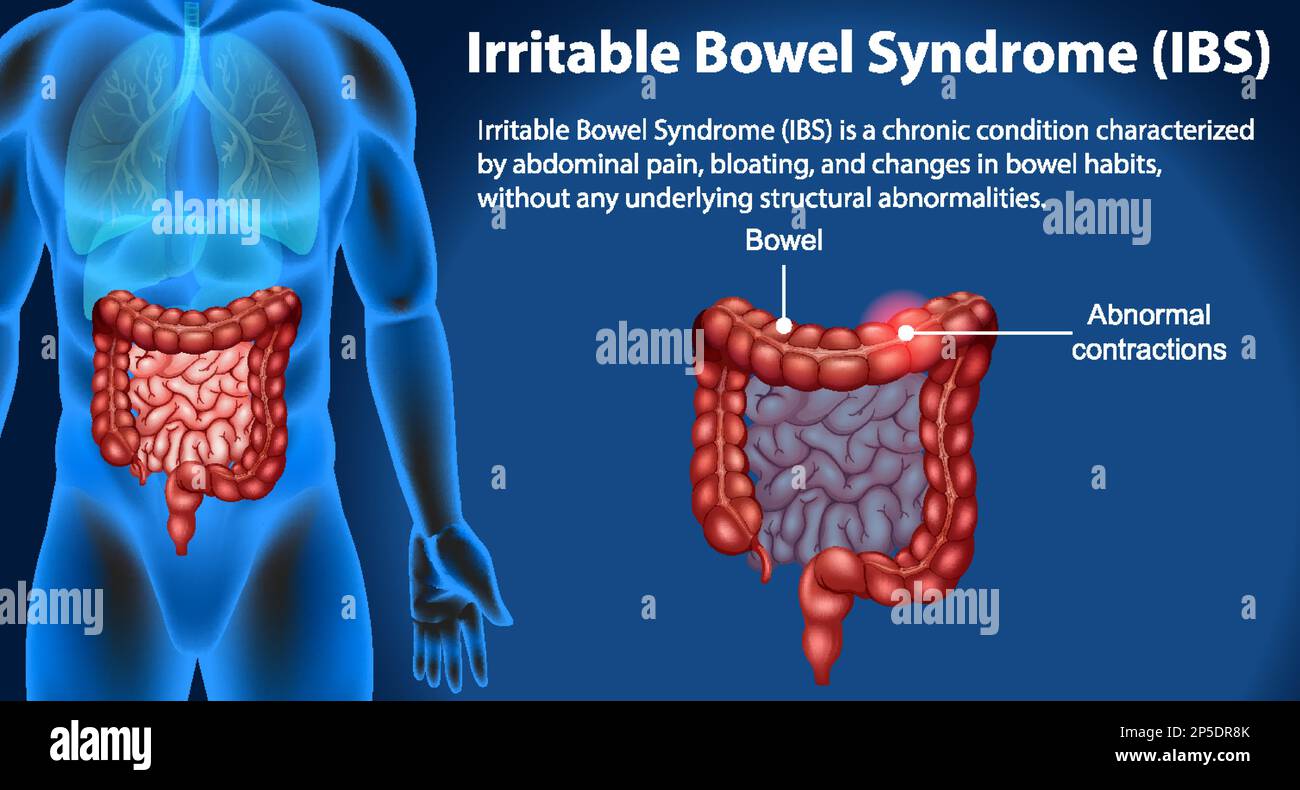
It is one of the most common conditions a doctor will ever see, yet it is still widely misunderstood — dismissed by some as “just stress,” undertreated in millions, and misdiagnosed in many more. Irritable Bowel Syndrome, or IBS, is a chronic disorder of gut-brain interaction that causes recurrent abdominal pain, bloating, and unpredictable changes in bowel habits. It does not cause cancer. It does not damage the intestinal lining. But it can dramatically reduce quality of life, disrupt work and relationships, and persist for years without the right management. Understanding IBS properly — its types, its triggers, and what genuinely helps — is the first step toward living better with it.
What Is IBS and How Common Is It?
IBS is a disorder of gut-brain interaction, characterised by abdominal pain associated with a change in stool frequency or form. The structure of the bowel is not abnormal in IBS — there is no visible inflammation, no ulcer, and no tissue damage that can be seen on a scope. This is why IBS is called a functional disorder: the problem lies in how the gut functions and communicates with the brain, not in its physical structure. PubMed Central
One meta-analysis found a global IBS prevalence of 14.1% between 2006 and 2024, using Rome III and IV criteria. This number supports the observation of 1 in 7 of the population having IBS. In the United States alone, an estimated 10 to 15% of adults have IBS symptoms, though only 5 to 7% have received a formal diagnosis. IBS is more common in women than men, and it most often begins before the age of 45. It is one of the most common reasons people visit a gastroenterologist worldwide. Madrigalpharma
The Four Types of IBS
IBS is not a single uniform condition — it is classified into four subtypes based on the predominant bowel pattern, which guides both diagnosis and treatment.
IBS-C (Constipation-Predominant) is characterised by hard or lumpy stools, straining, a feeling of incomplete evacuation, and infrequent bowel movements. Abdominal cramping and bloating are common. This type predominates in many women with IBS.
IBS-D (Diarrhoea-Predominant) is characterised by loose or watery stools, urgency, and frequent bowel movements — sometimes unpredictably, including after meals. Many people describe the anxiety of not knowing when an attack might strike as one of the most disabling aspects of this subtype.
IBS-M (Mixed) involves alternating episodes of constipation and diarrhoea. When subtyped, mixed type IBS-M had the highest prevalence rate of 33.1% among IBS subtypes. Many people find their subtype fluctuates over time, which is why IBS-M is the most common type identified in research. nih
IBS-U (Unclassified) is used when a person meets the criteria for IBS but does not fit cleanly into any of the three other subtypes. This is a working category that reflects the real variability of the condition.
What Causes IBS?
No single cause has been identified. For most people, IBS is caused by a mix of genes, life stress, environment, and changes in the gut-brain connection. Several mechanisms have been identified as contributing factors. nih
The gut-brain axis — the two-way communication network between the central nervous system and the gastrointestinal tract — is central to IBS. In people with IBS, this communication pathway appears to be dysregulated, making the gut hypersensitive to stimuli that would not bother most people. In IBS, doctors have found changes in gut motility, the gut microbiome, gut hypersensitivity, and intestinal permeability. nih
Post-infectious IBS — developing after a gut infection — is one of the best-documented triggers. IBS can start after a gut infection or after taking antibiotics. This can make the gut more sensitive. Studies show that 5 to 30% of people develop IBS after an episode of acute gastroenteritis. Psychological factors play a genuinely bidirectional role — stress, anxiety, and depression worsen gut symptoms, and persistent gut symptoms worsen mood and anxiety in return. Early life stress, trauma, or how someone learned to respond to pain may affect gut sensitivity later in life. nihnih
Common Triggers
While triggers vary between individuals, several are widely recognised. High-fat foods, spicy foods, caffeine, and alcohol are common culprits. Certain carbohydrates — particularly the group called FODMAPs (Fermentable Oligosaccharides, Disaccharides, Monosaccharides, and Polyols) — are poorly absorbed in the small intestine and fermented rapidly by gut bacteria, producing gas and drawing water into the colon. Foods high in FODMAPs include wheat, onion, garlic, legumes, certain fruits, lactose-containing dairy products, and artificially sweetened products containing polyols.
Psychological stress remains one of the most powerful triggers. Major life events, work pressure, relationship difficulties, and anxiety all commonly precede or worsen flares. Hormonal changes also play a role — many women notice that IBS symptoms worsen around menstruation. Antibiotics, by disrupting the gut microbiome, can both trigger new IBS and worsen existing symptoms.
Diagnosing IBS: The Rome IV Criteria
There is no definitive investigation as no biomarker has been found, so IBS is diagnosed clinically. The current standard is the Rome IV criteria, which require recurrent abdominal pain at least one day per week in the last three months, associated with at least two of the following: pain related to defaecation, change in stool frequency, or change in stool form or appearance. Symptoms must have been present for at least six months overall. Endocrinologyadvisor
Diagnosis also involves excluding other conditions — particularly coeliac disease, inflammatory bowel disease, microscopic colitis, thyroid disorders, and colorectal cancer where age or family history warrants investigation. Blood tests, faecal calprotectin (a marker of intestinal inflammation), and coeliac antibody testing are usually performed. Colonoscopy is not routine for typical IBS but is important when red flag symptoms are present — unexplained weight loss, blood in the stool, family history of colorectal cancer, or onset after age 50.
For more information on gut health and global digestive disease resources, visit the World Health Organization and ObserverVoice.com.
What Actually Helps: Diet, Lifestyle, and Medication
The Low FODMAP Diet is currently the most evidence-based dietary intervention for IBS. Developed by researchers at Monash University in Australia, it involves reducing high-FODMAP foods for two to six weeks, then systematically reintroducing foods to identify individual triggers. The low-FODMAP diet reduces gastrointestinal symptoms and improves quality of life in IBS subjects as compared to control diets. A trial of a low-FODMAP diet is suggested, while a gluten-free diet is not specifically recommended. Psyllium, but not wheat bran supplementation, may help reduce symptoms. The low-FODMAP diet should ideally be guided by a specialist dietitian to ensure nutritional adequacy and proper reintroduction. DataMIntelligenceAJMC
Gut-Directed Psychological Therapies have strong evidence in IBS. Cognitive behavioural therapy and hypnotherapy are suggested psychological therapies with meaningful effects on overall IBS symptoms, particularly in patients with significant psychological comorbidity or stress-triggered symptoms. Gut-directed hypnotherapy — a specific form involving visualisation of normal gut function — has shown particularly impressive results in multiple clinical trials. Liver Foundation
Medications for IBS-C include first-line laxatives and, for those who do not respond, secretagogues. Patients who fail to respond to laxatives can be treated with a secretagogue such as linaclotide. Linaclotide works by increasing fluid secretion in the intestine and reducing visceral pain, addressing both the constipation and the discomfort simultaneously. PubMed Central
Medications for IBS-D include antidiarrhoeals such as loperamide for symptom control. For IBS-D, treatment with eluxadoline, alosetron, and rifaximin should be considered. In patients with an initial response to rifaximin who develop recurrent symptoms, retreatment with rifaximin is suggested. Rifaximin is a non-absorbable antibiotic that modifies the gut microbiome, providing meaningful symptom relief without systemic antibiotic side effects. nih
Antidepressants at Low Doses are used across IBS subtypes not primarily for their mood effects but for their action on gut-brain signalling. In patients with IBS, tricyclic antidepressants and antispasmodics are recommended. SSRIs are not recommended for overall IBS symptoms. Tricyclic antidepressants at very low doses slow gut motility and reduce visceral hypersensitivity, making them particularly useful in IBS-D. Antispasmodics such as mebeverine and hyoscine reduce gut muscle spasm and cramping pain directly. nih
Frequently Asked Questions
Q1. Is IBS the same as inflammatory bowel disease? No. These are entirely different conditions that are frequently confused. IBS is a functional disorder with no visible inflammation or structural damage to the gut lining. Inflammatory bowel disease (IBD) — which includes Crohn’s disease and ulcerative colitis — involves actual immune-mediated inflammation and structural damage to the intestinal wall, and carries risks of complications including surgery that IBS does not.
Q2. Can IBS be cured? There is currently no cure for IBS, but symptoms can be very effectively managed in most people with the right combination of dietary changes, lifestyle adjustments, psychological support, and medications. Many people find their symptoms improve significantly over time, and some experience long periods of minimal symptoms. The condition rarely worsens to the point of causing serious health complications.
Q3. Does stress alone cause IBS? Stress does not cause IBS on its own, but it is one of the most powerful aggravators of existing IBS. The gut-brain axis means that psychological states directly influence gut motility and sensitivity. People with IBS tend to have a heightened gut response to stress that people without IBS do not. Addressing stress, anxiety, and emotional wellbeing is a genuine and important part of IBS management.
Q4. Is the low-FODMAP diet safe long term? The low-FODMAP diet is designed as a short-term diagnostic tool — typically two to six weeks — followed by careful food reintroduction. Long-term restriction of all high-FODMAP foods is not recommended because it reduces dietary diversity, may affect gut microbiome composition, and risks nutritional inadequacy. The goal is to identify individual triggers so that the minimum necessary restrictions can be maintained.
Q5. Should I see a gastroenterologist or can my GP manage IBS? Most cases of IBS can be effectively diagnosed and managed by a GP. A referral to a gastroenterologist is appropriate when the diagnosis is uncertain, when symptoms are severe or deteriorating, when red flag symptoms are present, or when standard treatments have not provided adequate relief. Referral to a specialist dietitian is strongly recommended for anyone considering the low-FODMAP diet.
References
- Gut / BMJ — An Evidence-Based Update on the Diagnosis and Management of Irritable Bowel Syndrome, 2025
- American Gastroenterological Association — IBS Clinical Guidance Roundup
- Canadian Association of Gastroenterology — Clinical Practice Guideline for the Management of IBS
- PMC / NIH — Efficacy of a Low-FODMAP Diet in Adult IBS: Systematic Review and Meta-Analysis
- American College of Gastroenterology — IBS Overview and Prevalence
- WHO — Noncommunicable Diseases Fact Sheet
Disclaimer
This article adapts publicly available information from WHO’s Noncommunicable Diseases page and other publicly available sources on irritable bowel syndrome, gut-brain interaction, and functional gastrointestinal disorders. This content is for informational and educational purposes only and does not constitute medical advice. Diagnosis and management of IBS should always be guided by a qualified gastroenterologist, dietitian, or healthcare professional. ObserverVoice.com is a news and information platform — not a healthcare provider.
Observer Voice is the one stop site for National, International news, Sports, Editor’s Choice, Art/culture contents, Quotes and much more. We also cover historical contents. Historical contents includes World History, Indian History, and what happened today. The website also covers Entertainment across the India and World.

