

Indian Researchers Forecast Potential Human Transmission of Bird Flu

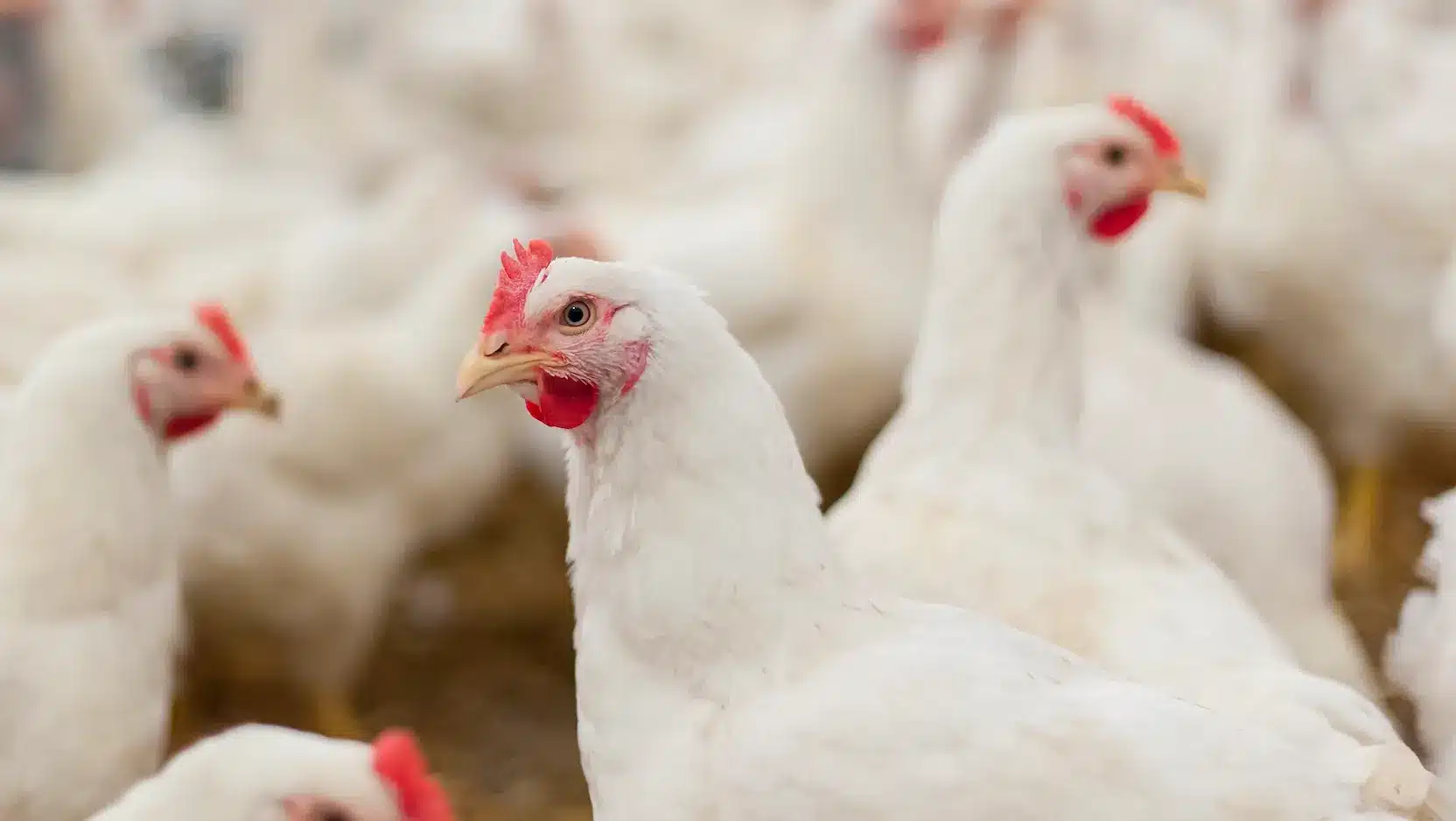
For years, scientists have raised alarms about the potential for the H5N1 bird flu virus to jump from birds to humans, posing a significant global health threat. Since late August, over two million turkeys have been culled in the United States due to this virus, which has already infected more than 180 million birds and caused human infections, primarily among farmworkers. Recent research from Indian scientists has modeled how an H5N1 outbreak could unfold in humans, emphasizing the importance of early intervention to prevent widespread transmission.
Understanding H5N1 and Its Impact
H5N1, commonly known as avian flu, has been a persistent issue since its emergence in China in the late 1990s. The World Health Organization (WHO) has documented 990 human cases of H5N1 across 25 countries, resulting in 475 deaths, which translates to a fatality rate of 48%. In the United States, the virus has not only affected poultry but has also spread to dairy herds in 18 states, leading to at least 70 human infections, several hospitalizations, and one death. Symptoms in humans can resemble severe flu, including high fever, cough, and muscle aches, although some individuals may remain asymptomatic. While the current risk to humans is considered low, health authorities are closely monitoring the virus for any changes that could enhance its transmissibility.
Modeling the Outbreak: Insights from Indian Researchers
Researchers Philip Cherian and Gautam Menon from Ashoka University have developed a peer-reviewed model to simulate the potential spread of H5N1 among humans. Their study, published in the BMC Public Health journal, utilizes real-world data and computer simulations to predict how an outbreak might progress and what interventions could effectively contain it. The model suggests that a bird flu pandemic could begin quietly with a single infected individual, typically a farmer or poultry handler. The real danger arises from sustained human-to-human transmission, which can escalate rapidly if not addressed promptly.
The researchers utilized BharatSim, an open-source simulation platform initially designed for COVID-19 modeling, to explore various scenarios. Their findings indicate that the window for effective intervention is narrow; once the number of cases exceeds two to ten, the likelihood of the virus spreading to the broader population increases significantly. The study emphasizes the critical need for timely quarantines and other measures to contain outbreaks before they spiral out of control.
Key Findings and Recommendations for Policymakers
The research highlights the importance of early action in managing potential H5N1 outbreaks. If authorities can quarantine households of primary contacts when only two cases are detected, they can likely contain the virus. However, once the number of cases reaches ten, the infection is likely to spread beyond immediate contacts, making containment efforts much more challenging. The study focused on a synthetic community in Namakkal district, Tamil Nadu, which is a major poultry production area in India. This model allowed researchers to simulate real-life conditions and assess the effectiveness of various interventions, including culling infected birds and implementing quarantines.
The results underscore that culling birds is effective only if conducted before human infections occur. If the virus spills over to humans, timely isolation and quarantine of infected individuals can prevent further spread. However, once the virus reaches tertiary infections—those involving friends or contacts of infected individuals—the outbreak may become uncontrollable without stricter measures, such as lockdowns.
Challenges and Future Directions
While the simulations provide valuable insights, researchers acknowledge certain limitations. The model is based on a single synthetic village and does not account for simultaneous outbreaks caused by migratory birds or poultry networks. Additionally, it does not consider behavioral changes, such as increased mask-wearing, that may occur once the public becomes aware of an outbreak. Experts like virologist Seema Lakdawala caution that the model assumes efficient transmission of influenza viruses, which may not hold true for all strains.
Looking ahead, the Indian researchers believe their simulations can be adapted in real-time as new data emerges. By refining the model to include factors like reporting delays and asymptomatic cases, public health officials could gain critical insights into which actions are most effective in the early stages of an outbreak. This proactive approach could be vital in preventing a potential H5N1 pandemic and mitigating its impact on public health.
Observer Voice is the one stop site for National, International news, Sports, Editor’s Choice, Art/culture contents, Quotes and much more. We also cover historical contents. Historical contents includes World History, Indian History, and what happened today. The website also covers Entertainment across the India and World.

