

India Seeks to Expand Passenger Jet Fleet: Can the Nation Rise to the Challenge of Manufacturing Them?

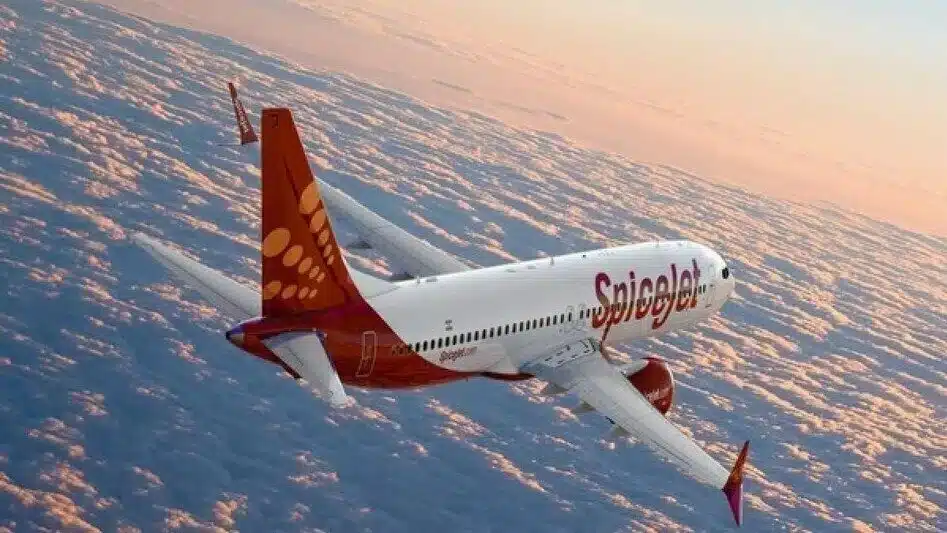
India is making strides in its aviation sector with a recent agreement signed with Russia to manufacture the SJ-100 passenger plane domestically. This initiative comes at a time when India’s aviation market is rapidly expanding, driven by increasing passenger demand. Major airlines like IndiGo and Air India have placed substantial orders for new aircraft, but delays from leading manufacturers Boeing and Airbus have sparked discussions about the feasibility of producing aircraft within India. While the deal with Russia raises hopes for domestic production, significant challenges remain before the project can be realized.
Growing Demand in India’s Aviation Market
India’s aviation market is one of the fastest-growing in the world, with airlines like IndiGo and Air India commanding over 90% of the market share. These airlines have collectively ordered nearly 1,500 planes over the next decade to meet the soaring demand for air travel. However, the reliance on Boeing and Airbus, which supply 86% of the world’s aircraft, has led to concerns about delivery delays. In 2024, both manufacturers are expected to face historically high backlogs, which could impact Indian airlines’ plans. This situation has prompted a renewed interest in whether India should develop its own passenger aircraft to reduce dependency on foreign manufacturers.
The SJ-100 Aircraft and Its Potential
The SJ-100 is a twin-engine aircraft capable of carrying up to 103 passengers and is already operational with several Russian airlines. The Indian government has labeled this aircraft a “game changer,” intending to deploy it on short-haul routes. However, experts have raised questions regarding the project’s cost and feasibility, particularly concerning the Russian firm’s ability to establish and scale production in India swiftly. The SJ-100’s manufacturer, United Aircraft Corporation (UAC), has faced challenges since the onset of the Ukraine conflict, which led to Western sanctions that disrupted the supply of essential spare parts. As a result, UAC has had to adapt the aircraft to an “import-substituted” version, complicating its certification and operational status.
Historical Context of Aircraft Manufacturing in India
India has long aspired to manufacture passenger aircraft domestically but has seen limited success over the decades. The National Aerospace Laboratories (NAL) was established in 1959 to develop small and medium-sized civil aircraft, resulting in the creation of the two-seater Hansa and five-seater trainer planes. However, larger passenger aircraft projects have struggled. In the 1960s, India produced passenger planes under foreign licenses, including the UK-designed Avro 748 jets. Despite some successes, such as the 19-seat Dornier aircraft produced in collaboration with Germany, the country has not yet achieved significant advancements in larger aircraft manufacturing.
Past projects, like the Saras aircraft, which was developed in partnership with Russia, have faced setbacks, including tragic accidents that stalled progress. More recent initiatives, such as the Regional Transport Aircraft (RTA), have also seen minimal advancement. Experts attribute these challenges to a lack of domestic demand, insufficient skilled labor, and a limited manufacturing ecosystem.
Future Prospects and Challenges Ahead
The recent agreement with Russia to manufacture the SJ-100 could represent a turning point for India’s aviation ambitions. However, the project is not without its challenges. Experts emphasize the need for collaboration with both Indian and global manufacturers to overcome historical hurdles. The SJ-100 project may offer a practical solution, especially as India’s own aircraft development projects remain incomplete. While the deal presents opportunities, it also raises concerns about the sustainability of India’s aviation manufacturing goals, particularly in light of potential sanctions and geopolitical tensions.
Additionally, the rapid expansion of India’s aviation sector is contingent not only on aircraft availability but also on the training of qualified personnel. Recent incidents, such as IndiGo’s cancellation of thousands of flights due to pilot roster mismanagement, highlight the need for a well-prepared workforce to support the growing industry. As India navigates these complexities, the collaboration with Russia could play a crucial role in shaping the future of its aviation landscape.
Observer Voice is the one stop site for National, International news, Sports, Editor’s Choice, Art/culture contents, Quotes and much more. We also cover historical contents. Historical contents includes World History, Indian History, and what happened today. The website also covers Entertainment across the India and World.

