

Hodgkin Lymphoma: One of the Most Treatable Cancers — If Caught Early

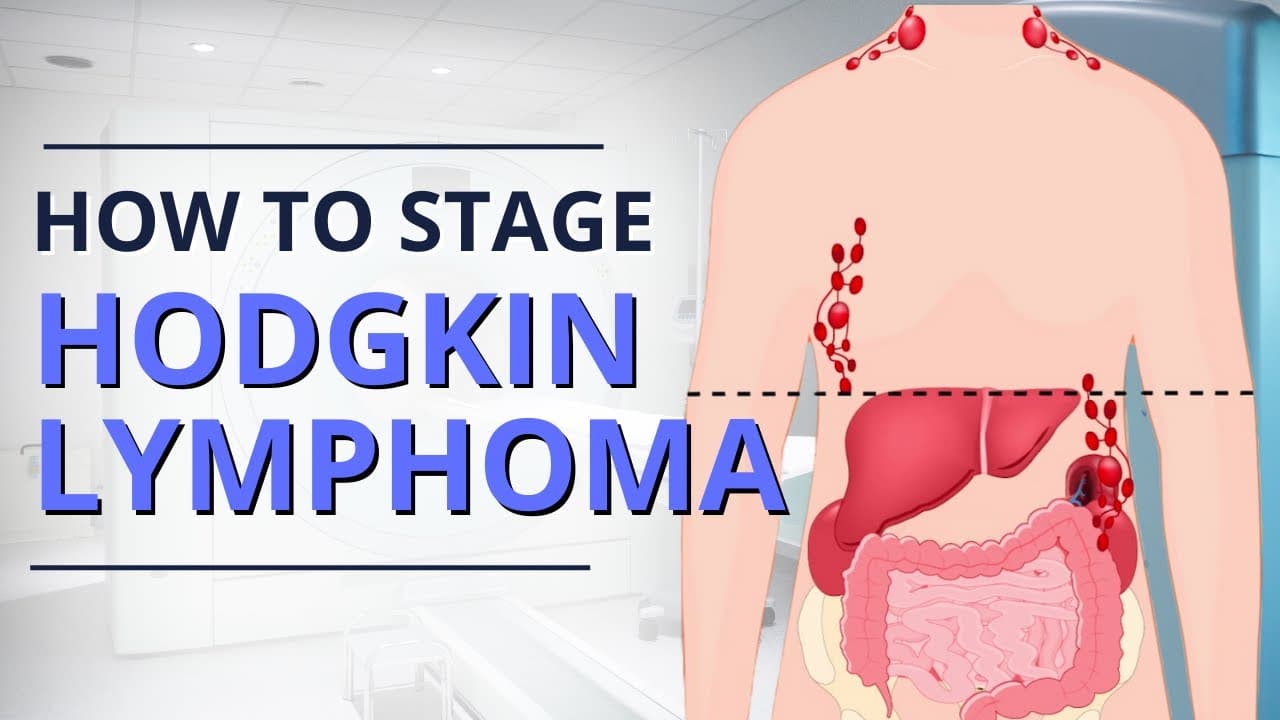
When 24-year-old Sarah noticed a painless lump in her neck that wouldn’t go away, she initially dismissed it as a swollen gland from a cold. Three months later, when it had grown larger and she developed drenching night sweats, her doctor ordered a biopsy. The diagnosis: Hodgkin lymphoma. “I was terrified when I heard ‘cancer,'” Sarah recalled. “But my oncologist immediately reassured me—Hodgkin lymphoma is one of the most curable cancers we have, especially when caught early like yours.” Hodgkin lymphoma is a rare monoclonal lymphoid neoplasm with high cure rates. Classical Hodgkin lymphoma is considered a highly curable disease, with approximately 80% of patients cured with standard first-line chemotherapy. The overall five-year survival rate is approximately 89%. Sarah’s story reflects modern Hodgkin lymphoma treatment success—what was once a fatal disease now boasts cure rates exceeding 90% for early-stage cases.
What Makes Hodgkin Lymphoma Unique
Hodgkin lymphoma is characterized by four features: it commonly arises in the cervical lymph nodes; the disease is more common in young adults; there are scattered large mononuclear Hodgkin and multinucleated Reed-Sternberg cells intermixed in a background of non-neoplastic inflammatory cells; finally, T lymphocytes are often observed surrounding the characteristic neoplastic cells. The disease differs fundamentally from other lymphomas through Reed-Sternberg cells—giant abnormal cells with distinctive “owl-eye” appearance under microscope. When B cells mutate, they create larger-than-normal cancerous cells called Reed-Sternberg cells. Reed-Sternberg cells make cytokines, substances that attract normal cells to lymph nodes that contain the abnormal cells. The normal cells release substances that make the Reed-Sternberg cells grow. The result is swollen lymph nodes. Remarkably, Reed-Sternberg cells comprise only 1-5% of tumor mass—the remaining 95-99% consists of normal immune cells recruited by cancer cells. This unique composition makes Hodgkin lymphoma behave differently from other cancers and respond exceptionally well to treatment. In 2026, it is estimated that there will be 8,920 new cases of Hodgkin lymphoma and an estimated 1,100 people will die of this disease. The relatively small number of deaths compared to cases underscores this cancer’s high curability.
The Age Pattern: Why Young Adults?
Hodgkin lymphoma shows an unusual bimodal age distribution—two peaks. You’re more likely to develop this condition if you’re between 20 and 39 years old or older than 65. The first peak affects young adults aged 20-30, the second occurs around age 55-70. Nobody knows exactly why young adults face elevated risk, though Epstein-Barr virus infection plays a role in some cases. Teens and young adults (ages 15–40) often have a 5-year survival rate of over 90%. This age group is generally able to better tolerate intensive treatments like chemotherapy and radiation. Older adults (ages 55+) tend to have lower survival rates, around 65%, as their overall health and ability to undergo aggressive treatments may be limited. Young age actually confers survival advantage—youthful patients tolerate intensive chemotherapy better and achieve higher cure rates than elderly patients with same-stage disease.
Recognizing The Warning Signs
Most patients present with painless lymph node swelling—commonly in neck, but also armpits or groin. The hallmark: lymph nodes that grow progressively over weeks to months rather than shrinking after infections resolve. About 40% of patients develop “B symptoms”—unexplained fever, drenching night sweats soaking sheets, and weight loss exceeding 10% over six months. B symptoms indicate more active disease and slightly worsen prognosis, but patients with B symptoms still achieve excellent cure rates with appropriate treatment. Other symptoms include persistent itching (especially after alcohol consumption or bathing), fatigue, and chest discomfort if mediastinal (chest) lymph nodes enlarge. The cancer rarely causes pain unless enlarged nodes press on structures. This painlessness often delays diagnosis—patients don’t feel urgently ill despite harboring cancer.
The Survival Numbers: Stage Matters Enormously
For Hodgkin lymphoma, 13.0% are diagnosed at stage I. The 5-year relative survival for stage I Hodgkin lymphoma is 92.7%. Stage-specific survival rates tell the story. Around 9 in 10 people (90%) diagnosed at stage 2 survive for at least 5 years. Around 8 in 10 people (around 80%) diagnosed at stage 3 survive for at least 5 years. More than 7 in 10 people (more than 70%) diagnosed at stage 4 survive for at least 5 years. Even stage 4—most advanced with disease spread throughout body—still achieves 70%+ five-year survival. Compare this to pancreatic cancer’s 12% five-year survival or lung cancer’s 25%, and Hodgkin lymphoma’s treatability becomes clear. For the years 1983 and 2006 the 5-year overall survival for stage II changed from 80.1% to 90.8%; stage III changed from 74.6% to 76.2%; and stage IV changed from 56.3% to 67.7%. Survival rates have improved dramatically over recent decades as treatments refined, with early-stage disease showing most dramatic gains.
Treatment: Why It Works So Well
Standard treatment combines chemotherapy—typically ABVD regimen (Adriamycin, bleomycin, vinblastine, dacarbazine)—with radiation therapy for many patients. Traditional chemotherapy will cure more than 80% of patients with Hodgkin lymphoma. Why such success? Multiple factors converge. First, Hodgkin lymphoma cells are exquisitely chemotherapy-sensitive. Second, the disease typically remains localized to lymphatic system long enough for treatment to eradicate it before distant spread. Third, Reed-Sternberg cells express surface proteins making them vulnerable to targeted drugs. Fourth, young patient age allows aggressive treatment tolerance. PET scans midway through chemotherapy assess treatment response—if scan shows excellent response, treatment may be abbreviated; if inadequate response, treatment intensifies. This response-adapted approach maximizes cure while minimizing toxicity. For early-stage favorable disease, combined modality therapy (abbreviated chemotherapy plus involved-site radiation) achieves 95%+ cure rates. Advanced-stage disease requires more intensive chemotherapy, sometimes including BEACOPP regimen (more intensive but more toxic), achieving 80-85% cure rates.
When Treatment Fails: New Hope
Classical Hodgkin lymphoma is considered a highly curable disease; however, 20% of patients cannot be cured with standard first-line chemotherapy and have a dismal outcome. For the 10-20% experiencing relapse or primary refractory disease, salvage options exist. High-dose chemotherapy followed by autologous stem cell transplantation (using patient’s own stem cells) rescues about half of relapsed patients, producing durable remissions. Among the new treatments that have emerged over the past decade is brentuximab vedotin, a type of therapy known as an antibody-drug conjugate. The treatment has demonstrated substantial efficacy in relapsed or refractory Hodgkin lymphoma, significantly improving response rates and survival outcomes. Brentuximab vedotin—an antibody targeting CD30 protein expressed on Reed-Sternberg cells linked to chemotherapy drug—produces 75% response rates in relapsed disease. PD-1 checkpoint inhibitors (nivolumab, pembrolizumab) unleash immune system against Hodgkin lymphoma, achieving remarkable responses even in heavily pre-treated patients. These newer agents transform relapsed Hodgkin lymphoma from uniformly fatal to potentially curable.
The Catch: Late Effects Of Treatment
Hodgkin lymphoma’s high cure rate creates a new challenge: survivors living decades face late treatment complications. Chest radiation increases heart disease and lung cancer risk 15-25 years later. Chemotherapy—particularly anthracyclines—causes heart failure in some long-term survivors. Secondary cancers (leukemia, breast cancer, thyroid cancer, sarcomas) occur at elevated rates. Infertility affects many survivors, though fertility preservation options exist pre-treatment. Modern treatment protocols minimize these risks through reduced radiation doses, smaller treatment fields, and abbreviated chemotherapy for early-stage favorable disease achieving same cure rates with less toxicity. The mantra: cure with minimal late effects.
Frequently Asked Questions
Q1: How quickly do I need to start treatment after diagnosis?
Hodgkin lymphoma typically doesn’t require emergency treatment—starting within 2-4 weeks of diagnosis is appropriate. This allows time for complete staging (PET/CT scan, bone marrow biopsy if needed), consultation with oncologists, fertility preservation discussions, and treatment planning. Unlike acute leukemias requiring immediate chemotherapy, Hodgkin lymphoma grows relatively slowly. However, don’t delay excessively—starting treatment within a month of diagnosis is standard.
Q2: Will I lose my hair during treatment?
Almost certainly with standard ABVD chemotherapy—hair loss typically begins 2-3 weeks after first treatment. Hair loss is temporary; regrowth starts 2-3 months after completing chemotherapy, often with different texture or color initially. Cooling caps may reduce hair loss but aren’t universally effective. Most patients embrace wigs, scarves, or going bald temporarily. Remember: hair loss signals chemotherapy is working systemically to cure your cancer.
Q3: Can I work during treatment?
Many patients work through treatment, especially desk jobs, though may need flexibility for chemotherapy appointments and recovery days after each cycle. Chemotherapy typically administered every 2 weeks; most patients feel worst days 3-5 post-treatment, then recover. Fatigue accumulates over multiple cycles. Discuss with employer about flexible schedule or temporary reduced hours. Some qualify for short-term disability if symptoms prevent working. Prioritize rest when needed—your body is fighting cancer.
Q4: What are my chances of relapse after treatment?
Depends on stage and treatment response. Early-stage favorable disease with complete metabolic response on mid-treatment PET scan: relapse risk under 5%. Advanced-stage disease achieving complete remission: relapse risk 15-20%. Most relapses occur within 2 years; relapse after 5 years is rare. If relapse occurs, salvage chemotherapy followed by stem cell transplant offers 50%+ chance of second cure. Newer drugs (brentuximab vedotin, PD-1 inhibitors) provide additional options.
Q5: Will I need lifelong monitoring after treatment?
Yes, but intensity decreases over time. First 2-3 years: clinic visits every 3-6 months with physical exam, bloodwork, and periodic scans monitoring for relapse. Years 3-5: visits every 6 months. Beyond 5 years: annual visits monitoring for late effects (heart function, thyroid, secondary cancers). Women who received chest radiation need enhanced breast cancer screening starting 8 years post-treatment. Lifelong surveillance catches late effects early when most treatable.
Disclaimer
This article adapts publicly available information from reputable hematology research organizations and cancer databases. This content is for informational and educational purposes only and does not constitute medical advice. ObserverVoice.com is a news and information platform — not a healthcare provider. Decisions about Hodgkin lymphoma diagnosis and treatment should be made in consultation with qualified hematologists and oncologists who can evaluate your individual disease characteristics, stage, and overall health. If you have been diagnosed with Hodgkin lymphoma, please consult with your healthcare team promptly to discuss appropriate treatment options.
References
- Cleveland Clinic. Hodgkin Lymphoma: Symptoms, Causes & Treatment. https://my.clevelandclinic.org/health/diseases/6206-hodgkin-lymphoma
- StatPearls. Hodgkin Lymphoma. https://www.ncbi.nlm.nih.gov/books/NBK499969/
- SEER. Cancer Stat Facts: Hodgkin Lymphoma. https://seer.cancer.gov/statfacts/html/hodg.html
- Cancer Research UK. Survival for Hodgkin Lymphoma. https://www.cancerresearchuk.org/about-cancer/hodgkin-lymphoma/survival
- PMC. Predicting treatment outcome in classical Hodgkin lymphoma. https://pmc.ncbi.nlm.nih.gov/articles/PMC3129642/
Observer Voice is the one stop site for National, International news, Sports, Editor’s Choice, Art/culture contents, Quotes and much more. We also cover historical contents. Historical contents includes World History, Indian History, and what happened today. The website also covers Entertainment across the India and World.
Follow Us on Twitter, Instagram, Facebook, & LinkedIn

