

Fabry Disease: The Lysosomal Storage Disorder Misdiagnosed for Decades

Imagine a 28-year-old man experiencing episodic pain extremities. Fingers toes. Pain burning. Severe. Excruciating. Episodes triggered. Heat. Exertion. Fever. Emotional stress. Episodes lasting hours. Days. Variable. Frequency. Multiple times weekly. Unpredictable. Impact. Significant. Work. Impaired. Activities. Limited. Quality. Life. Compromised. He seeks physician evaluation. Multiple physicians. Consultations. Diagnoses. Complex regional pain syndrome. CRPS. Considered. Fibromyalgia. Possible. Neuropathy. Peripheral. Possible. Psychiatric attributed. Anxiety. Depression. Possible. Labs normal. Imaging normal. Rheumatologic. Workup negative. Pain management. Medications prescribed. Opioids. NSAIDs. Gabapentin. Benefit. Limited. Frustration. Growing. Years passing. Disease burden. Progressive. Rash. Skin develops. Dark red. Purple macules. Grouped clusters. Lower abdomen. Buttocks. Groin. Angiokeratomas. Characteristic. Sweating. Abnormal absent. Hypohidrosis. Heat. Intolerance. Develops. Fevers. Unexplained. Episodes. Associated. Chest pain. Cardiovascular symptoms. Palpitations. Dyspnea. Shortness of breath. Associated. Hearing loss progressive. Ear. Tinnitus. Ringing. Associated. Vision problems. Corneal opacities. Cataracts. Possible. Kidney function. Laboratory assessment. Creatinine elevated. GFR glomerular filtration rate. Reduced. Kidney. Function declining. Proteinuria protein urine. Present. Nephrologist. Consultation. Chronic kidney disease. Diagnosed. Etiology. Unknown. Family history inquiry. Father affected. Symptoms similar. Historical. Genetic lysosomal. Storage disease. Suspected. Enzyme testing. Alpha-galactosidase activity. Measured. Plasma white blood cells. Markedly reduced. Deficient. Fabry disease. Suspected. Genetic testing. GLA gene. Alpha-galactosidase A gene. Mutation identified. Hemizygous. X-linked inheritance. Father. Affected. Carrier mother. Daughter possibly. Fabry disease confirmed. Treatment initiated. Enzyme replacement therapy. ERT. Alpha-galactosidase A. Agalsidase beta. Recombinant enzyme. IV infusion. Biweekly. Enzyme.Replacement. Infusions begun. Pain episodes. Reduced frequency. Severity diminished. Sweating. Returns. Heat tolerance improved. Improved. Hearing. Stabilizes. Further loss. Prevented. Kidney function. Stabilizes. Disease progression slowed. Significantly. Cardiac manifestations. Echocardiography. Left ventricular. Hypertrophy LVH. Demonstrated. Progression. Slowed. Therapy. ERT continuing. Understanding Fabry disease enables recognition of this rare lysosomal storage disorder and appropriate early treatment slowing disease progression and improving outcomes. Fabry disease is a rare X-linked genetic lysosomal storage disorder caused by alpha-galactosidase A deficiency resulting in toxic lipid accumulation in multiple organs characterized by progressive multisystem disease. Fabry disease accounts for approximately 1 in 40,000 to 1 in 117,000 births. Approximately 3,000 to 6,000 people in United States living with Fabry. Approximately 10,000 to 15,000 worldwide estimated. Peak onset. Age 5 to 15 years. Childhood adolescence. Pain symptoms. Early. Progressive. Adulthood. Complications organ. Manifest. Later decades. What makes Fabry disease important to understand is recognizing that while it is a devastating progressive condition, early diagnosis with enzyme replacement therapy can substantially slow disease progression and prevent organ failure. Years diagnostic delay common. Misdiagnosis frequent. Understanding Fabry disease enables appropriate diagnosis and life-saving early treatment. In this comprehensive article, we will explore what Fabry disease is, understand alpha-galactosidase deficiency and lipid accumulation, recognize progressive multisystem manifestations, explore diagnostic criteria and genetic testing, and discover treatment strategies slowing disease progression and preventing organ failure.
Understanding Lysosomes and Fabry Disease Pathophysiology
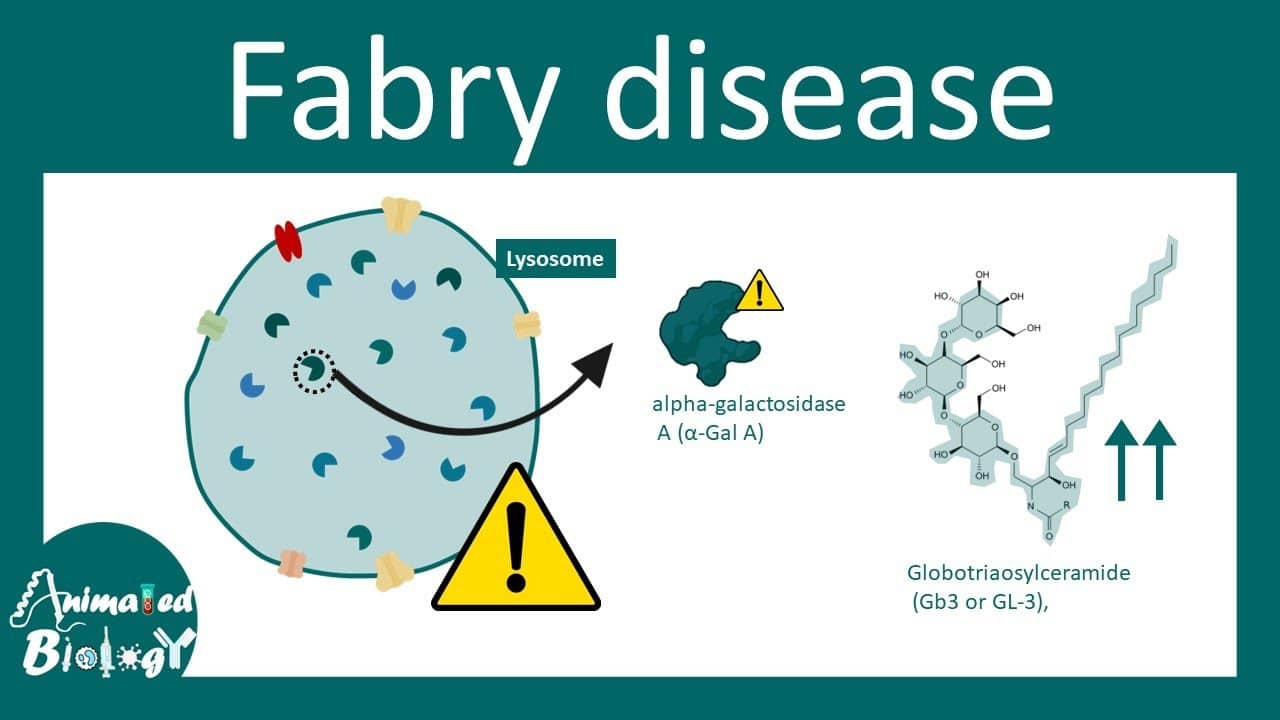
Before we explore Fabry disease, we need to understand lysosomal function and how enzyme deficiency causes lipid accumulation. Lysosomal structure function. Lysosomes cellular organelles. Membrane-bound. Acidic interior. pH approximately 4.5. Hydrolytic enzymes. Multiple. Stored. Acid hydrolases. Designated. Lysosomal enzymes. Proteases. Lipases. Nucleases. Phosphatases. Sulfatases. Others. Substrates degradation. Macromolecules. Proteins. Lipids. Carbohydrates. Nucleic acids. Breakdown. Enzymatic. Waste. Cellular disposal. Recycling. Lysosomal biogenesis. Golgi apparatus. Protein synthesis. Enzymes lysosomal. Synthesized ribosomes. Golgi apparatus trafficking. Sorting signal mannose-6-phosphate. M6P. Targeting. Lysosomes. Targeting signal. Recognized. M6P receptor. Golgi apparatus. Binding. Vesicular transport. Lysosomes. Delivery enzyme. Integrated. Lysosomal membrane incorporated. Active. Enzyme degradative. Functioning. Lysosomal storage diseases. Enzyme deficiency inherited. Genetic mutations. Lysosomal enzyme genes. Enzyme inactivity. Reduced activity. Non-functional protein. Product. Substrate accumulation. Undegraded. Lysosomes. Toxic substrate. Accumulation. Cellular. Dysfunction. Cell death. Possible cascade. Pathologic. Widespread. Tissues affected. Enzyme. Involved ubiquitous. Distribution. Expression. Relatively. Tissue. Burden substrate. Variable. Tissues highest. Accumulation. Substrate. Production rate. High. Enzyme activity. Normally. High. Tissues affected. Predominantly. Fabry disease. Alpha-galactosidase A. Enzyme lysosomal. GLA gene. Chromosome X. Xq22. Inheritance X-linked. Single copy. Males hemizygous. One X chromosome. Mutation. Disease expressed. Full severity. Females heterozygous. Two X chromosomes. One mutant one normal. Variable expression. X-inactivation lyonization. Random. Cell populations. Allele expressed. X-inactivation pattern. Skewed. Abnormal X. Inactivation preferential. Disease severity. Females. Variable. Skewed inactivation. Severe disease females. Possible rarely. Alpha-galactosidase A function. Enzyme hydrolytic. Galactose terminal. Alpha-1,4-linkage. Globotriaosylceramide. Gb3. Ceramide glycosphingolipid. Cleaving. Gb3 structure. Glucose. Galactose. N-acetylgalactosamine ceramide. Backbone lipid. Gb3 complex. Lipid membrane. Incorporated. Cell membranes. Particularly. Vascular endothelium. Heart. Kidney. Brain. Nervous system. Accumulated. Fabry disease pathology. GLA gene mutations. Genetic alterations. Point mutations missense. Nonsense frameshift. Deletions. Duplications. Splice site mutations. Approximately 700 identified. GLA mutations. Fabry disease. Mutation types. Consequences. Missense mutations. Partially active enzyme. Possible. Nonsense mutations. Truncation proteins. Non-functional. Frameshift deletions duplications. Protein synthesis. Disruption. Non-functional enzyme. Enzyme activity. Reduced severely absent. Gb3 substrate. Degradation. Impaired. Accumulation. Cellular. Progressive. Gb3 accumulation organs. Vascular endothelial cells. Particularly affected. Endothelium. Gb3 storage. Prominent. Vascular inflammation. Triggered. Endothelial dysfunction. Result. Prothrombotic state. Hypercoagulability. Activation. Smooth muscle cells vascular. Gb3 storage. Vascular smooth muscle. Proliferation increased. Vascular stenosis. Risk elevated. Progressive. Podocytes kidney. Gb3 accumulation. Glomerular. Basement membrane. Thickened. Foot processes podocyte. Effaced. Proteinuria. Leakage protein urine. Result. Progressive. Kidney. Function decline. Cardiac myocytes. Gb3 storage. Hypertrophy. Increased. Cell. Size. Left ventricular hypertrophy. LVH. Result. Diastolic. Dysfunction initially. Systolic. Dysfunction later. Heart failure. Risk. Neuronal cells. Gb3 accumulation. Dorsal root ganglia. Substantia gelatinosa. Spinal cord. Small fiber neuropathy. Pathologic basis. Pain neuropathic. Manifestation. Burning pain extremities. Symptom cardinal. Hearing. Loss progressive. Inner ear. Cochlea. Gb3 storage. Spiral ligament. Stria vascularis. Hair cells. Hearing sensory. Loss. Progressive frequencies. High. Affected early. Cerebrovascular disease. Stroke. Risk. Small and large. Vessel disease cerebral. Gb3 storage vascular. Endothelium. Stroke. Ischemic. Risk elevated. Significantly. The pathophysiology explains how alpha-galactosidase A deficiency causes globotriaosylceramide accumulation in lysosomes with toxic multisystem consequences.
What is Fabry Disease?
Fabry disease is a rare X-linked lysosomal storage disorder caused by alpha-galactosidase A deficiency resulting in globotriaosylceramide accumulation in multiple organ systems characterized by progressive multisystem disease with variable severity. Definition. Genetic disorder inherited. X-linked. Chromosome X. GLA gene alpha-galactosidase A. Mutation genetic. Enzyme lysosomal deficiency. Alpha-galactosidase A absent or severely reduced. Substrate accumulation cellular. Gb3 globotriaosylceramide. Toxic. Lipid storage. Multiple organs. Pathologic. Multisystem manifestations. Progressive. Lifetime. Unpredictable. Variable severity. Genotype-phenotype correlation incomplete. Similar mutations different. Manifestations. Environmental genetic modifier. Possible influence. Inheritance pattern. X-linked inheritance. Males hemizygous. Single mutant allele. Full disease expression. Severity maximum. Affected males. Inheritance maternal. Mother carrier. Father affected. Rare. Inheritance. Females heterozygous carrier. X-inactivation random. Typically. One X chromosome. Allele expressed. Inactivation pattern. Varied cell populations. Variable expression females. Inactivation skewed abnormal. Inactivation pattern. Disease. Severity females. Increased. Approach males. Sometimes. Manifesting heterozygotes. Designation. Females symptomatic. Disease. Clinical. Variants disease. Classic infantile-onset. Symptoms childhood. Age 5 to 15 years. Pain episodes early. Progressive. Adult complications. Multiple. Severe. Life expectancy reduced. Fifties to sixties. Average. Later-onset. Manifestations later. Age adulthood. Twenties thirties forties. Pain symptoms. Minimal possible. Cardiac. Renal manifestations. Predominant. Life expectancy. Better. Decades longer. Possible. Female carriers. Variable expression. X-inactivation. Mild asymptomatic disease possible. Severe symptomatic. Approaching male disease. Possible. The clinical features reflect X-linked inheritance with variable expression in females dependent on X-inactivation patterns and progressive multisystem accumulation with severity ranging from infantile-onset severe to later-onset mild disease.
Recognizing Fabry Disease: Clinical Presentations and Diagnostic Challenges
Fabry disease has characteristic presentations recognizable by episodic acral pain, angiokeratomas, and progressive organ manifestations often misdiagnosed for years as other conditions. Acral pain childhood presentation. Child age 5 to 15 years. Pain extremities episodic. Hands feet. Fingers toes. Burning pain. Severe. Excruciating. Episodes triggered. Heat exertion. Fever. Emotional stress. Variable. Unpredictable triggers. Episodes lasting. Hours. Days. Frequency variable. Multiple episodes weekly. Debilitating. Pain attacks. “Fabry crisis” designation sometimes. Associated symptoms. Fever. Joint pain arthralgia. Abdominal cramping. GI symptoms. Nausea vomiting. Possible. Systemic symptoms. Malaise. Fatigue. Associated. School performance. Affected. Attendance. Reduced. Avoidance exertion. Fear triggering. Pain attacks. Anxiety developed. Depression possible. Physical examination. Pain behavior. Protective guarding. Evident. Neurologic examination. Peripheral neuropathy. Small fiber. Evidence possible subtle. Vibration sense. Temperature sensation. Reduced possible. Reflexes. Normal typically. Autonomic dysfunction. Evidence. Hypohidrosis abnormal sweating. Possible reduced. Heat tolerance. Reduced. Fevers episodes fever. Unexplained. Associated. Labs. Serum creatinine. Normal. Early disease. Kidney function. Preserved early. Imaging. MRI brain possible. White matter. Hyperintensities possible. Stroke risk assessment. Pediatric consultation. Neurology. Important. Pain management discussion. Fabry disease. Not immediately recognized. Pain disorder. Misdiagnosis. Possible initially. Complex regional pain syndrome. CRPS. Considered. Fibromyalgia. Possible. Psychiatric causes anxiety. Depression. Attributed often. Angiokeratomas cutaneous. Adolescent early adult. Rash skin. Develops progressive. Dark red. Dark purple. Macules small. Grouped clusters. Distribution characteristic. Lower abdomen lower back. Buttocks. Genitals. Groin. Angiokeratomas characteristic appearance. Punctate vascular lesions. Elevated. Dark. Distinctive. Dermoscopy examination. Pathognomonic possibly. Angiokeratomas appearance. Fabry. Hallmark cutaneous finding. Females. Angiokeratomas possible. Males typically present. Prominent. Skin biopsy. Vascular lesion. Gb3 storage. Endothelial cells. Vacuolation. Demonstrated. Fabry disease. Diagnostic. Progressive kidney disease. Adult. Age 20-40 years. Proteinuria detected. Laboratory screening. Routine. Creatinine elevated. Kidney. Function decline. Nephropathy recognized. Etiology. Unknown initially. Chronic kidney disease. Diagnosed. Diabetes excluded. Hypertension. Manageable. Renal disease. Progressive independent. Proteinuria. Nephrotic range. Possible. Kidney. Function decline. Progressive. GFR. Declining. Years. End-stage renal disease. ESRD. Eventual. Dialysis. Transplant. Necessary. Family history inquiry. Father affected. Kidney disease. Historical. Fabry disease. Genetic. Renal manifestation. Suspected. Cardiac manifestations. Adult. Age 30-50 years. Chest pain. Palpitations. Dyspnea exertional. Shortness breath developing. Progressive. Echocardiography. Left ventricular hypertrophy. LVH concentric. Demonstrated. Wall. Thickness increased. Systolic function. Preserved initially. Diastolic. Dysfunction. Diastolic filling. Impaired. Diastolic heart failure. Risk. Progressive LVH. Hypertrophy. Worsening. Diastolic dysfunction. Progression. Systolic dysfunction. Systolic. Function decline. Heart failure systolic. Advanced. Risk mortality. Elevated. Arrhythmias. Conduction abnormalities. ECG. Wolf-Parkinson-White. WPW syndrome. Possible association. Fabry. Arrhythmias. Supraventricular. Atrial fibrillation. Risk. Stroke. Thromboembolic. Risk. Anticoagulation. Consideration. Cardiac. Imaging. CMR cardiac MRI. Late gadolinium. Enhancement. LGE. Fibrosis. Demonstrated. Prognostic information. Stroke presentation acute. Adult. Age 30-50 years. Acute neurologic. Deficit. Stroke. Sudden. Focal weakness. Speech slurred. Dysarthria. Vision. Diplopia double vision. Aphasia language difficulty. Possible. CT brain. Acute stroke. Ischemic demonstrated. Vascular distribution. Middle cerebral artery. MCA. Common. Anterior circulation. Posterior circulation. Possible. TIA transient. Ischemic attack. Possible. Recurrent. Stroke risk. Elevated. Fabry young. Stroke etiology. Unusual. Age. Consider Fabry. Genetic disease. Suspicion raised. Genetic testing. Offered. Hearing loss progressive. Adult. Age 30-50 years. Hearing loss progressive. Developing. High frequencies. Affected early. Low frequencies. Later. Tinnitus. Ringing ears. Associated. Vertigo. Dizziness. Possible. Audiometry. Sensorineural hearing. Loss. Demonstrated. Cochlear. Involvement. Suggested. Genetics. Hearing loss. Sometimes recognized. Fabry association. Underappreciated. Family history inquiry. Hearing loss. Family members. Genetic disease family. Possible. Recognition increased. Fabry diagnosis. Hindsight. Diagnostic challenge. Multiple manifestations. Varied. Presentation spectrum. Wide. Timeline varied. Age onset. Variable. Single manifestation. Prominent often. Others. Subtle. Masked. Missed. Temporal dissociation. Pain symptoms childhood. Kidney disease. Adulthood decades. Cardiac manifestations. Later decades. Presentation temporal. Fragmentary. Single manifestation. First. Years. Prior other manifestations. Recognition Fabry disease. Delayed. Diagnostic delay. Average. Approximately 10-15 years. Childhood symptom onset. Diagnosis. Prolonged suffering. Preventable. Early recognition. Possible genetic testing. Offered. Suspicion clinical high. The diverse presentations require high clinical suspicion and appropriate diagnostic evaluation for recognition particularly pain in children with fever and characteristic angiokeratomas.
Diagnosis: Enzyme Activity and Genetic Testing
Diagnosing Fabry disease requires enzyme activity testing demonstrating alpha-galactosidase A deficiency combined with genetic testing confirming GLA mutations. Enzyme activity testing. Alpha-galactosidase A activity. Plasma measured. White blood cells. Leukocytes. Enzyme activity. Measured. Plasma assay preferred. Males hemizygous. Enzyme activity. Markedly reduced. Absent typically. Severely elevated substrate. Plasma Gb3. Measured possible. DBS dried blood spot. Enzyme activity. Screening. Newborn. Screening programs. Possible enzyme activity. Filter paper. Blood spot. Enzyme activity measured. Substrate. Fluorescent. Enzymatic conversion. Detected. Reduced activity. Flagged. Follow-up testing. Performed. Specificity sensitivity. High. Dried blood. Spot testing. Advantages newborn. Screening early detection. Pre-symptomatic diagnosis. Possible. Genetic testing. GLA gene. Sequencing performed. Blood sample. Genomic DNA. Extracted. GLA gene mutations. Identified. Methods sequencing. Sanger direct. Standard. Specific mutations. Identified. Next-generation sequencing. NGS. Comprehensive. Large deletions. Duplications. Detected. Multiplex ligation-dependent. Probe amplification. MLPA. Large deletions detected. Duplications. Copy number. Variants. Assessment. Mutation confirmation. Cosegregation family. Testing. Helpful. Mutation. Identified confirming. Pathogenic mutation. GLA gene. Diagnosis Fabry confirmed. Variant. Interpretation. Pathogenic. Likely pathogenic benign. Prediction. In silico. Analysis. Sequence. Conservation evolutionary. Splicing prediction. Protein function. Effect mutation. Assessment. ClinVar LOVD. Database. Mutation. Previously reported. Pathogenicity. Established. Novel mutations. Pathogenicity. Assessment difficult. Functional studies. Enzyme assay. Expression. Protein. Cell culture. Possible. Functional validation. Pathogenicity. Established. X-inactivation analysis females. Females heterozygous carriers. X-inactivation. Random pattern. Analysis possible. Peripheral blood lymphocytes. X-inactivation. Pattern determined. PCR. DNA methylation. Assay. Pattern skewed abnormal preferential. Inactivation. Disease severity females. Correlated possible. Skewed inactivation. More severe. Possible. Biomarkers. Lyso-Gb3. Lyso-globotriaosylceramide. Substrate accumulation. Marker. Plasma lyso-Gb3. Elevated. Fabry disease. Males. Females. Elevated typically less. Carrier females. Elevation possible. Marker disease. Diagnosis supportive. Disease monitoring. Substrate reduction. Therapy. Lyso-Gb3 levels. Change assessed. Therapeutic response. Evaluated. Kidney biopsy electron microscopy. Kidney tissue. Electron microscopy. Gb3 accumulation. Podocytes. Endothelial cells. Glomerular basement membrane. Thickening. “Zebra bodies” designation. Myelin. Figure appearance characteristic. Fabry nephropathy. Diagnostic pathognomonic possible. Kidney biopsy. Performed. Renal disease. Diagnosis unclear. Proteinuria. No diabetes mellitus. Renal disease. Etiology unknown. Fabry disease. Considered historically. Less frequently. Diagnostic yield. Genetic testing currently. Biopsy. Less necessary. Cardiac MRI. Late gadolinium enhancement. LGE. Fibrosis. Cardiac. Demonstrated. Infiltration Gb3. Associated. Prognostic information. LGE pattern. Outcome. Predictive. LGE extent. Outcomes poor. Association. Heart failure. Mortality. Risk. Imaging prognostic marker. Useful. Disease monitoring. Brain MRI. White matter. Hyperintensities WMH. Fabry cerebrovascular disease. Possible. Stroke risk. Elevated. MRI findings. White matter. Abnormality. Not pathognomonic. Differential diagnosis. Multiple. Other etiologies. White matter. Hyperintensities. Imaging findings. Supportive. Diagnosis. Not diagnostic. Genetic testing. Confirmatory. Diagnostic algorithm. Child presenting episodic acral pain. Fever episodes. Skin lesions angiokeratomas lower abdomen buttocks. Fabry disease highly. Suspected. Enzyme testing alpha-galactosidase A. Plasma. Performed. Activity markedly reduced. Fabry diagnosis likely. Genetic testing. GLA gene. Mutation. Identified. Diagnosis Fabry disease. Confirmed. Family history inquiry. Father affected. Maternal inheritance. Genetic counseling. Mother carrier. Offered testing. Sisters at-risk. Possible. Father. Consulted. Testing results. Shared. The diagnosis requires enzyme activity testing demonstrating deficiency combined with genetic testing confirming GLA mutations enabling diagnosis and family screening.
Management: Enzyme Replacement Therapy and Substrate Reduction Therapy
Fabry disease management focuses on enzyme replacement therapy or substrate reduction therapy slowing disease progression, managing complications, and monitoring organ function. Enzyme replacement therapy ERT. Enzyme recombinant. Alpha-galactosidase A. Agalsidase alpha agalsidase beta. Imiglucerate. IV infusion administration. Biweekly dosing. Infusions continued. Indefinitely. Enzyme mechanism. Gb3 substrate. Hydrolysis cleaving. Galactose terminal alpha-1,4-linkage. Substrate depletion cellular. Accumulation toxic. Removed. Enzyme activity restoration. Systemic circulation. Enzyme. Tissues. Cellular uptake. Lysosomal targeting. M6P receptors. Enzyme. Lysosomes delivered. Enzyme activity. Intracellular. Restoration possible. Effectiveness limited. Crossing blood-brain. Barrier. Enzyme macromolecule. Crossing CNS. Limited. Brain substrate. Accumulation. ERT. CNS manifestations. Stroke. Risk. Not completely prevented. Reduced significantly. Efficacy demonstrated. Large clinical. Trials. Pain episodes. Frequency reduction approximately 50 percent. Acral. Pain control. Significant improvement. Hearing loss. Stabilization prevention. Further hearing loss. Kidney function. Stabilization. Decline prevention. Early treatment initiation. Creatinine levels. Stabilization achieved. Cardiac manifestations. LVH progression slowed. Diastolic dysfunction. Stabilization achieved. Systolic dysfunction. Advanced. Prevention. Therapy delayed. ERT delayed start. Disease progression. Advanced. Cardiac. Damage. Irreversible. Earlier initiation. Better outcomes. Dosing. Agalsidase alpha. 0.2 mg/kg. IV infusion. Biweekly. Standard. Agalsidase beta. 1.0 mg/kg. IV infusion. Biweekly. Standard. Dosing equivalent. Enzyme bioavailability. Subtle differences possible. Individual variation. Dosing. Response variable. Dose escalation possible. Efficacy. Improved higher. Doses. Burden infusion. Increased. Tolerability assessment. Important. Immunogenicity. Antibody formation. Possible ERT long-term. IgG antibodies. Enzyme directed. Development possible. Neutralizing. Antibodies. Enzyme activity. Reduction possible. Antibody formation monitoring. Periodic. Antibody titers. Checked. High titers. Efficacy loss. Risk. Immunosuppressive therapy. Possible. Rituximab possible. IgG antibody. Reduction. De-risking approach. Substrate reduction therapy SRT. Alternative approach. Miglustat iminosugars. Ceramide glucosylation inhibition. Enzyme glucosyltransferase. Inhibition. Gb3 synthesis reduced. Substrate production. De novo. Decreased. Accumulation. Reduced existing. Still present. Clearance minimal. SRT advantage. Oral administration. Enzyme infusions. Avoided. CNS penetration. Brain. SRT agents. Crossing. Brain substrate. Reduction possible. Central manifestations. Possible prevention. Efficacy. ERT comparable. Some outcomes. Patient preference. Efficacy outcomes comparison. Individual. SRT advantages disadvantages. Discussed. Miglustat dosing. 100 mg. Three times daily. Oral. Side effects. GI upset diarrhea. Headache. Cognitive effects concentration. Difficulty. Possible. Dose reduction. 50-100 mg. Three times daily. Possible tolerability. Improvement. Combination therapy ERT SRT. Combined approach. Possible. Potential additive. Benefit. Evidence clinical. Limited. Ongoing research. Clinical trials. Evaluation. Combination. Therapy efficacy. Pain management supportive. Pain episodes. Medications. NSAIDs ibuprofen naproxen. First-line possible. GI side effects caution. Kidney disease. Contraindication. Advanced. Acetaminophen. Alternative. Limited efficacy pain episodes. Severe. Gabapentin pregabalin. Neuropathic pain. Treatment. Neuropathic pain. Small fiber. Component. Possible therapeutic benefit. Dosing gabapentin. 900-3600 mg daily. Divided dosing. Titration gradual. Side effects sedation dizziness. Possible. Tricyclic antidepressants. Amitriptyline. Neuropathic pain management. Chronic pain. Treatment. Sleep quality improvement. Associated. Opioids. Pain severe refractory. Narcotics prescribed. Risk dependence addiction. Long-term opioid. Use caution. Multimodal pain management. Approach. Combined therapies. Better outcomes. Possible. Kidney disease management. CKD chronic kidney disease. ERT SRT. Slowing progression. Goal. Kidney function monitoring periodic. Creatinine serum. GFR glomerular filtration rate. Monitoring. Urine protein. Proteinuria assessment. ACE inhibitors ARBs. Renoprotection. Blood pressure control. Medications. Proteinuria reduction. Therapy. Standard. Kidney disease. Progression. Independent. EDS therapy. Slowing. But not stopping. Progression. Kidney replacement. Dialysis. Transplant. Advanced disease. Necessary. Dialysis. Hemodialysis peritoneal dialysis. Options. Kidney transplant. Preferred. Survival advantage. ERT post-transplant. Continued. Important disease. Management. Recurrence disease. Transplanted kidney. Possible. ERT. Prevention. Post-transplant. Cardiac management. LVH left ventricular hypertrophy. Progression monitoring. Echocardiography periodic. Left ventricular. Function systolic diastolic. Assessment. LVH progression. Therapy. ACE inhibitors ARBs. Blood pressure control. Antihypertensive therapy. LVH regression. Possible. Beta-blockers. Possible. Heart rate. Reduction. Diastolic filling. Improved. Diuretics. Heart failure. Fluid overload. Treatment. Arrhythmias. Management. Atrial fibrillation. Rate control. Rhythm control. Anticoagulation. Stroke prevention. Risk elevated. Warfarin. DOAC direct oral anticoagulants. Options. Individual risk assessment. Indication determination. Sudden cardiac death. Risk. Possible. ICD implantable cardioverter-defibrillator. Consideration. Advanced disease. Ejection fraction reduced. Risk stratification. Important. Stroke prevention. Anticoagulation. Possible. Discussed earlier. Antiplatelets aspirin. Possible. Stroke risk. Elevated TIA. Recurrent. Anticoagulation. Stronger indication. Hearing management. Hearing loss progressive. Audiometry periodic. Monitoring. Hearing aids. Possible. Amplification. Communication. Supported. Cochlear implant. Possible. Severe deafness. Advanced. Vertigo. Management. Vestibular therapy. Physical therapy balance. Possible benefit. CNS disease prevention. Stroke. Risk reduction. Blood pressure control. Important. Antihypertensive therapy. Stroke reduction. Demonstrated. Anticoagulation possible. Stroke prevention. TIA. History. Recurrent. Anticoagulation indicated. Platelet aggregation inhibitors. Aspirin possible. Agents. Statin therapy. Cardiovascular risk. Reduction. Hyperlipidemia. Treatment. Possibly indicated. Ophthalmology evaluation. Periodic. Corneal opacities. Cataracts. Assessment. Vision. Vision correction needed. Refractive error. Corrected. Genetic counseling. Genetic implications. Discussed. Male hemizygous. Family members. X-linked inheritance. 50 percent risk. Sons unaffected. Daughters carriers. Affected possible. Female carriers. Genetic testing. Offered. Pre-conception counseling. Females reproductive. Age. Pregnancy planning. Fabry pregnancy complicated. ESRD likely. Pregnancy complications. Infection. Possible. Fetal safety ERT SRT. Pregnancy. Data limited. Risk-benefit. Discussed. Family testing. Siblings brothers sisters. X-linked inheritance. Brothers unaffected typically. Sisters carriers. Testing offered. Early diagnosis. Preventive treatment. Pre-symptomatic. Possible. The comprehensive approach addresses enzyme replacement therapy or substrate reduction therapy slowing disease progression combined with organ-specific management.
Frequently Asked Questions (FAQs)
Q1: Is Fabry disease curable?
No cure currently. Genetic disease lifetime. ERT SRT symptom management disease slowing goals. Progression. Organ damage. Sustained. Reversal not possible. Early treatment. Disease stabilization achieved. Possible. Progression slowed significantly. Prognosis improved. Late diagnosis. Advanced disease. Damage organ. Irreversible. Prevention prognosis. Therapy delayed. Gene therapy investigation. Future possibly. Mutation correction mutation. Specific approaches. Investigation early stage. Cure development timeline uncertain. Years decades possible. Current therapy management. Symptomatic supportive. Disease slowing. Goals current.
Q2: How is Fabry disease inherited?
X-linked inheritance. Males hemizygous. Mutation single X. Chromosome. Full disease expression. Females heterozygous. Two X chromosomes. One mutant normal. Variable expression. X-inactivation random. Cell populations. One X expressed. Inactivation pattern. Varied. Skewed inactivation. Disease severity. Females increased. Affect. Approach males. Sometimes. Manifesting heterozygotes. Females symptomatic. Males affected. Inheritance maternal. Mother carrier. Risk children 50 percent. Sons unaffected typically. Daughters carriers. Transmission. Father affected. Daughters. Carriers obligate. All sons. Unaffected. Genetic counseling. Offered. Family implications. Discussed.
Q3: Can females have severe Fabry disease?
Yes. Females heterozygous typically. Variable expression expected. X-inactivation skewed abnormal. Inactivation pattern possible. Preferential mutant X. Expression. Disease. Approach males. Manifest severe. Possible. Uncommon. Common manifestations females. Milder. Atypical presentation. Possible. Manifesting heterozygotes. Females symptomatic. Disease. Sometimes. Severe. Severe females. Recognized less. Under-diagnosed historically. ERT SRT offered. All females. Symptomatic disease manifestations. Treatment indication.
Q4: What’s the prognosis with treatment?
Variable. Early treatment initiation. Disease stabilization. Achieved. Progression slowed significantly. Kidney function. Preservation longer. Cardiac manifestations. Progression slowed. Hearing loss. Stabilization. Pain episodes. Reduction. Quality life. Improved. Life expectancy improved. Without treatment. Fifties sixties average median. With early treatment. Longer survival possible. Advanced disease. Treatment started. Late. Damage organ. Irreversible. Prevention benefit. Limited. Prognosis worsened. Variability substantial. Genetic mutation. Disease phenotype. Severity. Natural history disease. Individual variable. Progression rate. Prognosis discussions. Individual. Genetic background. Disease manifestations. Individual circumstances.
Q5: Will I eventually need dialysis or transplant?
Depends disease progression. Early ERT SRT treatment kidney. Function stabilization possible. Progression halted. Maintained. ESRD development. Delayed. Years. Possibly indefinitely. Kidney function. Preserved. Treatment delayed. Progressive decline. ESRD development. Earlier likely. Dialysis transplant. Inevitable. Hemodialysis peritoneal dialysis. Options. Kidney transplant. Preferred superior. Survival. Long-term. ERT continued post-transplant. Important. Disease. Management. Recurrence disease transplanted. Kidney. Possible prevented ERT. Post-transplant. Understanding organ failure. Risk. Important prognosis. Education. Life planning. Guidance. Provided.
Key Takeaways
Fabry disease is rare X-linked genetic lysosomal storage disorder alpha-galactosidase A deficiency. Approximately 1 in 40,000-117,000 births. Approximately 3,000-6,000 United States. Peak onset age 5-15 years childhood adolescence. Inheritance X-linked males hemizygous disease full expression. Females heterozygous variable expression X-inactivation dependent. Pathophysiology. GLA gene mutations alpha-galactosidase A enzyme. Approximately 700 identified mutations. Point mutations missense nonsense frameshift deletions duplications. Enzyme deficiency substrate accumulation Gb3 globotriaosylceramide lysosomes. Toxic lipid accumulation organs vascular endothelium kidney heart nervous system. Gb3 storage cellular dysfunction progressive. Multisystem manifestations. Clinical features. Acral pain childhood episodes episodic burning feet hands severe excruciating. Angiokeratomas skin lesions dark red purple macules grouped characteristic distribution lower abdomen buttocks genitals. Fever episodes unexplained associated. Hypohidrosis abnormal sweating reduced heat intolerance. Progressive kidney disease proteinuria creatinine elevation GFR decline ESRD dialysis transplant. Cardiac left ventricular hypertrophy LVH diastolic dysfunction systolic dysfunction heart failure arrhythmias. Stroke cerebrovascular disease risk elevated ischemic events TIA. Hearing loss progressive high frequencies affected early sensorineural. CNS white matter hyperintensities cognitive impairment possible. Diagnosis. Enzyme activity alpha-galactosidase A plasma white blood cells markedly reduced absent. Dried blood spot DBS newborn screening enzyme activity. Genetic testing GLA gene sequencing mutations identified pathogenic confirmation. Serum lyso-Gb3 elevated biomarker substrate accumulation. Kidney biopsy electron microscopy Gb3 storage podocytes “zebra bodies” characteristic. Cardiac MRI late gadolinium enhancement LGE fibrosis prognostic. Management. Enzyme replacement therapy ERT agalsidase alpha agalsidase beta IV biweekly infusions lifelong. Pain reduction hearing stabilization kidney function stabilization cardiac LVH slowing. Substrate reduction therapy SRT miglustat iminosugars oral enzyme glucosyltransferase inhibition Gb3 synthesis reduction CNS penetration advantage. Pain management NSAIDs acetaminophen gabapentin tricyclic antidepressants multimodal approach. Kidney ACE inhibitors ARBs proteinuria reduction dialysis transplant advanced disease. Cardiac antihypertensive beta-blockers ACE inhibitors arrhythmia management anticoagulation stroke prevention. Prognosis. Early treatment stabilization disease progression significantly slowed. Life expectancy improvement years. Advanced disease progression organ failure inevitable. Genetic counseling family screening. Males affected daughters carriers obligate. Sisters at-risk half. Females carriers siblings testing. Pre-conception counseling females reproductive. Fabry—X-linked lysosomal storage—alpha-galactosidase A deficiency—Gb3 accumulation—progressive multisystem—acral pain angiokeratomas kidney cardiac neurologic manifestations—ERT SRT disease slowing—early treatment improved prognosis.
References
- World Health Organization (WHO). “Fabry Disease: Diagnosis and Management.” Retrieved from https://www.who.int/
- National Institutes of Health. “Fabry Disease Information.” Retrieved from https://www.nih.gov/
- American Association of Kidney Patients. “Fabry Disease Resources.” Retrieved from https://www.aakp.org/
- Mayo Clinic. “Fabry Disease: Diagnosis and Treatment.” Retrieved from https://www.mayoclinic.org/
- National Organization for Rare Disorders (NORD). “Fabry Disease.” Retrieved from https://rarediseases.org/
- American Heart Association. “Genetic Cardiovascular Disease.” Retrieved from https://www.heart.org/
Related Articles on ObserverVoice.com
Explore more health and science topics on our platform:
- Lysosomal Storage Disorders: Understanding Cellular Enzyme Deficiency
- X-Linked Genetic Disorders: Understanding Sex-Linked Inheritance
- Enzyme Replacement Therapy: Understanding Molecular Treatment Approaches
- Chronic Kidney Disease: Understanding Progressive Renal Function Decline
- Left Ventricular Hypertrophy: Understanding Cardiac Structural Changes
- Neuropathic Pain: Understanding Nerve Damage-Related Pain
Disclaimer
This article provides educational information adapted from publicly available health sources including WHO materials. This content is for informational and educational purposes only and does not constitute medical advice, diagnosis, or treatment recommendations. [ObserverVoice.com] is a news and information platform—not a healthcare provider. If you experience recurrent episodic acral pain with fever episodes, characteristic skin lesions (angiokeratomas), progressive kidney disease of unknown etiology, cardiac hypertrophy, or unexplained stroke at young age, consult physicians for evaluation. Fabry disease diagnosis requires enzyme activity testing demonstrating alpha-galactosidase A deficiency (marked reduction or absence) measured in plasma or white blood cells combined with genetic testing confirming GLA gene mutations (pathogenic mutation identified) enabling definitive diagnosis and family screening. Dried blood spot testing (DBS) enables newborn screening with early pre-symptomatic diagnosis possible. Serum lyso-Gb3 elevation provides supportive biomarker reflecting substrate accumulation. Enzyme replacement therapy (ERT) with agalsidase alpha or agalsidase beta IV infusions (biweekly dosing indefinitely) or substrate reduction therapy (SRT) with miglustat oral therapy (enzyme glucosyltransferase inhibition) slows disease progression significantly when initiated early before organ damage becomes irreversible. Early treatment stabilizes kidney function preserving creatinine levels, stabilizes cardiac manifestations preventing LVH progression, reduces acral pain episodes by approximately 50 percent, stabilizes hearing loss preventing further progression, and reduces stroke risk. Delayed diagnosis with late treatment initiation results in advanced organ damage (kidney failure requiring dialysis/transplant, cardiac dysfunction requiring heart failure therapy, stroke events with neurologic sequelae) with limited therapy benefit. With appropriate early diagnosis and treatment initiation, prognosis significantly improves with extended life expectancy and improved quality of life. X-linked inheritance requires genetic counseling with family members: affected males have all daughters as obligate carriers and all sons unaffected; carrier females have 50 percent risk of affected sons and 50 percent risk of carrier daughters. Always seek guidance from qualified genetic specialists, nephrologists, cardiologists, and Fabry disease specialists experienced in comprehensive multisystem management and early enzyme-replacement or substrate-reduction therapy.
Observer Voice is the one stop site for National, International news, Sports, Editor’s Choice, Art/culture contents, Quotes and much more. We also cover historical contents. Historical contents includes World History, Indian History, and what happened today. The website also covers Entertainment across the India and World.
Follow Us on Twitter, Instagram, Facebook, & LinkedIn

