

Earthquakes: Nearly 750,000 people died between 1998-2017—125 million affected by the sudden disaster
Earthquakes: 750,000 deaths in 20 years—health systems unprepared

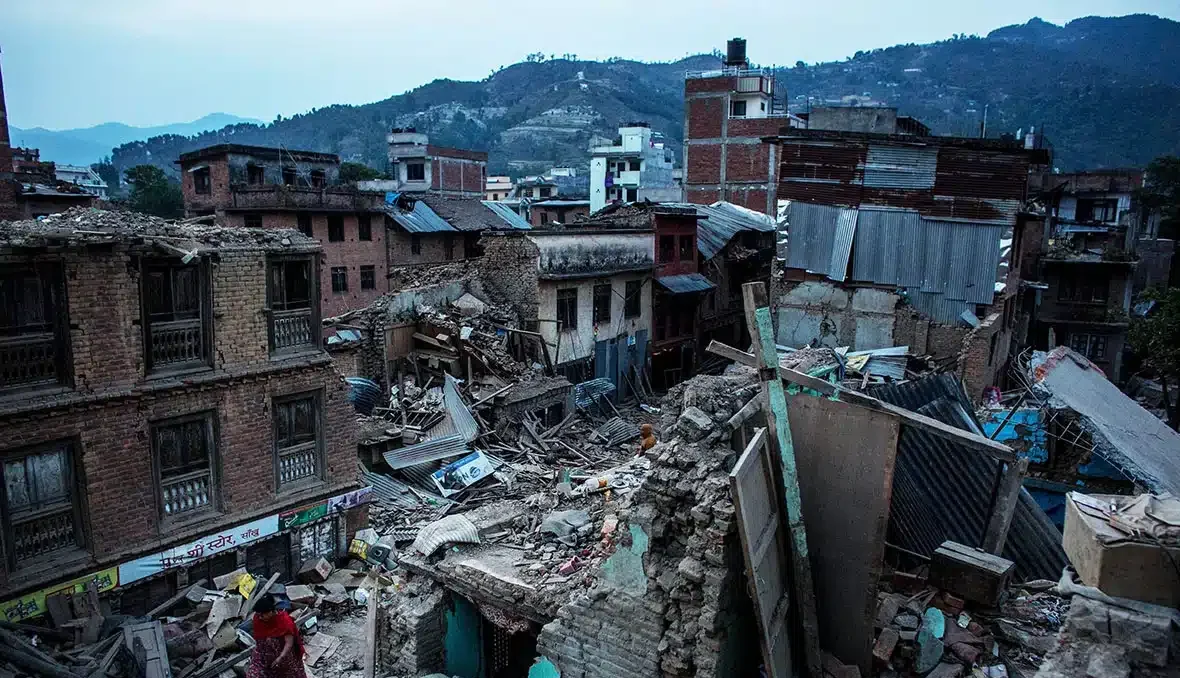
Dr. Aisha Mahmoud was performing a cesarean section when the hospital began to shake.
It was 4:17 AM on February 6, 2023, and she was working the night shift at a hospital in southern Turkey near the Syrian border. The operating room lights swung violently. Equipment crashed to the floor. The building shuddered and groaned.
“I had to make a decision in seconds,” she recalled, her hands trembling months later as she described that moment. “Do I try to finish the surgery while the building collapses around us, or do I abandon the patient on the table?”
She finished the delivery in under two minutes, racing against the collapsing structure. Both mother and baby survived. But as Dr. Mahmoud carried the newborn through the crumbling hospital, she passed the bodies of colleagues who hadn’t been so fortunate.
That earthquake and its aftershocks killed more than 50,000 people across Turkey and Syria. According to WHO’s work on earthquakes, it was just one catastrophe in a long history of seismic disasters that have killed nearly 750,000 people globally between 1998 and 2017—more than half of all deaths related to natural disasters during that period.
More than 125 million people were affected by earthquakes during those two decades, meaning they were injured, made homeless, displaced, or evacuated during the emergency phase of the disaster.
One moment of ground shaking. Minutes of terror. Decades of consequences.
Understanding Earthquakes and Their Impact
An earthquake is a violent and abrupt shaking of the ground, caused by movement between tectonic plates along a fault line in the earth’s crust. Earthquakes can strike suddenly and without warning.
Earthquakes can result in ground shaking, soil liquefaction, landslides, fissures, avalanches, fires, and tsunamis. For more on tsunami-related health impacts, see our article on the 2004 Indian Ocean tsunami.
The extent of destruction and harm caused by an earthquake depends on several factors: magnitude, intensity and duration, the local geology, the time of day that it occurs, building and industrial plant design and materials, and the risk-management measures put in place.
A magnitude 7.8 earthquake in a region with earthquake-resistant buildings and robust emergency response systems will cause far less death and suffering than the same earthquake in an area with poor construction and no preparedness plans.
In February 2023, WHO sent health supplies to reach 400,000 people impacted by the earthquakes in Turkey and the Syrian Arab Republic. WHO Director-General made a visit to north-west Syria in March 2023 to assess needs.
Immediate Health Impacts: The First Hours
Health threats due to earthquakes can vary according to the magnitude of the earthquake, the nature of the built environment (such as poor housing or urban slums), and the secondary effects of the earthquake, like tsunamis or landslides. Earthquakes can have immediate and long-term impacts on health.
Immediate health impacts include trauma-related deaths and injuries from building collapse, and trauma-related deaths and injuries from the secondary effects of the earthquake, like drowning from tsunamis or burns from fires.
Dr. Mahmoud described the chaos in the hours after the Turkey-Syria earthquake: “People arrived with every imaginable injury—crushed limbs, head trauma, spinal injuries, internal bleeding. We had no electricity, no running water, parts of our hospital had collapsed. We performed surgeries by flashlight. We made splints from whatever materials we could find.”
Many of those who survived the initial collapse died because healthcare couldn’t reach them in time. Roads were blocked. Hospitals were damaged or destroyed. Medical supplies were buried under rubble. Healthcare workers were themselves victims, injured or killed or unable to reach their workplaces.
In Nepal, WHO documented how emergency preparedness paid off as Kathmandu hospitals responded to earthquakes in 2015. WHO captured lessons in a video about the value of preparedness in responding to the 2015 Nepal earthquakes.
Medium-Term Health Impacts: The Weeks and Months After
The health crisis doesn’t end when the shaking stops. Medium-term health impacts include secondary infection of untreated wounds, increased morbidity and risk of complications related to pregnancy and childbirth due to interrupted obstetric and neonatal services, potential risk of communicable diseases particularly in areas affected by overcrowding, increased morbidity and risk of complications of chronic diseases due to interruption of treatment, increased psychosocial needs, and potential environmental contamination by chemical or radiological agents following destruction of industrial infrastructure.
Earthquakes can also damage health facilities and transportation, which can disrupt service delivery and access to care. Health workers may not be able to reach health facilities that are still functional, and medical supplies may be lost.
WHO’s fact sheet on mental health in emergencies highlights the profound psychological impacts of disasters. For more on mental health challenges, see our article on mental health and wellbeing.
Fatima Hassan, a Syrian nurse who survived the 2023 earthquake, described the ongoing crisis: “Three weeks after the earthquake, I was still treating infected wounds because people couldn’t get care in the first days. Pregnant women were giving birth in tents. Children with asthma couldn’t get inhalers. Diabetics ran out of insulin. The earthquake destroyed buildings in seconds, but it disrupted healthcare for months.”
Access to clean water and sanitation becomes critical. WHO’s work on water, sanitation and hygiene (WASH) addresses these essential needs during emergencies.
Chemical Hazards: The Hidden Danger
WHO published guidance on chemical releases associated with earthquakes in 2018, highlighting risks from Natech events (natural hazards triggering technological disasters).
When earthquakes strike industrial areas, factories can release toxic chemicals. Storage tanks can rupture, spilling hazardous materials. Nuclear facilities can be damaged. These chemical and radiological releases can poison water supplies, contaminate soil, and create long-term health hazards.
WHO Response: Building Resilience Before Disaster Strikes
As the health cluster lead for global emergencies, WHO works with partners to mitigate, prepare, and respond to earthquakes worldwide.
This includes strengthening health emergency risk management systems, limiting the risk of exposure to earthquakes by improving the quality of the built environment with better land-use control including regulating building, ensuring that health facilities are resilient to hazards and able to remain functional and respond to increased and changed health needs after earthquakes with staff trained appropriately, mobilizing medical response teams including establishing temporary health structures and field hospitals as well as emergency medical kits, and investing in community preparedness, as local residents are often the first responders.
WHO published guidelines on communicating risk in public health emergencies in 2018, providing a framework for emergency risk communication policy and practice.
During COVID-19, WHO issued guidance on preparedness for cyclones, tropical storms, tornadoes, floods and earthquakes during the pandemic, published in April 2020.
WHO offers training through OpenWHO’s Incident Management System course, helping health professionals prepare for emergencies.
The World Health Assembly adopted Resolution WHA 64.10 on strengthening national health emergency and disaster management capacities, establishing global commitments.
WHO maintains questions and answers on WHO’s role in humanitarian health action and WHO’s role in emergencies more broadly.
Recent Earthquake Responses
In Haiti, PAHO deployed experts to support earthquake aftermath in August 2021.
In Myanmar, WHO issued a flash appeal for earthquake response in March 2025.
WHO documented lessons from the 2004 Indian Ocean tsunami in the report Ten years after the tsunami of 2004: Impact action change future published in 2015.
WHO’s Health Emergencies Programme coordinates these global efforts.
What Must Happen
The deadliest aspect of earthquakes isn’t the ground shaking—it’s the buildings collapsing. Countries in seismically active zones must enforce earthquake-resistant building codes. Hospitals, schools, and critical infrastructure must be designed to remain functional during and after earthquakes.
Healthcare facilities need backup power, water supplies, and structural resilience. Medical staff need training in mass casualty management and disaster response. Communities need evacuation plans, emergency supplies, and knowledge of what to do when the ground begins to shake.
Dr. Mahmoud eventually left Turkey to work with WHO, helping other countries prepare for earthquakes. “I can’t prevent earthquakes from happening,” she said. “But I can help make sure that when they do happen, healthcare systems are ready. That hospitals don’t collapse. That supplies are pre-positioned. That staff are trained. That communities know how to respond.”
She paused, her eyes distant. “Every person who dies because a hospital collapsed, or because ambulances couldn’t reach them, or because medical supplies were destroyed—those deaths are preventable. Not the earthquake itself, but the human cost of being unprepared.”
With nearly 750,000 deaths between 1998 and 2017, and 125 million people affected, earthquakes remain one of the deadliest natural disasters. We cannot prevent earthquakes from occurring. But we can prevent much of the death and suffering they cause—if we choose to invest in preparedness, resilient infrastructure, and robust emergency response systems.
The question is whether we will.
Frequently Asked Questions (FAQs)
According to WHO’s work on earthquakes, between 1998-2017, earthquakes caused nearly 750,000 deaths globally, more than half of all deaths related to natural disasters during that time period. More than 125 million people were affected by earthquakes during these two decades, meaning they were injured, made homeless, displaced, or evacuated during the emergency phase of the disaster. An earthquake is a violent and abrupt shaking of the ground caused by movement between tectonic plates along a fault line in the earth’s crust. Earthquakes can strike suddenly and without warning. They can result in ground shaking, soil liquefaction, landslides, fissures, avalanches, fires, and tsunamis. The extent of destruction and harm depends on magnitude, intensity and duration, local geology, time of day it occurs, building and industrial plant design and materials, and risk-management measures put in place. Health threats vary according to earthquake magnitude, nature of built environment (such as poor housing or urban slums), and secondary effects like tsunamis or landslides. For tsunami impacts see WHO’s report Ten years after the tsunami of 2004.
Earthquakes can have immediate and long-term impacts on health. Immediate health impacts include trauma-related deaths and injuries from building collapse, and trauma-related deaths and injuries from secondary effects of the earthquake like drowning from tsunamis or burns from fires. Medium-term health impacts include secondary infection of untreated wounds, increased morbidity and risk of complications related to pregnancy and childbirth due to interrupted obstetric and neonatal services, potential risk of communicable diseases particularly in areas affected by overcrowding, increased morbidity and risk of complications of chronic diseases due to interruption of treatment, increased psychosocial needs, and potential environmental contamination by chemical or radiological agents following destruction of industrial infrastructure. Earthquakes can also damage health facilities and transportation, which can disrupt service delivery and access to care. Health workers may not be able to reach health facilities that are still functional and medical supplies may be lost. WHO’s fact sheet on mental health in emergencies addresses psychological impacts. WHO published guidance on chemical releases associated with earthquakes highlighting Natech risks. Access to clean water, sanitation and hygiene becomes critical.
As the health cluster lead for global emergencies, WHO works with partners to mitigate, prepare, and respond to earthquakes worldwide. This includes strengthening health emergency risk management systems, limiting risk of exposure to earthquakes by improving quality of built environment with better land-use control including regulating building, ensuring that health facilities are resilient to hazards and able to remain functional and respond to increased and changed health needs after earthquakes with staff trained appropriately, mobilizing medical response teams including establishing temporary health structures and field hospitals as well as emergency medical kits, and investing in community preparedness as local residents are often the first responders. Recent responses include: February 2023 when WHO sent health supplies to reach 400,000 people impacted by earthquakes in Turkey and Syrian Arab Republic and WHO Director-General’s visit to north-west Syria; August 2021 when PAHO deployed experts to support Haiti; March 2025 WHO flash appeal for earthquake response in Myanmar. WHO’s Health Emergencies Programme coordinates efforts.
WHO published multiple resources to support earthquake preparedness and response. Communicating risk in public health emergencies: WHO guideline for emergency risk communication published January 2018 provides framework for emergency risk communication policy and practice. April 2020 guidance on preparedness for cyclones, tropical storms, tornadoes, floods and earthquakes during the COVID-19 pandemic helped countries adapt preparedness plans. WHO offers training through OpenWHO’s Incident Management System (Tier 1) course. The World Health Assembly adopted Resolution WHA 64.10 on strengthening national health emergency and disaster management capacities and resilience of health systems. WHO maintains Q&A on WHO’s role in humanitarian health action and WHO’s role in emergencies. Nepal 2015 demonstrated how emergency preparedness paid off as Kathmandu hospitals responded to earthquakes.
The extent of destruction and harm caused by earthquakes depends on magnitude, intensity and duration, local geology, time of day it occurs, building and industrial plant design and materials, and risk-management measures put in place. WHO emphasizes limiting risk of exposure by improving quality of built environment with better land-use control including regulating building construction, ensuring health facilities are resilient to hazards and able to remain functional after earthquakes, training staff appropriately, and investing in community preparedness as local residents are often first responders. WHO documented lessons in The response to the 2015 Nepal earthquakes: the value of preparedness and WHO district support office in Gorkha to support government of Nepal after 2015 earthquakes. The deadliest aspect isn’t ground shaking but building collapse—countries in seismically active zones must enforce earthquake-resistant building codes. Healthcare facilities need backup power, water supplies, structural resilience. Medical staff need training in mass casualty management and disaster response. Communities need evacuation plans, emergency supplies, and knowledge of response protocols. Disaster statistics available through UNDRR provide data for planning. WHO maintains Disease Outbreak News for monitoring health emergencies.
- WHO Earthquakes Health Topic
- WHO Fact Sheet: Mental Health in Emergencies
- WHO Q&A: WHO’s Role in Humanitarian Health Action
- WHO Q&A: What is WHO’s Role in Emergencies?
- WHO Health Emergencies Programme
- UNDRR Disaster Statistics
- WHO Disease Outbreak News
Disclaimer: This article is an adaptation of publicly available information from WHO’s Earthquakes
health topic page (WHO, Geneva. Licence: CC BYNC-SA 3.0 IGO). WHO is not responsible for the
content or accuracy of this adaptation. This content is for informational and educational purposes
only and does not constitute medical advice. ObserverVoice.com is a news and information platform
— not a healthcare provider.
Observer Voice is the one stop site for National, International news, Sports, Editor’s Choice, Art/culture contents, Quotes and much more. We also cover historical contents. Historical contents includes World History, Indian History, and what happened today. The website also covers Entertainment across the India and World.

