

Delhi High Court Ruling: Foreign Asset Disclosure Limitations

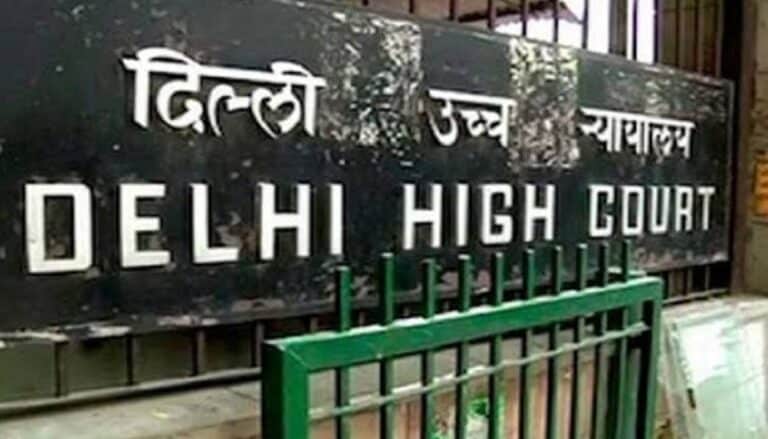
Delhi High Court’s recent ruling has significant implications for the enforcement of the Black Money Act (BMA) against individuals who have been compelled to remain in India. The court’s decision complicates the Income Tax Department’s ability to demand disclosures of foreign assets from individuals who are unable to leave the country due to various circumstances, such as being fugitives or under investigation. This ruling specifically affects cases like that of Rajiv Saxena, a businessman extradited from Dubai, who was ordered to provide information about his overseas assets.
Implications of the Court’s Ruling
The Delhi High Court has clarified that tax officials cannot automatically apply the Black Money Act to individuals classified as residents solely based on their extended stay in India against their will. This ruling stems from the court’s examination of the circumstances surrounding individuals who have been forced to remain in the country for over 181 days. Under the Black Money (Undisclosed Foreign Income and Assets) and Imposition of Tax Act, which has been in effect since July 1, 2015, residents are obligated to disclose their foreign assets in their income tax returns. However, the court emphasized that if an individual is found not to qualify as a resident during legal proceedings, the provisions of the BMA cannot be enforced against them.
The Income Tax Department had argued that the law does not differentiate between voluntary and involuntary residence. They maintained that since Saxena had been in India since January 30, 2019, he should be treated as a resident and thus subject to the BMA. However, the court’s ruling raises questions about the applicability of the BMA in cases of involuntary residence, suggesting that such individuals might be classified as non-residents, exempting them from the law’s provisions.
Legal Perspectives on the Ruling
Legal experts have weighed in on the implications of the Delhi High Court’s decision. Ashish Karundia, founder of a chartered accountancy firm, noted that various factors could lead to an involuntary stay, such as passport revocation. He pointed out that the Income Tax Department has previously recognized the need for case-by-case assessments, particularly during the COVID-19 pandemic when many non-residents found themselves stranded in India. Karundia emphasized that extending relief beyond exceptional circumstances could create a situation where individuals lack recognized tax residency, leading to potential tax statelessness.
Ashish Mehta, a partner at Khaitan & Co, highlighted that the Black Money Act does not provide a distinct process for determining residential status. Instead, it relies on the classification established under the Income Tax Act of 1961, which primarily considers the number of days a person is physically present in India. He referenced a 2015 Delhi High Court ruling in the Suresh Nanda case, which stated that periods of compulsory stay should be excluded when assessing residential status. This precedent supports the court’s current stance and reinforces the need for clarity in tax residency determinations.
Challenges for the Income Tax Department
The ruling presents a challenge for the Income Tax Department as it navigates the complexities of enforcing the Black Money Act. The department’s previous approach of treating individuals as residents based solely on their duration of stay may no longer be viable. The court’s decision necessitates a more nuanced understanding of residency, particularly in cases involving individuals who have been forced to remain in India due to legal or investigative circumstances.
As the Income Tax Department reassesses its strategies, it must consider the implications of this ruling on its ongoing efforts to combat black money and undisclosed foreign assets. The BMA was introduced to address gaps in the Income Tax Act and to facilitate the taxation of undisclosed wealth held abroad. However, the court’s ruling may require the department to refine its approach to ensure compliance with legal standards while effectively pursuing its objectives.
In conclusion, the Delhi High Court’s ruling marks a significant shift in the application of the Black Money Act, particularly for individuals unable to leave India. As the legal landscape evolves, both tax authorities and individuals will need to adapt to the new interpretations of residency and compliance requirements.
Observer Voice is the one stop site for National, International news, Sports, Editor’s Choice, Art/culture contents, Quotes and much more. We also cover historical contents. Historical contents includes World History, Indian History, and what happened today. The website also covers Entertainment across the India and World.

