

Breastfeeding: Nature’s Perfect Baby Food and Why It Matters
Breastfeeding Benefits: WHO Guidelines, Health Impact & Best Practices 2025

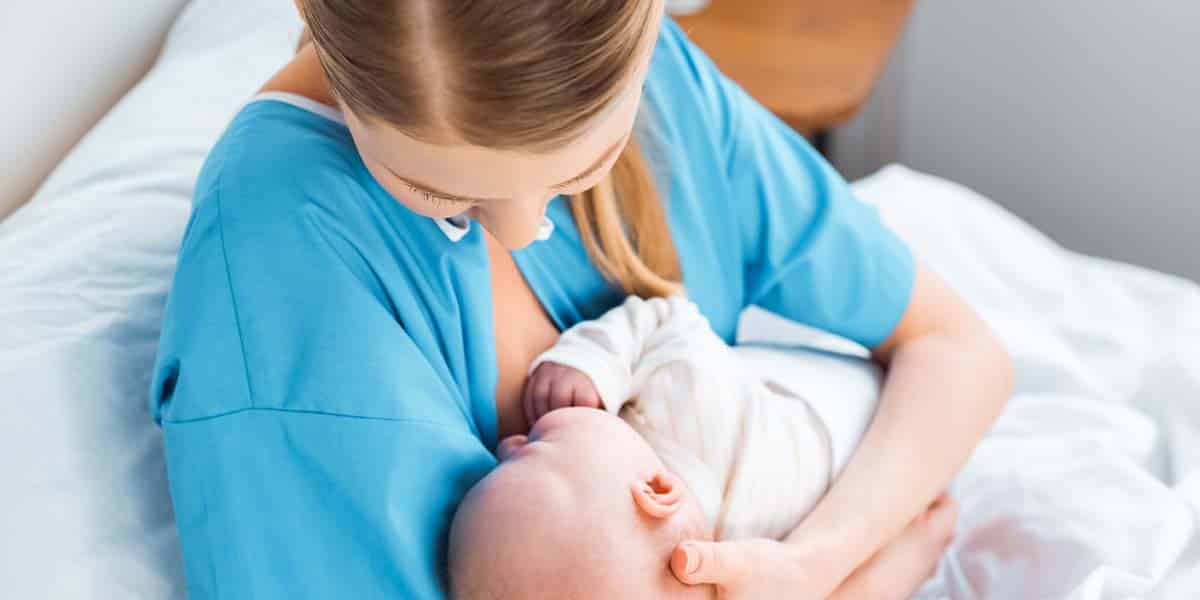
Imagine a food that’s perfectly designed for babies, comes at the right temperature, requires no preparation, costs nothing, protects against diseases, and even helps mothers stay healthy. That food exists—it’s breastmilk! Yet according to the World Health Organization, fewer than half of infants under six months old are exclusively breastfed, despite it being one of the most effective ways to ensure child health and survival.
Breastfeeding isn’t just about food—it’s about giving babies the best possible start in life. Let’s explore why this natural process is so important, what WHO recommends, and the challenges that prevent more mothers from breastfeeding.
What Makes Breastmilk Special?
The Perfect Food for Babies
Breastmilk is like a custom-made nutritional formula specifically designed for human babies. Here’s what makes it amazing:
It Changes to Meet Baby’s Needs: Breastmilk isn’t the same every day—it actually changes! The milk a mother produces in the first few days (called colostrum) is thick, yellowish, and packed with antibodies. As weeks pass, the milk changes to provide exactly what the growing baby needs. It’s even different during a single feeding—the milk at the beginning is more watery for thirst, while the milk at the end is creamier for hunger.
It’s Packed with Protection: Breastmilk contains antibodies—special proteins that fight germs. When a mother is exposed to viruses or bacteria, her body makes antibodies that pass into her breastmilk, protecting her baby from those same germs. It’s like giving the baby a temporary immune system while their own is still developing!
Perfect Nutrition: For the first six months, breastmilk provides ALL the energy and nutrients a baby needs—every vitamin, mineral, protein, and fat. No supplements needed! It even contains just the right amount of water, so breastfed babies don’t need extra water even in hot weather.
Easy to Digest: Breastmilk is designed for tiny baby stomachs and immature digestive systems. It’s much easier to digest than formula, which means fewer tummy aches and less constipation for babies.
Health Benefits: Why It Matters
For Babies
The benefits of breastfeeding for babies are backed by tons of scientific research:
Stronger Immune System: Breastfed babies get sick less often. They have fewer ear infections, respiratory infections (like colds and pneumonia), and stomach bugs. When they do get sick, they usually recover faster.
Better Brain Development: Studies show that breastfed children perform better on intelligence tests. The special fats in breastmilk help brain development, especially in the critical first two years of life.
Healthier Weight: Breastfed babies are less likely to become overweight or obese as children and adults. This is important because childhood obesity is a growing problem worldwide and can lead to diabetes, heart disease, and other health issues later in life.
Protection Against Chronic Diseases: Breastfeeding reduces the risk of developing diabetes (both type 1 and type 2) later in life. It also protects against certain childhood cancers and inflammatory bowel disease.
Better Dental Health: Breastfeeding helps jaws and teeth develop properly, leading to fewer orthodontic problems later. Plus, breastmilk doesn’t cause tooth decay like sugary drinks do.
For Mothers
Breastfeeding isn’t just good for babies—mothers benefit too!
Reduced Cancer Risk: Women who breastfeed have significantly lower risks of breast cancer and ovarian cancer. The longer a woman breastfeeds over her lifetime, the greater the protection.
Natural Birth Control: Exclusive breastfeeding (with certain conditions) can delay the return of menstrual periods and reduce fertility, though it’s not 100% reliable as birth control.
Faster Recovery After Birth: Breastfeeding helps the uterus return to its normal size more quickly after childbirth. It also helps mothers lose pregnancy weight naturally.
Bonding: The close physical contact during breastfeeding releases oxytocin—the “love hormone”—which helps create strong emotional bonds between mother and baby.
Convenience and Cost: Breastmilk is always available, at the right temperature, requires no preparation or washing bottles, and is completely free! This saves families hundreds or even thousands of dollars per year.
WHO Recommendations: The Gold Standard
The World Health Organization and UNICEF recommend:
Start Immediately: Babies should begin breastfeeding within the first hour of birth. This early milk (colostrum) is extra-rich in antibodies and helps establish breastfeeding.
Exclusive Breastfeeding for 6 Months: For the first six months, babies should receive ONLY breastmilk—no water, juice, formula, or other foods. “Exclusive” means exactly that—nothing but breastmilk.
Continue Breastfeeding with Solid Foods: Starting at 6 months, babies should begin eating safe, nutritious solid foods while continuing to breastfeed. WHO recommends continuing breastfeeding for up to two years or beyond, as long as mother and baby want to.
Feed On Demand: Babies should be breastfed whenever they’re hungry—day or night. This is called “on-demand” feeding. New babies might feed 8-12 times in 24 hours!
No Bottles or Pacifiers: WHO recommends avoiding bottles, artificial nipples, and pacifiers, especially in the early weeks, as they can interfere with learning to breastfeed properly.
The Challenges: Why Aren’t More Babies Breastfed?
If breastfeeding is so beneficial, why do only 48% of babies under six months get exclusively breastfed? Several challenges exist:
Lack of Support: Many new mothers don’t get enough help learning to breastfeed. It’s a natural process, but it doesn’t always come naturally—both mother and baby need to learn. Without proper support from healthcare workers, family, and friends, mothers may give up when problems arise.
Work and School: Mothers who return to work or school often struggle to continue breastfeeding. They may not have private spaces to pump breastmilk, time for pumping breaks, or places to store milk safely. This is especially hard in countries without paid maternity leave.
Marketing of Formula: Companies that sell breast-milk substitutes (formula) spend billions on advertising. This marketing often undermines breastfeeding by making formula seem just as good or even better than breastmilk. WHO has an International Code to regulate this marketing, but not all countries follow it.
Social Stigma: In some places, breastfeeding in public makes mothers uncomfortable due to social attitudes. Lack of family support or cultural beliefs can also discourage breastfeeding.
Medical Challenges: Some mothers face genuine medical challenges like insufficient milk supply, painful conditions, or babies with feeding difficulties. These situations need professional support—most can be overcome with help.
Misinformation: Many myths about breastfeeding persist: “My milk isn’t good enough,” “Breastfeeding will ruin my figure,” “Formula is more convenient.” Most of these aren’t true, but they discourage mothers from trying.
How WHO is Helping
The World Health Organization works globally to protect, promote, and support breastfeeding:
Global Breastfeeding Collective: This initiative brings together governments, international organizations, and community groups to increase breastfeeding rates. The goal is to reach at least 50% exclusive breastfeeding for the first six months by 2025.
Baby-Friendly Hospital Initiative: WHO helps hospitals create environments that support breastfeeding from birth. Baby-friendly hospitals follow the “Ten Steps to Successful Breastfeeding,” which includes things like keeping mothers and babies together, helping mothers start breastfeeding within the first hour, and not giving babies formula unless medically necessary.
Training Health Workers: WHO provides training courses for doctors, nurses, and midwives so they can provide skilled support to breastfeeding mothers and help solve problems.
Monitoring Formula Marketing: Through Net Code, WHO monitors whether breast-milk substitute companies are marketing their products inappropriately and violating international agreements.
World Breastfeeding Week: Every year (August 1-7), WHO and partners celebrate World Breastfeeding Week to raise awareness and encourage support for breastfeeding mothers.
What You Can Do
Even as students, you can support breastfeeding:
Learn and Share: Understanding the science behind breastfeeding helps fight misinformation. Share accurate information when you hear myths about breastfeeding.
Support Your Community: If you see a mother breastfeeding in public, don’t stare or make her uncomfortable. Better yet, normalize it—it’s just a baby eating!
Future Planning: If you plan to have children someday, remember this information. If you have friends or family members who become parents, encourage and support their breastfeeding efforts.
Advocate: Support policies that help mothers breastfeed—paid maternity leave, workplace accommodations for pumping breastmilk, and restrictions on misleading formula marketing..
Quick Q&A
Yes! WHO confirms that mothers with COVID-19 can and should continue breastfeeding. The benefits far outweigh any risks. Mothers should practice good hygiene (wash hands, wear a mask) but can safely breastfeed.
Sometimes, yes. Some babies have medical conditions requiring special formulas. Some mothers cannot breastfeed despite wanting to. In these cases, formula is a valuable alternative—but it should never be marketed as equal to breastmilk.
Exclusive breastfeeding means the baby receives ONLY breastmilk for the first six months—no water, juice, formula, or other foods. Babies can receive medicine if needed, but nothing else.
It shouldn’t! While the first few days might involve some adjustment, proper positioning and technique make breastfeeding comfortable. Persistent pain usually means something needs fixing—mothers should seek help from a lactation consultant.
Absolutely! Partners can bring the baby to the mother, change diapers, burp the baby, do skin-to-skin contact, handle other household tasks, and provide emotional support. Their involvement is crucial to breastfeeding success.
Disclaimer: This article is an adaptation of publicly available information from WHO’s Breastfeeding
health topic page (WHO, Geneva. Licence: CC BYNC-SA 3.0 IGO). WHO is not responsible for the
content or accuracy of this adaptation. This content is for informational and educational purposes
only and does not constitute medical advice. ObserverVoice.com is a news and information platform
— not a healthcare provider.
Observer Voice is the one stop site for National, International news, Sports, Editor’s Choice, Art/culture contents, Quotes and much more. We also cover historical contents. Historical contents includes World History, Indian History, and what happened today. The website also covers Entertainment across the India and World.

