

Blind Students Undertake Grueling 13-Hour College Entrance Exam in South Korea

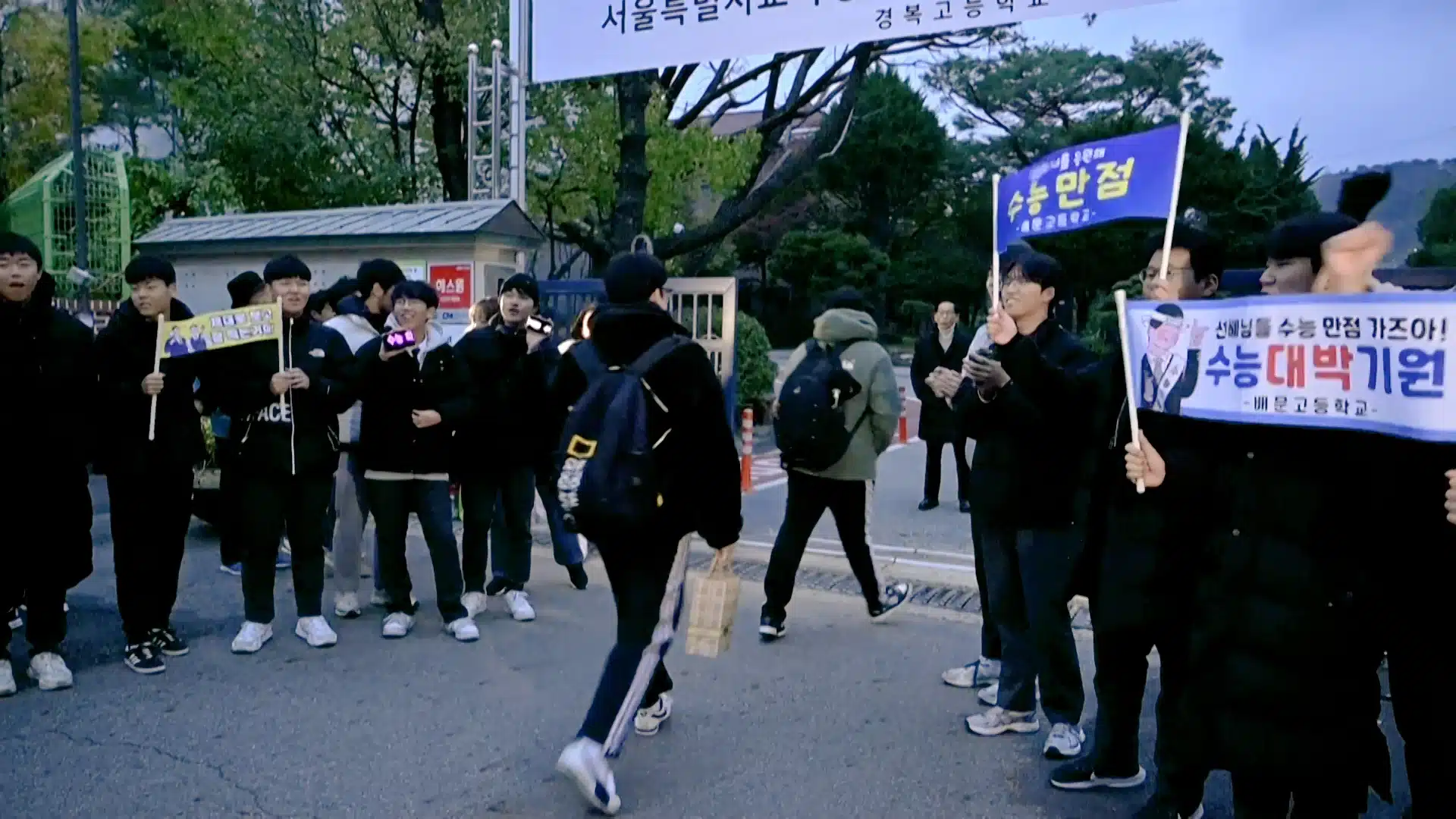
Every November, South Korea halts its daily activities for the Suneung, the nation’s highly anticipated college entrance exam. This year, over 550,000 students are set to participate, marking the highest number of applicants in seven years. While most students complete the exam by late afternoon, blind students face a significantly longer ordeal, often spending over 12 hours in the exam room. They take the “longest version” of the Suneung, which can extend into the night, highlighting the unique challenges they encounter during this critical academic milestone.
Understanding the Suneung Exam
The Suneung, or College Scholastic Ability Test (CSAT), is a pivotal assessment that can shape students’ futures, influencing their university admissions, job prospects, and even personal relationships. The exam consists of approximately 200 questions across various subjects, including Korean, mathematics, English, social and natural sciences, an additional foreign language, and Hanja, the classical Chinese characters used in Korean. For most students, the exam lasts around eight hours, starting at 08:40 and concluding at 17:40. However, blind students with severe visual impairments are allotted 1.7 times the standard testing duration, resulting in exam sessions that can extend until nearly 10 PM. The braille test papers, which are significantly bulkier than standard exam booklets, further contribute to the extended duration, as each braille version can be six to nine times thicker than its printed counterpart.
The Experience of Blind Students
At Seoul Hanbit School for the Blind, 18-year-old Han Dong-hyun prepares to tackle the Suneung this year. Born completely blind, he faces the exam with determination, using braille test papers and a screen-reading computer. As he practices with past exam questions, he acknowledges the challenges of the lengthy test. “It’s really exhausting because the exam is so long,” he admits, emphasizing the importance of managing his stamina. The Korean language section poses particular difficulties, with the braille version of the test expanding from a standard 16 pages to around 100 pages. This significant increase in volume requires Dong-hyun to rely heavily on his memory, as spoken information from screen-reading software disappears quickly.
Another student, 18-year-old Oh Jeong-won, shares similar sentiments about the exam’s intensity. He describes the late afternoon as the most challenging time, as students continue to solve problems without a dinner break. The need to maintain focus while reading braille and processing audio information adds to the fatigue experienced by blind students. Despite these hurdles, both Dong-hyun and Jeong-won express their commitment to persevering through the exam, viewing it as a testament to their hard work and resilience.
Challenges in Accessing Study Materials
While the length of the Suneung presents a significant challenge, blind students face additional obstacles in preparing for the exam. Access to study materials is a major concern, as popular textbooks and online lectures often lack braille versions. Converting materials into audio formats is also complicated, requiring text files that are not always readily available. In many cases, individuals must manually transcribe entire workbooks to make them accessible. Furthermore, online lectures frequently rely on visual aids, making it difficult for blind students to follow along.
One of the most pressing issues is the delay in receiving braille versions of essential EBS preparation books, which are crucial for exam success. Blind students often receive these materials months after their sighted peers, limiting their study time. Jeong-won notes that while sighted students obtain their EBS books between January and March, blind students typically receive them only in August or September, just months before the exam. This delay can hinder their preparation efforts significantly. The National Institute of Special Education, responsible for producing braille materials, acknowledges the lengthy process but is working to improve accessibility for blind students.
The Significance of the Suneung for Blind Students
For blind students like Dong-hyun and Jeong-won, the Suneung is more than just an exam; it symbolizes years of perseverance and dedication. Jeong-won describes the experience as a test of willpower, emphasizing the importance of resilience in achieving one’s goals. Their teacher, Kang Seok-ju, observes the remarkable endurance of his students as they navigate the challenges of the exam. He encourages them to focus on their efforts rather than the outcome, reminding them that the exam is a culmination of their learning journey.
Despite the physical toll of reading braille for hours, the students remain committed to their studies. The friction from tracing raised dots can lead to sore hands, yet they push through the discomfort for the sake of their future. Kang urges his students to value their completion of the exam, reinforcing that it is not the sole determinant of their worth or potential. As they prepare for the Suneung, these students exemplify the strength and determination required to overcome obstacles in pursuit of their dreams.
Observer Voice is the one stop site for National, International news, Sports, Editor’s Choice, Art/culture contents, Quotes and much more. We also cover historical contents. Historical contents includes World History, Indian History, and what happened today. The website also covers Entertainment across the India and World.

