

Beware: Dialing This Code May Grant Scammers Access to Your Bank Account

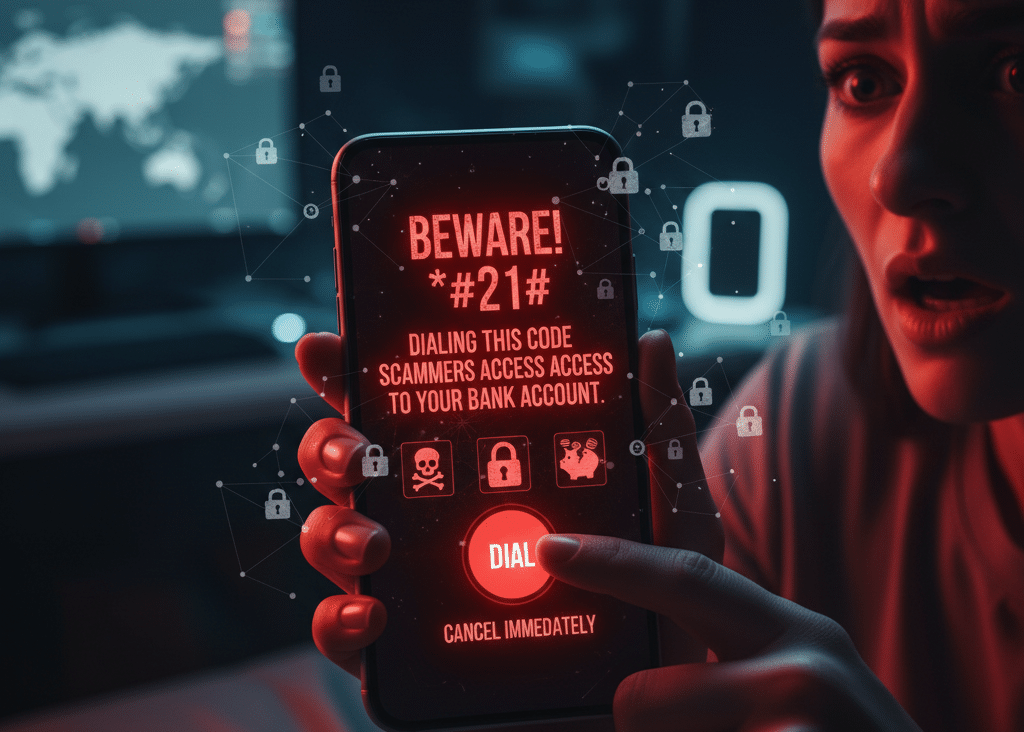
India’s national cybercrime monitoring agency has issued a critical warning regarding a phone-based scam that is facilitating bank fraud and account takeovers. The National Cybercrime Threat Analytics Unit released this advisory under the Indian Cyber Crime Coordination Centre framework after identifying cases where scammers exploit USSD call forwarding codes to redirect banking and verification calls. This alarming trend highlights the vulnerability of mobile users, as the scam operates without the need for internet access or malicious software, relying instead on standard telecom functions and user trust.
Understanding the Scam’s Mechanism
The advisory details how criminals typically initiate contact with potential victims by impersonating courier or delivery personnel. They often claim that a package requires confirmation or rescheduling. During these interactions, the scammers instruct individuals to dial a USSD code, usually beginning with 21, followed by a phone number they provide. Once the victim dials this code, call forwarding is activated on their device without any additional confirmation. Consequently, all incoming calls intended for the user, including those from banks and automated verification systems, are redirected to the fraudster’s number.
This method is particularly insidious because many victims are unaware of how USSD codes function, making it easy for fraudsters to execute their scheme without detection. The lack of internet dependency means that the scam can occur seamlessly, catching users off guard as they continue to use their phones normally, oblivious to the ongoing diversion.
Consequences of Call Redirection
Once the call redirection is in place, scammers gain access to crucial information such as one-time passwords and approval calls. This access allows them to authorize transactions, alter login credentials, and take control of bank accounts or messaging profiles. Victims often remain unaware of the fraud until they notice unauthorized transactions or find themselves locked out of their accounts.
The cybercrime unit emphasized that the speed of this scam is alarming, as USSD commands execute instantly and do not require internet connectivity. Additionally, users may not receive clear notifications when call forwarding is activated, leading to delayed awareness of the issue. Many individuals only realize something is amiss after funds have been withdrawn or access to essential applications has been compromised.
Preventive Measures and Recommendations
Officials have highlighted that traditional security tools designed to block harmful links or software may not be effective against this type of scam. Since the fraud exploits legitimate telecom features, automated protection systems may not flag the activity as suspicious. To mitigate risks, authorities strongly advise against dialing USSD codes that begin with 21, 61, 67, or similar sequences when prompted by unknown callers.
If users suspect that call forwarding has been enabled on their devices, they should immediately dial
##002#
to cancel all forwarding settings. Additionally, the advisory cautions against clicking on delivery-related links sent via messages or emails. Users are encouraged to verify shipment details only through official courier websites or customer service numbers. In the event of financial loss or account misuse, individuals should report the incident promptly by calling 1930 or utilizing the national cybercrime reporting portal.
Observer Voice is the one stop site for National, International news, Sports, Editor’s Choice, Art/culture contents, Quotes and much more. We also cover historical contents. Historical contents includes World History, Indian History, and what happened today. The website also covers Entertainment across the India and World.

