-
Editor's Choice

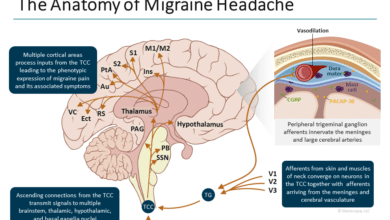
Migraine Disease: Why It’s Much More Than Just a Bad Headache
Migraine Disease is a complex neurological disorder characterized by recurrent headaches accompanied by multiple systemic symptoms. Migraine is much more than a simple headache. The condition involves abnormal brain neurochemistry.…
Read More » -
Editor's Choice
Normal Pressure Hydrocephalus: The Treatable Dementia Mimic
Normal Pressure Hydrocephalus, commonly called NPH, is a treatable condition characterized by excessive cerebrospinal fluid accumulation in the brain ventricles. Despite normal opening intracranial pressure on lumbar puncture, NPH causes…
Read More » -
Editor's Choice
Vascular Dementia: How Strokes and Blood Flow Problems Affect Cognition
Vascular Dementia is cognitive impairment resulting from reduced blood flow to the brain caused by cerebrovascular disease. Strokes cause brain cell death. Small vessel disease reduces blood flow. Atherosclerosis narrows…
Read More » -
Editor's Choice
Frontotemporal Dementia (FTD): When Personality Changes Before Memory Does
Frontotemporal Dementia, commonly called FTD, is a progressive neurodegenerative disorder characterized by degeneration of the frontal and temporal lobes of the brain. The disease primarily affects personality, behavior, and language…
Read More » -
Editor's Choice
Lewy Body Dementia: The Second Most Common Dementia You’ve Probably Never Heard Of
Lewy Body Dementia, commonly called LBD, is the second most common form of dementia after Alzheimer’s disease. The disease is characterized by progressive cognitive decline, visual hallucinations, and parkinsonian motor…
Read More » -
Editor's Choice
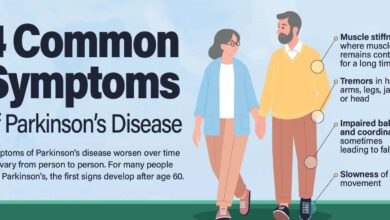
Parkinson’s Disease: Early Motor and Non-Motor Symptoms Often Overlooked
Parkinson’s Disease is a progressive neurodegenerative disorder characterized by motor dysfunction and non-motor symptoms. The disease results from loss of dopamine-producing neurons in the substantia nigra. Dopamine is a neurotransmitter…
Read More » -
Editor's Choice
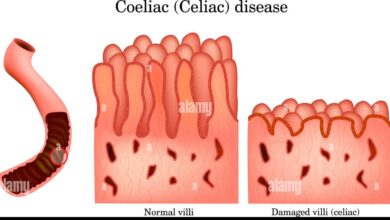
Celiac Disease: Beyond Gluten Sensitivity — the Serious Autoimmune Reality
Celiac Disease is a serious autoimmune disorder triggered by consumption of gluten, a protein found in wheat, barley, and rye. The disease is characterized by immune-mediated damage to the small…
Read More » -
Editor's Choice
Autoimmune Encephalitis: When the Brain Becomes the Target of an Immune Attack
Autoimmune Encephalitis is a rare but serious disease in which the immune system abnormally produces antibodies against proteins and receptors in the brain. These antibodies attack brain cells and neurons.…
Read More » -
Editor's Choice
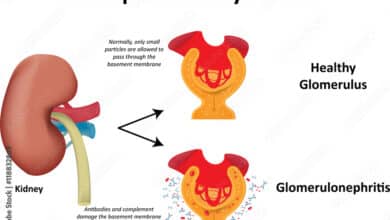
Goodpasture Syndrome: When Antibodies Attack Both the Lungs and Kidneys
Goodpasture Syndrome is a rare, life-threatening autoimmune disease in which the immune system produces antibodies against basement membranes in the lungs and kidneys. Basement membranes are structural components of blood…
Read More » -
Editor's Choice
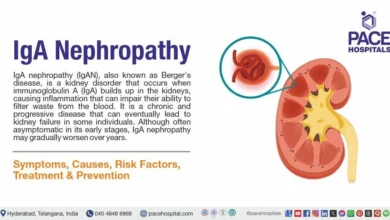
IgA Nephropathy (Berger’s Disease): The Most Common Primary Glomerular Disease
IgA Nephropathy, also called IgAN or Berger’s Disease, is the most common form of primary glomerulonephritis worldwide. Primary glomerulonephritis means the kidney disease originates in the kidney itself. The disease…
Read More » -
Editor's Choice
Antiphospholipid Syndrome: The Clotting Disorder Behind Recurrent Miscarriages
Antiphospholipid Syndrome, commonly called APS, is an autoimmune disease characterized by the production of antibodies against phospholipids. Phospholipids are components of cell membranes. These autoimmune antibodies cause abnormal blood clotting.…
Read More » -
Editor's Choice
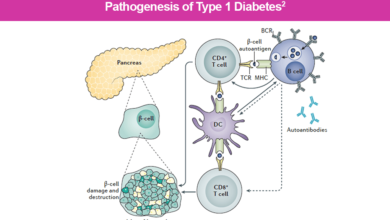
Type 1 Diabetes: Autoimmune Destruction of the Pancreas From Day One
Type 1 Diabetes is a chronic autoimmune disease in which the immune system attacks and destroys the insulin-producing cells in the pancreas. The destroyed cells are beta cells located in…
Read More » -
Editor's Choice
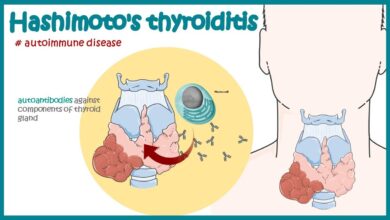
Hashimoto’s Thyroiditis: The Leading Cause of Hypothyroidism Explained
Hashimoto’s Thyroiditis is a chronic autoimmune disease in which the immune system attacks the thyroid gland, causing progressive destruction of thyroid tissue. The immune attack leads to reduced thyroid hormone…
Read More » -
Editor's Choice
Graves’ Disease: Hyperthyroidism, Bulging Eyes, and Autoimmune Thyroid Damage
Graves’ Disease is an autoimmune condition in which the immune system attacks the thyroid gland, causing the thyroid to produce excessive amounts of thyroid hormone. The disease is the most…
Read More » -
Editor's Choice
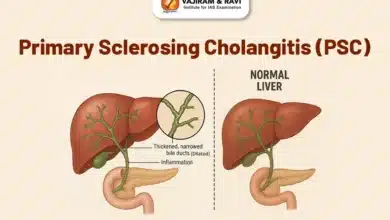
Primary Sclerosing Cholangitis (PSC): Bile Duct Scarring and Its Link to IBD
Primary Sclerosing Cholangitis, commonly called PSC, is a chronic disease characterized by progressive fibrosis and stricturing of the bile ducts inside and outside the liver. The disease causes bile ducts…
Read More »