

Parkinson’s Disease: Early Motor and Non-Motor Symptoms Often Overlooked

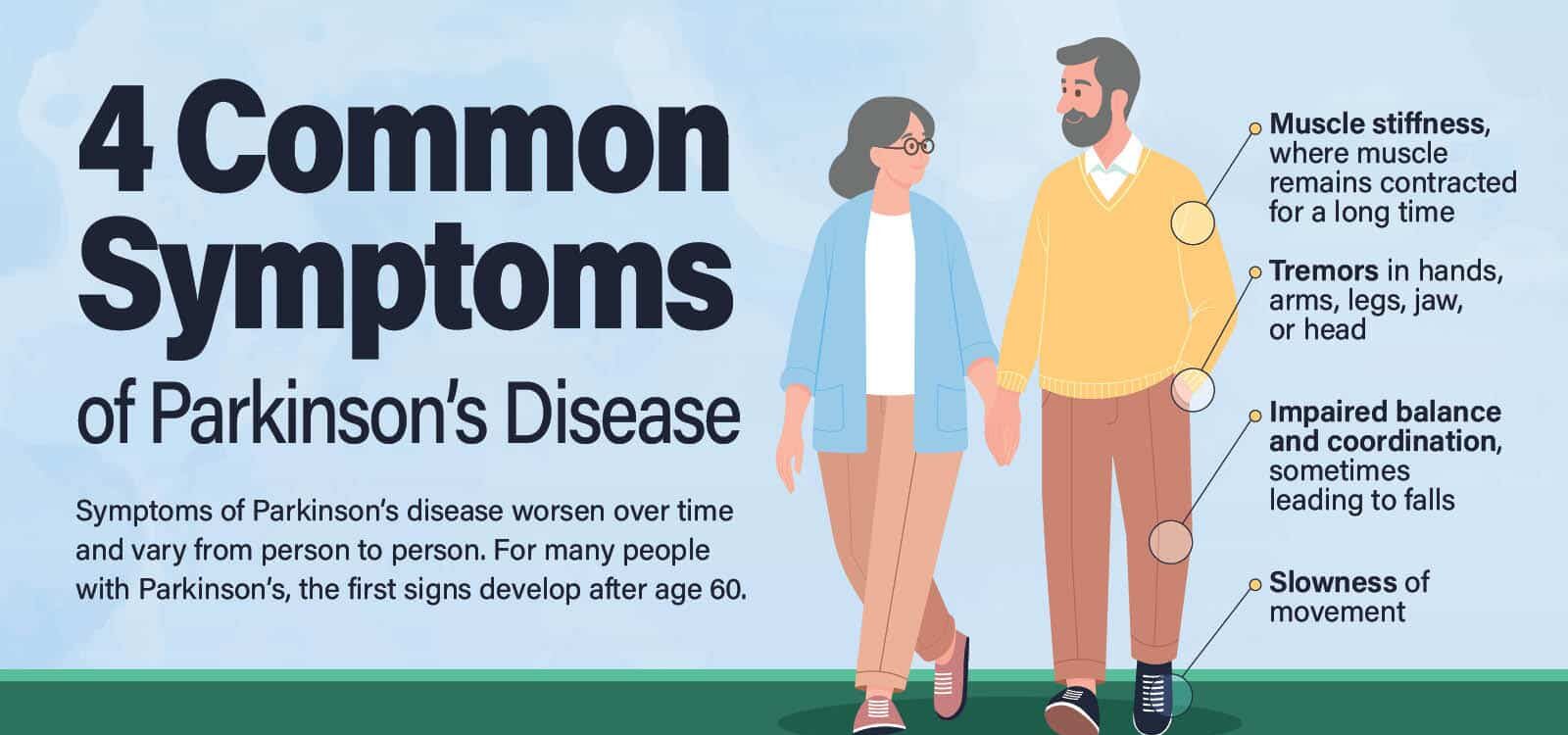
Parkinson’s Disease is a progressive neurodegenerative disorder characterized by motor dysfunction and non-motor symptoms. The disease results from loss of dopamine-producing neurons in the substantia nigra. Dopamine is a neurotransmitter essential for normal motor function. Motor symptoms are tremor, rigidity, bradykinesia, and postural instability. Non-motor symptoms are equally important but often overlooked. Depression, anxiety, sleep dysfunction, constipation, and cognitive decline often precede motor symptoms. Parkinson’s Disease affects approximately ten million people worldwide. The disease is common. Most common neurodegenerative disorder after Alzheimer’s disease. Parkinson’s Disease typically develops in older adults. Mean age of onset approximately sixty years. However, Parkinson’s can develop at any age. Young-onset Parkinson’s occurs before age fifty. Juvenile-onset Parkinson’s occurs before age twenty-one. Parkinson’s affects males slightly more frequently than females. Male-to-female ratio approximately one point five to one. Parkinson’s Disease is caused by progressive neurodegeneration in the brain. Loss of dopamine neurons. Death of substantia nigra neurons. Approximately eighty percent loss by symptom onset. Lewy bodies form. Alpha-synuclein protein accumulation. Abnormal protein aggregates. Intracellular inclusions. Mitochondrial dysfunction. Energy production impaired. Oxidative stress. Free radical damage. Neuroinflammation. Microglial activation. Genetic factors involved. SNCA mutation. Alpha-synuclein gene. Other genetic mutations. Parkin. PINK1. DJ-1. LRRK2. Environmental factors possibly involved. Pesticide exposure. Head trauma. Infections. The non-motor symptoms precede motor symptoms in many patients. Depression. Anxiety. Sleep disturbance. Constipation. Anosmia. Loss of smell. Autonomic dysfunction. Orthostatic hypotension. Occur years before tremor or rigidity. Often attributed to other causes. Misdiagnosis common. Depression treated as primary psychiatric disorder. Constipation treated symptomatically. Anosmia ignored. Years of misdiagnosis delay diagnosis. Early diagnosis and treatment are crucial for slowing disease progression. Dopamine agonists and levodopa slow progression. Quality of life preserved longer. Understanding early non-motor symptoms helps with earlier recognition and appropriate management to slow disease progression and improve long-term outcomes.
How Does Dopamine Loss in the Brain Cause Parkinson’s Disease?
To understand Parkinson’s Disease, we need to learn about the brain, dopamine, and the basal ganglia. The basal ganglia are brain structures that control movement. Substantia nigra. Part of midbrain. Contains dopamine-producing neurons. Striatum. Putamen and caudate nucleus. Receives dopamine. Globus pallidus. Thalamus. Motor cortex. Connected circuits. Control movement planning. Movement initiation. Movement execution. Movement refinement. Dopamine is a neurotransmitter. Chemical messenger. Released by substantia nigra neurons. Dopamine signals striatum. Modulates movement. Dopamine affects motivation. Dopamine affects mood. Dopamine affects cognition. In Parkinson’s Disease, substantia nigra neurons degenerate. Dopamine-producing neurons die. Progressive cell death. Lewy bodies accumulate. Alpha-synuclein protein. Toxic aggregates. Mitochondrial dysfunction. Energy production impaired. Neurons cannot function. Cell death occurs. Apoptosis. Programmed cell death. Initially, compensatory mechanisms. Remaining neurons increase dopamine production. Compensatory upregulation. However, progressive loss overwhelms compensation. Dopamine levels fall. When dopamine drops by approximately seventy to eighty percent. Motor symptoms appear. Tremor. Rigidity. Bradykinesia. Postural instability. The motor symptoms result from imbalance in basal ganglia circuits. Normal function. Excitatory and inhibitory circuits. Balance. Movement generation. Inhibition of unwanted movement. Dopamine regulates these circuits. Dopamine deficiency. Imbalance. Hyperactivity of inhibitory circuits. Suppression of desired movement. Difficulty initiating movement. Difficulty executing movement. Tremor from oscillating circuits. Rigidity from excessive inhibition. Bradykinesia from movement suppression. Postural instability from loss of righting reflexes. Non-motor symptoms result from dopamine loss in other brain regions. Ventral tegmental area. Dopamine to prefrontal cortex. Motivation. Reward. Mood. Depression from dopamine loss. Reduced motivation. Anhedonia. Loss of pleasure. Olfactory system. Lewy bodies in olfactory bulb. Before substantia nigra involvement. Anosmia. Loss of smell. Early symptom. Locus coeruleus. Norepinephrine neurons. Sleep regulation. Autonomic function. Loss of norepinephrine neurons. Sleep dysfunction. Insomnia. REM behavior disorder. Autonomic dysfunction. Orthostatic hypotension. Dorsal motor nucleus. Enteric nervous system. Gut dysfunction. Constipation. Lewy bodies in gut. Before brain involvement. Possible. Gut-brain axis. Amyloid beta and alpha-synuclein. Migrating from gut to brain. Prion-like propagation. Controversial hypothesis. GI symptoms precede CNS symptoms. Support hypothesis. Cognitive decline. Prefrontal cortex dysfunction. Executive function decline. Parkinson’s dementia. Later in disease. Hallucinations. Dopamine loss. Dopamine agonist medications. Complex visual hallucinations. Dream-like experiences. Psychosis. Rare early. Common late. Neuroinflammation amplifies damage. Microglia activation. Pro-inflammatory cytokines. IL-1-beta. TNF-alpha. Amplify neuronal death. Oxidative stress. Free radical generation. Mitochondrial dysfunction. ROS. Reactive oxygen species. Damage DNA. Proteins. Lipids. Neuronal death. Neuroinflammation perpetuates. Self-perpetuating cycle. Cell death triggers inflammation. Inflammation causes more cell death. Progressive neurodegeneration. Understanding the neurobiological mechanisms has led to development of dopamine-replacing therapies and neuroprotective strategies.
What Are the Main Symptoms and Signs of Parkinson’s Disease?
Parkinson’s Disease causes motor and non-motor symptoms that develop progressively. Early symptoms are often subtle and non-motor. Motor symptoms develop gradually. Resting tremor is characteristic. Four to six hertz frequency. At rest. Usually hands. Thumb-to-finger rolling motion. Pill-rolling tremor. Asymmetric. One side initially. Worsens with emotion or stress. Disappears with intentional movement. Intention tremor absent. Distinguishes from cerebellar tremor. Rigidity is stiffness. Increased muscle tone. Uniform resistance. Lead-pipe rigidity. Cogwheel rigidity. Tremor overlaid. Click-click sensation. Present throughout range of motion. Passive movement. Meets resistance. Neck stiffness. Shoulder stiffness. Trunk stiffness. Lower extremity stiffness. Bradykinesia is slowness of movement. Slow voluntary movements. Difficulty with fine motor tasks. Buttoning buttons. Handwriting small. Micrographia. Small letters. Writing trails off. Reduced arm swing. Walking. Usually unilateral initially. Facial expression reduced. Hypomimia. Mask-like facies. Reduced blinking. Reduced spontaneous movement. General slowness. Speech slow. Soft. Monotonous. Hypokinetic dysarthria. Postural instability develops. Balance impairment. Increased fall risk. Backward balance. Retropulsion. Forward lean. Flexed posture. Stooped gait. Shuffling gait. Small steps. Difficulty initiating gait. Freezing of gait. Sudden inability to walk. Feet frozen. Transient. Lasts seconds. Triggered by emotional stress. Tight spaces. Turning. Gait impairment. Increased fall risk. Fractures from falls. Head injury. Serious consequences. Non-motor symptoms are diverse and often overlooked. Anosmia. Loss of smell. Hyposmia. Reduced smell. Very early symptom. Years before motor. Taste changes. Ageusia. Loss of taste. Associated with anosmia. Depression. Depressed mood. Anhedonia. Loss of pleasure. Persistent sadness. Apathy. Lack of motivation. Even severe. Difficulty initiating activities. Reduced interest. Withdrawal. Depression affects seventy percent. Often attributed to situational depression. Psychogenic. Rather than Parkinson’s. Suicidal ideation. Suicide attempt. Risk. Anxiety. Generalized anxiety. Social anxiety. Panic attacks. Phobia. Severe anxiety. Interferes with function. Sleep disturbance. Insomnia. Difficulty falling asleep. Difficulty staying asleep. Early morning awakening. Non-restorative sleep. REM sleep behavior disorder. RSBD. Acting out dreams. Talking during sleep. Flailing. Violent behavior. Sleep partner injury. Nightmares. Excessive daytime somnolence. EDS. Falling asleep during activities. Driving. Dangerous. Catastrophic consequences. Autonomic dysfunction. Orthostatic hypotension. Blood pressure drops upon standing. Dizziness. Lightheadedness. Syncope. Fainting. Falls. Urinary dysfunction. Urinary urgency. Urinary frequency. Nocturia. Night-time urination. Urinary incontinence. Loss of bladder control. Sexual dysfunction. Erectile dysfunction. Reduced libido. Orgasmic dysfunction. From autonomic dysfunction. From medications. Gastrointestinal symptoms. Constipation. Reduced bowel movements. Hard stool. Straining. Hemorrhoids. Anal fissures. Very common. Affects up to eighty percent. Nausea. Mild to severe. Appetite loss. Difficulty eating. Weight loss. Progressive weight loss. From medication side effects. From reduced appetite. Drooling. Sialorrhea. Excessive saliva production. Difficulty swallowing. Dysphagia. Aspiration risk. Choking. Hallucinations. Visual hallucinations. Usually benign. Seeing people. Animals. Objects. Fully formed. Complex. Dream-like. Initial hallucinations. Non-threatening. Patient usually aware. Unreal. Later hallucinations. Threatening. Frightening. Patient may believe real. Psychosis. Delusions. False beliefs. Paranoid delusions. Cognitive symptoms. Difficulty concentrating. Attention problems. Executive dysfunction. Difficulty planning. Organizing. Problem solving. Working memory impaired. Slowed cognition. Mental slowing. Parkinson’s dementia. Later stages. Cognitive decline progressive. Memory loss. Visuospatial dysfunction. Language difficulty. Dementia. Eventually. Late disease. Mood changes. Depression. Anxiety. Apathy. Emotional lability. Mood fluctuations. Sudden mood changes. Crying easily. Emotional incontinence. Pain. Musculoskeletal pain. From rigidity. From postural abnormality. Abnormal posture. Compensatory strain. Dystonia. Abnormal muscle contractions. Twisted postures. Painful. Neuropathic pain. Burning. Tingling. Paresthesias. Fatigue. Extreme fatigue. Exhaustion. Disproportionate to activity. Morning fatigue. Persistent. Difficult to manage. Cognitive slowing. Bradyphrenia. Slow thinking. Difficulty with complex cognition. Speech difficulty. Hypokinetic dysarthria. Soft voice. Monotonous. Slurred. Difficulty understanding. Hearing loss. Proprioceptive dysfunction. Loss of position sense. Coordination difficulty. Ataxia-like symptoms. The motor and non-motor symptoms develop over time. Years of progression. Individual variation. Some progress rapidly. Others slowly. Early recognition crucial. Non-motor symptoms often dismissed. Understanding importance enables earlier diagnosis.
How is Parkinson’s Disease Detected and Diagnosed?
Parkinson’s Disease is diagnosed clinically through neurological examination and assessment of cardinal motor signs. No blood test or imaging confirms diagnosis. Clinical diagnosis remains standard. Diagnostic criteria. Movement Disorder Society. UK Parkinson’s Disease Society Brain Bank criteria. Bradykinesia essential. Plus one of: Resting tremor. Rigidity. Asymmetric presentation. Positive response to levodopa. Clinical history is crucial. Symptom onset. When started. Progression. Slow gradual. Non-motor symptoms. Depression. Sleep problems. Constipation. Anosmia. Years before motor. Family history. Family members with Parkinson’s. Genetic forms. Environmental exposure. Pesticide exposure. Head trauma history. Medications. Drug-induced parkinsonism. Antipsychotics. Metoclopramide. Dopamine antagonists. Reversible. Discontinuation helps. Neurological examination. Assess tremor. Resting tremor present. Pill-rolling. Hands. Head. Chin. Legs. Less common. Intention tremor. Absent. Posture. Flexed posture. Assess rigidity. Passive movement. Resistance. Lead-pipe or cogwheel. Neck. Shoulders. Elbows. Wrists. Legs. Bradykinesia assessment. Rapid alternating movement. Rapid hand opening closing. Slow. Reduced amplitude. Finger tapping. Thumb to fingers. Slowed. Reduced amplitude. Fist clenching. Hand pronation supination. Slowed. Gait assessment. Stride length reduced. Shuffling. Arm swing reduced. Usually asymmetric. Balance assessment. Romberg test. Pullback test. Instability. Increased fall risk. Cranial nerve assessment. Hypomimia. Masked facies. Reduced blink. Vertical supranuclear gaze palsy. Later disease. Speech assessment. Soft voice. Monotonous. Hypokinetic dysarthria. General neurological examination. Rules out other diagnoses. Cerebellar signs. Signs of ataxia. Upper motor neuron signs. Hyperreflexia. Pyramidal weakness. Spasticity. Sensory examination. Usually normal. Cognitive assessment. MMSE. Montreal Cognitive Assessment. MoCA. Screen for cognitive impairment. Detailed neuropsychological testing if impairment. Mood assessment. Depression screening. PHQ-9. GAD-7. Anxiety screening. Suicidality assessment. Autonomic function assessment. Orthostatic vital signs. Blood pressure sitting and standing. Heart rate response. Skin conduction. Quantitative sudomotor function. Imaging. MRI brain. Rules out structural causes. Normal in idiopathic Parkinson’s. Useful to exclude secondary causes. Atrophy. Strokes. Tumors. Vascular parkinsonism. DaT scan. Dopamine transporter imaging. SPECT scan. Shows dopamine loss. Striatum. Reduced uptake. Supports diagnosis. Not required. Positive in Parkinson’s. Negative in drug-induced parkinsonism. Negative in essential tremor. PET scan. F-DOPA PET. Shows dopamine loss. More specific than DaT. Not routinely available. Research use primarily. Genetic testing. If family history. SNCA. Parkin. PINK1. DJ-1. LRRK2. Mutations. Identify genetic forms. Levodopa trial. Symptomatic improvement with levodopa. Supports diagnosis. However, not diagnostic. Response not required for diagnosis. However, positive response reassuring. The combination of clinical presentation with bradykinesia, resting tremor or rigidity, asymmetric presentation, and positive response to levodopa supports Parkinson’s Disease diagnosis. MRI to exclude secondary causes helpful. Early diagnosis allows early intervention and symptom management.
What Health Complications Do People with Parkinson’s Disease Face?
People with Parkinson’s Disease face progressive motor and non-motor complications from neurodegeneration and medication effects. The complications depend on disease severity and disease duration. Motor complications. Falls and fractures are major complications. Postural instability. Increased fall risk. Fractures from falls. Hip fracture. Vertebral fracture. Wrist fracture. Head injury. Traumatic brain injury. Subdural hematoma. Serious. Life-threatening. Mortality from falls. Freezing of gait. Sudden inability to walk. Feet frozen. Seconds to minutes. Emotional stress trigger. Tight spaces trigger. Turning. Cognitive triggers. Gait instability. Increased fall risk. Rigidity complications. Pain from muscle stiffness. Reduced mobility. Contractures. Shortened muscles. Fibrosis. Reduced range of motion. Permanent loss of function. Dysphagia. Difficulty swallowing. Aspiration risk. Food aspiration. Aspiration pneumonia. Choking. Airway obstruction. Death. Dysarthria. Speech difficulty. Reduced volume. Slurred speech. Difficulty understood. Social withdrawal. Speech therapy. May help. Drooling. Sialorrhea. Excessive saliva. Social embarrassment. Aspiration risk. Respiratory complications. Shallow breathing. Respiratory depression. Reduced vital capacity. Difficulty breathing. Dyspnea. Sleep apnea. Obstructive or central. Hypoventilation during sleep. Oxygen desaturation. Sudden respiratory failure. Mechanical ventilation needed. Autonomic complications. Orthostatic hypotension. Syncope. Falls. Head injury. Urinary incontinence. Bladder dysfunction. UTI. Urinary tract infections. Sepsis. Sexual dysfunction. Erectile dysfunction. Reduced libido. Relationship strain. GI complications. Constipation. Severe impaction. Bowel obstruction. Volvulus. Surgical emergency. Megacolon. Toxic megacolon. Life-threatening. Perforated bowel. Peritonitis. Sepsis. Death. GI bleeding. Gastric ulceration. Gastroparesis. Delayed gastric emptying. Nausea. Vomiting. Aspiration. Malnutrition. Weight loss. Progressive. Medication complications. Dyskinesias. Involuntary abnormal movements. Chorea. Athetosis. Dystonia. Ballism. Interfere with function. Gradually develop. Related to levodopa. Duration of therapy. Dose. On-off fluctuations. Motor benefit fluctuations. On-time. Good motor function. Off-time. Poor motor function. Wearing-off effect. Shorter benefit duration. End-of-dose deterioration. Biphasic dyskinesias. Dyskinesias at medication onset. Dyskinesias at offset. Freezing in medication off-time. Psychosis. Hallucinations. Delusions. Paranoia. Frightening. Patient believes real. Dangerous. Suicidal behavior if paranoid delusions. Aggressive behavior. Violence. Dementia. Parkinson’s dementia. Progressive cognitive decline. Memory loss. Visuospatial dysfunction. Language difficulty. Executive dysfunction. Loss of independence. Nursing care need. Institutionalization. Depression. Persistent. Suicidal ideation. Suicide attempt. Mortality. Anxiety. Panic attacks. Social withdrawal. Cognitive impairment worsens. Apathy. Lack of motivation. Akinetic mutism. Late disease. Complete lack of movement or speech. Freezing. Completely frozen. Cannot move. Mechanical ventilation need. Sleep dysfunction. Severe insomnia. Daytime somnolence. Sleep attacks. Sudden sleep. Dangerous driving. Accidental injuries. REM behavior disorder. Violent behavior. Sleep partner injury. Hallucinations. Dream-like. Nightmares. Autonomic crisis. Acute severe dysautonomia. Fever. Extreme tachycardia. Hypertension or hypotension. Muscle rigidity. Seizures. Autonomic instability crisis. Neuroleptic malignant syndrome-like. From antipsychotic medications. Or sudden dopamine agonist withdrawal. Medical emergency. ICU care. Mortality high. Status epilepticus. Seizures. Prolonged. Refractory. Difficult to treat. Mechanical ventilation need. Sudden unexpected nocturnal death. SUND. Autonomic dysfunction. Cardiac arrhythmia. Sudden cardiac death. Aspiration pneumonia. Swallowing dysfunction. Aspiration. Pneumonia. Sepsis. Septic shock. Death. Respiratory failure. Hypoventilation. Aspiration. Muscle weakness. Mechanical ventilation need. ICU admission. Without mechanical ventilation support. Death. Infection. Aspiration pneumonia. UTI. Sepsis. Septic shock. Death. Cachexia. Severe weight loss. Malnutrition. Muscle wasting. Frailty. Multiple comorbidities. Cardiovascular disease. Hypertension. Orthostatic hypotension. Cardiac arrhythmias. Diabetes. Depression. Cognitive impairment. Dementia. Multiple diseases. Complex management. With appropriate management, many complications prevented or delayed. However, progressive nature means complications likely eventually.
What Treatments Help People with Parkinson’s Disease?
Treatment for Parkinson’s Disease focuses on dopamine replacement, symptom management, and neuroprotection. Dopamine replacement is cornerstone therapy. Levodopa is gold standard. Converted to dopamine. Most effective. Used since 1960s. Initial therapy. Oral medication. Tablets. Capsules. Usually combined with carbidopa. Carbidopa inhibits conversion to dopamine outside brain. Allows more levodopa to reach brain. Reduces peripheral side effects. Nausea. Vomiting. Initial dose. Low. Usually twenty-five to one hundred milligrams. Increased gradually. Titrated to effect. Typical dose. Two hundred to one thousand milligrams daily. Divided doses. Three to four times daily. Response rapid. Symptom improvement within weeks. Motor symptoms improve. Tremor decreases. Rigidity decreases. Bradykinesia improves. Postural instability improves. Side effects. Nausea initially. Usually improves. Dyskinesias develop over time. Involuntary movements. Duration of therapy increases dyskinesia risk. Motor fluctuations. Wearing-off effect. On-off fluctuations. Extended-release formulations. Longer benefit duration. May reduce fluctuations. Dopamine agonists. Non-ergot or ergot. Bromocriptine. Cabergoline. Non-ergot. Pramipexole. Ropinirole. Less potential for cardiac and pulmonary toxicity. Direct dopamine receptor stimulation. Monotherapy initially. Particularly young patients. Avoid levodopa. Delay motor complications. Combination therapy. With levodopa. Reduce levodopa dose. Reduce dyskinesias. Side effects. Sleepiness. Hallucinations. Impulse control disorders. Gambling. Hypersexuality. Compulsive shopping. Orthostatic hypotension. COMT inhibitors. Catechol-O-methyltransferase inhibitors. Entacapone. Tolcapone. Extend levodopa benefit. Inhibit breakdown. Prolong half-life. Increase brain dopamine. Reduced motor fluctuations. Used with levodopa. Tolcapone. Rare liver toxicity. Monitor liver function. Entacapone. Safer. More commonly used. MAO inhibitors. Monoamine oxidase inhibitors. Selegiline. Rasagiline. Inhibit dopamine breakdown. Extend levodopa benefit. Neuroprotection possible. Slow disease progression. Some evidence. However, controversial. Symptomatic benefit clear. Neuroprotective benefit unclear. Anticholinergics. Benztropine. Trihexyphenidyl. Block acetylcholine. Reduce tremor and rigidity. Less effective than dopamine agents. Side effects. Dry mouth. Urinary retention. Cognitive impairment. Confusion. Glaucoma risk. Limited use now. Amantadine. NMDA antagonist. Reduces dyskinesias. Anti-parkinsonian effect. Helps tremor and rigidity. Dual action. Motor symptom improvement. Dyskinesia reduction. Used with levodopa. Reduces dyskinesia side effects. Reduces motor fluctuations. Deep brain stimulation. DBS. Surgical treatment. Electrode placement. Subthalamic nucleus. Globus pallidus. Thalamus. Electrical stimulation. Reduces tremor. Reduces rigidity. Reduces bradykinesia. Improves postural instability. Motor fluctuations reduced. Dyskinesias reduced. Candidate criteria. Early-stage disease. Duration five years or more. Adequate response to levodopa. Complications from therapy. DBS effective. Motor symptom improvement. Significant. Cognitive decline. DBS does not improve. May worsen. Mood effects. Variable. Depression. Hypomania. Impulse control disorders. Behavioral effects. Personality changes. Psychosis symptoms. Mood-stabilizing medications. Antidepressants for depression. SSRIs. Tricyclics. SNRIs. Antipsychotics for psychosis. Antipsychotics. Quetiapine. Clozapine. Avoid dopamine antagonists. Worsen Parkinson’s. Antianxiety medications. Benzodiazepines. Buspirone. Sleep aids. Melatonin. Trazodone. Clonazepam for REM behavior disorder. Autonomic support. Fludrocortisone for orthostatic hypotension. Increases blood volume. Increases blood pressure. Midodrine. Direct vasoconstrictor. Raises blood pressure. Compression stockings. Physical support. Fluid and salt. Increase intake. Support blood volume. Gastrointestinal support. Stool softeners. Colace. Increased fiber. Increased fluids. Exercise. Maintains bowel motility. Osmotic laxatives. Polyethylene glycol. Magnesium citrate. Stimulant laxatives. Senna. Docusate. Physical therapy. Gait training. Balance training. Fall prevention. Exercise. Regular aerobic exercise. Slows progression. Improves symptoms. Walking. Swimming. Cycling. Dance therapy. Reduces fall risk. Improves gait. Reduces bradykinesia. Speech therapy. Articulation exercises. Louder speech therapy. Lee Silverman Voice Treatment. LSVT. Improves voice volume and clarity. Occupational therapy. Adapting activities. ADLs. Fine motor tasks. Tremor management strategies. Weighted utensils. Non-slip materials. Cognitive support. Cognitive training. Working memory exercises. Attention exercises. Neuropsychological rehabilitation. With appropriate dopamine replacement, motor symptoms significantly improve. With multimodal therapy, complications managed. Quality of life preserved for extended periods.
Living with Parkinson’s Disease
Living with Parkinson’s Disease requires medication compliance, regular monitoring, lifestyle modifications, exercise, cognitive and emotional support, and psychological adjustment to a progressive neurodegenerative disease. For people newly diagnosed with Parkinson’s Disease, the diagnosis is life-changing. Progressive neurodegenerative disease. No cure. However, effective treatments. Symptom management. Quality of life maintenance. Understanding that many years of functional life remain possible. With modern management. Offers some reassurance. Patient education crucial. Understanding disease. Understanding treatments. Understanding progression. Medication compliance essential. Levodopa. Exact dosing. Consistent timing. Dopamine agonists. Consistency. Missing doses. Symptom worsening. Motor complications risk. Regular monitoring. Neurology follow-up. Regular assessment. Motor symptoms. Non-motor symptoms. Medication effectiveness. Side effects. Medication adjustments. Based on response. DBS consideration. If motor complications. If medication intolerance. Exercise is crucial. Regular exercise. Slows disease progression. Improves motor symptoms. Reduces bradykinesia. Improves gait. Walking. Swimming. Cycling. Dance. Resistance training. Tai chi. Yoga. All beneficial. Aerobic activity. Cardiovascular benefit. Brain-derived neurotrophic factor. BDNF. Increased with exercise. Neuroprotection possible. Daily exercise. Recommended. Thirty minutes. Moderate intensity. Most days. Nutrition management. Balanced diet. Adequate protein. Levodopa absorption. Protein competes. Take levodopa. Wait one hour. Before protein. Or eat protein. After levodopa. Vitamin B6 avoidance. High doses. Interferes with levodopa. B6 in multivitamins. Usually okay. Small amounts. But check. Coenzyme Q10. Some evidence. Possible neuroprotection. However, data limited. Antioxidant potential. Sleep hygiene. Important. Sleep disturbance common. Regular sleep schedule. Consistent bedtime. Wakeup time. Dark bedroom. Cool temperature. No screens before bed. Sleep apnea. Screen. Sleep study. CPAP if indicated. REM behavior disorder. Clonazepam. Sleep partner safety. Coordinate with sleep medicine. Fall prevention. Home safety. Remove tripping hazards. Good lighting. Grab bars. Shower chairs. Canes or walkers. Appropriate footwear. Non-slip soles. Avoid rushing. Allow extra time. Avoid slippery surfaces. Ice. Wet floors. Balance training. Reduces fall risk. Physical therapy. Tai chi. Yoga. Cognitive activities. Mental stimulation. Reduces cognitive decline. Learning. Reading. Games. Puzzles. Cognitive training. Emotional support. Depression. Very common. Screening important. Antidepressants. Therapy. Support groups. Anxiety. Anxiety management. Breathing exercises. Meditation. Yoga. Antianxiety medications. Counseling. Stress management. Reduces stress. Meditation. Yoga. Regular exercise. Adequate sleep. Social connection. Isolation common. Loneliness increases depression. Maintain relationships. Hobbies. Support groups. Activities. Social engagement. Dating and relationships. Explaining condition. Disease progressive. Uncertainty about future. Sexual dysfunction. Medication effects. Disease effects. Communication. Support. Work and school. Employment possible. Initially. Accommodations may be needed. Fatigue. Medication timing. Fall risk. Limited hours. Modified duties. Eventually. Progression. Disability. Work loss. Disability benefits. Planning. Long-term planning. Advance directives. Healthcare proxy. Will. Estate planning. Important. While still able. Financial planning. Cost of care. Long-term care insurance. Consider. Family education. Understanding disease. Understanding progression. Medication effects. Understanding safety. Fall risk. Driving safety. Driving restrictions. Eventually necessary. When motor or cognitive impairment sufficient. Physician role. Driving evaluation. Multidisciplinary. Occupational therapy. Neuropsychological assessment. DMV coordination. Difficult conversations. Family support essential. Caregiving. As disease progresses. Respite care. Important. Professional caregivers. Home care. Assisted living. Nursing home. Eventually. Palliative care. End-of-life planning. Important. Advanced disease. Goals of care. Comfort-focused. Pain management. Symptom management. Hospice. When appropriate. With appropriate dopamine replacement ensuring medication compliance, regular exercise and physical activity providing neuroprotection and symptom management, fall prevention and home safety reducing complications, emotional and psychological support addressing depression and anxiety, social engagement preventing isolation, family and caregiver support, regular medical monitoring guiding therapy adjustments, most people with Parkinson’s Disease maintain functional quality of life for many years despite the progressive nature of this neurodegenerative disease.
Frequently Asked Questions About Parkinson’s Disease
FAQ 1: Is Parkinson’s Disease hereditary? Parkinson’s Disease has genetic component. Family history increases risk. However, not directly inherited. Genetic mutations. SNCA. Parkin. PINK1. DJ-1. LRRK2. Account for approximately ten percent. Familial forms. Most Parkinson’s sporadic. No family history. Environmental factors and genetic susceptibility. Siblings of affected. Increased risk. Screening may be considered. However, no confirmed prevention. Genetic counseling. If family history.
FAQ 2: Can Parkinson’s Disease progress to dementia? Yes, Parkinson’s Disease can progress to Parkinson’s dementia. Later stages. Not early. Cognitive decline progressive. Memory. Executive function. Visuospatial skills. Language. Dementia develops. Eventually. Approximately thirty percent develop dementia. By ten years. Cognitive impairment. Mild cognitive impairment. Parkinson’s disease. PD-MCI. Precursor. Some progress to dementia. Others remain stable. Risk factors. Age at onset. Older at diagnosis. Higher dementia risk. Disease duration. Longer disease. Higher risk. Akinetic-rigid subtype. More dementia risk. Tremor-dominant. Less dementia risk.
FAQ 3: Will my symptoms progress even with medication? Parkinson’s Disease is progressive. Medications manage symptoms. Slow progression. However, do not stop progression. Eventually. Years. Disease advances. Medication becomes less effective. Motor complications develop. Dyskinesias. Motor fluctuations. Non-motor symptoms progress. Cognitive decline. Autonomic dysfunction. Progression varies. Some progress rapidly. Others slowly. Individual variation. Early treatment. May slow progression. However, disease continues. Long-term management essential.
FAQ 4: What is the life expectancy for someone with Parkinson’s Disease? Life expectancy. Parkinson’s Disease. Shorter than general population. Usually. However, varies. Modern treatment. Improved outcomes. Many live fifteen to twenty years. After diagnosis. Or longer. Some longer. Some shorter. Depends on age at diagnosis. Older at diagnosis. Shorter survival. Disease severity. Rapidly progressive. Shorter. Slowly progressive. Longer. Complications. Aspiration pneumonia. Falls. Fractures. Reduce survival. However, many live relatively normal lifespans. With good medical care.
FAQ 5: Are there new treatments being developed for Parkinson’s Disease? Yes, significant research ongoing. Gene therapy. GDNF. Glial cell-line-derived neurotrophic factor. Neuroprotection. Repair. Clinical trials. Stem cell therapy. Dopamine neuron replacement. Regeneration. Experimental. Immunotherapy. Targeting alpha-synuclein. Preventing aggregation. Anti-inflammatory. Lysosomal therapy. Improving clearance. Alpha-synuclein removal. Phase trials. Combination therapies. Multiple agents. Targeting different pathways. Better outcomes. Clinical trials. Better treatments anticipated. Improved outcomes expected.
References and Further Reading
For more information about Parkinson’s Disease, you can visit several trusted and authoritative sources providing detailed information for patients and families dealing with this progressive neurodegenerative condition. The World Health Organization at WHO.int provides comprehensive information about Parkinson’s Disease and neurodegenerative disorders. The Parkinson’s Foundation at ParkinsonsFund.org provides excellent patient education, support resources, and research information specifically for those with Parkinson’s Disease. The American Parkinson Disease Association at APDA.org offers patient education and support services. The National Institutes of Health at NIH.gov provides research information and patient resources about Parkinson’s Disease. MedlinePlus, a service of the National Library of Medicine at MedlinePlus.gov, has detailed medical information about Parkinson’s Disease written in language that patients and families can easily understand without specialized medical knowledge. The five main reference links are: 1) WHO.int – Parkinson’s Disease, 2) Parkinson’s Foundation, 3) American Parkinson Disease Association, 4) National Institutes of Health, and 5) MedlinePlus – Parkinson’s Disease.
Disclaimer
This article adapts publicly available information from WHO’s Parkinson’s Disease and neurodegenerative disease information pages. This content is for informational and educational purposes only and does not constitute medical advice. ObserverVoice.com is a news and information platform — not a healthcare provider. If you or someone you know has been diagnosed with Parkinson’s Disease or shows signs of this condition including resting tremor, rigidity, bradykinesia, postural instability, depression, sleep dysfunction, anosmia, constipation, or other motor or non-motor symptoms, please consult immediately with qualified healthcare professionals, neurologists, and movement disorder specialists for proper diagnostic evaluation through neurological examination and imaging studies as indicated, and for appropriate treatment with dopamine replacement therapy, dopamine agonists, and supportive care. Early diagnosis and early appropriate treatment slow disease progression and maintain quality of life. Regular monitoring and medication adjustment are essential for optimal symptom management. For more information, visit WHO.int and ObserverVoice.com.
Observer Voice is the one stop site for National, International news, Sports, Editor’s Choice, Art/culture contents, Quotes and much more. We also cover historical contents. Historical contents includes World History, Indian History, and what happened today. The website also covers Entertainment across the India and World.

