-
Editor's Choice

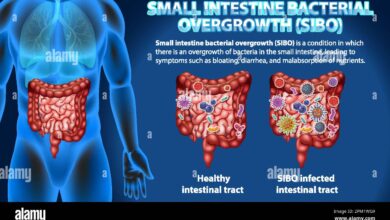
Small Intestinal Bacterial Overgrowth (SIBO): Bloating, Brain Fog, and Misdiagnosis
Imagine finishing a regular lunch and spending the rest of the afternoon looking six months pregnant. Or sitting through an important meeting unable to recall a simple word, feeling as…
Read More » -
Editor's Choice
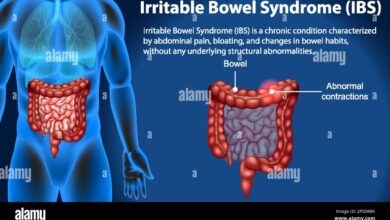
Irritable Bowel Syndrome (IBS): Types, Triggers, and What Actually Helps
It is one of the most common conditions a doctor will ever see, yet it is still widely misunderstood — dismissed by some as “just stress,” undertreated in millions, and…
Read More » -
Editor's Choice
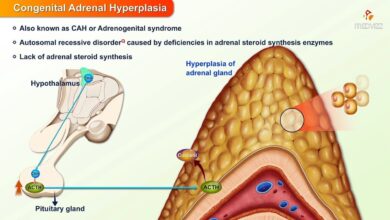
Congenital Adrenal Hyperplasia: The Hormonal Condition Affecting Gender and Development
Few medical conditions demonstrate as powerfully as congenital adrenal hyperplasia how profoundly hormones shape human development — from the moment of conception, through the first days of life, and across…
Read More » -
Editor's Choice
Panhypopituitarism: What Happens When the Master Gland Fails
Deep inside the skull, nestled at the base of the brain in a small bony cradle called the sella turcica, sits one of the most important structures in the human…
Read More » -
Editor's Choice
Pseudogout (CPPD Disease): When Calcium Crystals Mimic Gout
Picture a sudden, intensely painful, swollen knee that appears out of nowhere — red, warm, and so tender that even standing becomes difficult. A doctor examining this patient might immediately…
Read More » -
Editor's Choice
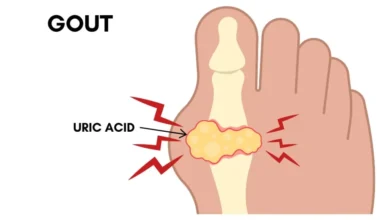
Gout: Why Uric Acid Crystals Form in Joints and What Triggers an Attack
Imagine waking in the middle of the night to a burning pain so intense that even the weight of a bedsheet on your foot feels unbearable. The joint at the…
Read More » -
Type 2 Diabetes Complications: Neuropathy, Retinopathy, and Nephropathy Explained
Type 2 diabetes is much more than high blood sugar. Left uncontrolled, persistently elevated glucose gradually damages the smallest and most delicate structures in the human body — the tiny…
Read More » -
Editor's Choice
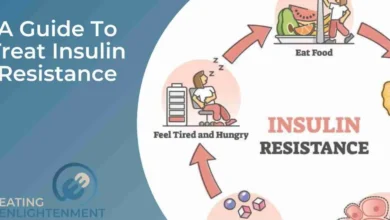
Insulin Resistance: What It Is, How to Detect It, and Why It Matters Before Diabetes
There is a stage that exists before type 2 diabetes — a long, silent window during which the body is already struggling, the warning signals are already firing, and yet…
Read More » -
Editor's Choice
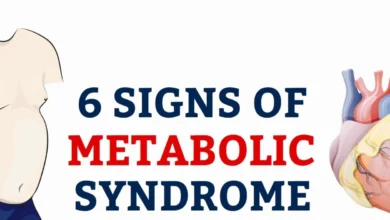
Metabolic Syndrome: The Cluster of Conditions That Together Multiply Your Risk
Most chronic diseases work alone. High blood pressure damages arteries. High blood sugar leads to diabetes. Excess abdominal fat strains the heart. Each of these conditions carries its own risk.…
Read More » -
Editor's Choice
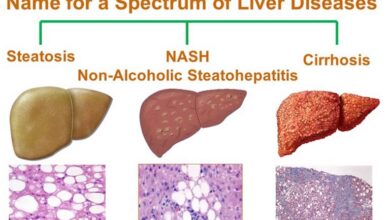
NASH (Non-Alcoholic Steatohepatitis): When Fatty Liver Progresses to Liver Damage
Not all fatty livers are the same. For most people, fat accumulating in the liver is a quiet, stable condition that causes no immediate harm and can be reversed with…
Read More » -
Editor's Choice
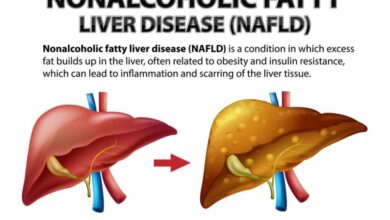
Non-Alcoholic Fatty Liver Disease (NAFLD): The Epidemic Nobody Is Talking About
One in three people on Earth is walking around with fat silently building up inside their liver. Most of them do not know it. There are no obvious symptoms in…
Read More » -
Editor's Choice
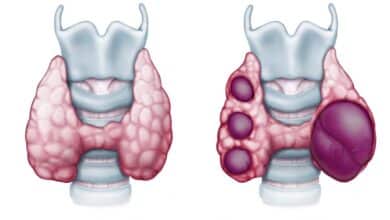
Thyroid Nodules: When to Worry, When to Watch, and What Tests Tell You
Imagine finding out that a lump has been growing quietly in your neck — one so small and symptom-free that you had absolutely no idea it was there. For millions…
Read More » -
Editor's Choice
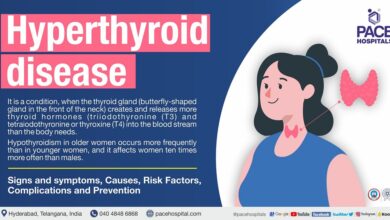
Hyperthyroidism: When Your Thyroid Goes Into Overdrive
The thyroid gland is like the body’s engine regulator. Its job is to keep everything running at the right speed — heart rate, metabolism, temperature, digestion, and mood. But what…
Read More » -
Editor's Choice
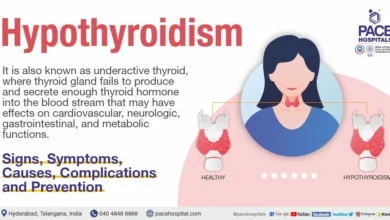
Hypothyroidism: Every Symptom, Every Cause, and Every Treatment Option
There is a small butterfly-shaped gland in your neck that quietly controls almost everything — your energy, your weight, your mood, your heart rate, your body temperature, your digestion, and…
Read More » -
Editor's Choice
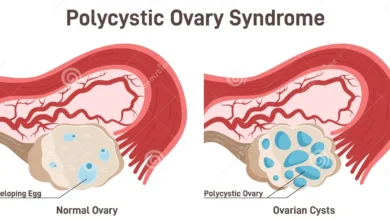
PCOS (Polycystic Ovary Syndrome): Hormones, Insulin, and Why It’s More Than a Fertility Issue
Millions of women around the world are living with a condition that affects far more than their ovaries. It disrupts hormones, interferes with how the body processes sugar, affects the…
Read More »