-
Editor's Choice

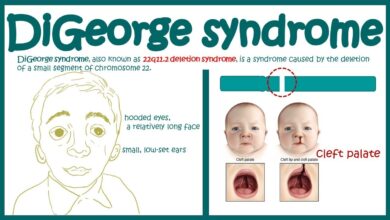
22q11.2 Deletion Syndrome (DiGeorge): Heart Defects, Immunity, and Cognitive Effects
Think about a newborn arriving in the world with a heart that does not beat quite right, a thymus gland too small to build a proper immune defence, a calcium…
Read More » -
Editor's Choice
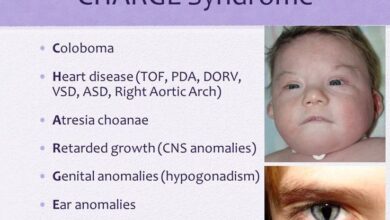
CHARGE Syndrome: The Constellation of Birth Defects and Its Complex Diagnosis
When a baby is born with problems affecting the eyes, the heart, the nose, the ears, and multiple other systems all at once, doctors face an enormous diagnostic puzzle. In…
Read More » -
Editor's Choice
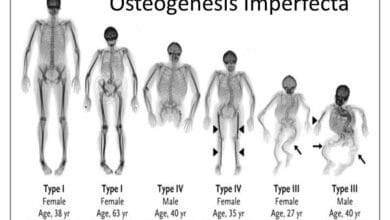
Osteogenesis Imperfecta (Brittle Bone Disease): Living With Bones That Break Easily
Think about what it would feel like if your bones could break from something as ordinary as a sneeze, a gentle hug, or simply rolling over in bed. For people…
Read More » -
Editor's Choice
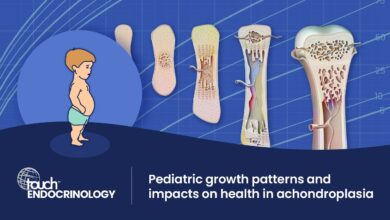
Achondroplasia: The Most Common Form of Short-Limbed Dwarfism Explained
When a baby is born with unusually short arms and legs but a head and torso of typical size, doctors look closely for a condition called achondroplasia. It is not…
Read More » -
Editor's Choice
Li-Fraumeni Syndrome: The Rare Genetic Disorder Behind Multiple Early-Onset Cancers
Most people know that cancer can sometimes run in families. But for a small group of people around the world, the risk is not just elevated — it is extraordinarily…
Read More » -
Editor's Choice
BRCA1 and BRCA2 Mutations: Should You Get Tested and What Do Results Mean?
Imagine your body has a repair team working silently every day. These workers fix tiny mistakes in your DNA before they grow into serious problems like cancer. BRCA1 and BRCA2…
Read More » -
Editor's Choice
Tuberous Sclerosis Complex: The Genetic Condition Behind Benign Tumors in Multiple Organs
Tuberous sclerosis complex, often abbreviated TSC, is an inherited genetic disorder characterized by development of benign tumors called hamartomas in multiple organ systems including the brain, kidneys, heart, lungs, and…
Read More » -
Editor's Choice
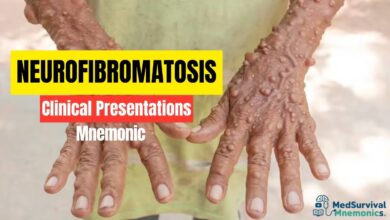
Neurofibromatosis Type 1 (NF1): Tumors, Café-au-Lait Spots, and What to Expect
Neurofibromatosis type 1, abbreviated NF1, is an inherited genetic disorder affecting one in every 2,500 to 3,000 individuals worldwide, making it one of the most common inherited neurological disorders. The…
Read More » -
Editor's Choice
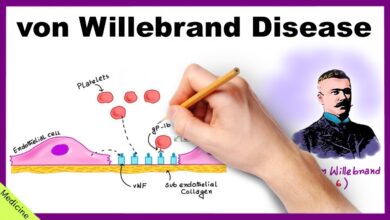
von Willebrand Disease: The Most Common Inherited Bleeding Disorder
von Willebrand disease is an inherited bleeding disorder affecting the blood protein von Willebrand factor, which plays crucial roles in platelet adhesion and stabilizing clotting factor VIII. The condition represents…
Read More » -
Editor's Choice
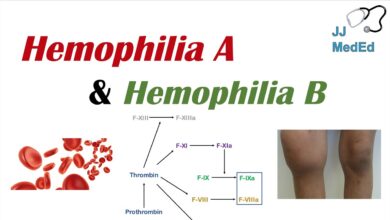
Haemophilia A vs B: What’s Different and Why It Matters for Treatment
Haemophilia A and haemophilia B are serious inherited bleeding disorders where the body cannot produce adequate quantities of specific blood clotting factors necessary for normal blood coagulation. Haemophilia A results…
Read More » -
Editor's Choice
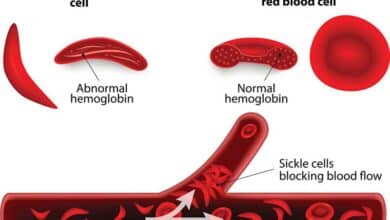
Sickle Cell Disease: Beyond the Crisis — the Systemic Effects of This Blood Disorder
Sickle cell disease is a serious inherited blood disorder affecting hemoglobin, the oxygen-carrying protein in red blood cells. The condition results from a single nucleotide mutation in the beta-globin gene…
Read More » -
Editor's Choice
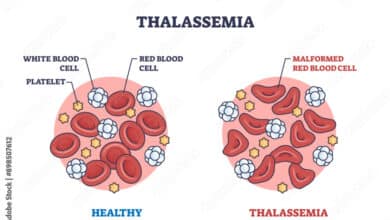
Thalassemia: Types, Inheritance, and Why Some Populations Are More at Risk
Thalassemia is an inherited blood disorder affecting hemoglobin production, the iron-containing protein in red blood cells that carries oxygen throughout the body. The condition results from mutations in genes responsible…
Read More » -
Editor's Choice
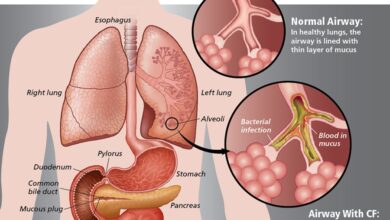
Cystic Fibrosis: How a Single Gene Mutation Affects the Lungs, Gut, and More
Cystic fibrosis is a serious inherited genetic disorder caused by mutations in the cystic fibrosis transmembrane conductance regulator gene, abbreviated CFTR. This single gene mutation produces defective CFTR protein, which…
Read More » -
Editor's Choice
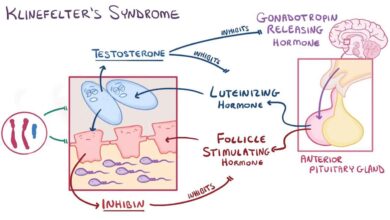
Klinefelter Syndrome (XXY): Symptoms, Diagnosis, and What Treatment Can Offer
Klinefelter syndrome is a genetic condition affecting males who are born with an extra X chromosome, resulting in a 47,XXY karyotype instead of the typical 46,XY. This chromosomal difference occurs…
Read More » -
Editor's Choice
Turner Syndrome: What It Means to Have Only One X Chromosome
Turner syndrome is a genetic condition affecting females where one of the two X chromosomes is completely or partially missing. While typical females have two X chromosomes in every cell,…
Read More »